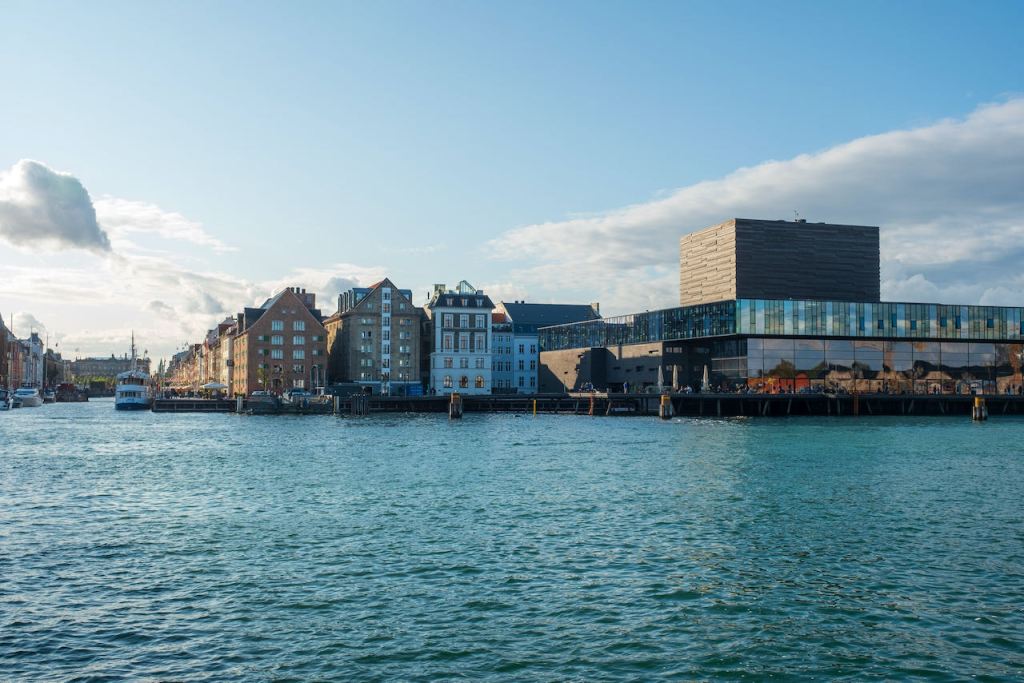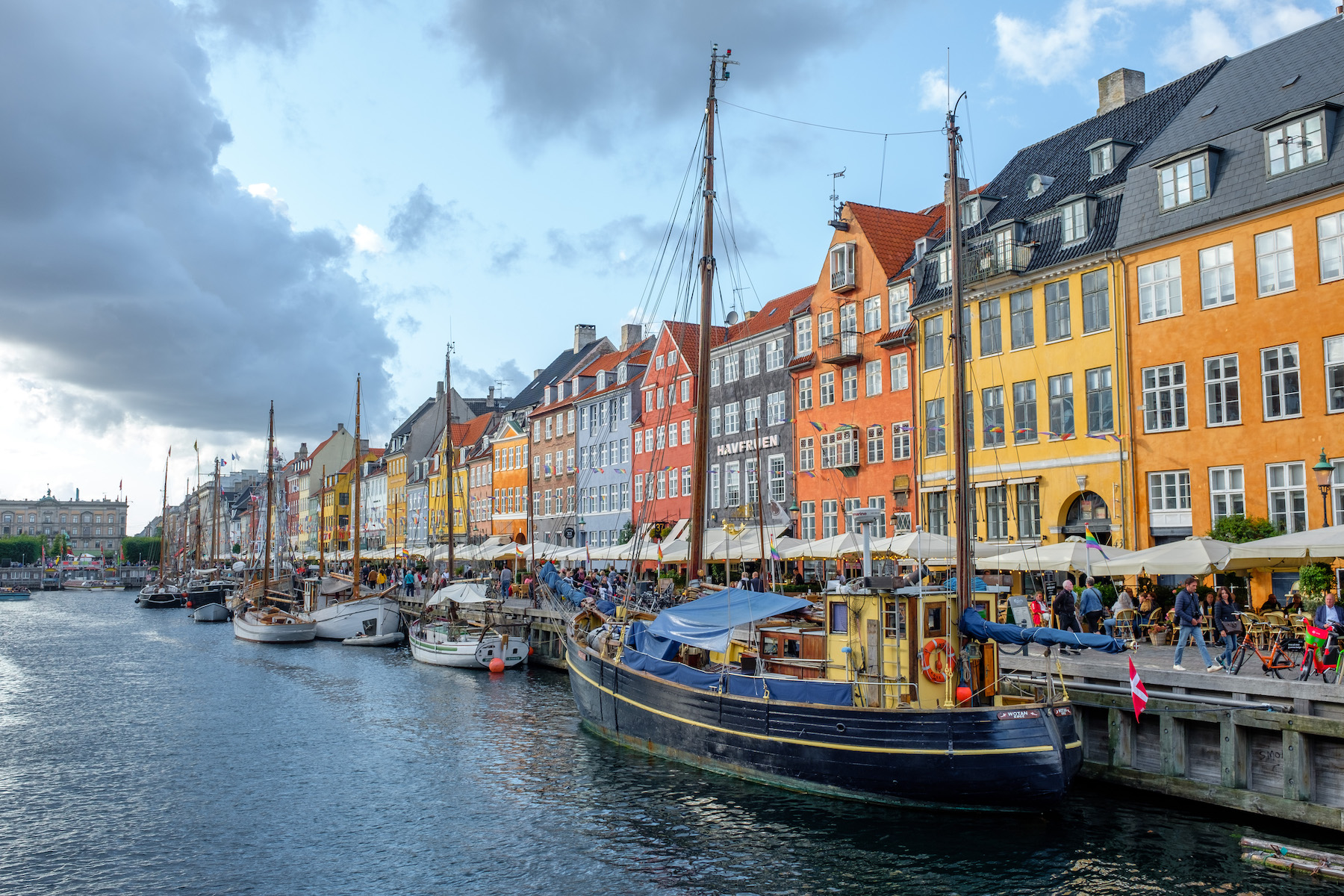
As the last destination for 2021 traveling summer we have chosen Denmark. I had quite high expectations, but at the end I was a little bit disappointed with many spots we visited. Fortunately, Copenhagen made up for the other things – this city and things around it are really amazing! The only thing that was cool and was a little bit further away was Lego House in Billund – if you played with Lego in childhood, you will enjoy it too!
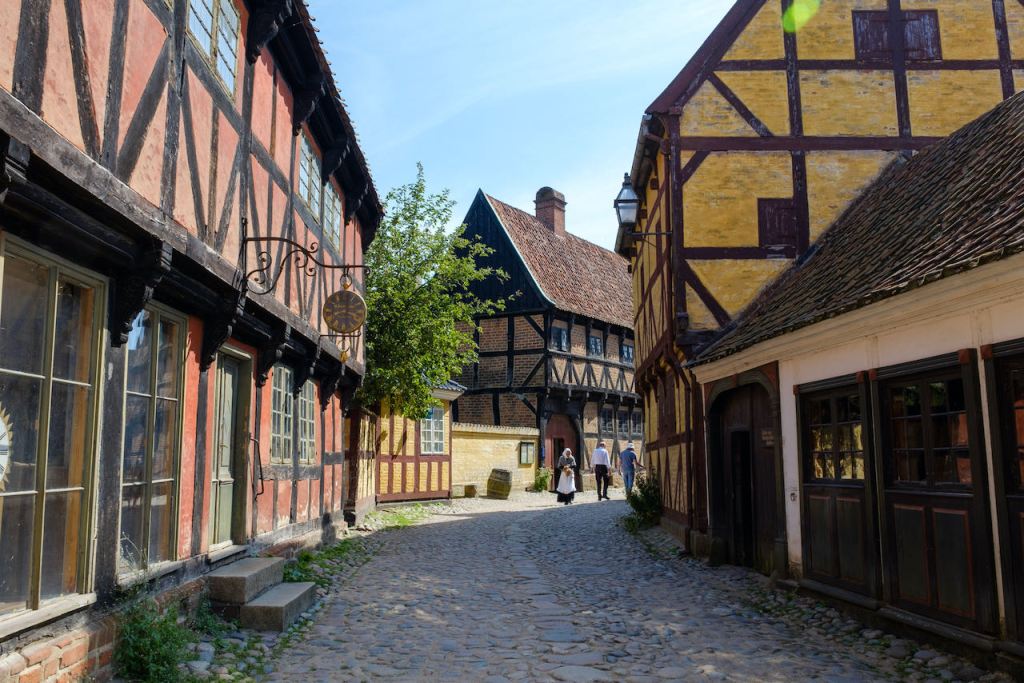
Top things to visit in Denmark
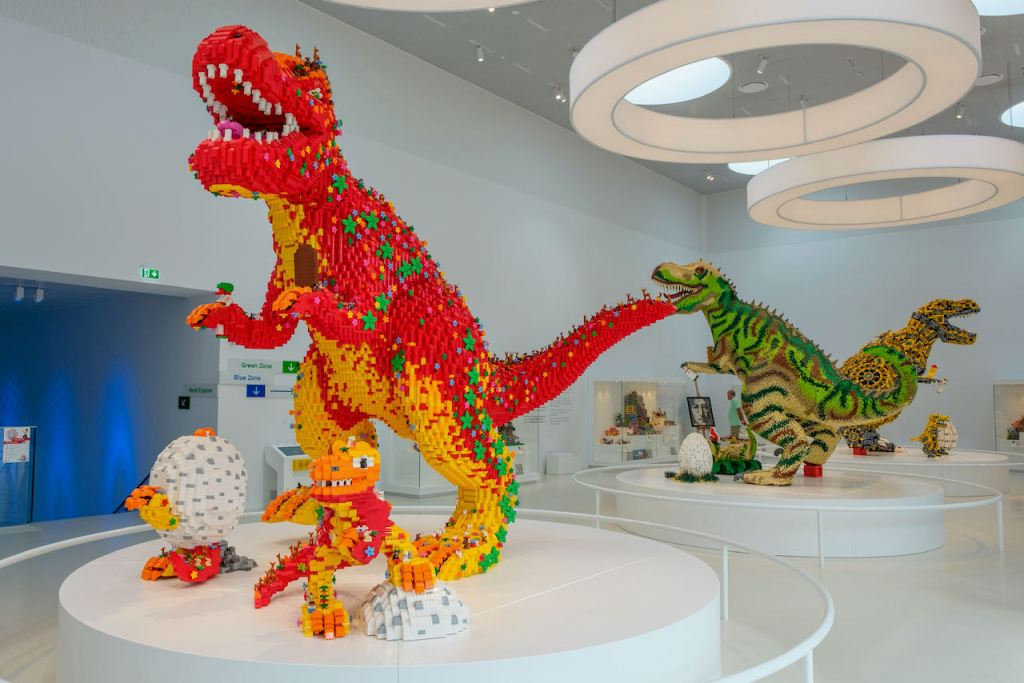
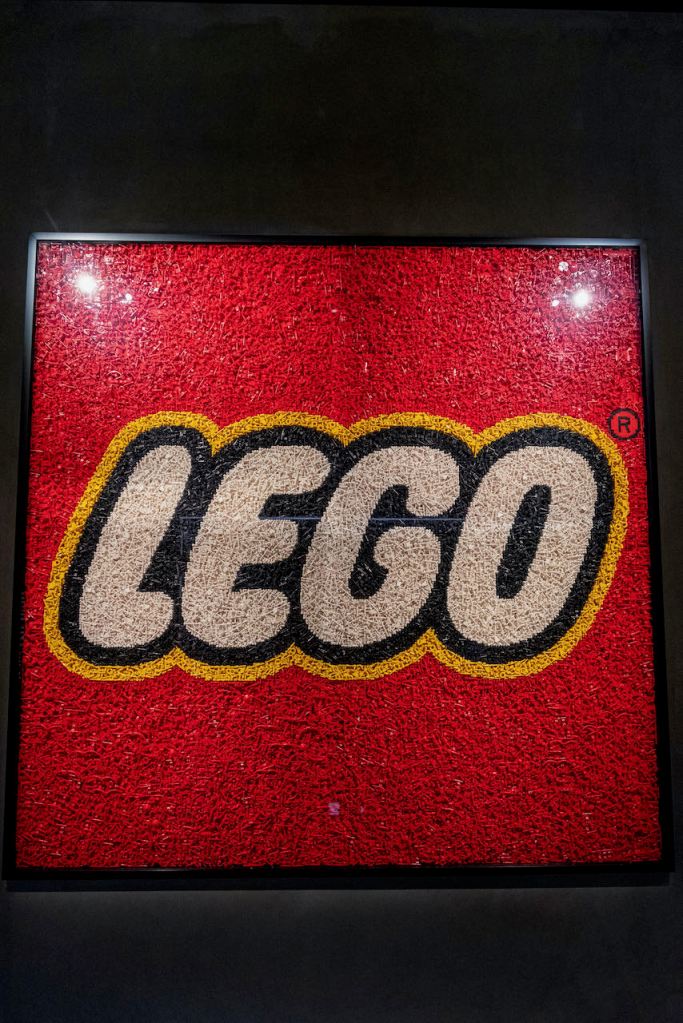
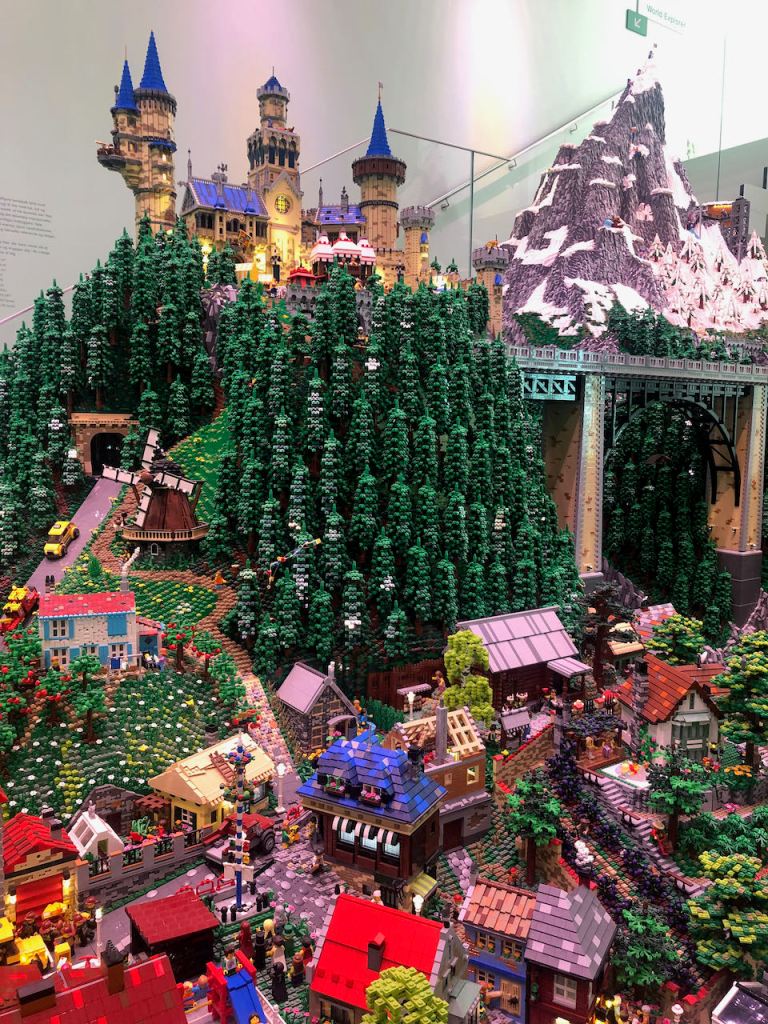
- Lego house. If you are AFOL (Adult Fan of Lego) then it’s the place for you. It’s a spot where you can feel like a child again, play with lego, but also see amazing sculptures made by the professional artists (engineers?). It’s much more interesting place than Legoland, which is more of an amusement park with rollercoasters and other attractions. Lego house is all about building from Lego bricks!
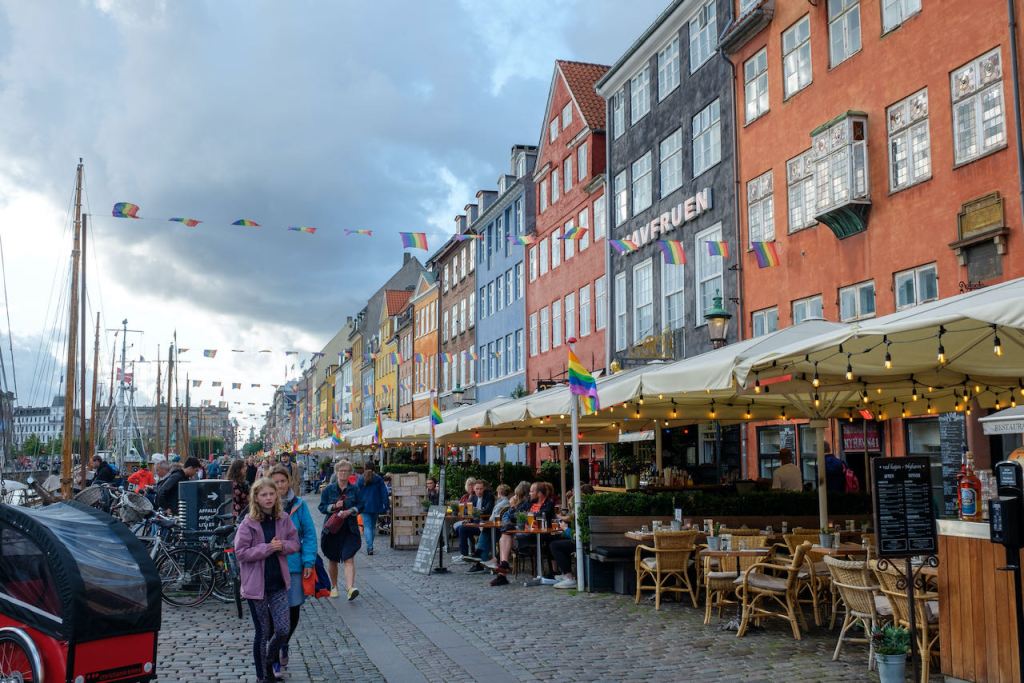
- Copenhagen nyhavn. It’s one the most picturesque spots in Copenhagen. Especially if you get there in the afternoon on the sunny day. The whole neighbourhood is really nice and worth taking a walk.
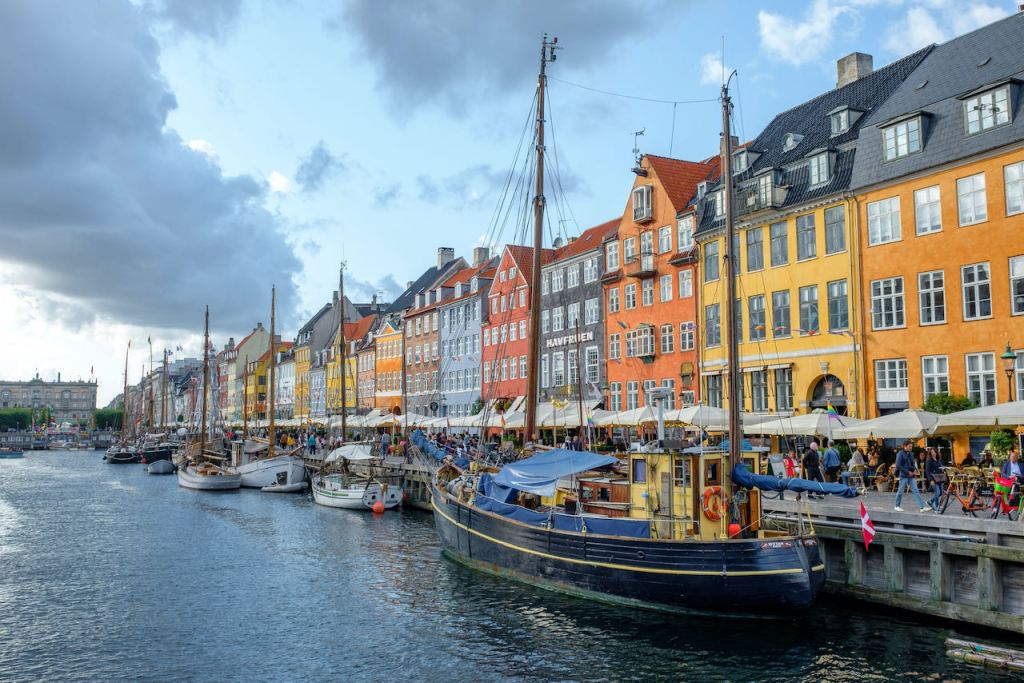
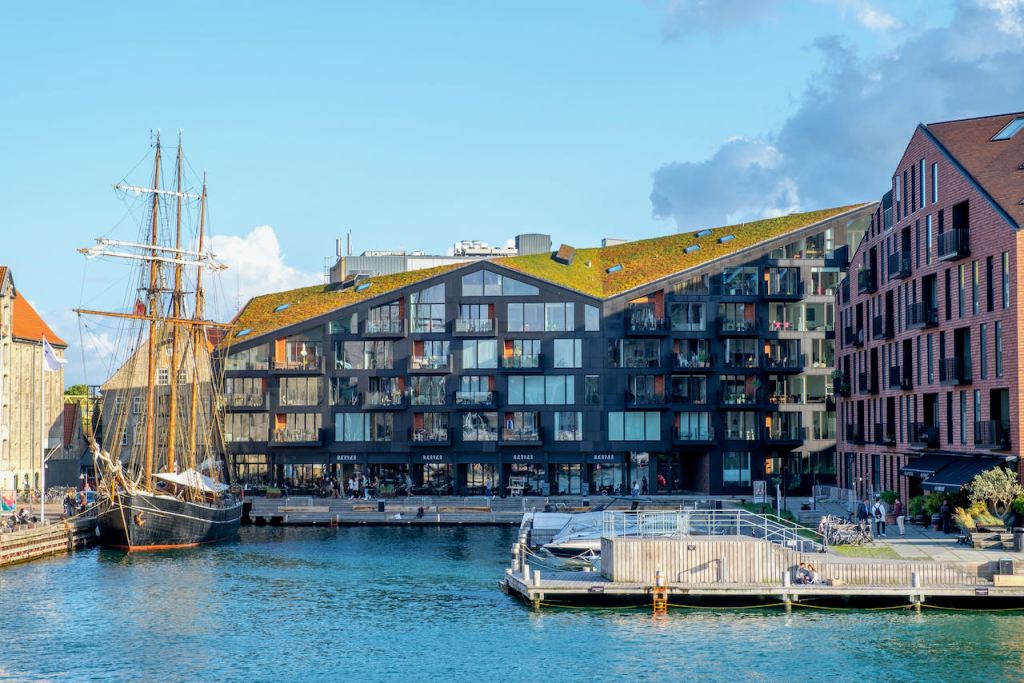
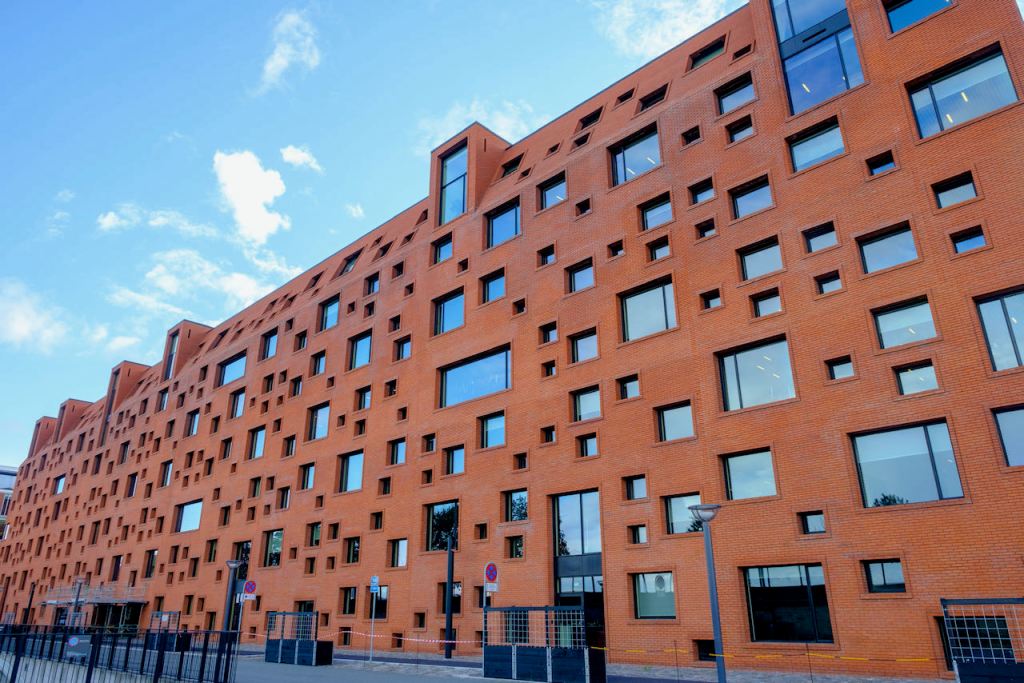
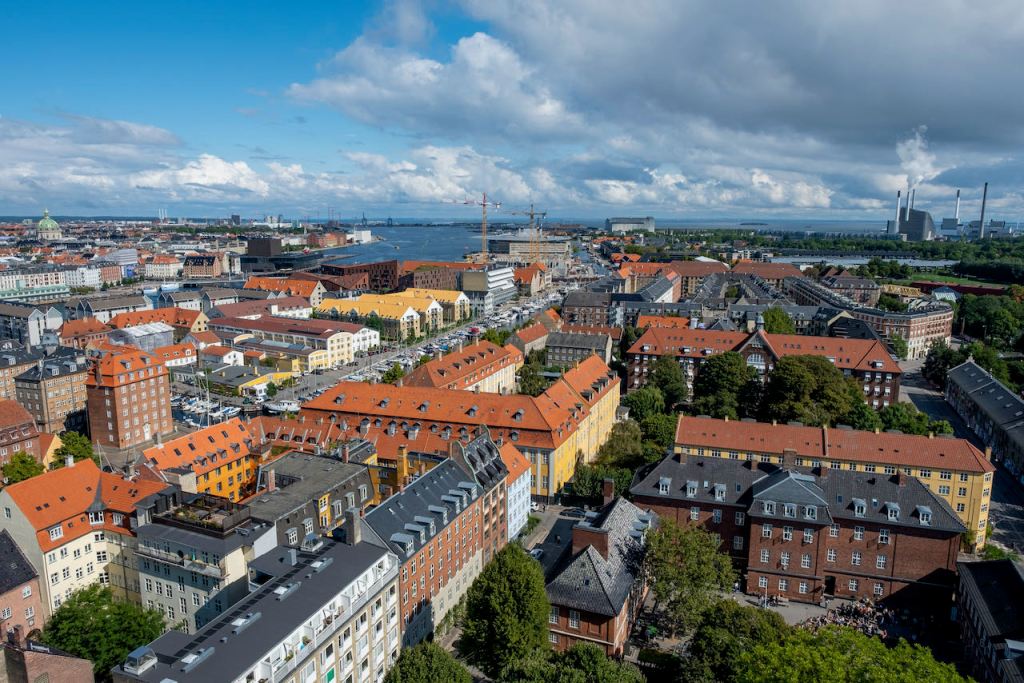
- Copenhagen architecture. Copenhagen looks like Amsterdam, Stockholm and Gdansk merged into one. At the same time it still has many unique spots with new buildings which are modern and sustainable, but still relate with their design to historic buildings of the city.
- Luisiana modern art centre. I’m not a big fan of modern art museums, but this one I enjoyed a lot. I think it’s a matter of good descriptions which explain very well thought behind each exhibit. Clear topics of the exhibitions also help in understanding their purpose and goal.
Best things to eat
In Copenhagen you can find a lot of very good restaurants and cafes with speciality coffee. Outside of Copenhagen it’s a little bit harder to find different food than pizza, seafood or burgers, but you can always relay on Danish bakeries for less heavy food.
In general, while in Denmark you need to try at least these 4 things:
- Cinnamon rolls / Cardamom buns. They are extremely tasty. Especially if you eat them warm straight from the bakery in the morning. We ate really a lot of them – it’s hard to stop yourself!

- Smørrebrød – typical Danish “sandwich” made on the base of the dark bread with different cold cuts on top of it.
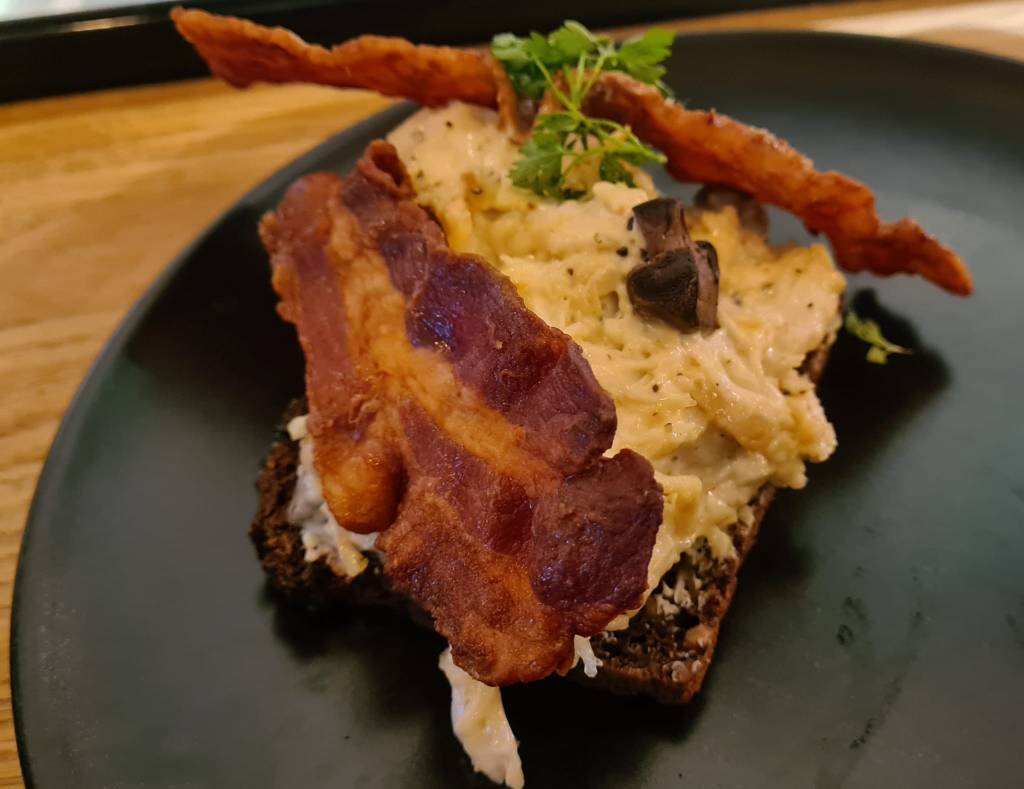
- Sandwich with Frikadeller. Meatballs are a dish on its own, but often you can find sandwiches made with them and with red cabbage. It sounds weird, but it’s extremely tasty!
- Remoulade sauce. It’s not really a dish on its own, but this sauce is still one of a kind. It’s so tasty that often you will eat some food only because remoulade is inside it!
Few interesting information about Denmark
Denmark together with Sweden and Norway are part of region called Scandinavia. Often people treat Finland and Iceland also as Scandinavian countries, but this is not really correct – these countries next to Scandinavian ones constitute together “Nordic countries”. It’s interesting to know that for around 126 years all Nordic countries were unified under the same king in “Kalmar union”. As Denmark was the dominant country in this union Sweden decided to leave the union. This left Denmark and Norway integrating even more with each other and creating multinational state that survived until 1814 (over 400 years!) when after Napoleonic wars Denmark (ally to France) was forced to transfer away Norway to Sweden. This history is a reason why Faroe Islands and Greenland are nowadays autonomous parts of kingdom of Denmark. Initially, together with Iceland, they were colonies of Norway and as such they joined Kalmar Union in 1397. However, when Denmark was forced to give away Norway, they kept Faroe islands, Iceland and Greenland as a part of kingdom of Denmark. As it was quite unfair, Norway tried to unsuccessfully contest this decision in court in 1930s.
Nowadays Denmark is a modern economy with one of the highest GDP per capita in the worlds. Main industries are agriculture, shipping and pharmaceuticals. Most known companies include Maersk, Lego, Carlsberg and Novo Nordisk. Thanks to its strong economy, Denmark has good welfare system and people in Denmark are very conscious about keeping their work-life balance (you can hear legends about people leaving work very early or working only a few hours a week).
Costs of travelling in Denmark
Unfortunately, Denmark is really expensive country to visit. I thought that after Amsterdam no city will be expensive for me, but I was negatively surprised with prices in Copenhagen. One of the reasons behind it is that Denmark does not use Euro – they still have their own currency – Danish crown. In total, together with car rental and hotels, we spent around 850 EUR per person, but this was less than 5 days of visit!!!
Example of prices:
- Attractions – 15 – 20 EUR per person
- Sandwich – 5 EUR
- Dinner outside Copenhagen – 15-20 EUR per person
- Dinner in Copenhagen – 20 – 50 EUR per person
- Coffee – 2,5 – 4 EUR per one
- Accommodation – 35 to 80 EUR per person
- Car rental (one of the cheapest cars at AVIS) – 400 EUR per 5 days for the car (without fuel)
Itinerary
In order to be efficient with our traveling, we decided to rent a car. This is really good idea if you are visiting places outside Copenhagen, but if you are in the city, it’s really problematic – parking is extremely expensive!
- Day 1: Land in Copenhagen, rent a car and drive all the way to Skagen with Rubjerg Knude visit
- Day 2: Skagen, Råbjerg Mile, Grenen, Aarhus, Lego House, Odense
- Day 3: Forest tower, Stevns Klint, Copenhagen
- Day 4: Louisiana Modern Art Center, Frederiksborg Castle, Copenhagen
- Day 5: finishing Copenhagen and flying back
Day 1: Copenhagen, Skagen and Rubjerg Knude
We arrived around noon in Copenhagen and decided to immediately drive all the way to Skagen, which is located in the northernmost point of Denmark. This was quite a long drive, but we were very positively surprised by the car we got – even tough it was one the cheapest category of cars at AVIS we got BMW 120d M series, which is normally rather expensive. This made the whole drive much nicer.
Rubjerg Knude
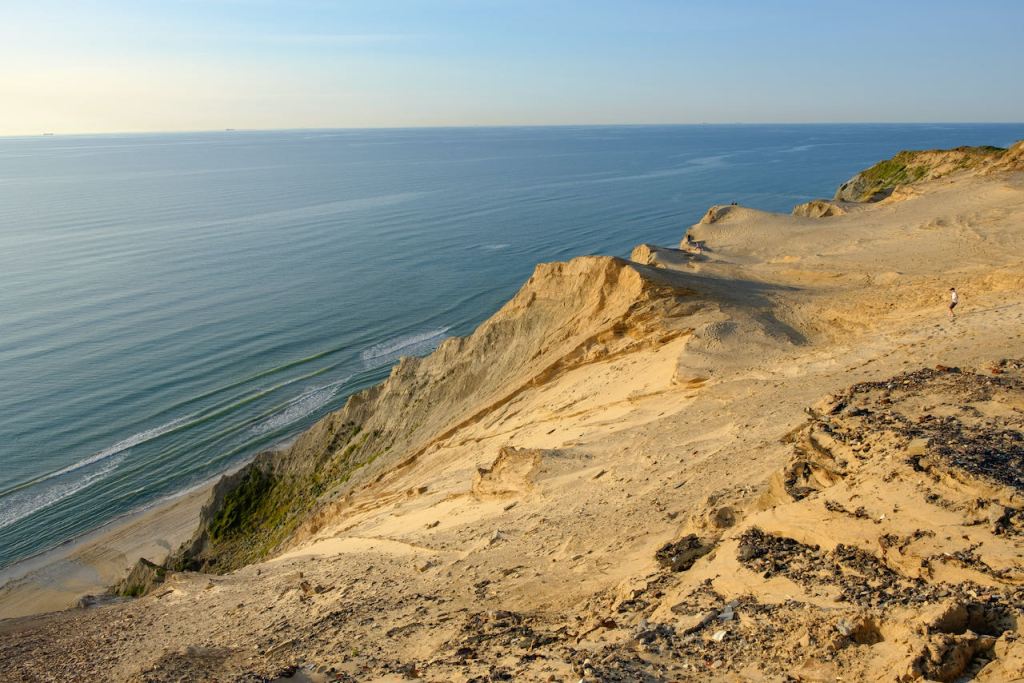
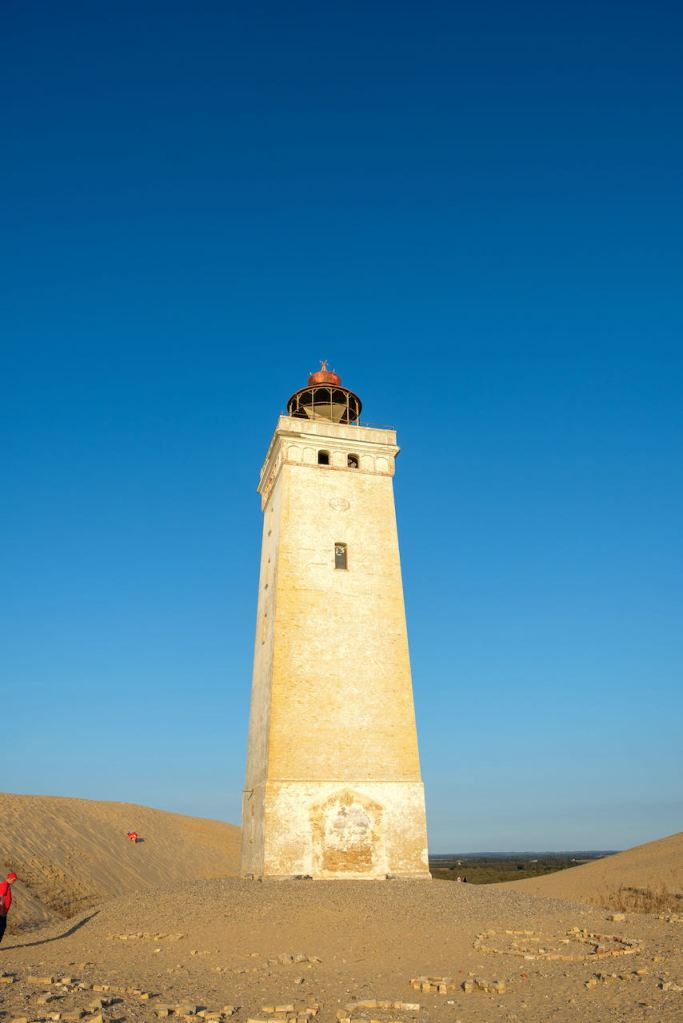
On the way to Skagen we visited lighthouse buried in the sand. It was already late afternoon, so the light was beautiful and pictures were much nicer than normally!
Skagen
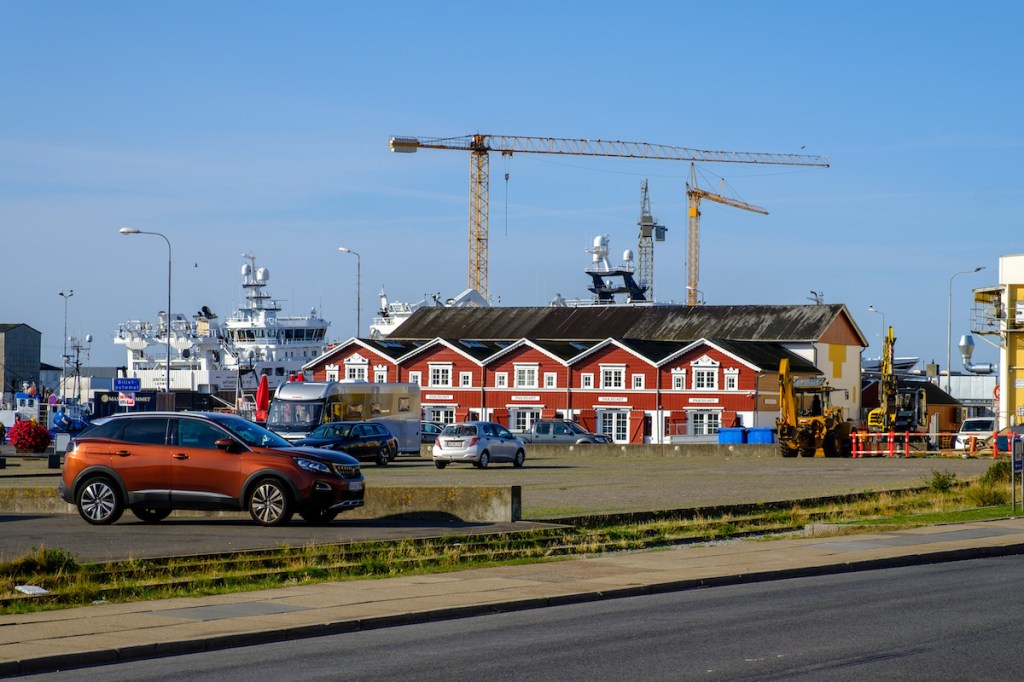
As we arrived quite late in the night we didn’t visit much of Skagen – we only got to our accomodation. This was adventure on its own as we booked airbnb, which turned out to be a lonely old cottage house in the middle of the small forest. It looked like a horror movie and I must admit I was quite happy to wake up in the morning in one piece 😉
Day 2: Skagen, Råbjerg Mile, Grenen, Aarhus, Lego House, Odense
On the second day we saw Skagen and immediately started driving into the direction of Odense visiting quite some places on the way.
Skagen
A city in the northernmost part of Denmark. It’s quite popular among Danes for holiday purposes (nice beaches), but we were a little bit disappointed – tourist attractions were not really that interesting and city itself was very small. If I would make itinerary one more time, I would skip this part of Denmark.
Råbjerg Mile
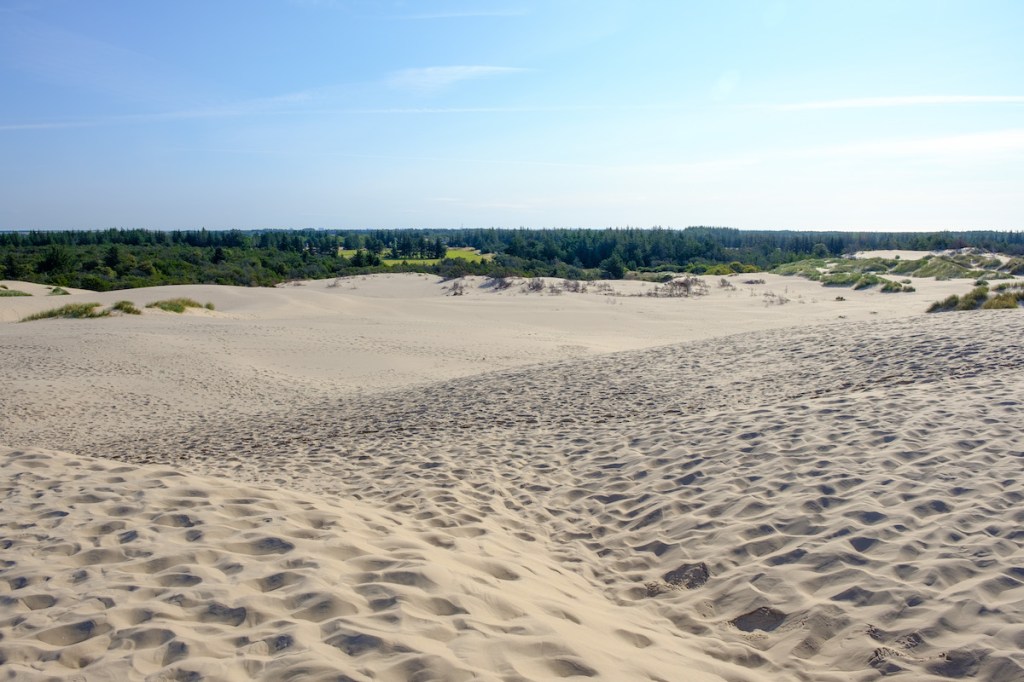
One of the biggest sand dunes in Europe. Nice to make 45 minutes walk, but at the end it’s not that impressive.
Grenen
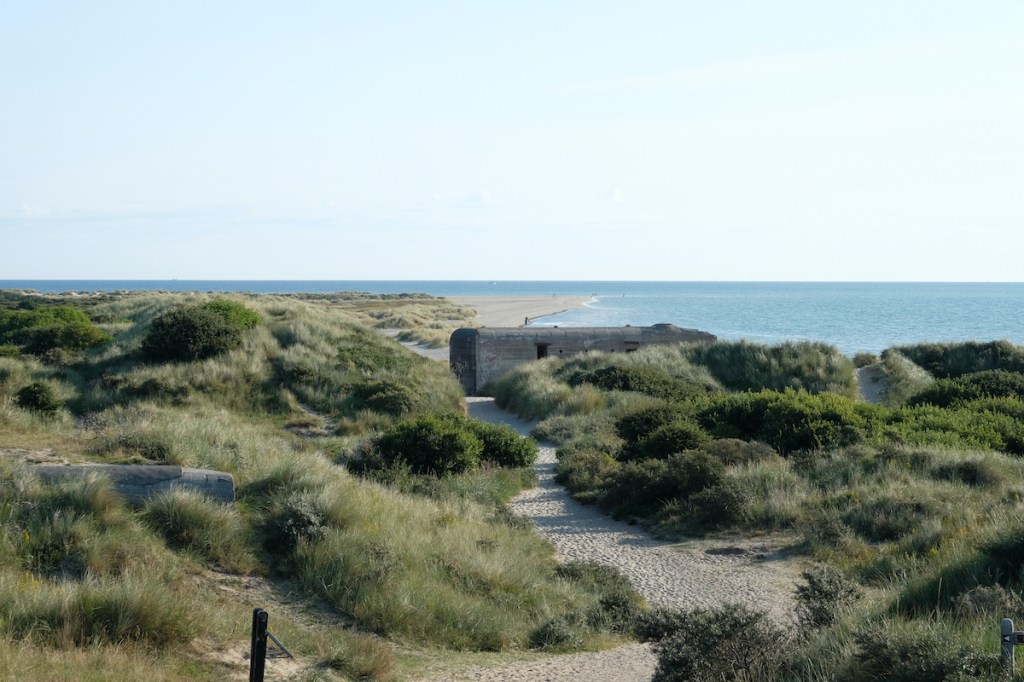
The northernmost point of Denmark. It’s a nice beach, but again – nothing really that impressive about it. We didn’t even walk till the end of it.
Aarhus
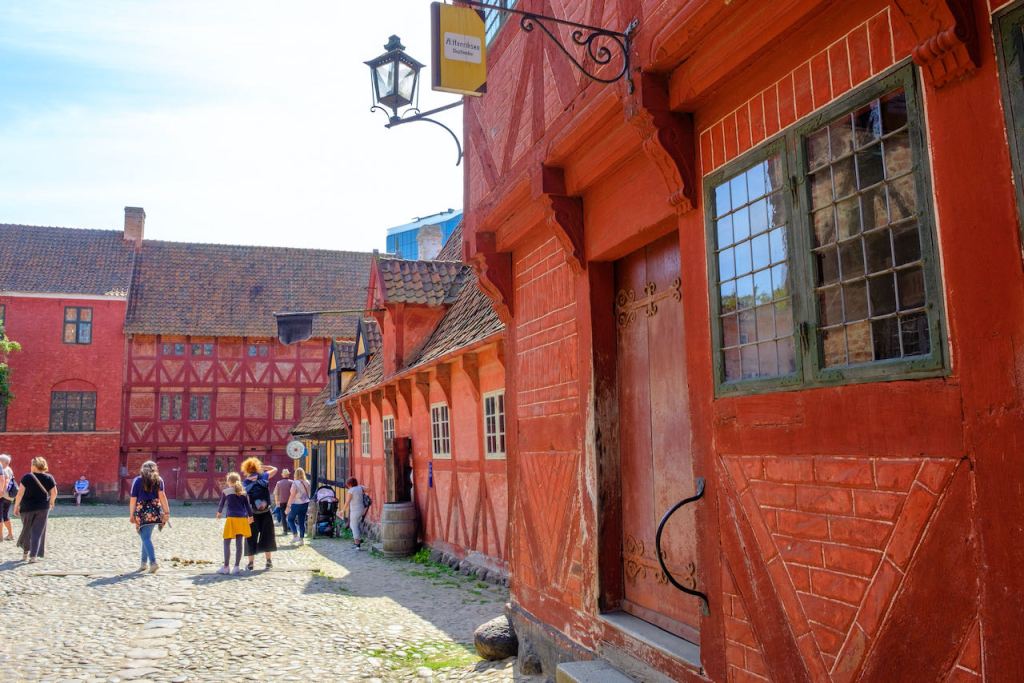
Academic centre of Denmark and one of the bigger cities. There are 2 main attractions there – modern art museum with rainbow walk and Den Gamle By – open-air museum presenting traditional Danish architecture and lifestyle. We saw modern art museum only from outside, but we spent quite some time in Den Gamle By instead – it was interesting to see how Denmark used to look like.
Lego House
If you want to see Lego attractions you need to drive to Billund, where Lego headquarter is located. It’s a small city and it’s quite impressive that Lego company stayed here for all these years – starting from wooden toys manufacturer all the way to the one of the biggest toy manufacturers in the world and real icon of Denmark. To be very honest whole Billund architecture style is somehow related to Lego bricks.
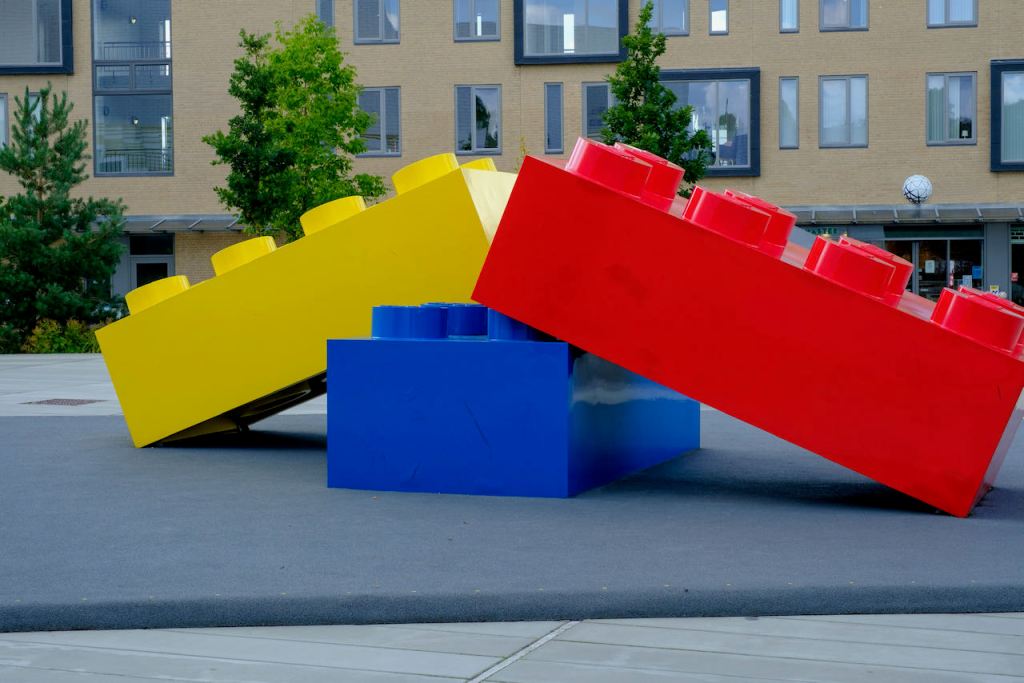
There are 2 places you can visit in Billund – Legoland and Lego House. First one is the old and traditional amusement park with rollercoasters and other attractions, while the other one is more focus on the experience of playing with Lego bricks. We only visited Lego House and we were very happy with the choice – it was throwback to our childhood. We even got a pack of freshly made Bricks straight from Lego producing machine!
Odense
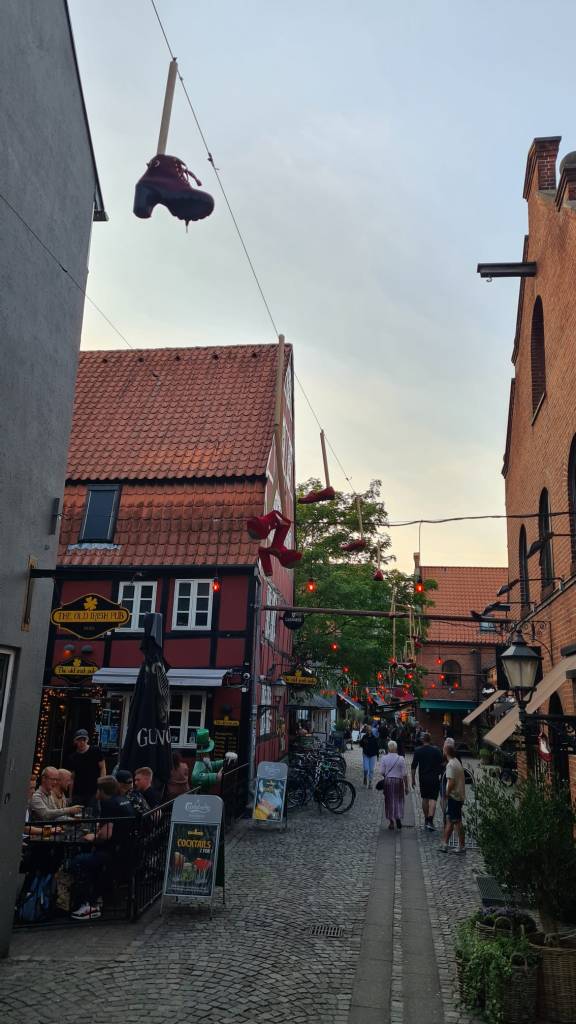
4th biggest Danish city and home of Hans Christian Andersen, author of famous children stories. It is really cozy and cool city with well-maintained centre. We really enjoyed walking around and eating dinner there.
Day 3: Forest tower, Stevns Klint, Copenhagen
On day 3 we finally made our way back to Copenhagen. On the way we visited Adventure Camp with famous Forest Tower and later Stevns Klint cliffs. Unfortunately, weather was rainy, so we couldn’t really enjoy these places to the fullest.
Adventure Camp Forest Tower
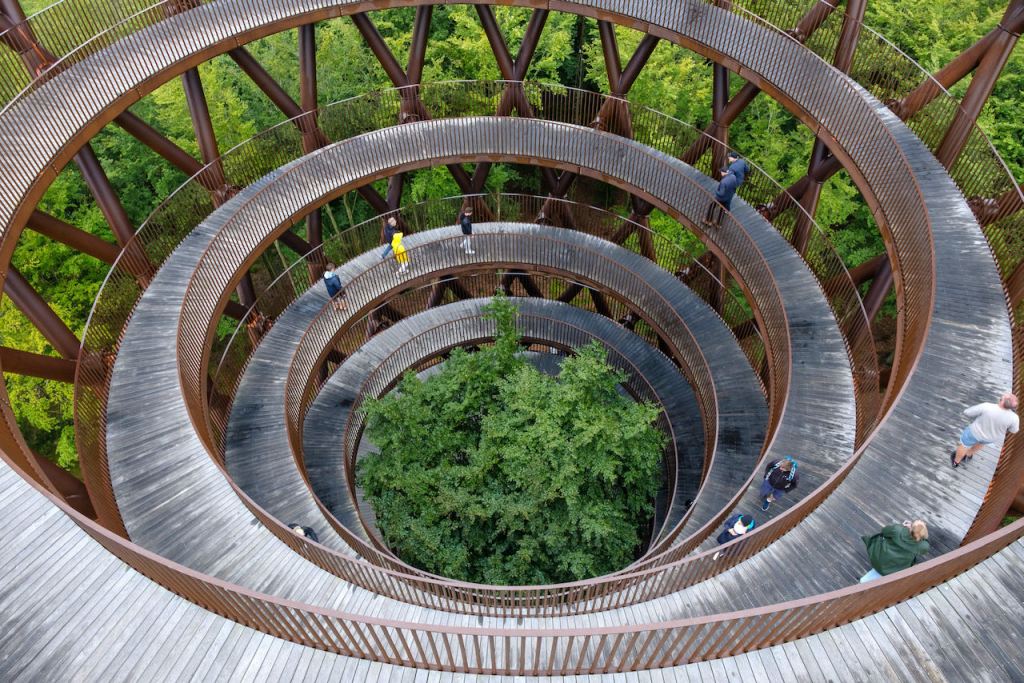
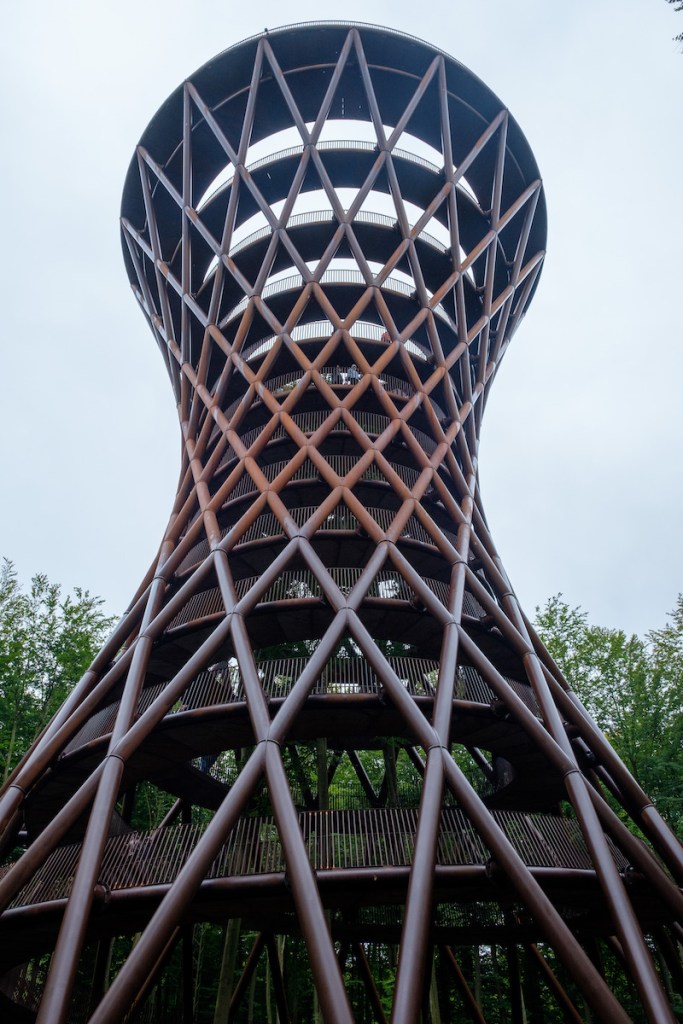
Relatively new attraction located around 1 hour drive from Copenhagen. It’s a nice walk in the forest with a tower in the middle. This tower has unique circular shape of hourglass. You can get to the top – view from there is nice, but it’s mainly forest. Walk itself takes around 45 minutes (including climbing the tower), but if you want to spend more time there you can book also other attractions (zip-lining, bouldering, etc.).
Stevns Klint
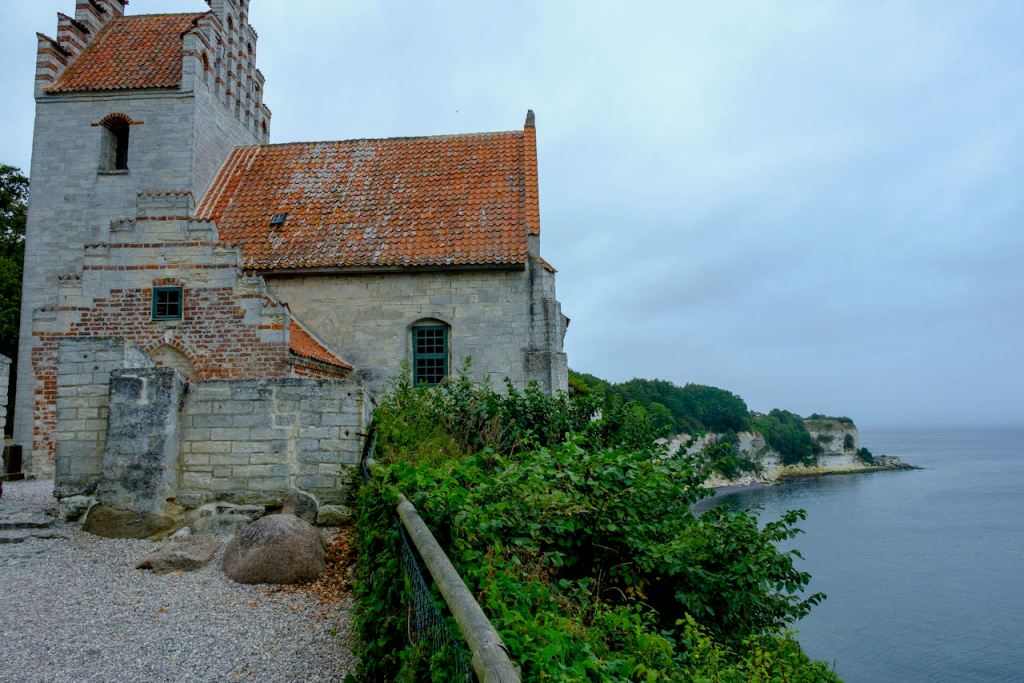
Chalk white cliffs with a long walking route, which are listed on the UNESCO list. The best way to experience them is to come to Højerup and see old church on the verge of the cliff (it looks like almost falling down) and then take a walk. Unfortunately, we didn’t really experience properly this place due to weather, but I can imagine it can be quite stunning view when it’s sunny.
Copenhagen
It was quite hard to find a parking spot in Copenhagen that was not extremely expensive – it is quite obvious that this city is made for the bikes not cars! Finally, we used EasyPark app and found that we can park in a cheaper zone and then take a walk to our hotel.
During the afternoon we still managed to visit several nice spots:
- Nyhavn (new port) – canal with colourful buildings at the waterfront and many restaurants.
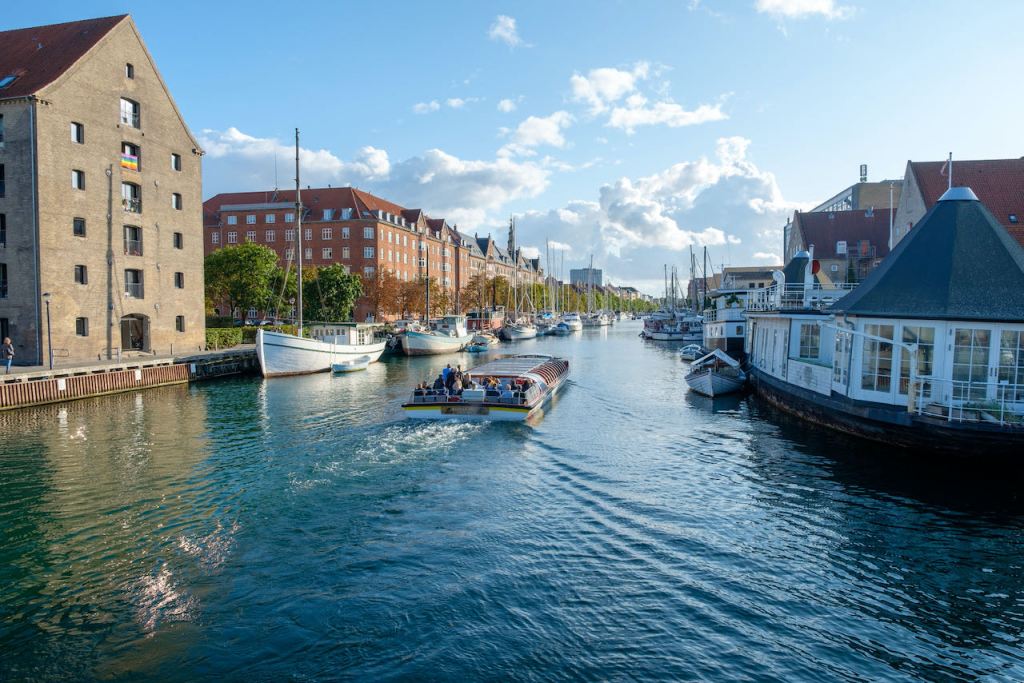
- Christianshavn – it’s a beautiful neighbourhood with both traditional houses and modern buildings. There are a lot of restaurants and open-air bars there – it’s really cool to sit there and enjoy the view over Copenhagen’s waterfront.
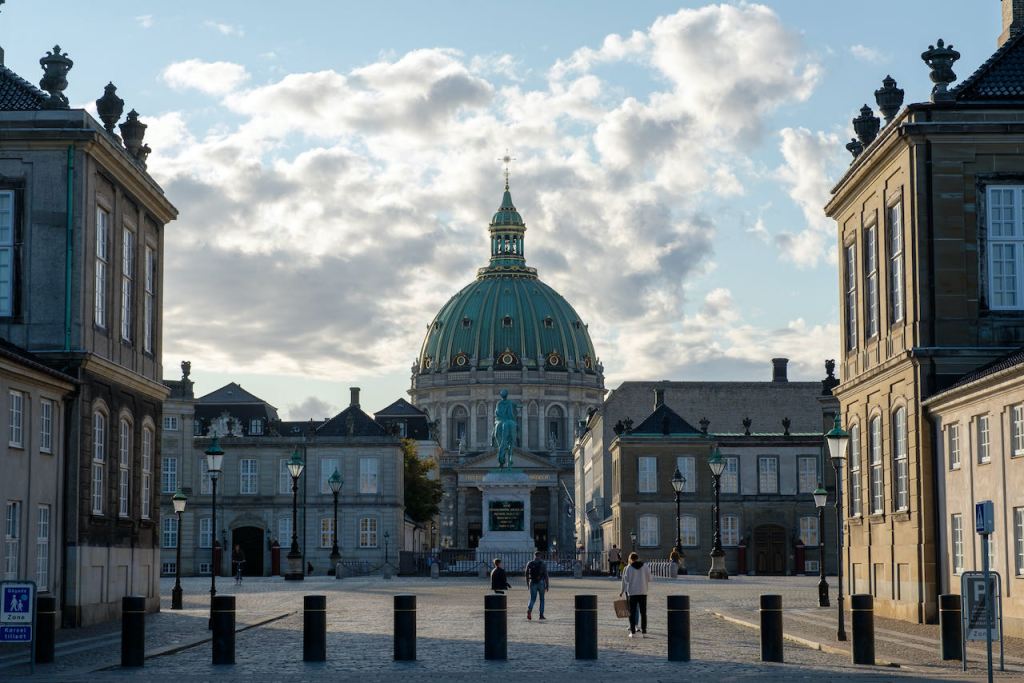
- Amalienborg palace and Frederik’s Church – both of them are nice looking buildings, but I don’t think it’s needed to go inside.
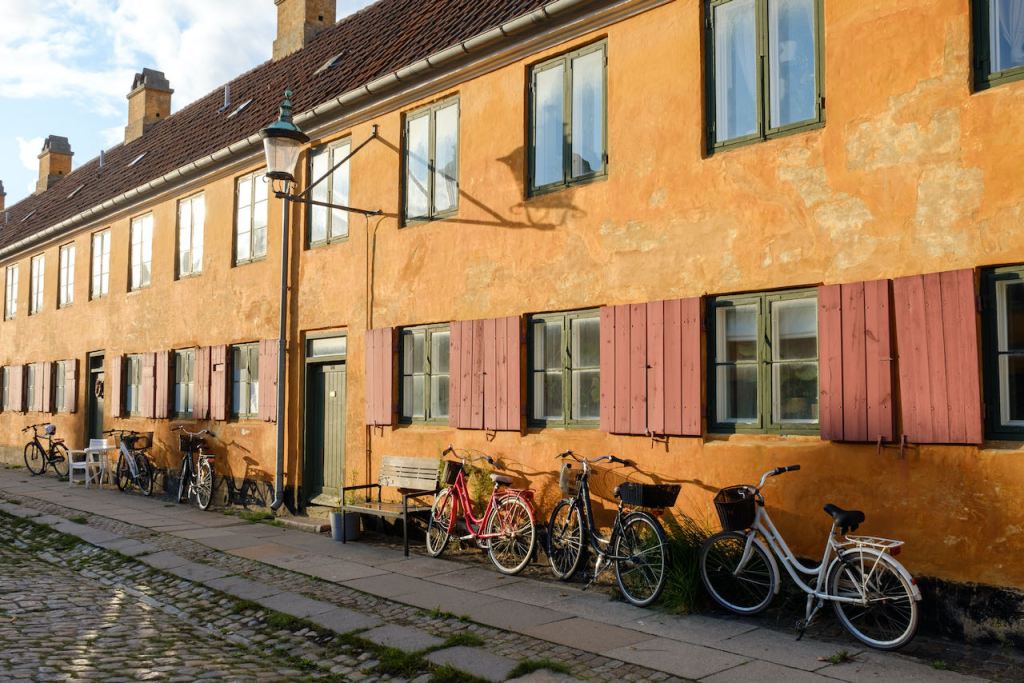
- Nyboder – 17th century old houses painted in yellow that are used as an accommodation for people employed by the government.
Day 4: Louisiana Modern Art Center, Frederiksborg Castle, Copenhagen
On the next day we started by driving to Louisiana Modern Art Museum and on the way to Copenhagen we stopped by Frederiksborg Castle. Once back in the city we finished many things we didn’t manage to see the day before.
Louisiana Modern Art Center
I usually don’t like modern art museums, but this one I really enjoyed as clear themes of exhibitions and short descriptions of exhibits helped me a lot in understanding what I’m looking at.
In general there are 2 ways to get to Louisiana – either by car or by bus. It’s around 45 minutes drive, but be aware that most of the days it opens only from 11:00.
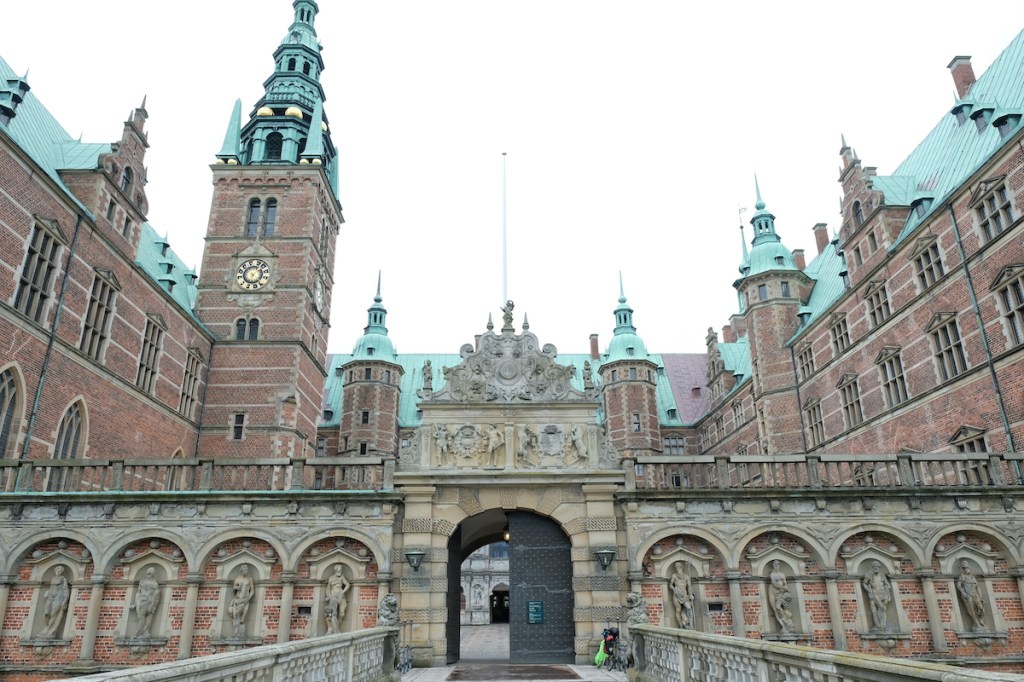
Frederiksborg Castle
This castle looks very nice from outside, but after previous trip to Austria we had enough of castles and decided not to go inside.
Copenhagen
During our second day in Copenhagen we managed to visit remaining parts of the city:
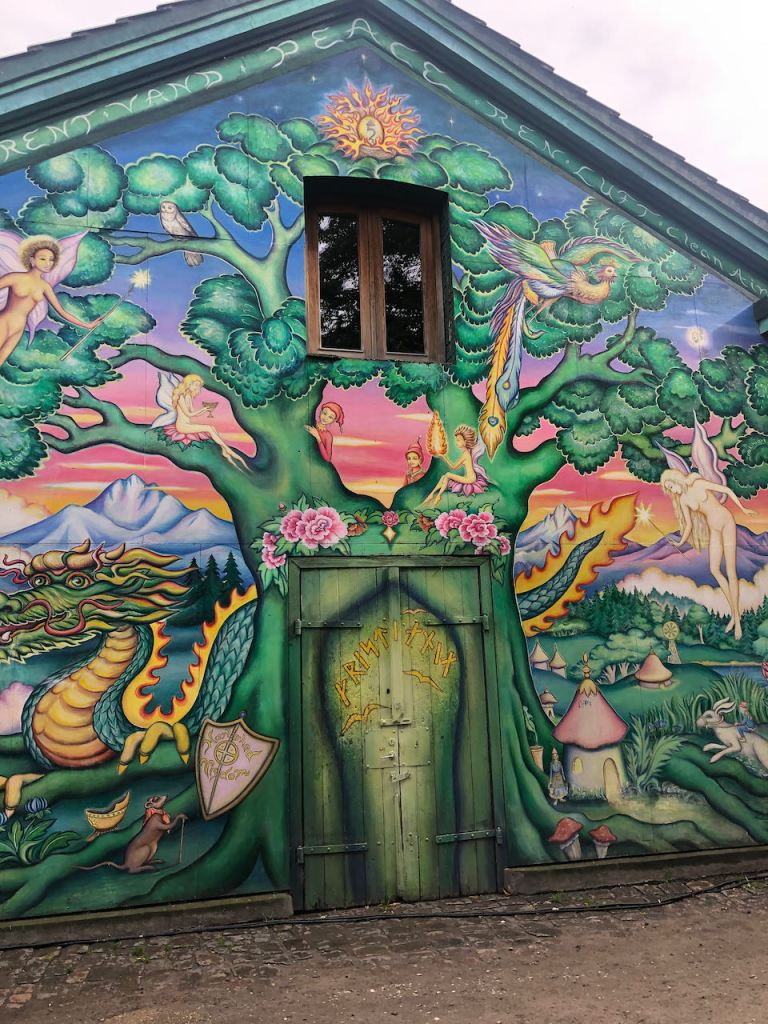
- Free Town Christiania – old army buildings that are occupied by anarchists, who claimed this territory free of any government. Surprisingly, Danish government does not really enter this place, so in some sense it is anarchist utopia. Thanks to lack of police it is possible to buy here weed or other drugs. In general we felt not fully safe as the place is full of drug addicts and shady people, however we even saw mothers with children passing by without any problem. So I guess it was more our perception. Important! Do not take photos inside the zone – due to illegal drug trade happening there people may be really aggressive if you do it.
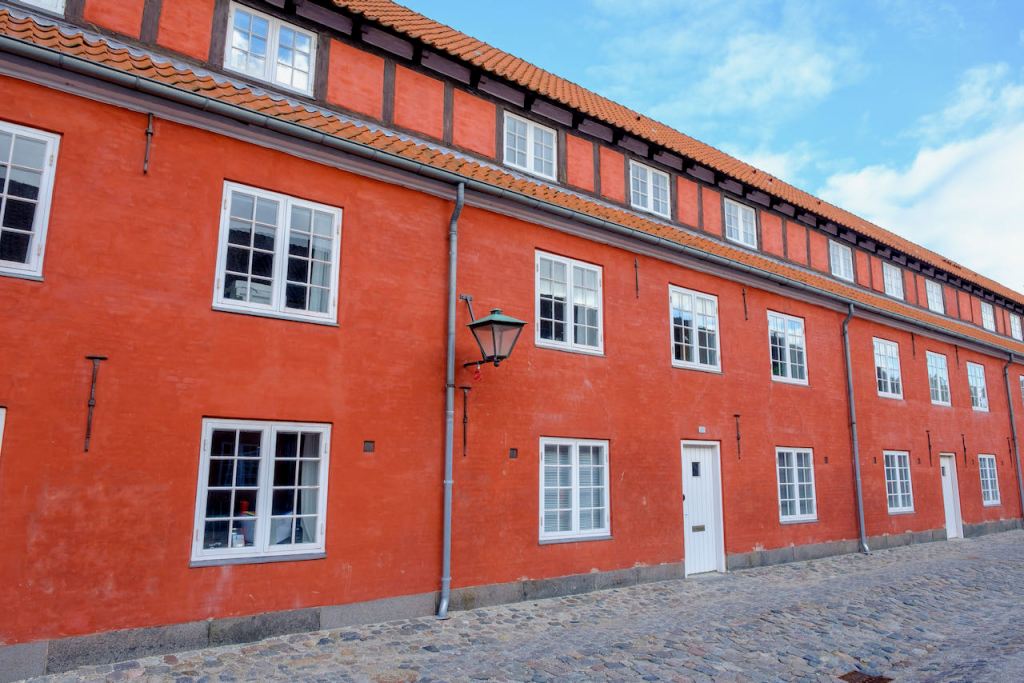
- Kastellet fortress – open-air fortress in the middle of the city. Inside there are old red buildings used as houses for military personnel. There are soldiers at the entrance, but you can normally go inside. It’s also worth to take a short walk around the fortress’s walls.
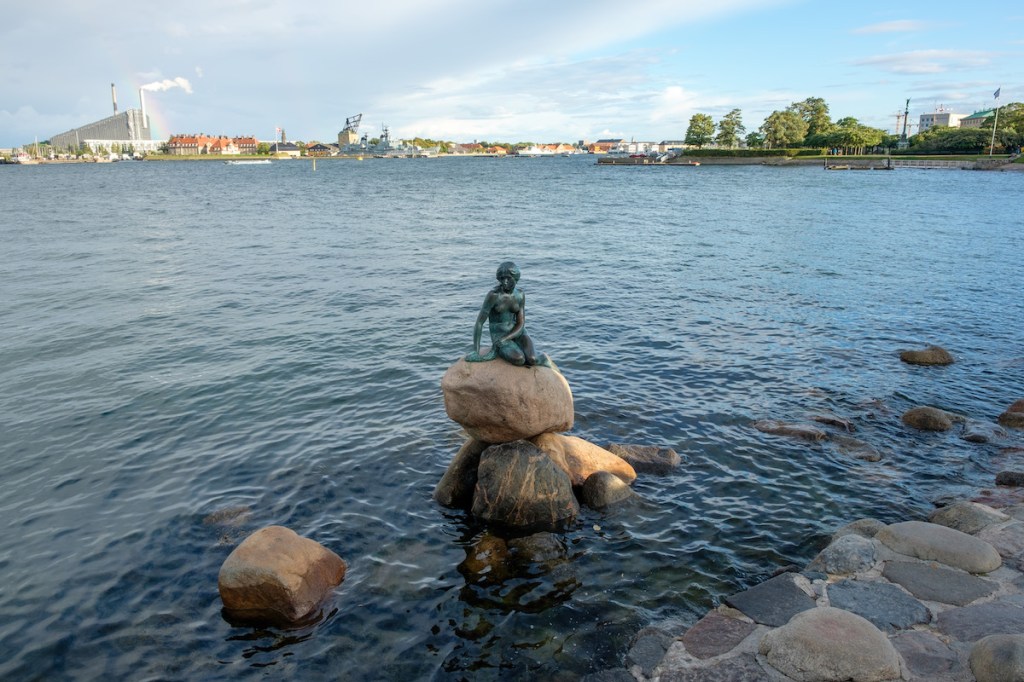
- Little mermaid sculpture – tribute to the works of C.H. Andersen. Be careful with using Google Maps for finding this spot – it is pinned in a wrong place and you will walk quite a long distance in a wrong direction!
- Langelinie and Nordhavnen – this is the new part of Copenhagen with many new modern style buildings. Not really a touristic spot, but if you are strongly into modern architecture, you may enjoy the place!
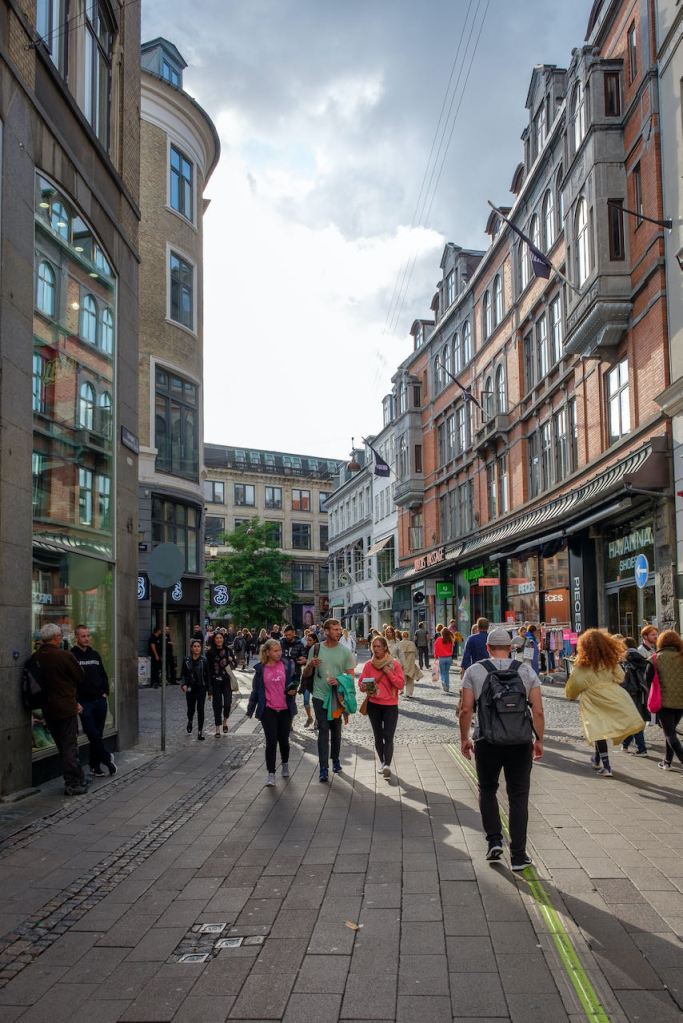
- City centre – it’s hard to pinpoint centre of Copenhagen into one place, but there are many shopping streets in the centre of København K. It’s really nice to walk around and get the vibe of Copenhagen slow-life!
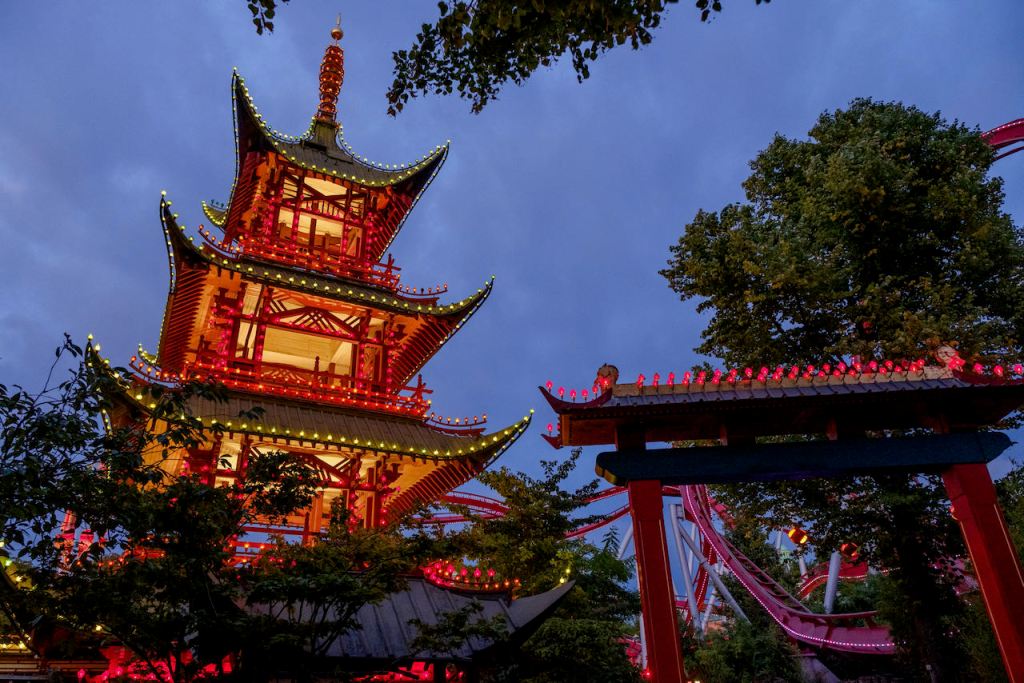
- Tivoli gardens – one of the oldest amusements parks in Europe dating back to 19th Century. It’s quite surprising to have such a place in the middle of the capital city, but it has really cool vibe and is visited by many people every day. It’s also interesting to see how people in 18th century Denmark were imagining orient. Next to the garden there is also a food hall with several different restaurants.
Day 5: finishing Copenhagen and flying back
On the last day we ate breakfast, visited the last pieces of Copenhagen and drove towards the airport with a short stop at the CopenHill.
Meatpacking district
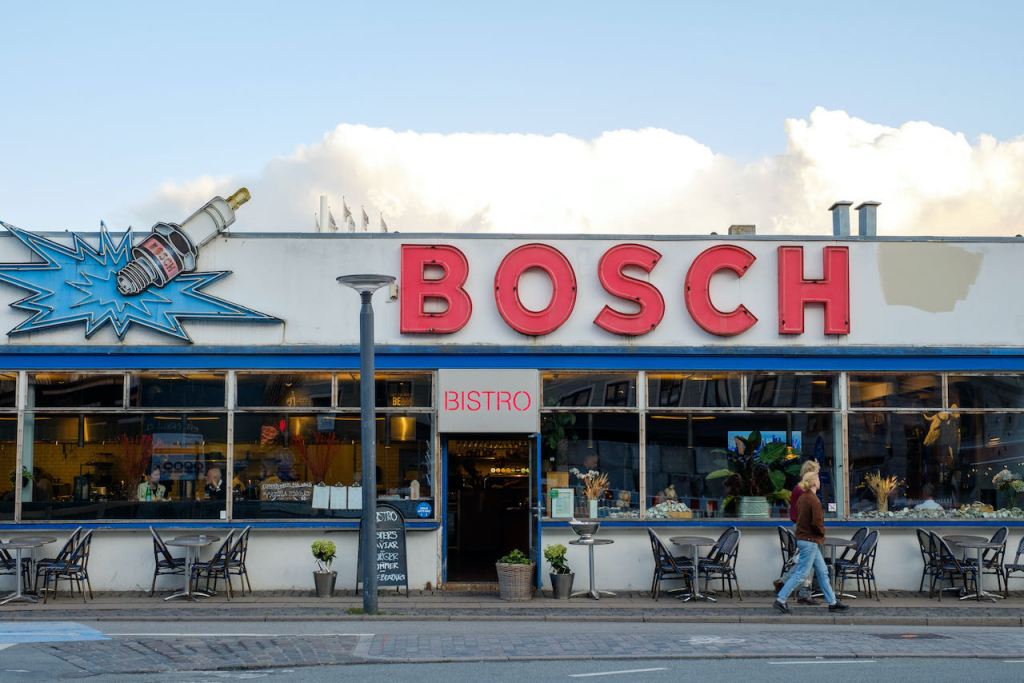
Revitalised industrial area with many unique restaurants and cafes. We ate breakfast there and grabbed speciality coffee for the walk back. It has really cool vibe and it’s probably worth visiting even more in the evening.
Church of Our Saviour
Church with famous tower, which allows you to get the best view over the whole Copenhagen. You need to book a slot, but it’s really worth visiting (unless you have fear of heights).
CopenHill
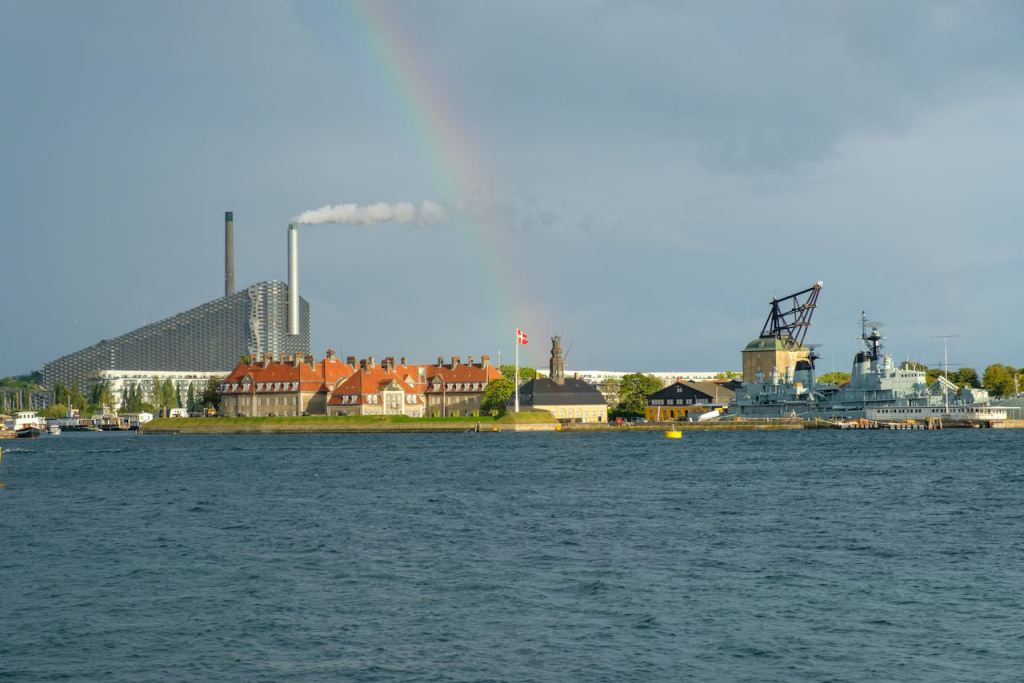
Super modern energy plant with unique design and ski slope at the top. It towers over the city and is visible from many different parts of Copenhagen, so thanks to its uniqueness is already treated as a one of the city landmarks. You can ski here both in winter and summer and if you are really adventurous, you can even climb on the highest climbing wall in Europe. It’s really amazing to see how Danes turned something so ordinary as a power plant into something interesting and useful for many different purposes.
Flying back
After few disappointments at the beginning of the trip we left with the feeling that Copenhagen fully made up for them. It’s really cool city and I have not been so impressed with any city since I had seen Amsterdam for the first time! I’m pretty sure that sooner or later I will be back there!