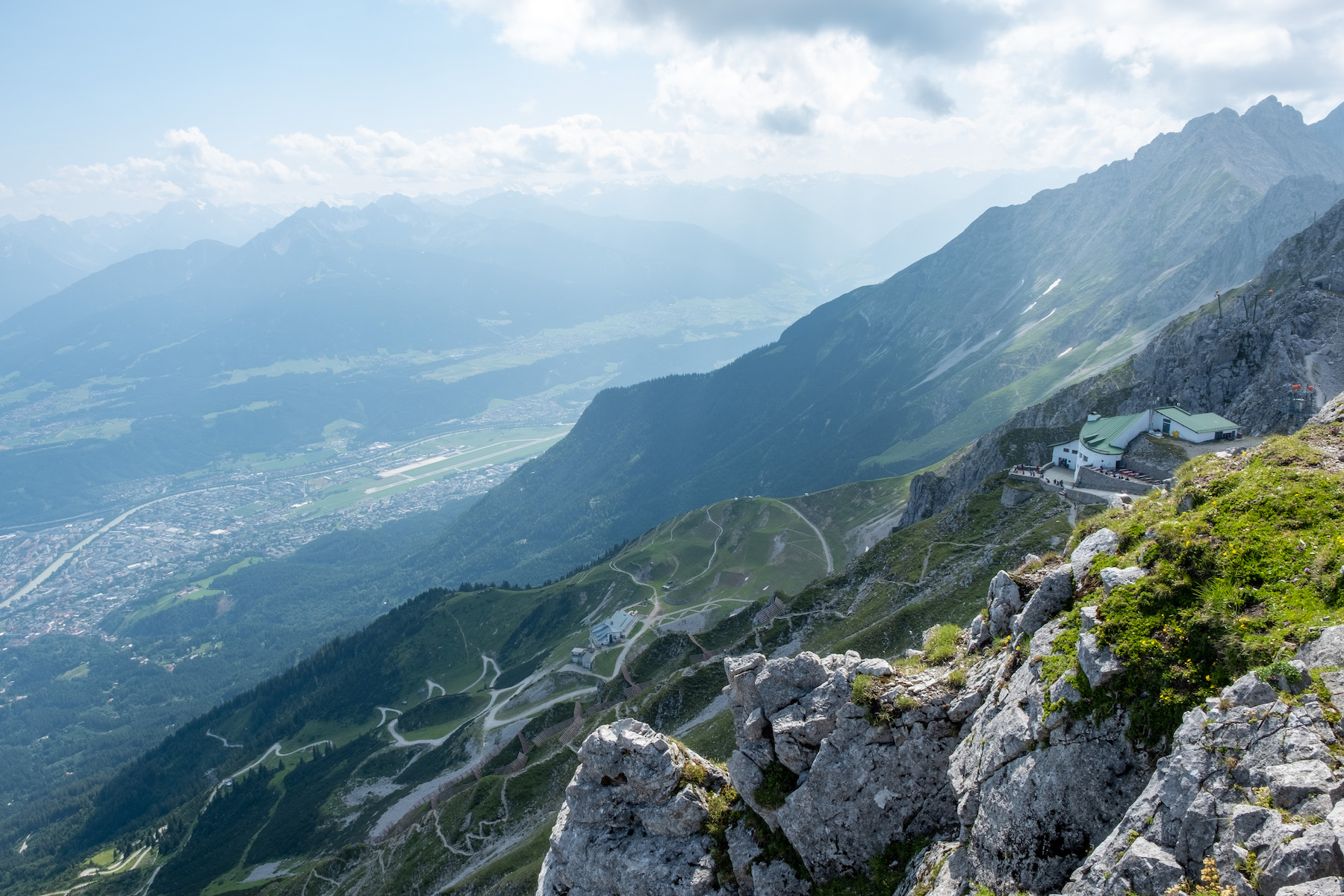
2021 has been much better year for travelling than 2020. Countries have finally opened up a little bit and we could travel within European Union rather freely. As a first destination for summer traveling we’ve chosen Austria – we really wanted to get back to mountains so Austria seemed like an obvious choice. I must admit I underestimated that country a little bit, but at the end I was positively surprised with all the amazing things we’ve seen there!
Why should you go to Austria?
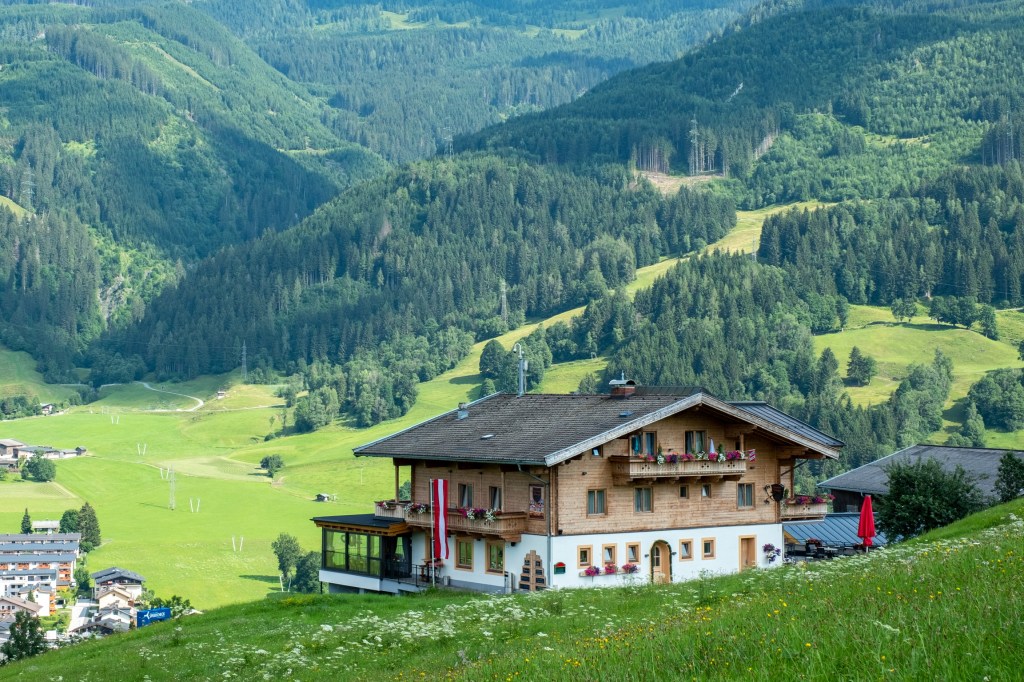
Next to Switzerland, Austria is one of the best European destinations if you want to see mountains. Alps there may not be as high as on the other side of the border, but they are still beautiful and offer many amazing views and hidden gems. Next to it, Austria used to be an empire during Habsburg era and thanks to that today you can enjoy a lot of museums, arts, historic buildings and interesting architecture. You will be surprised how many things are there to see in a such a small country!
Most of the people come to Austria only in the winter, but it’s really worth to get there also in the summer and see a little bit more than only ski resorts. And even ski resorts look way different in the summer!
Top things to visit in Austria
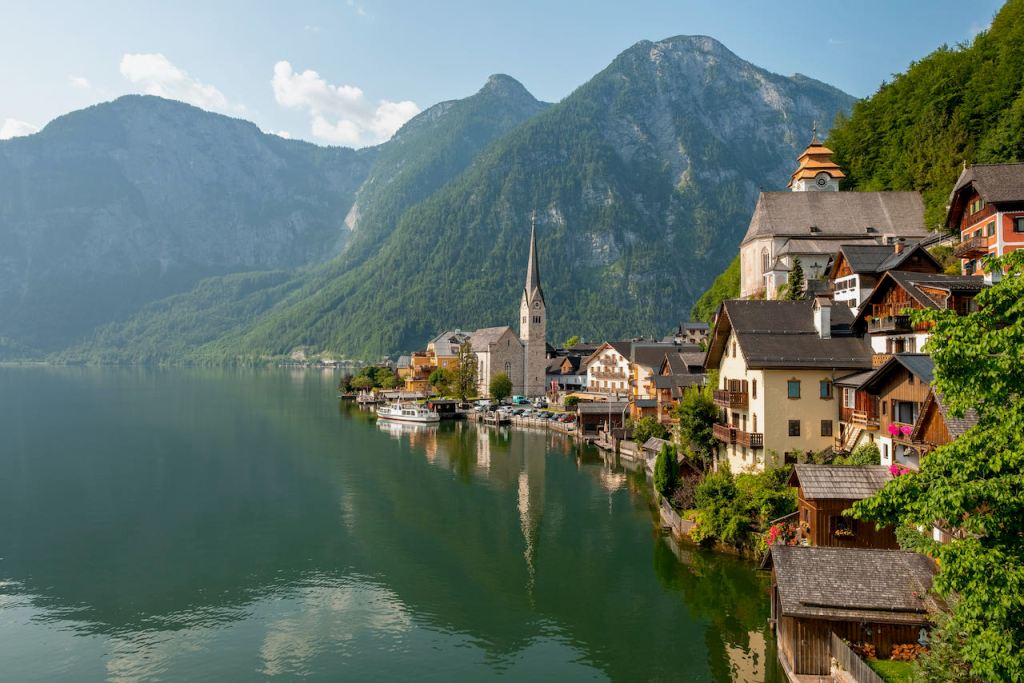
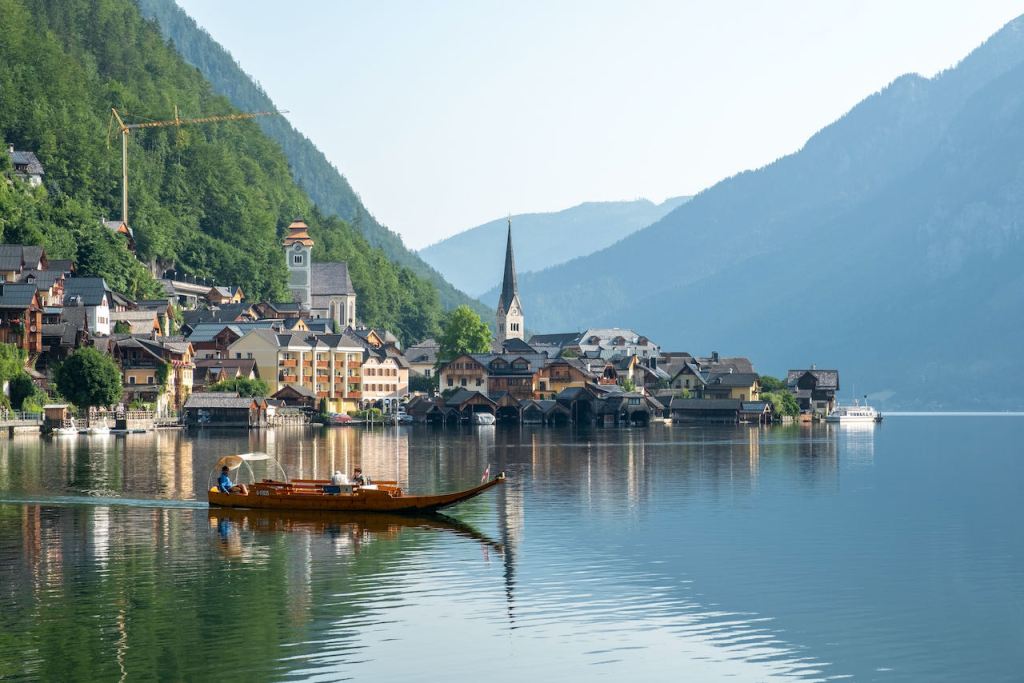
- Hallstatt. One of the most beautiful towns in Europe that almost no one knows about. It has a stunning location at the lake between mountains and a cozy vibe of a small and calm town. It’s really a hidden gem of Austria!
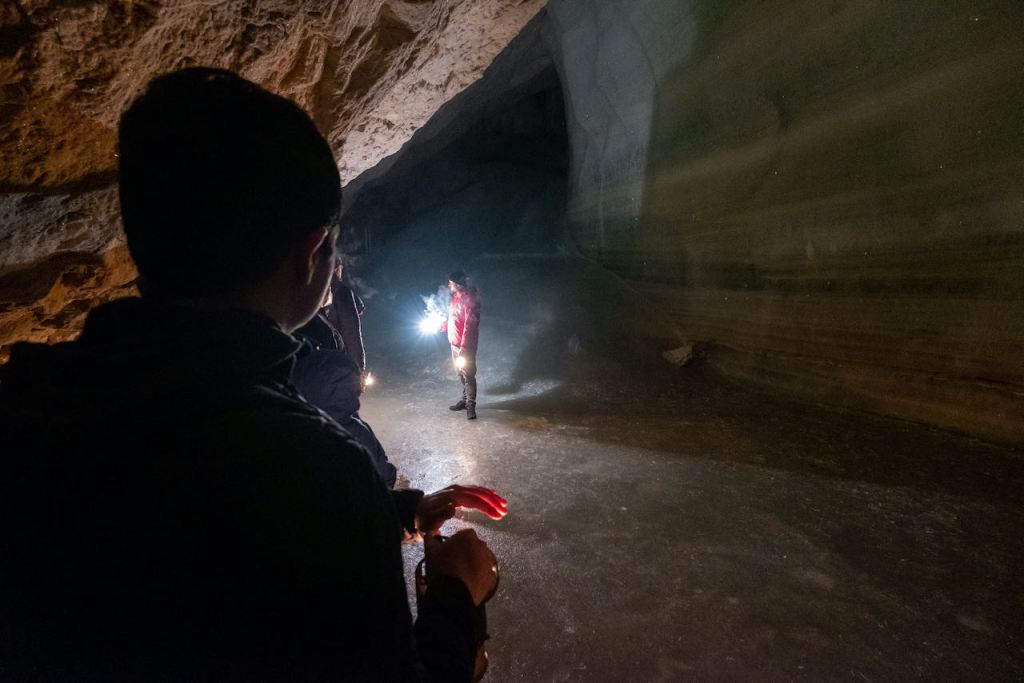
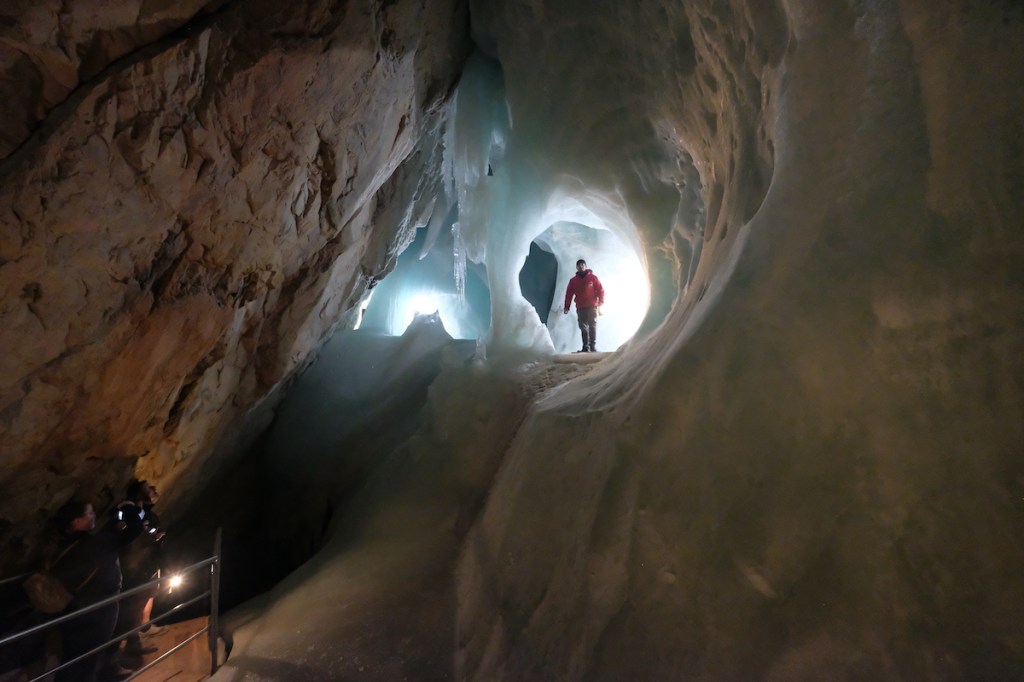
- Eisriesenwelt. The world biggest ice cave. This place is very surrealistic – you walk in a full sun getting overheated, then you enter a small door to a cave and all of a sudden you are surrounded by ice and the temperature is getting really low. This place is really mysterious and you will walk inside only with oil lamp as a source of light – this will give you a feeling of being one of the first explorers discovering the cave!
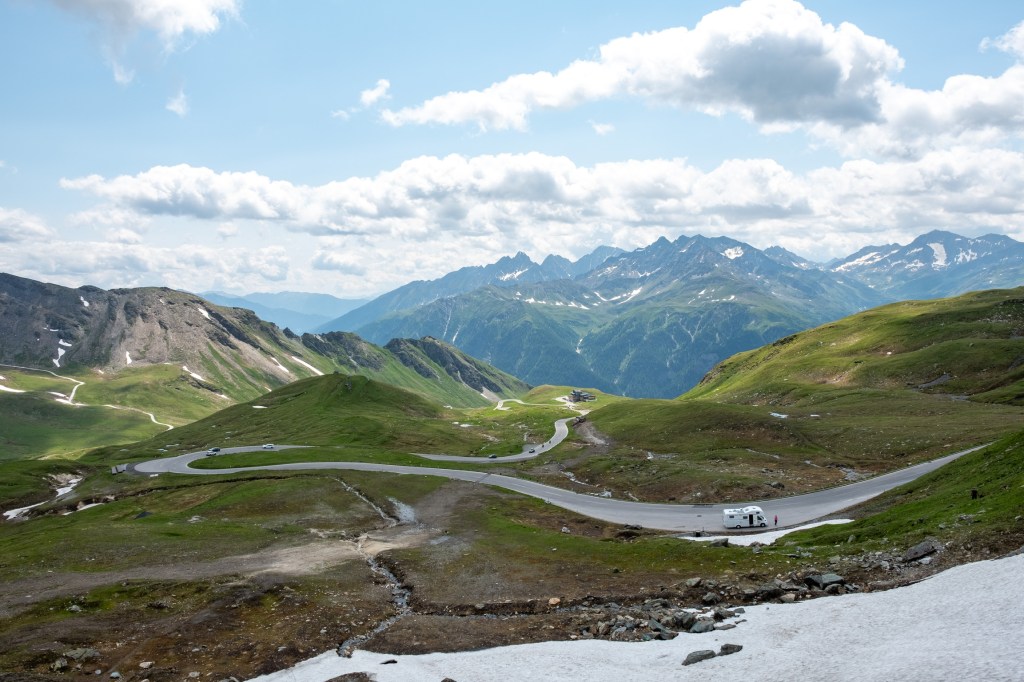
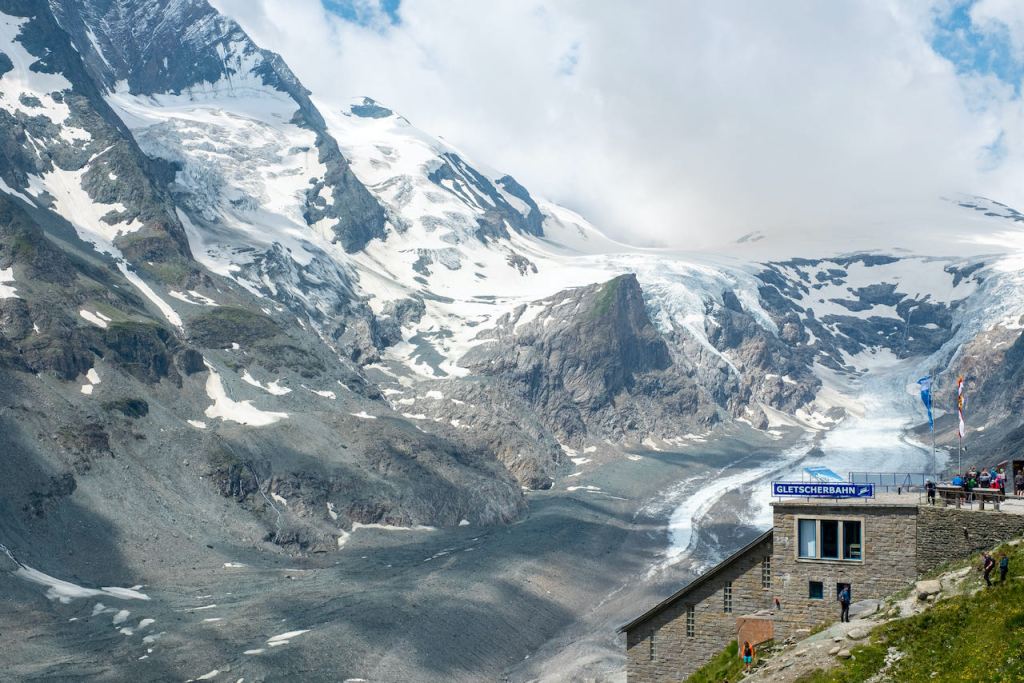
- Grossglockner alpine road. One of the highest altitude roads you can drive in Europe (top point is at 2500 meters). It offers stunning views and different landscapes throughout few hours of drive.
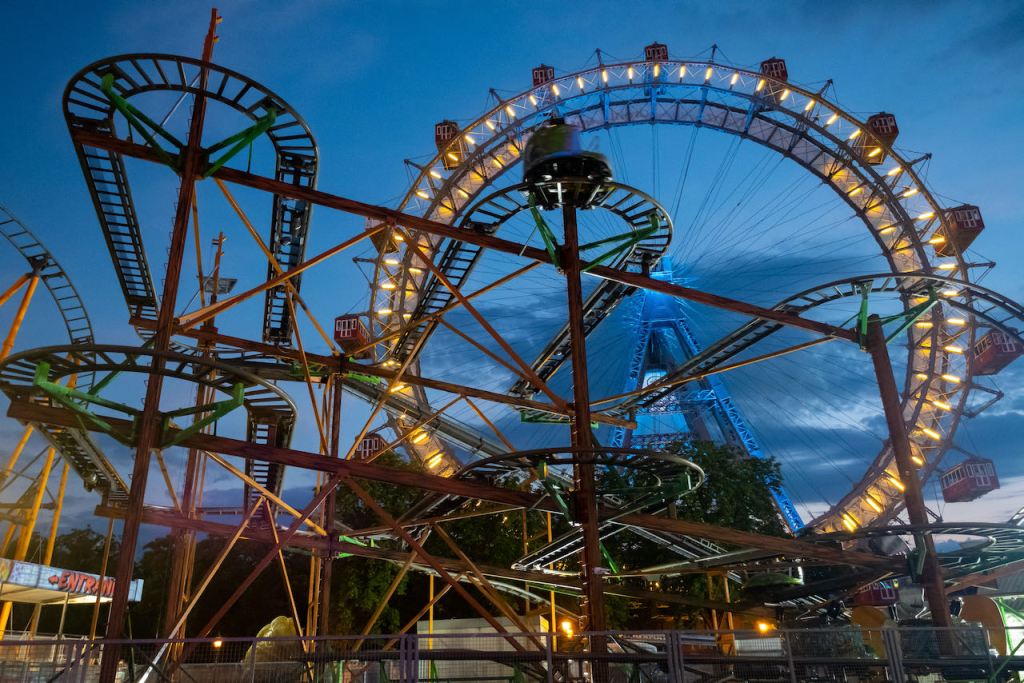
- Vienna. Old capital of a former empire, Vienna is full of interesting buildings, nice restaurants and art museums. And don’t forget about Prater – one of the oldest amusment parks in the world!
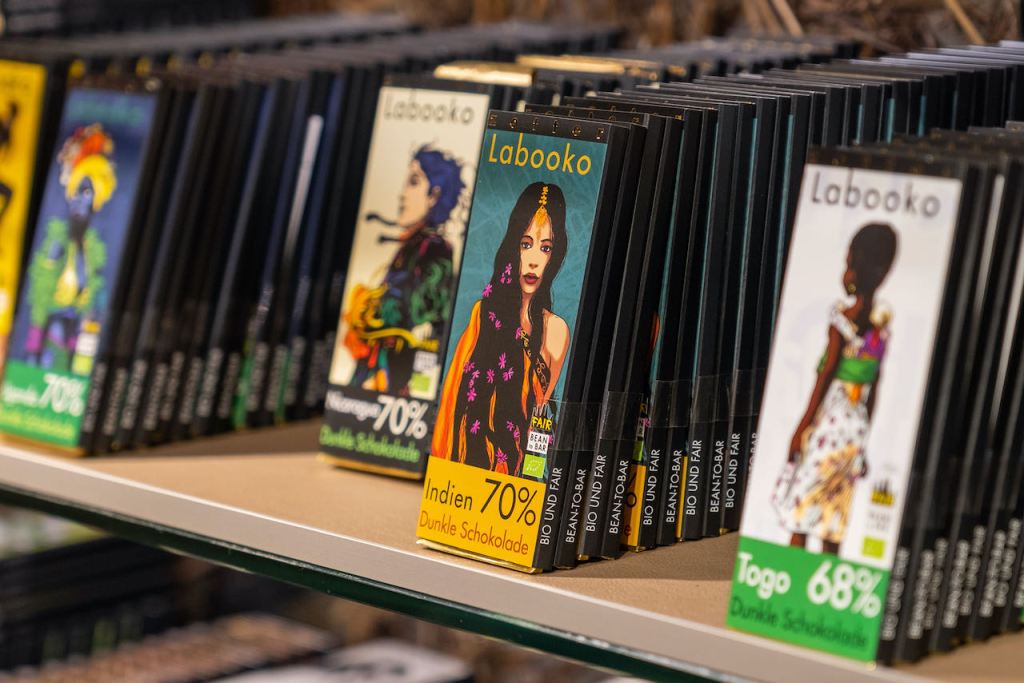
- Zotter chocolate factory. We found this place by accident (while looking for vineries), but it was one of the highlights of the trip – if you ever hoped Willy Wonka factory to be real – this place is really close to fulfilling your dream! Spoiler alert – you will have enough of chocolate for next several weeks as in the factory you can try over 500 different types of sweets.
Best things to eat
This one is rather easy – there are 2 things you need to eat in Austria – Schnitzel (type of pork chop) and Apfelstruddel (apple pie). But remember to order Apfelstruddel in a hot vanilla sauce!
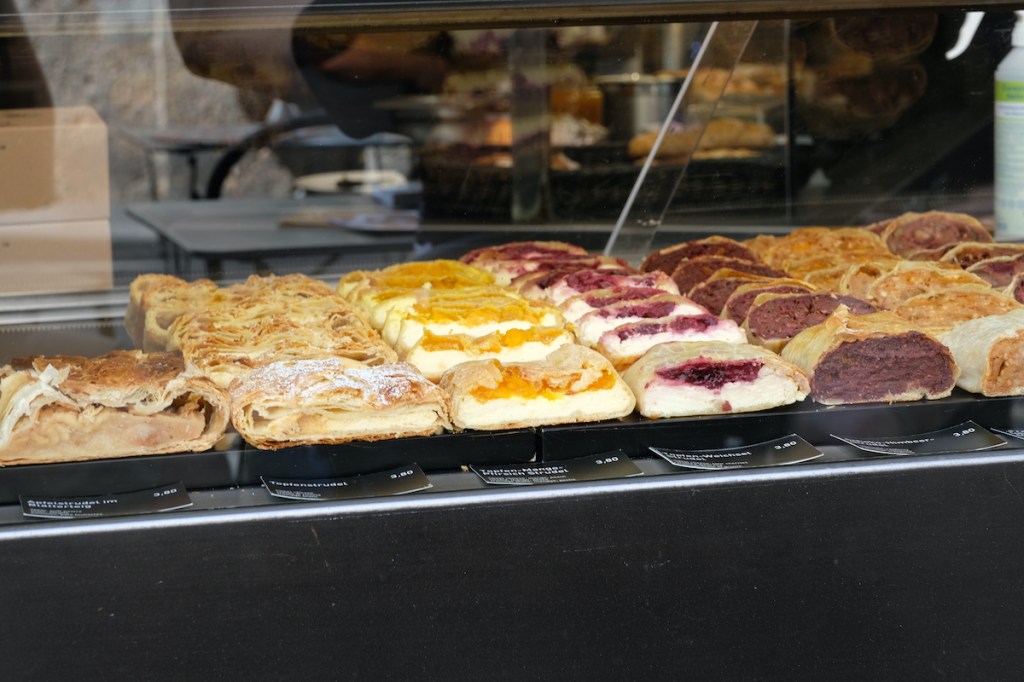
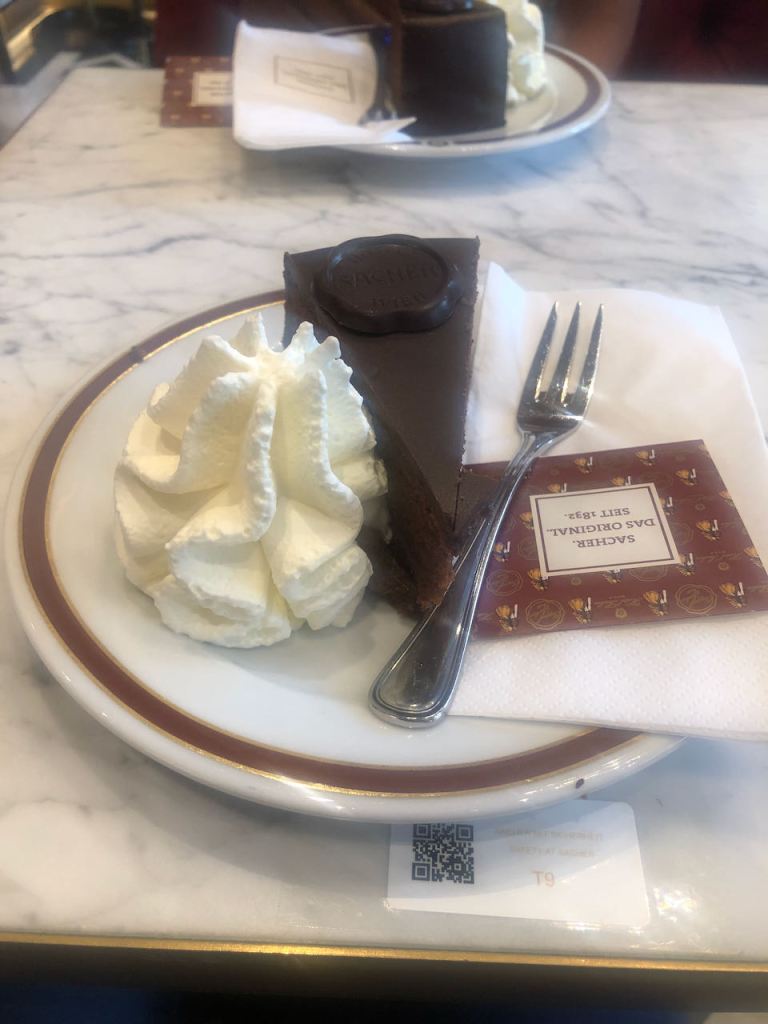
Additionally, when in Vienna you need to try famous Sachertorte (chocolate cake) and drink coffee in one of the many Vienna cafes.
Few interesting information about Austria
Austria used to be one of the strongest empires in Europe. They were the seat of the Habsburg dynasty that at some moment was ruling over Austria, Hungary, Benelux, parts of Italy and Spain together with its colonies in South America and Philippines. It was the first “empire on which the Sun never sets”. Over time only the Austrian branch of family survived and was ruling over the Austrian-Hungarian empire until its collapse in 1918. Interestingly enough, Habsurgs were also emperors of Roman holy empire, which despite of its misleading name was a union of German states. So when unification of Germany was happening it was quite probable that it would be Austria who unifies all the lands. In such case we would have nowadays capital of Germany in Vienna, not in Berlin!
Nowadays Austria is a highly developed country with one the highest GDP per capita in the world. Its location in the mountains help them to get a lot of toursim, but their economy is also relaying heavily on financial services, especially insurance industry. Interestingly enough, what helped Austria to accumulate wealth (next to being capital of big empire for several centuries) was their position between West and East. Similar to Switzerland they are neutral country and during cold war they were balancing between USA and USSR. This created Vienna a perfect place for secret talks between both countries and cetner for all kind of espionage activities from both sides. Austria tolerated this in order to stay neutral and it also helped to bring money to the city and the country. Surprisingly, this continuous even after the drop of the iron curtain and Vienna is still the European capital of espionage.
Costs of travelling in Austria
In general Austria is much cheaper destination than Switzerland, so many Europeans choose it over other neighbours as the destination for winter holidays. Unfortunately, “cheaper” does not mean “cheap” – it is still one of the most developed economies in the world and that always comes with high prices. In total with car rental, hotels, restaurants and all the attractions we paid around 1.300 EUR per person for 9 days. However, you can easily decrease the costs – for example by booking hotels more in advance or cooking food yourself. There are also some attractions that were quite expensive, but not that interesting – you could easily skip them and save some money.
Example of prices:
- Hotel – depending on the location,in general between 25 – 40 EUR per person per night
- Dinner – between 10 to 20 EUR per person
- Coffe and cake in Vienna – 7- 10 EUR per person
- Attractions – between 15 to 30 EUR per person
Itinerary
In order to visit as many places as possible we needed to rent a car in Vienna. This allowed us to make a circle around the whole Austria.
- Day 0: Arrive to Vienna
- Day 1, 2: Vienna
- Day 3: Graz, Vine valley and Zotter chocolate factory
- Day 4: Grossglockner alpine road, Kitzsteinhorn glacier, Innsbruck
- Day 5: Innsbruck, Nordkette Cable Car, Hall in Tirol
- Day 6: Saisenbergklamm, Eisriesenwelt (ice caves), Hohenwerfen Castle, Hallstatt
- Day 7: Salzwelten Hallstatt (salt mine), Salzburg
- Day 8: Salzburg, Melk Abbey, Danaube valley
- Day 9: Vienna, going back home
Day 1, 2: Vienna
Vienna is quite an interesting city. Capital of a former empire, city of spies, European center of the insurance industry. It is very visible that city has been a rich place over last several centuries. Life is rather slow here – I would rather compare it with Amsterdam and Copenhagen than the cities like London or New York. Thanks to Vienna’s rich history there are a lot of historic buildings and art museums located there and we managed to visit quite a lot of them:
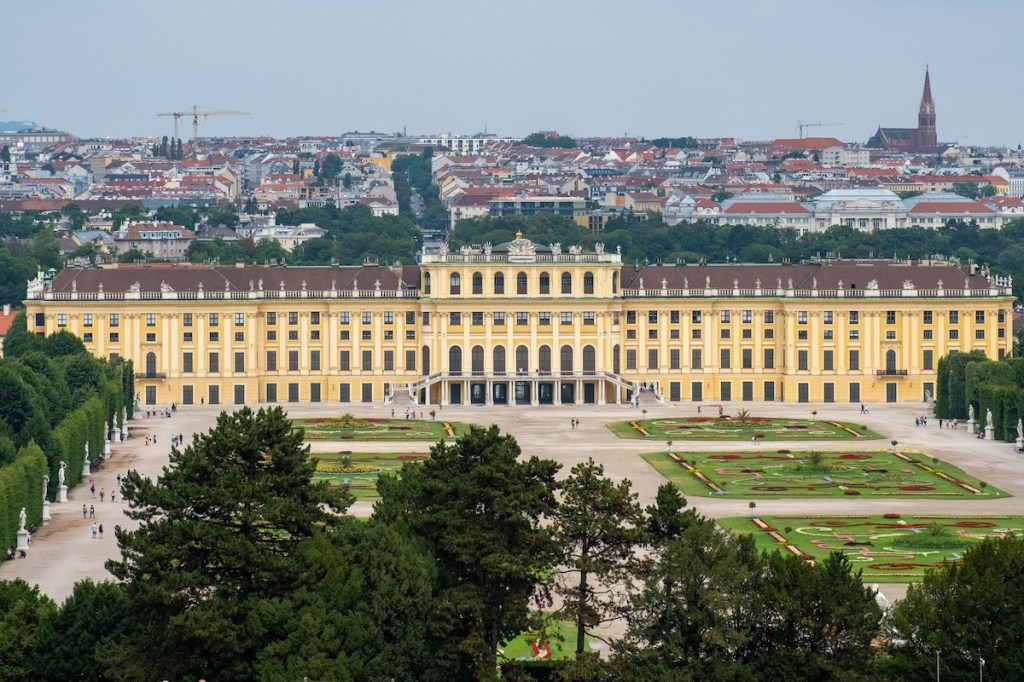
- Schönbrunn Palace. Located more in the suburbs, beautiful complex used by the emperors. Worth visiting and also walking around in the gardens!
- Sisi museum. I found this museum extremly boring, but if you like to see the exhibition of old plates and cutlery, it may be your place.
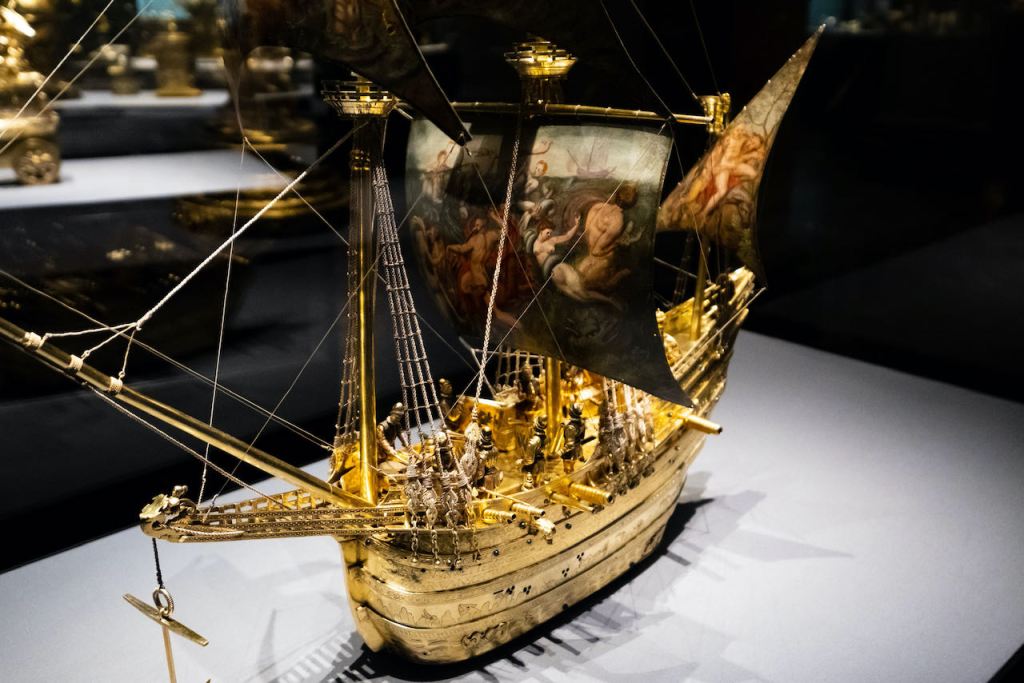
- Kunsthistorisches museum. Really interesting art museum – there is also part called “Vienna treasure” where you can find art pieces crafted from gold, ivory and other precious materials. Level of craft there is really stunning.
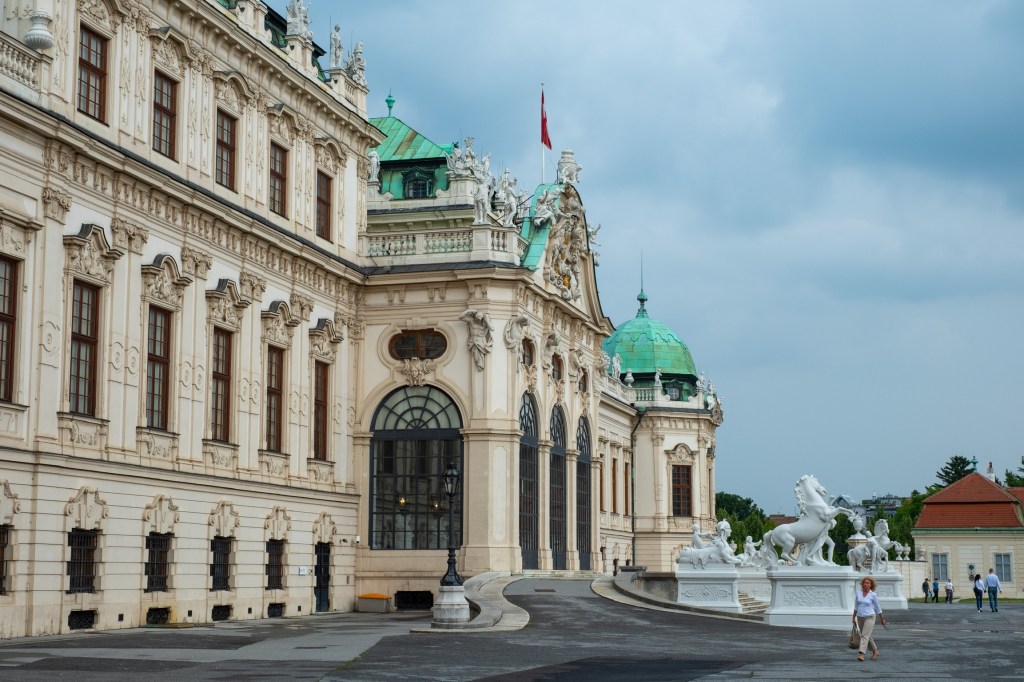
- Belvedere Palace. It’s hard to imagine that such a rich building was owned by a normal citizen, not the emperor or his family. Nowdays this palace is the home for art collection and most notably – Klimt famous painting “The kiss”. It’s really worth to go there even for this one painting to see it live!

- Hofburg palace. It’s more a complex of many buildings rather than one palace. The most interesting place to visit is the library, which makes really amazing impression with its old books and wooden interior.

- MuseumsQuartier. Famous square surrounded by many museums. We went to modern art museum, but it was way too modern for me. But if you find such places interesting, I can imagine you will spend more time there.
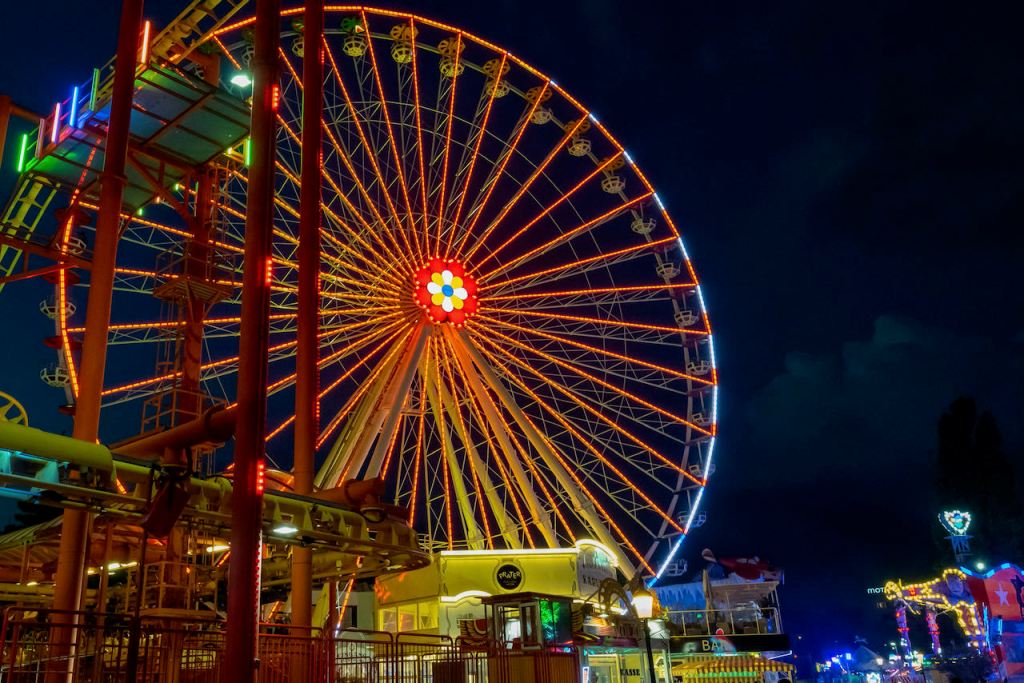
- Prater. One of the oldest amusment parks in Europe. It’s quite rare due to its location – it’s almost in the middle of the city!
- The Spanish Riding School. It’s quite a weird place – riding school in the middle of the capital city. I think it’s extremely unique. Reason of this weird location is of course history and the fact that school was established long time ago when Vienna was much smaller. Fortunately, nowadays horses are moved between riding school and facility outside of Vienna where they have much more space.

Day 3: Graz, Vine valley and Zotter chocolate factory
Vine valley
After visiting Vienna we drove to Graz and on the way we tried to visit some vineries in the so-called “vine valley”. Unfortunately, we only managed to find one open place. Most of the vineries open only in the afternoon and they require upfront reservation. You really need to research it upfront. You need to also decide how far south you want to go – the more to the Southern Styria you go the more vineries you will get there.

Zotter chocolate factory
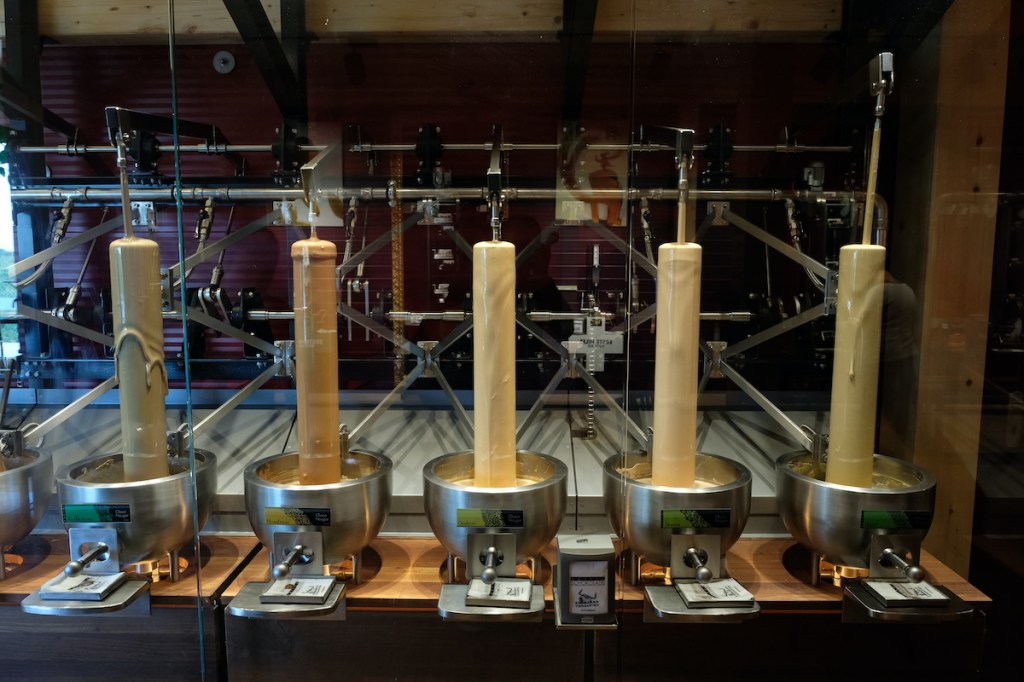
At the vinery they pointed us to a local attraction that is not really that known outside the region – chocolate factory. It turned out to be one of the highlights of the trip – we really felt like in the middle of Willy Wonka factory. We could try raw cacao beans as well as several hundreds types of chocolate in different forms. We could also follow the process of chocolate production and try other things – like nuts paste. Definitely something to visit!
Graz
It’s a second biggest city in Austria and also strong academic centre. There are few nice places there, but 2 most interesting ones are armoury (we didn’t manage to visit it) and old town with Schlossberg hill and clock tower. You can get there by funicular or elevator and its nice to do it when sun goes down to enjoy the view.
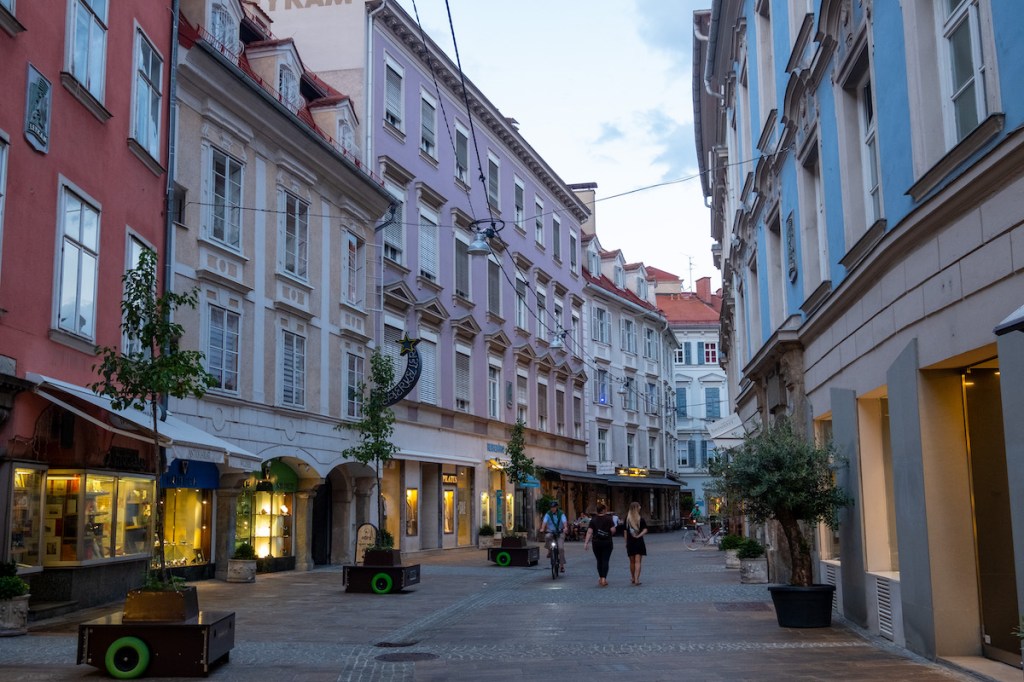
Graz has also really lively night life. A lot of bars and restaurants, which were full of people even on Monday evening. It’s nice to walk around on the summer night and enjoy the vibe!

Day 4: Grossglockner alpine road, Kitzsteinhorn glacier, Innsbruck
The next day we drove through almost the whole length of Austria – from Graz all the way to Innsbruck. On the way we visited several cool places and we arrived to the destinations only in the evening, so most of the Innsbruck we saw only on the next day.
Portschach
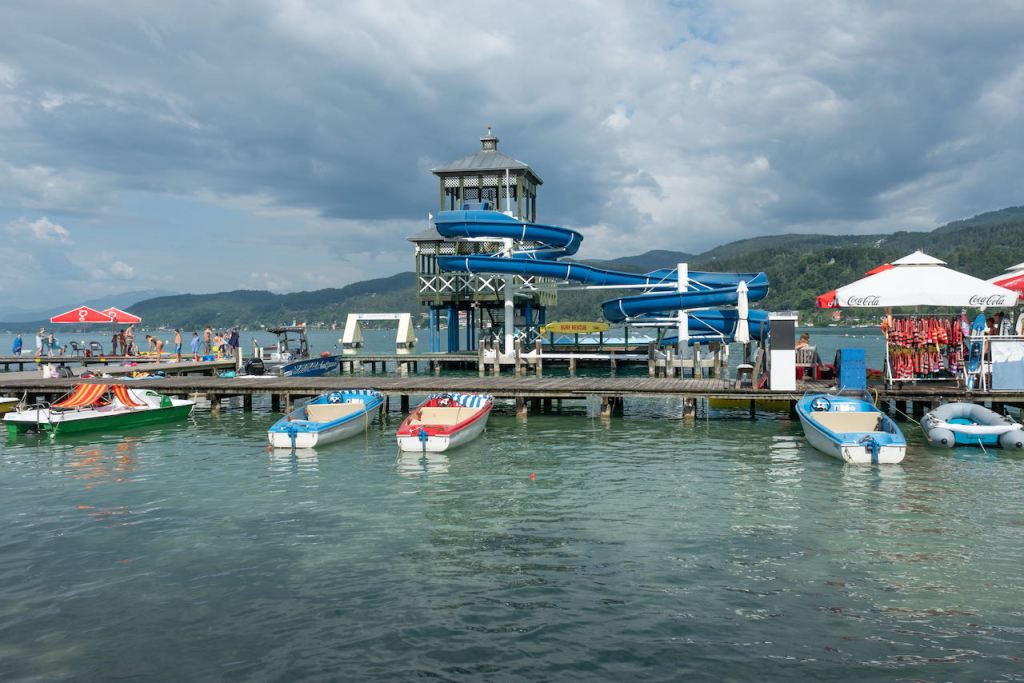
We only stopped there for a coffee, but it’s a really nice place for a short stay at the lake side. It’s quite popular for Austrians for short holidays.
Grossglockener alpine road
This was one of the best experiences during the whole trip. This road allows you to get by car up to 2500 meters above sea level. The views are really stunning and there are several stops you need to make on the way that are really worth checking:
- Hochalpenstraße with the viewpoint on the glacier
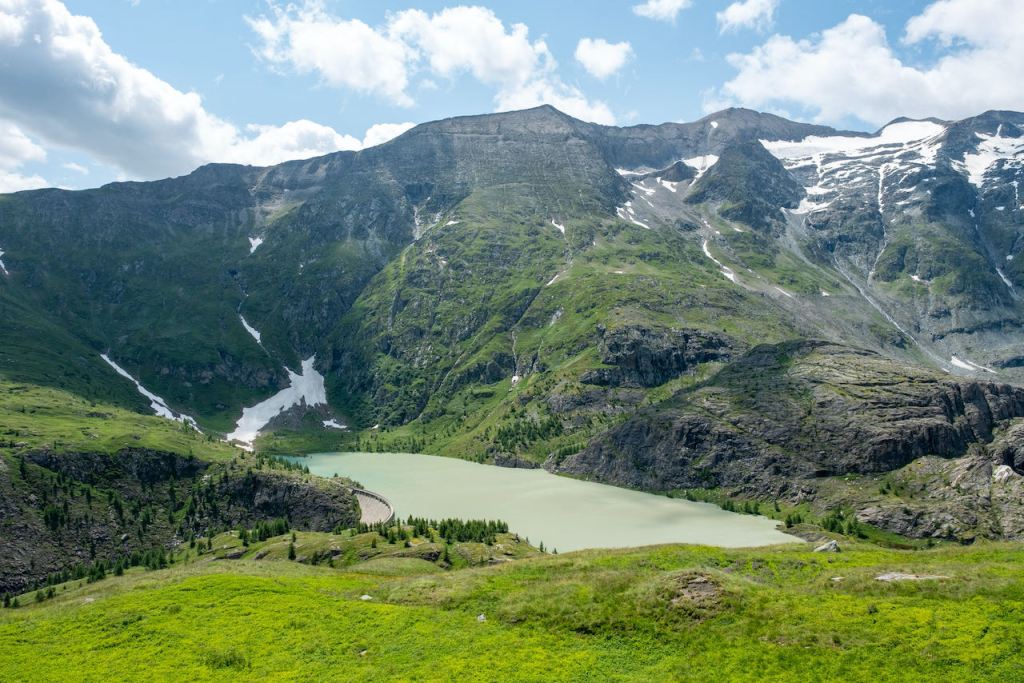
- Fuscher Lake

- Edelweißspitze with one of the highest altitude parkings in Europe

Kitzsteinhorn glacier
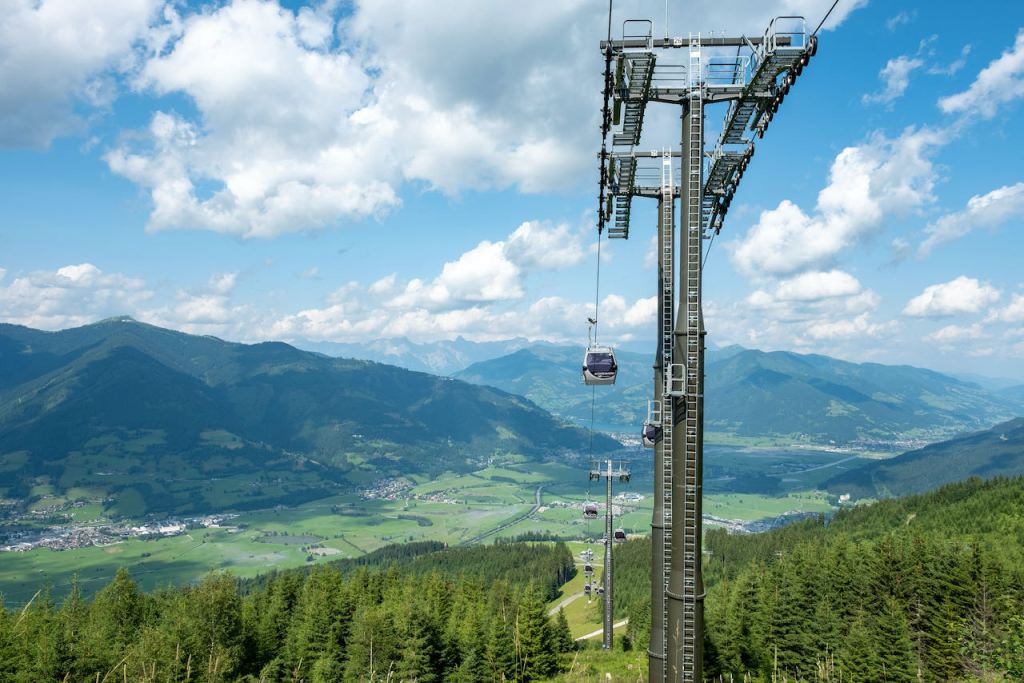
It’s really beauitful glacier to which you can get by a cable car. Unfortunately, we arrived too late to get to the top (they allow to start the journey only until 13:00 so you have enough time to come back), so we settled on getting only to the first station of cable car and then walking down. Still, it was a very nice alpine walk!
Day 5: Innsbruck, Nordkette Cable Car, Hall in Tirol
During this day we visited Innsbruck and mountain nearby and then we drove closer to Salzburg to have easier start the next day (we slept around Lofer).
Innsbruck
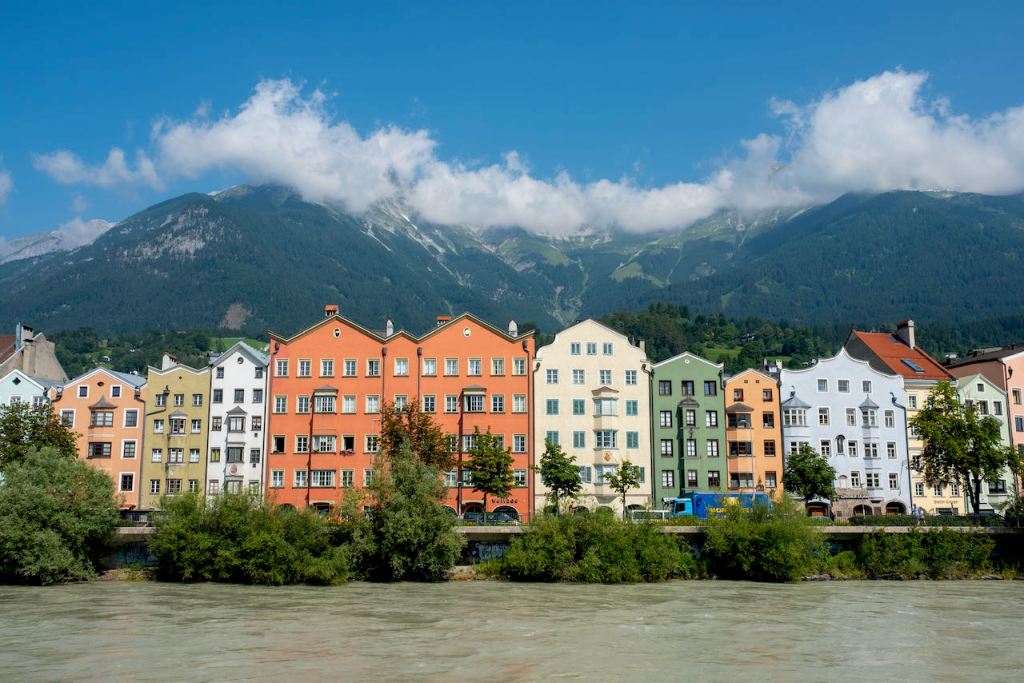
It’s the biggest city in the Austrian Tirol, but it’s still rather small. It’s nice to walk around and enjoy the old city with golden roof building and River Inn – street with colourful buildings facing river. If you are really adventurous you can go to Hofkirche mit Silberner Kapelle which includes one the most creepy “digital” experiences we have ever seen.
Nordkette cable car
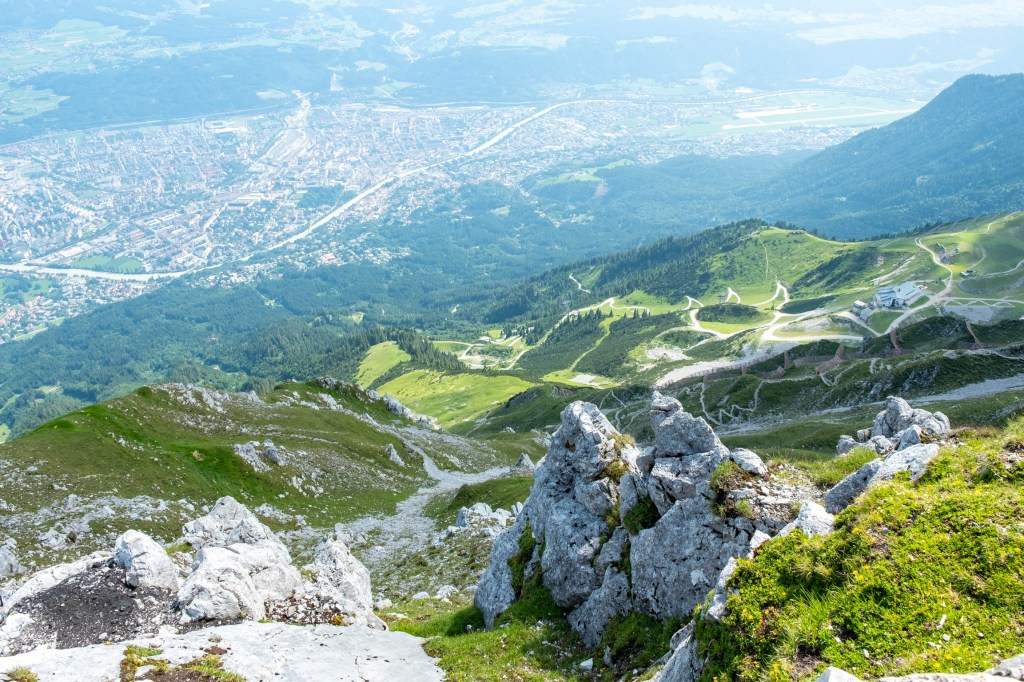
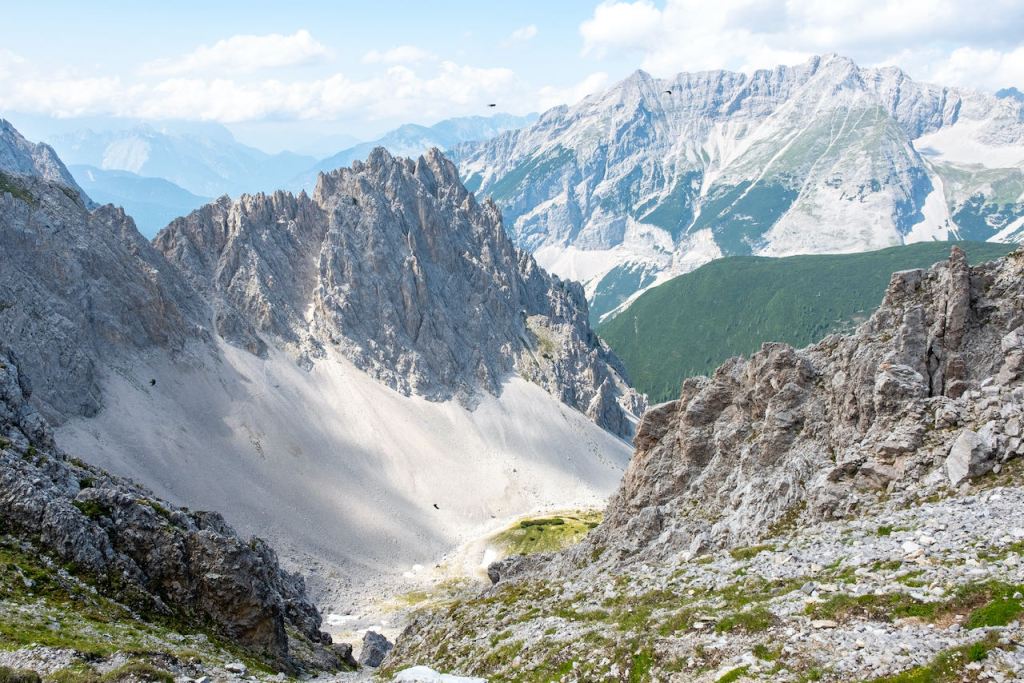
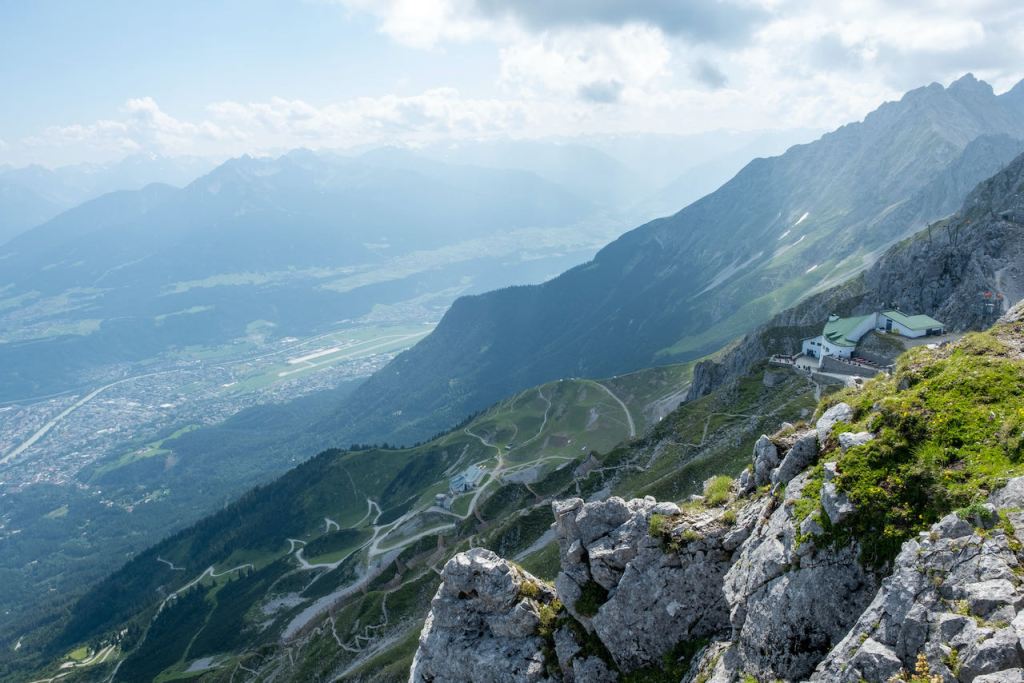
This cable car starts in the middle of Innsbruck and then goes all the way to the top of the nearby mountain. While being at the top you will have stunning view over whole Innsbruck and you can do short hike around. We were impressed with the view and even tough the cable car was expensive – it was worth all the money!
Hall in Tirol
On our way to the next destination we visited Hall in Tirol. It’s a small medieval city that looks very cute. It’s very close to Innsbruck and it will take you only around 30 minutes to go around the whole old city, so it’s definitely worth stopping by.

Day 6: Saisenbergklamm, Eisriesenwelt, Hohenwerfen, Hallstatt
Early next day we started by getting to Saisenbergklamm gorge and then on the way to Hallstatt we visited ice caves and Hohenwerfen castle.
Saisenbergklamm
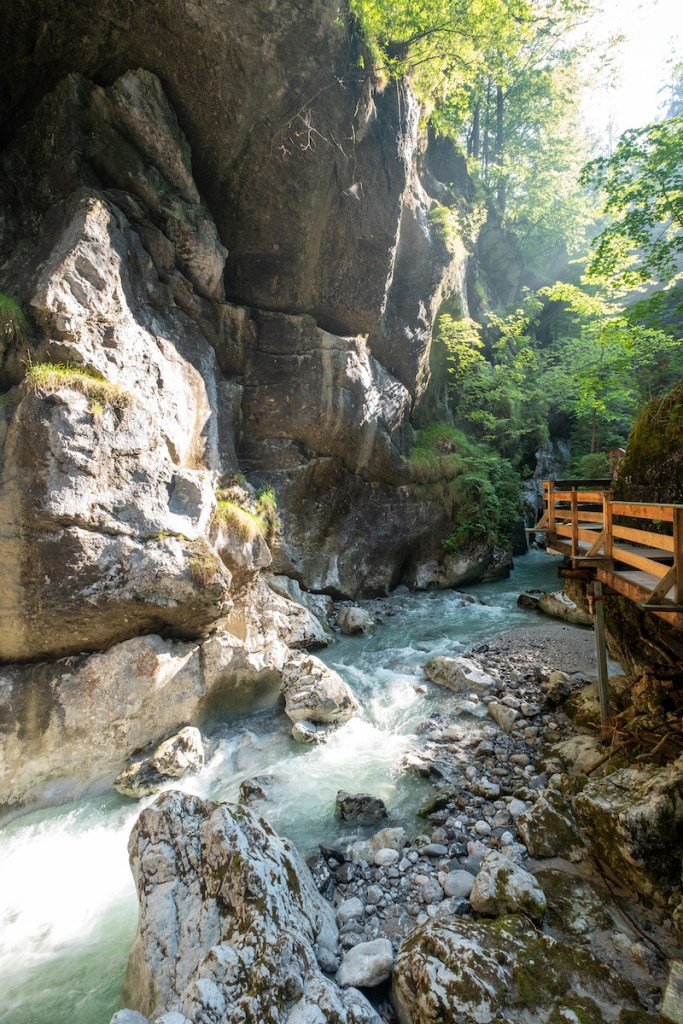
It’s a gorge with a river going through it and you can walk on wooden bridges over the water Few days before our visit there were rapid floods in Austria, so the river’s current was very strong – that made the place much more thrilling.
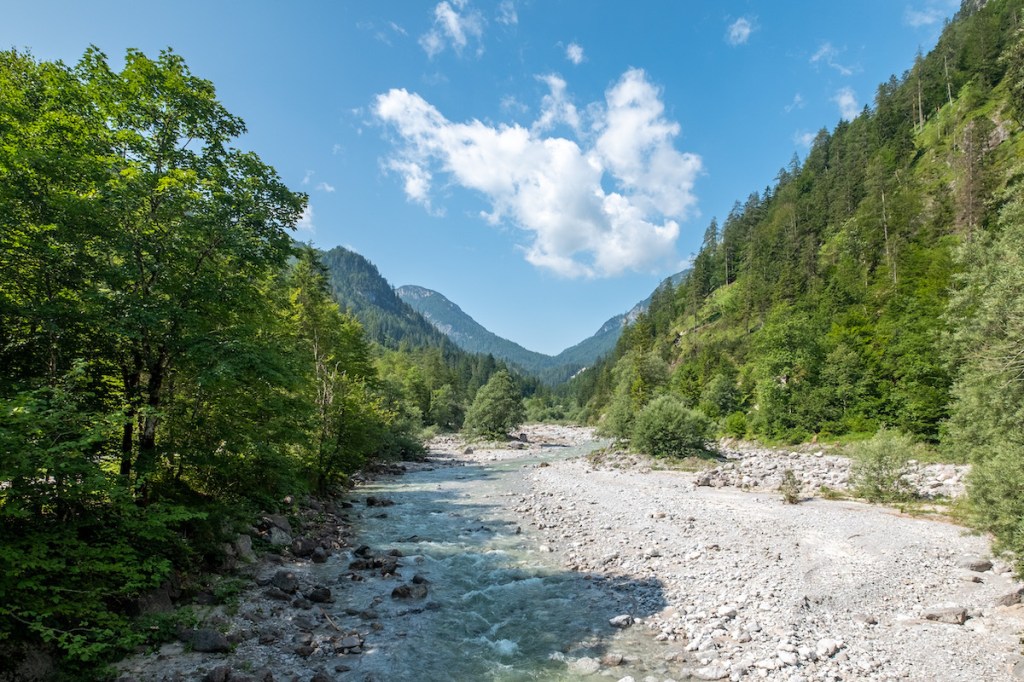
It is worth to add that very close to Saisenbergklamm there is also a second gorge (Vorderkaserklamm) as well as one of the biggest cave systems in Europe – “Lamprechtschoehle”. Unfortunately, we didn’t manage to visit the latter one as it was completely flooded. We managed to visit Vorderkaserklamm and I must admit that even tough gorge was nice the walking route to get there was even nicer!
Eisriesenwelt
As I’ve mentioned before, these ice caves were one of the best place we visited in Austria. It’s really magical to walk during summer through cave full of ice. It’s quite a big change of temperatures in a very short period of time, so we all got a little bit sick afterwards – you are walking over 30 minutes in full sun only to get in few seconds to a place with temperature below 0.
Hohenwerfen
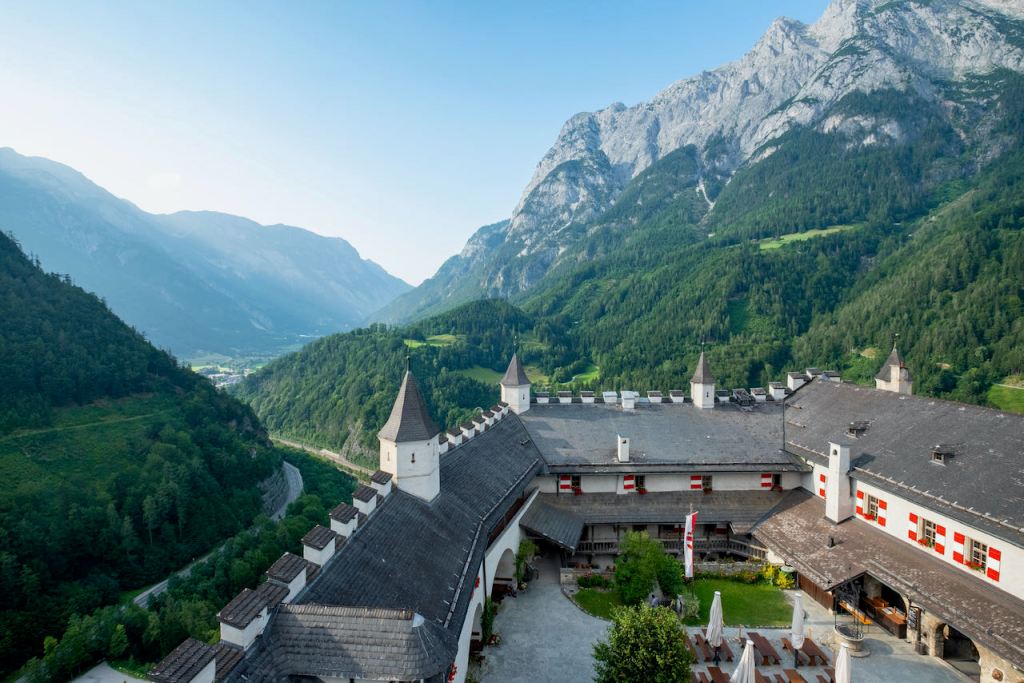
This castle look amazing from outside – it’s located on top of a lonely mountain, raising above the rest of the valley. Inside it’s also quite interesting, but unfortunately the only way to visit it is by taking the guided tour with an audioguide and a physical guide at the same time. This tour was absolutely ridiculous, long and boring. The only positive thing was the ability to get outside for photos in the highest tower of the castle.
Hallstatt
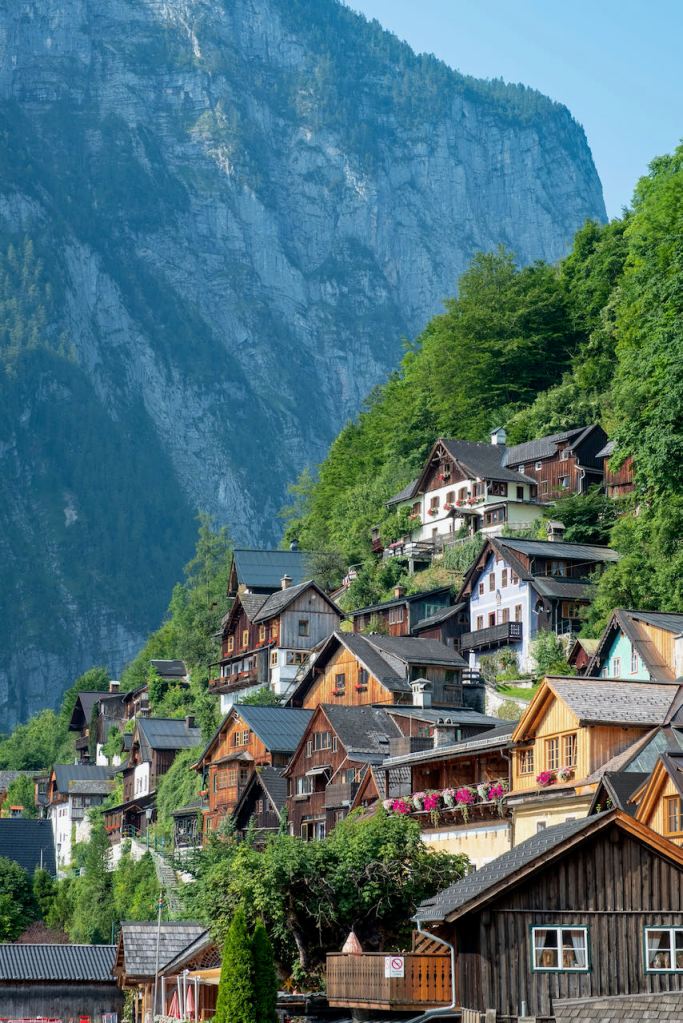
This is really a hidden gem of Austria. Called “the most beautiful town in Europe” it fully deserves this title, but somehow people are not aware of its existence. Even tough it’s on the UNESCO list. I highly recommend to get there! We stayed there for the night, so we could also take nice pictures early in the morning. I really recommend the spot called on google maps “Classic Village Viewpoint”, which has absolutely stunning view on the whole town. However, I do not recommend doing the same as we did and staying there for the night – the hotel base is limited and restaurants close early and are rather expensive. It’s better to visit this place on a day trip.
Day 7: Salzwelten Hallstatt (salt mine), Salzburg
We used morning of this day to see salt mine located in Hallstatt and then we went to Salzburg.
Salzwelten Hallstatt
One of the oldest Salt Mine in Europe (over 7000 years old). There are many archeological artefacts being constantly found there – some of them even from Neolithic age! Nowadays, it’s mainly a museum and it’s very interactive – you can learn how salt is being produced, take a ride on super long wooden slide and experience ride in an underground mini train!

Salzburg
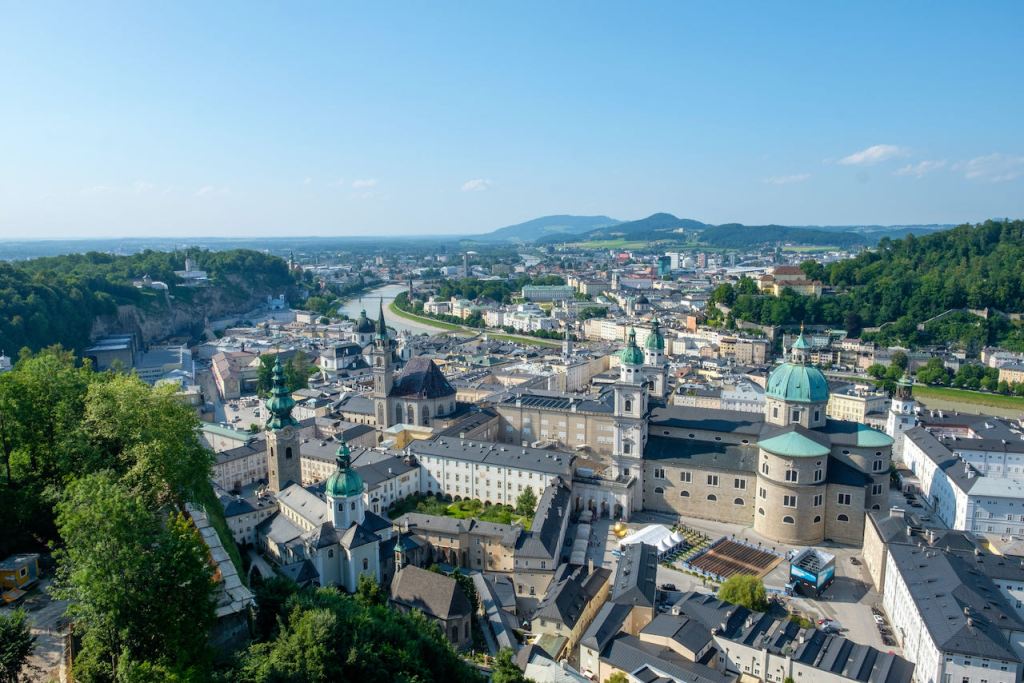
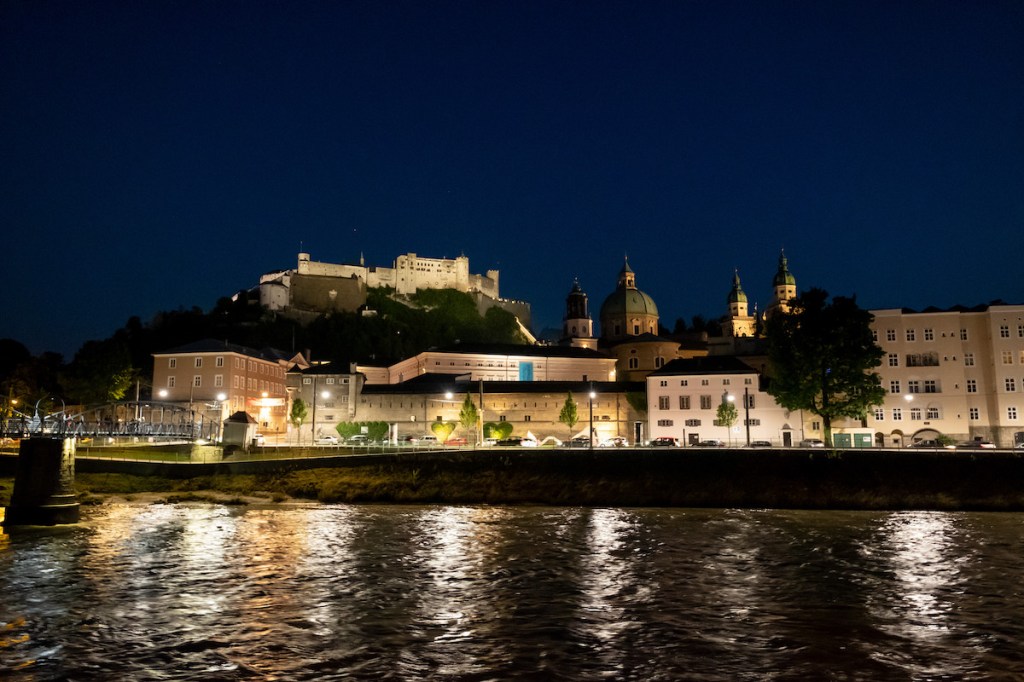
City where Mozart was born. We were quite amazed how rich it looked like – expensive shops, cars and well dressed inhabitants. It’s worth to walk around the city a little bit and most of all – visit amazing castle Festung Hohensalzburg which towers over the whole Salzburg. Nightlife in the city is also super lively and city itself looks amazing after the dark.
Day 8: Salzburg, Melk Abbey, Danube valley
After finishing the Salzburg in the morning we drove quite some distance to Melk Abbey and then further to visit different castles and towns in Danube valley.
Melk Abbey
Old monastery (still active!) with beautiful yellow colour and interesting interiors – especially old library and chapel full of gold decorations. Unfortunately, it was forbidden to take pictures inside.

Danube valley
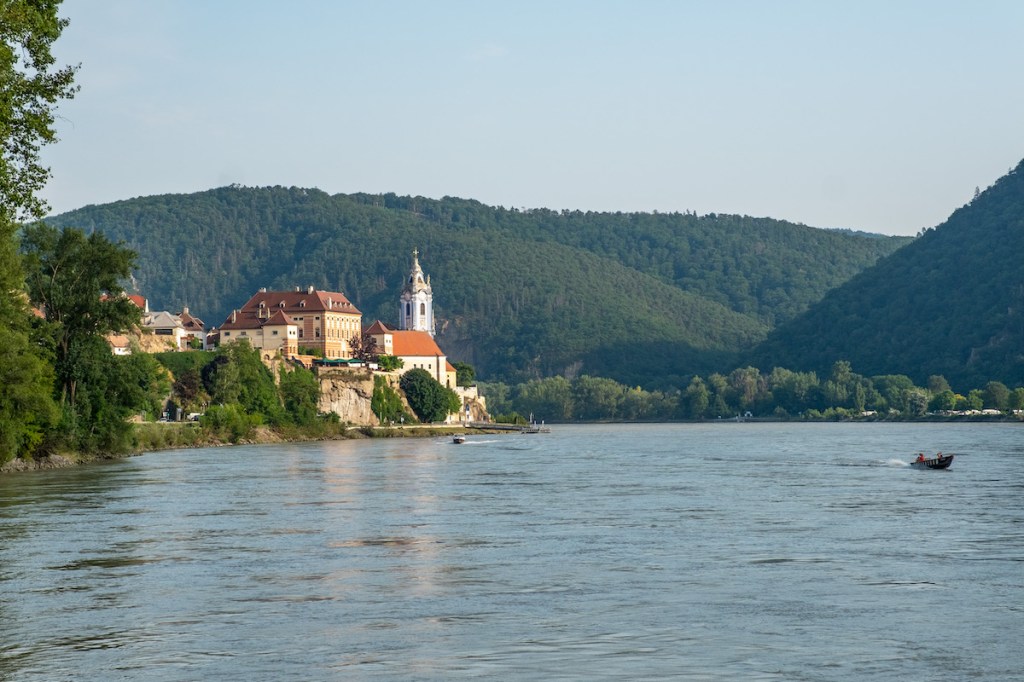
First time you see Danube river you are really surprised how wide the river can be. And then you also start noticing how the valley has specific climate that allows cultivation of grapes and makes everything much greener. There are several spots you can visit in Danube valley, but mostly these are vineries, old castles and small cozy towns. There are also many bike roads if you are up to several days long biking trip! Unfortunately, due to time constraint we used car and visited only some of the places:
- Ruine Hinterhaus – ruins of a castle with nice view on the river
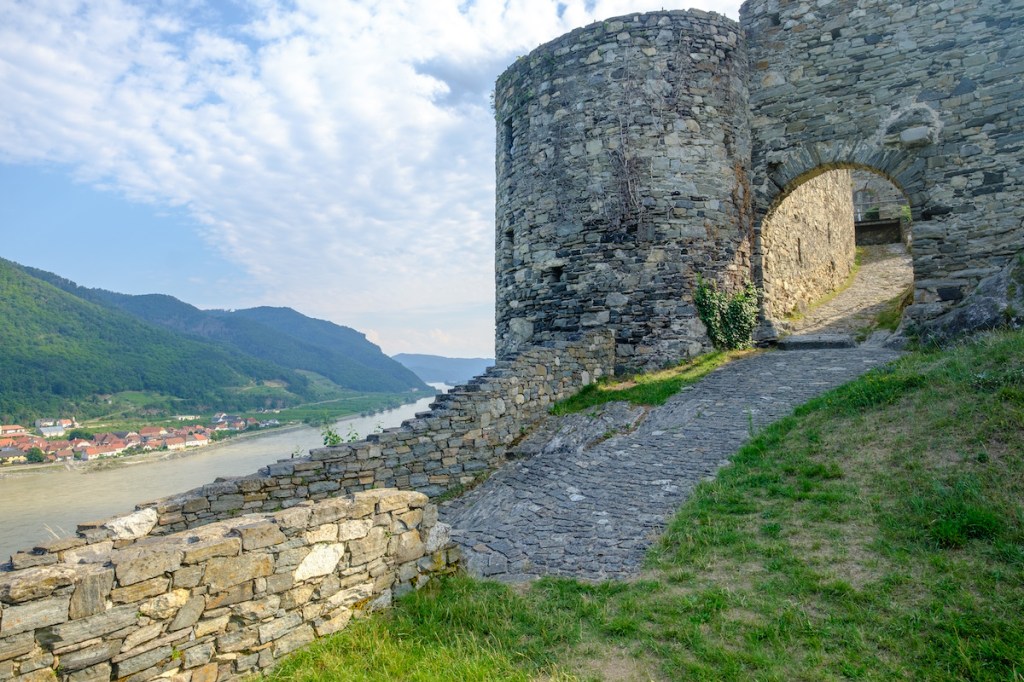

- Weißenkirchen in der Wachau – small city with a nice view and many vine bars
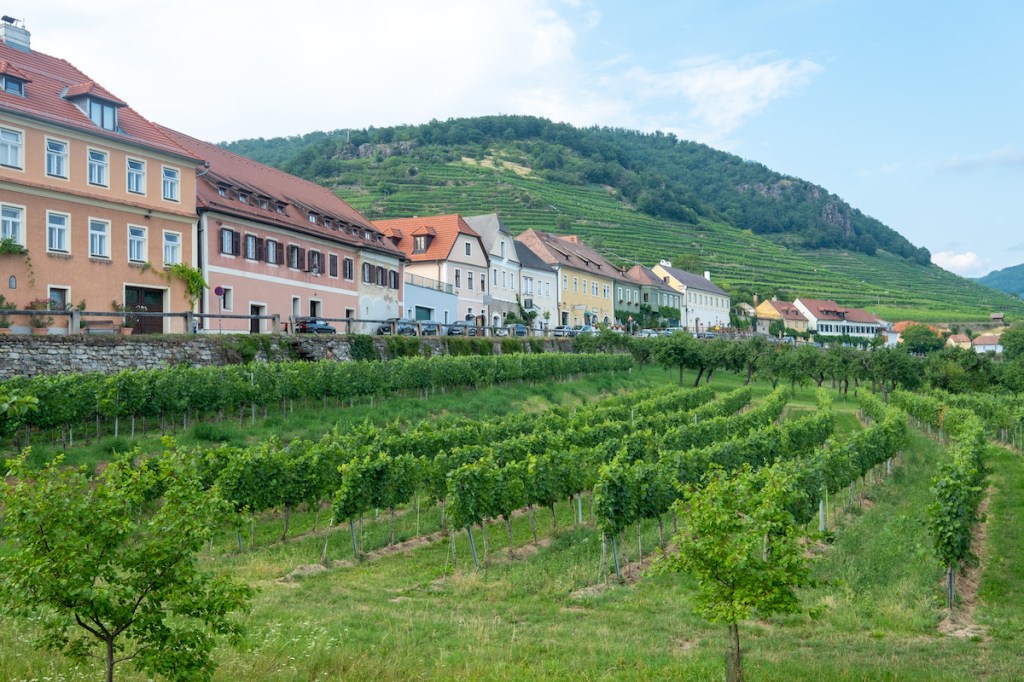
- Durnstain – beautiful small town located on the verge of a cliff next to the Danube river
Day 9: Vienna, going back home
The last day we finished remaining spots at Danube valley and we drove to Vienna where we ate Sachertorte (choclate cake) in the famous Sacher cafe. Afterwards, we split in order to come back to our homes. In general we were very happy with our trip to Austria – we managed to see a lot of different things – historic spots, museums, mountains and natural wonders like ice caves. Many people come to Austria only in the winter, but this trip proved us it was a good choice to get there in the summer!
 Ultimate Traveler