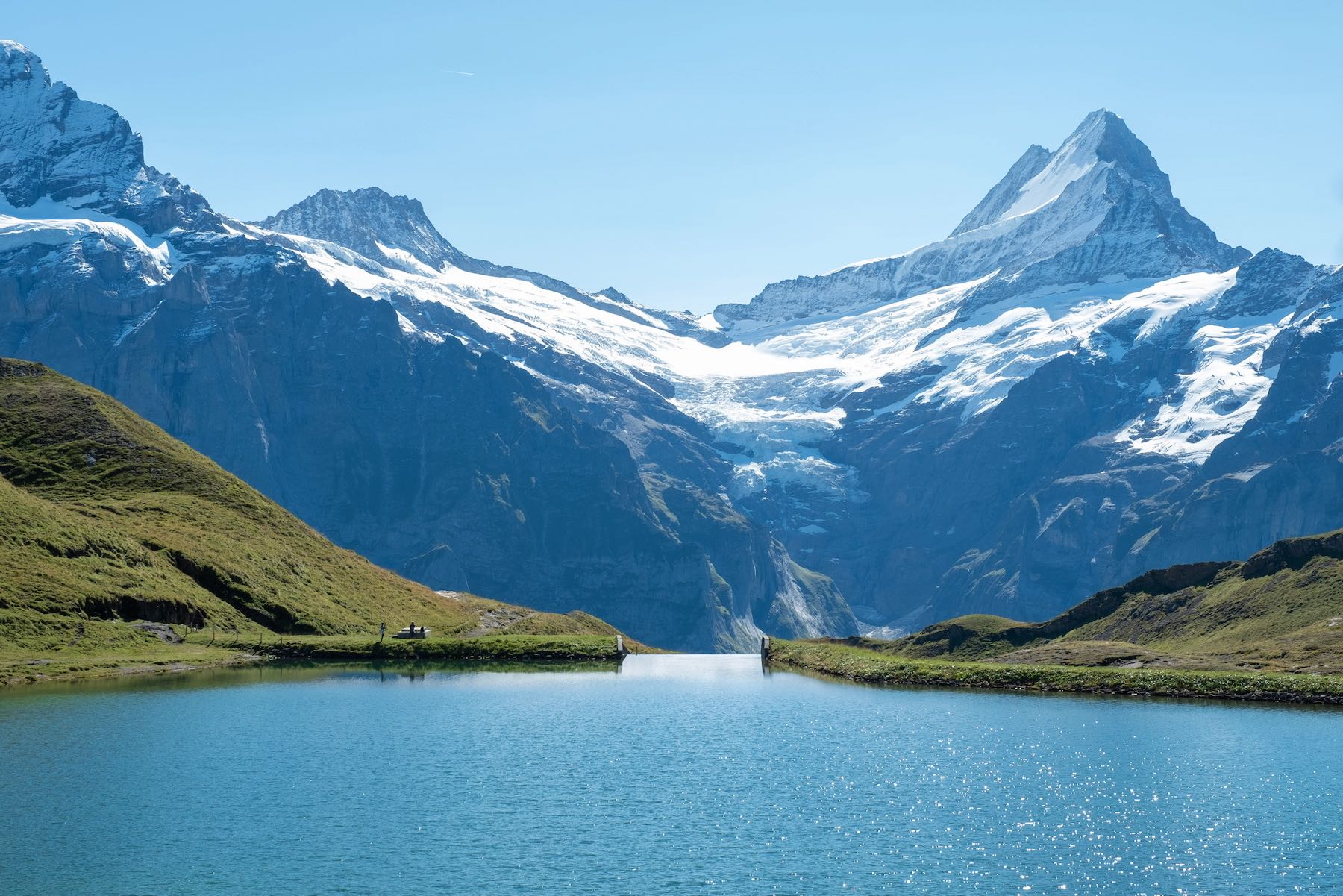
2020 has not been the best year for traveling lightly speaking. But we still managed to get 2 weeks holiday in Italy and Switzerland taking advantage of period when CV-19 was in lower numbers. Regardless of many restrictions, we still enjoyed the trip a lot! Both Switzerland and Tuscany are one of the most beautiful parts of Europe and we can absolutely confirm this statement after our holiday!
Why should you go to Switzerland or Tuscany?
Switzerland may be one of the richest countries in the world, but their real treasure is the nature. It’s absolutely stunning. This country is full of lakes, waterfalls, snowy mountains and lush green valleys. If you like hikes and you can’t get enough of scenic views, Switzerland will be perfect for you. It’s also very easy to travel around – infrastructure is really good and well prepared for tourists.
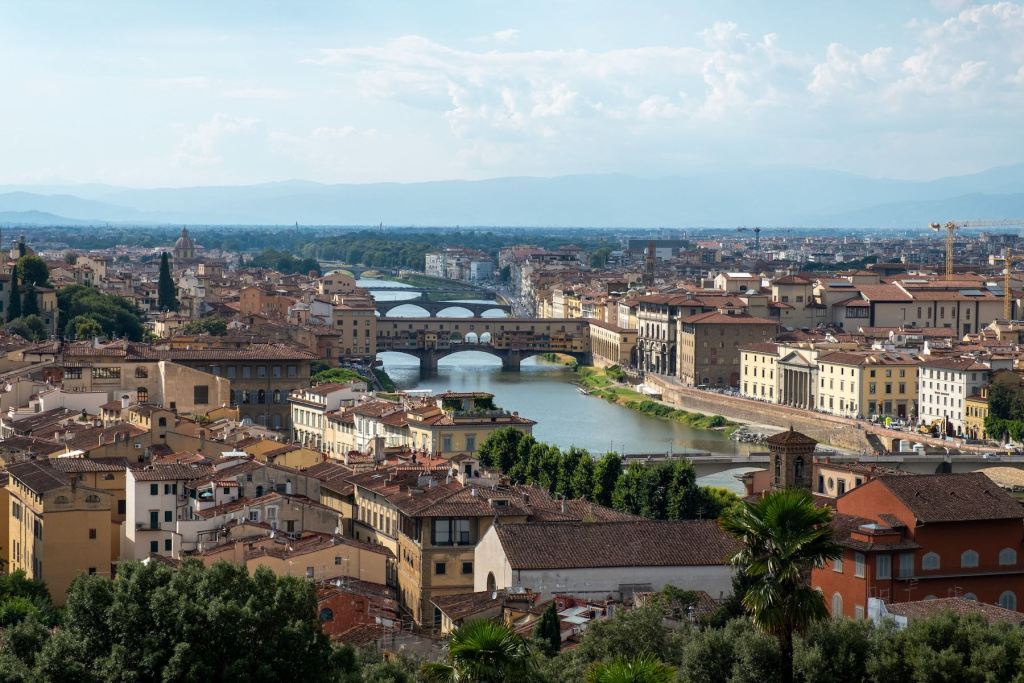
Northern Italy also has incredible nature – Alps, Liguria seaside and lake Como. However, Italy is even more famous for its cultural heritage. Throughout European history, this region was one of the most vital points in development of the continent. This was especially true during Renaissance. And Tuscany with its capital in Florence was one of the main centres of that movement. It’s visible in almost any element of that city – buildings, museums, galleries – it just emanates with history. You can easily see that city structure and buildings did not change that much over last centuries. Visiting Florence is like traveling in time to Renaissance era.
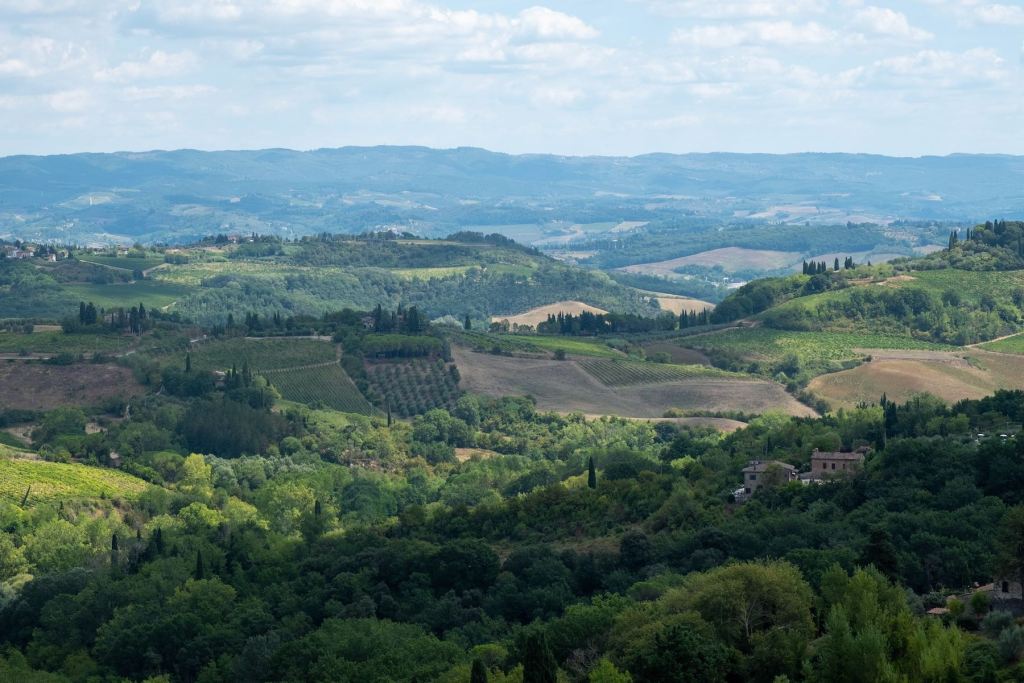
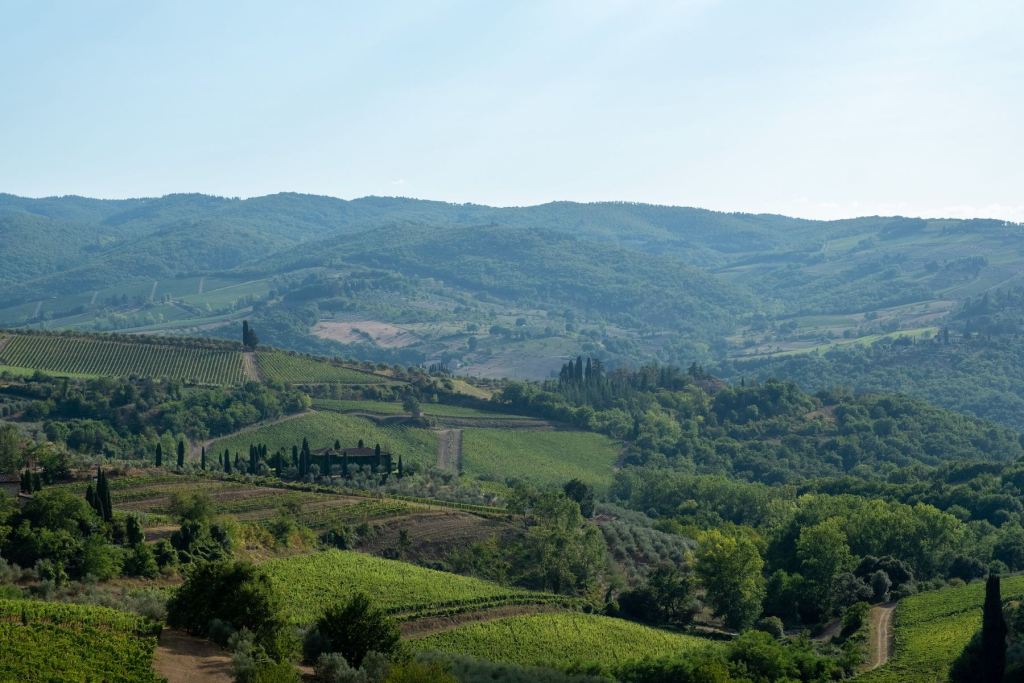
But Tuscany is not only about history. It also has absolutely amazing views and landscapes. Driving through the hills and wineries is unforgettable experience which makes the visit worthy even if you come only for the scenic ride and you will skip all the historic points.
Top things to visit in Switzerland and Tuscany
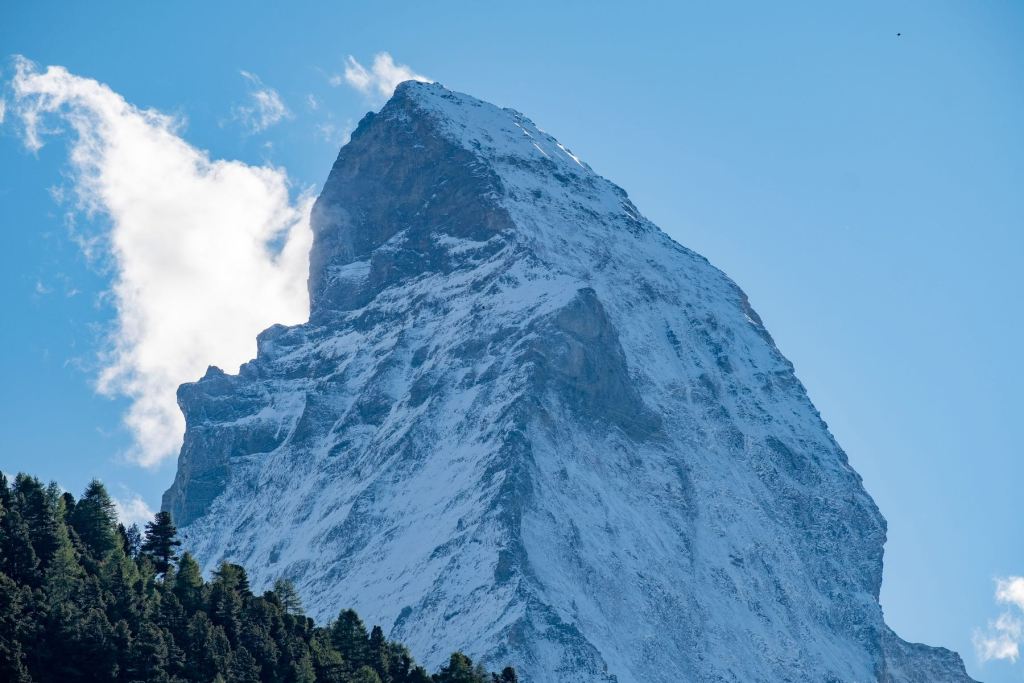
- Matterhorn. This mountain is really hypnotising. It’s hard to explain until you see it live yourself, but its spiky triangular shape is captivating. And the fact that it’s almost a lonely mountain towering over the whole city of Zermatt makes it only more special. If you want you can try to climb it – even tough it looks like very technical summit, in reality it’s more of scrambling that is needed to get to the top. But don’t get me wrong – it still needs a lot of preparation, complete lack of fear of heights and most of all – being aware it’s dangerous. We didn’t climb it, but maybe at some point in the future I will decide to come back to do it!
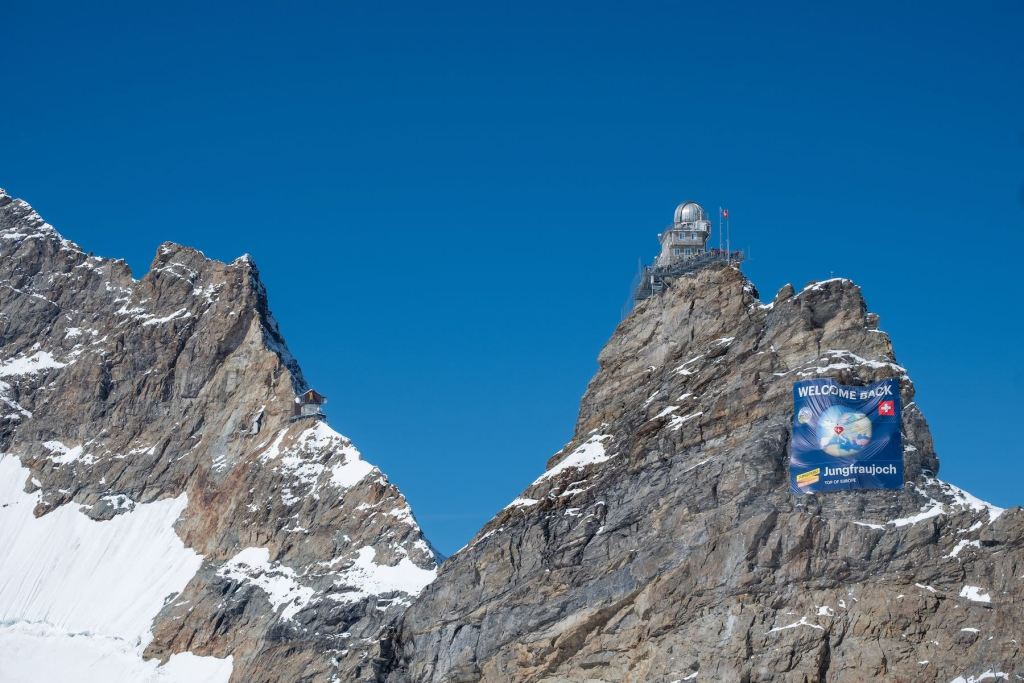
- Jungfraujoch. This place is a tribute to human engineering and one of the coolest place in mountains I have ever seen. In the early 1900s Switzerland built a railway from the bottom of the mountain up to the very top of Jungfraujoch summit. It’s the highest located railway in Europe (final station is at 3400 m.), but what is really impressive – almost whole track is built inside the mountain. Thanks to this in around 45 minutes you can move from lush green fields to cold and snowy summit and appreciate view over the alps. You can even go outside for a short walk to the nearby hut. It’s also worth mentioning that whole Jungfraujoch region is absolutely stunning and full of attractions.
- Florence. This city is absolutely stunning. It’s full of historic places, beautiful architecture and it’s surrounded by scenic hills. And just the vibe of Florence is captivating. I think it’s mostly due to its centuries old buildings that make you feel like walking around the city during Renaissance era. You can feel like you are a part of the history that happened here. And if you want to experience more of the European culture then visit two world famous art galleries – Uffizi and Academia (with David statute). During the breaks don’t forget to try local ice creams. Italian gelatos is life changing experience!

- Tuscany hills. I always dreamt about going to Tuscany and drive around colourful hills. And I must admit reality is as good as the dream. We visited several villages and cities (Siena, San Gimignano) in the area and on the way we enjoyed landscapes, winding roads and amazing food!
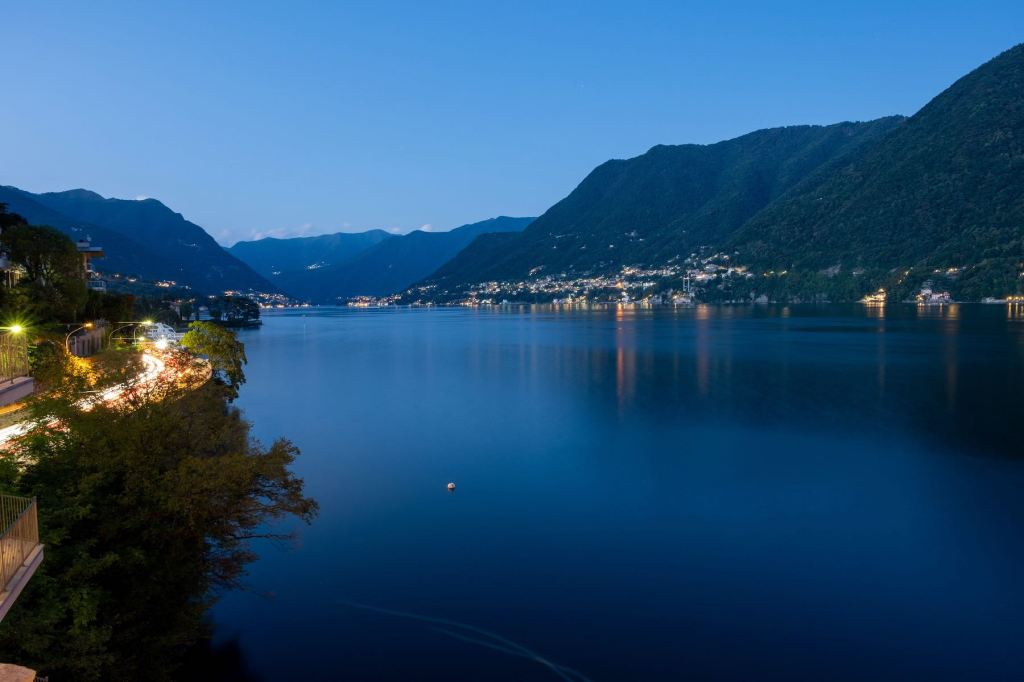
- Lake Como. It’s famous mainly due to many celebrities spending their holidays in this place (especially George Clooney is known from having house at Lake Como). But even if you are not a fan of Hollywood stars, it’s still amazing place. View is absolutely breathtaking – it’s a lake in the mountains with green hills around it and old Italian villages on the shore. Quite expensive, but for sure worth visiting!
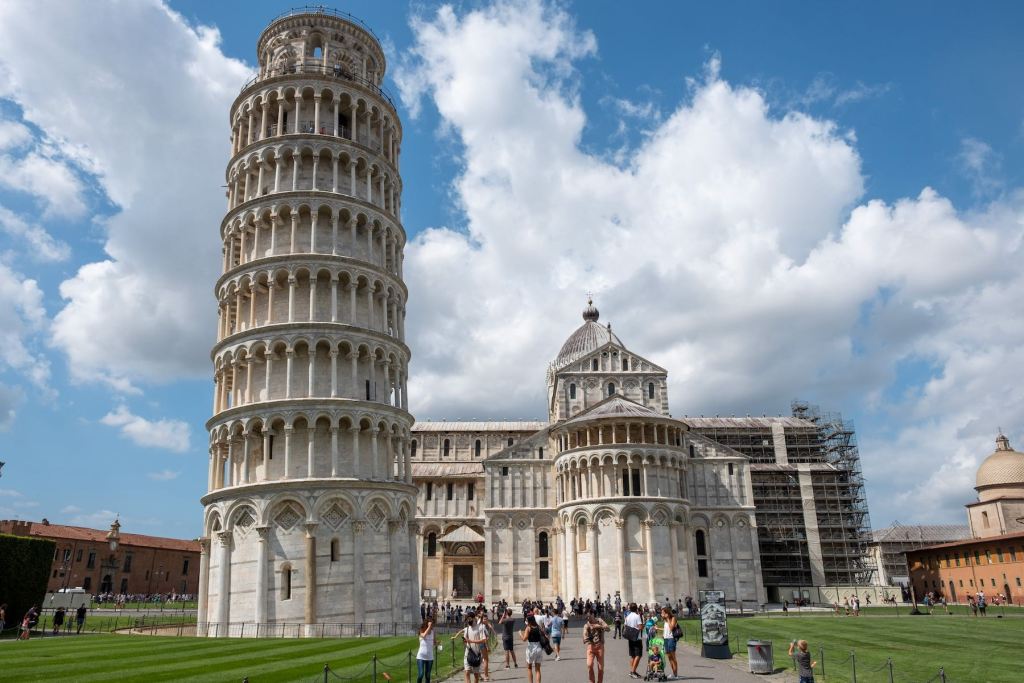
- Pisa. It’s very obvious destination, but still it’s worth coming by to see the leaning tower. Even tough you have seen it probably thousands times on the photos, it’s still impressive if you see it yourself in person. Especially because it’s bigger than it seems in the photos and it is surrounded by other beautiful buildings around.
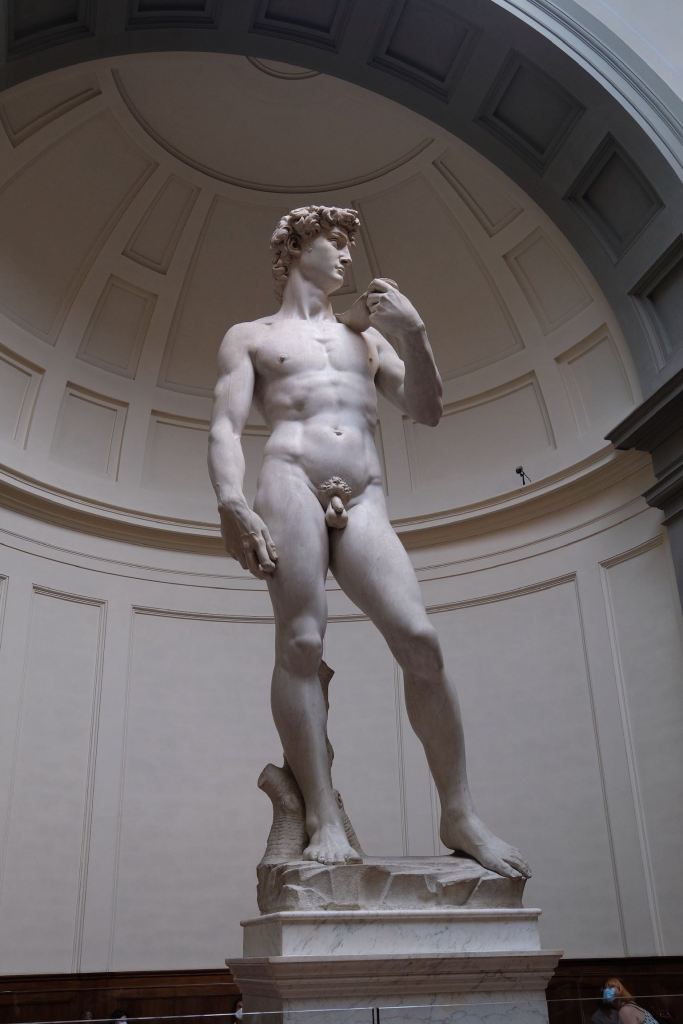
- Renaissance art in Florence. Florence is the home to two absolutely incredible museums – Galleria dell’Accademia with famous David sculpture and Uffizi Gallery with one of the richest collections of Renaissance art in the world (and famous The Birth of Venus by Botticelli). Both places are absolutely must – see regardless of long lines to get in!
Best things to eat
I’m not sure if I really need to explain what to eat in Italy. This is the land of the most amazing food in the world and everyone will find something tasty – pizzas, pastas, gelatos – you won’t be disappointed! In Tuscany specifically it’s worth to pay more attention to olive oil and wine. You can buy it from local production and take back home with you!
In Switzerland food differs per each part of the country. In my view the best food was in Italian part (as it was almost like in Italy), but we also enjoyed Schnitzels in German part. In reality Italian food is widely available in other parts of Switzerland as well, so most of the time during this trip we were eating such cuisine.
Few interesting information about Switzerland and Northern Italy
Switzerland is one of the most unique countries in the world. Famous of its nature – especially Alps mountains and many lakes. Tourism and winter sports are big part of economics of this country. Next to it there is pharmaceutical industry which generates over a third of national GDP. However, these are only partial answer on how Switzerland became one of the richest countries in the world. The most important factor was Swiss neutrality which allowed them to build very strong banking sector oriented towards private banking and wealthy individuals trying to find the safest possible spot for their money. Thanks to that neutrality Switzerland avoided any damage in World Wars and managed to become such safe harbour for money from all over the world. To keep the neutrality, Switzerland is not part of European Union (even tough they participate in most of joint programs) and they keep very strong army.
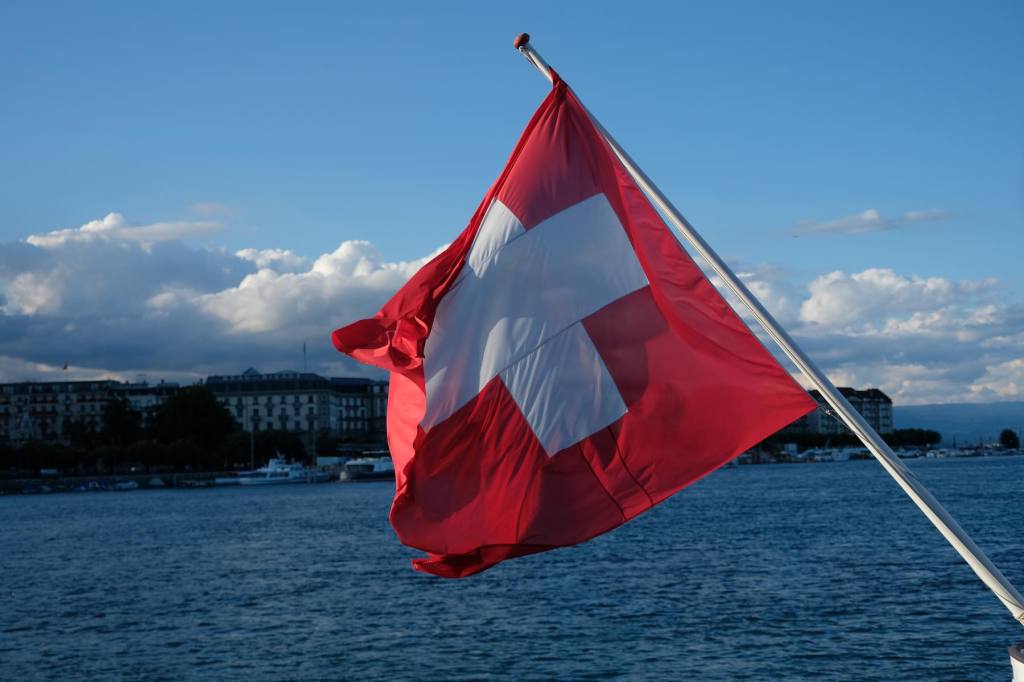
Switzerland consists of 26 cantons which are located in 4 parts of the country depending on the language spoken – Italian, German, French and Romansh. Cantons have high degree of independence and Switzerland is known from its decentralisation (it’s probably one of the strongest in the world). Swiss political system is also very famous from being one of the very few real direct democracies, where citizens can really have impact on the decisions through referendums that are organised several times a year. This influence on state politics together with high economic development makes Switzerland one of the best places to live on the planet. However, if you are already thinking about moving to Switzerland, it’s good to give it a second thought. Especially if you have more free-spirit type of personality. Switzerland is very calm and crazily organised. So for example use of washing machine is only limited to certain hours or weekdays. Or flushing the toilet is not allowed during the night (I hope it is just urban legend…).

Italy on the other hand is not very organised and for sure it’s not calm. People are very warm, cities are bustling with life and energy and rules are absolutely not obeyed. You can see the change just by crossing the border between Switzerland and Italy in the car. On Swiss side everyone is driving according to the rules, calmly and predictably. The moment you land in Italy everything changes and driving on the highway is more like fighting for survival.
Zooming in on Tuscany it is worth to mention that this region had its golden age during medieval times when cities like Florence were one of the wealthiest spots in Europe – mainly due to the trade with Byzantium, strong banking industry and many pilgrims from France traveling through the Tuscany to Rome. Similar to the rest of Italy this region was divided between strong and rich Republic city state, which were competing with each other. Especially Florence and Siena had rivalry, which was put to the end by Florence in XVI century by incorporation of Siena. Wealth of the region and rare political system as for that times (Republics were not that popular in Medieval era) led Florence and later Siena to be the birthplaces of Renaissance and one of the strongest cultural centres of Europe at that time. You can still see the wealth and the cultural heritage of that era when you are visiting Florence and Siena – buildings didn’t change that much since then and museums have the biggest collections of Renaissance art you can find anywhere.
Costs of travelling in Switzerland
Unfortunately, one of the main reasons for not going to Switzerland for many people are the prices. We are used to Amsterdam prices, which are already pretty high, but Switzerland is even worse in that matter. Hotels in the period of pandemic costed around 100-150 EUR / night for 2 people, but in more expensive mountain locations it was even over 200 EUR. We took rather mid-range hotels (with few exceptions for more fancy stays), but I can imagine that outside of pandemic prices will be even higher. Food in restaurant costed around 35 EUR for 2 people, but in mountain areas it could easily jump up over 60 EUR for one pizza, one pasta and glass of wine.
In total for 2 weeks of traveling around Switzerland and Tuscany, including car rental, gas, food, hotels and a lot of expensive attractions (like passes for the cable cars) we paid 2600 EUR per person. You can make it cheaper by choosing lower standard of accommodation or cooking your own food, but if you want to visit a lot of attractions then it will be very hard to go below 2000 EUR.
Itinerary
The best way to travel around both countries is to rent a car. In Switzerland it is also possible to use trains as the country has really good railway system. But even then, you won’t be able to see all the places below – I would still suggest the car!
- Day 0: Drive to Zurich
- Day 1: Zurich
- Day 2: Zug, Lucerne and Lake Como
- Day 3, 4: Florence
- Day 5: San Gimignano, Siena and Chianti’s towns
- Day 6: Pisa and drive to Lugano
- Day 7: Lugano and Fiesch
- Day 8,9: Zermatt (Matterhorn)
- Day 10: Montreux and Geneva
- Day 11, 12: Grindewald, Jungfraujoch, Lauterbrunnen and Schilthorn
- Day 13: Bern, Basel and drive to Luxembourg
- Day 14: Luxembourg capital and castles
Day 1: Zurich
After driving whole day from Amsterdam, our first stop was Zurich. It’s really nice and cozy city with high quality of living. It’s located at the beautiful lake (like most of the Swiss cities) and you can see that most people enjoy slow life, good coffee and leisure pace. At least that was the case on Sunday, but I’m pretty sure it’s also applicable to working week.
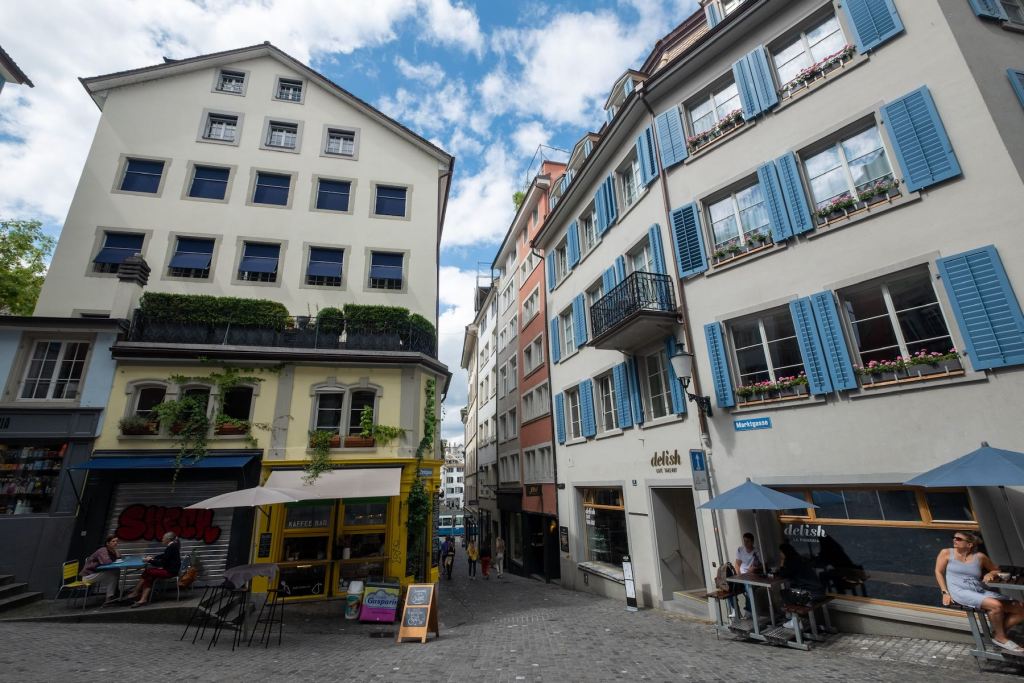
In general Zurich is a cute looking city, but there is not that much to do there for tourism – one day will be more than enough to spend there.
Old city
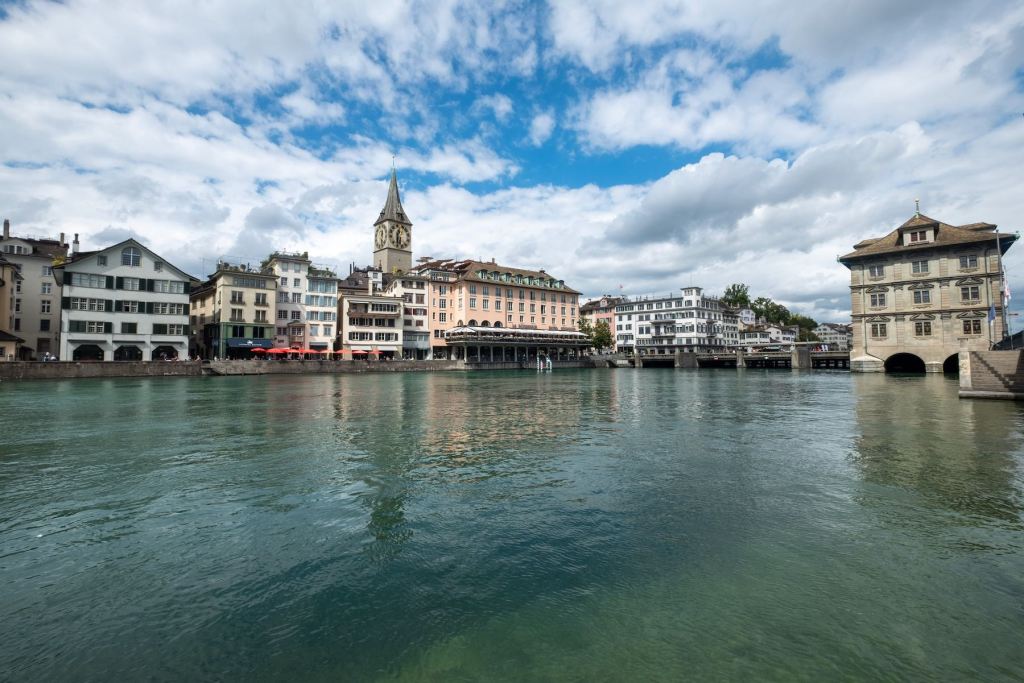
Old city is located on both river banks of the Limmat river and next to the Zurich lake. It looks really beautiful and well maintained. Old houses are colourful and look quite cute. It’s worth to also visit Lindenhof hill in the city centre – it’s one of the best place for photography in the city.
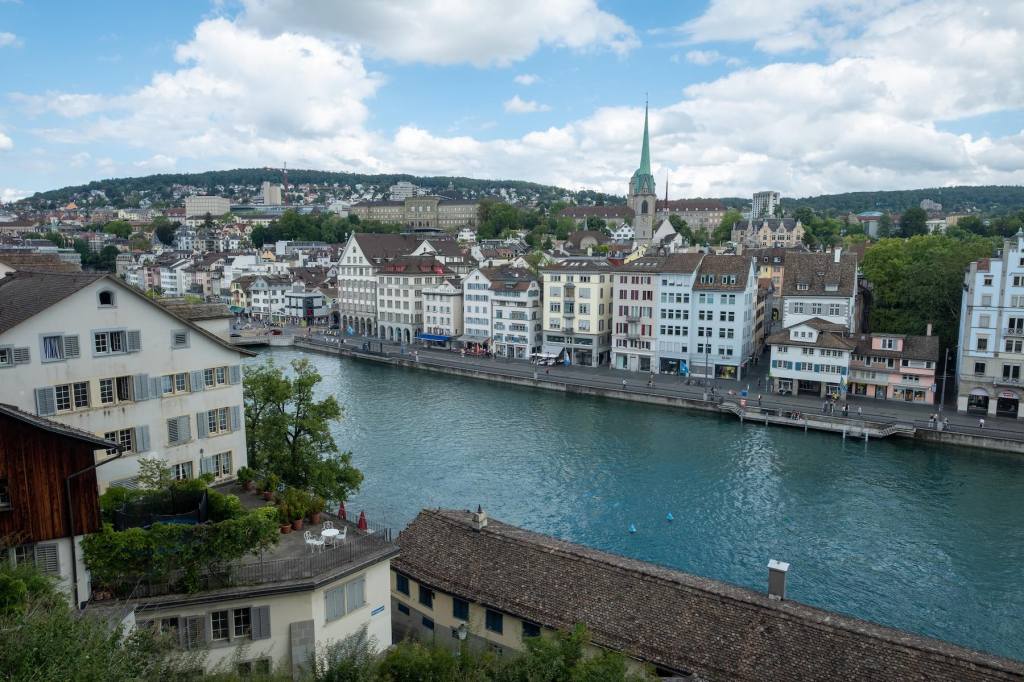
There is also an art museum located in the old city. It’s quite famous, but we decided not to visit it and spend the time on strolling in the sun. But if you are an art lover, probably it’s worth giving it a try.
Walk around the lake
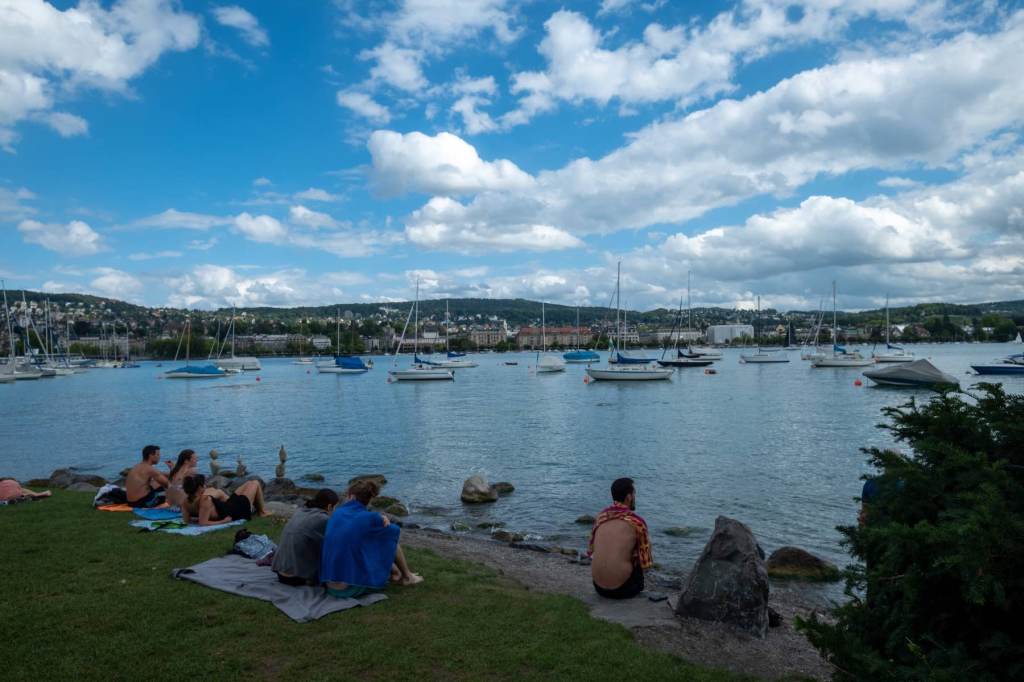
After visiting the old city we went for a walk along the western part of the lake. It’s the place where people living in Zurich are chilling out and enjoying sun in the summer. There is no one exact point you need to visit, but just stroll around and enjoy leisure vibe!
Day 2: Zug, Lucerne and Lake Como
On the second day we started our 2 days drive to Tuscany. We decided to spend night at the famous lake Como and make 2 stops on the way there – in Zug and in Lucerne.
Zug
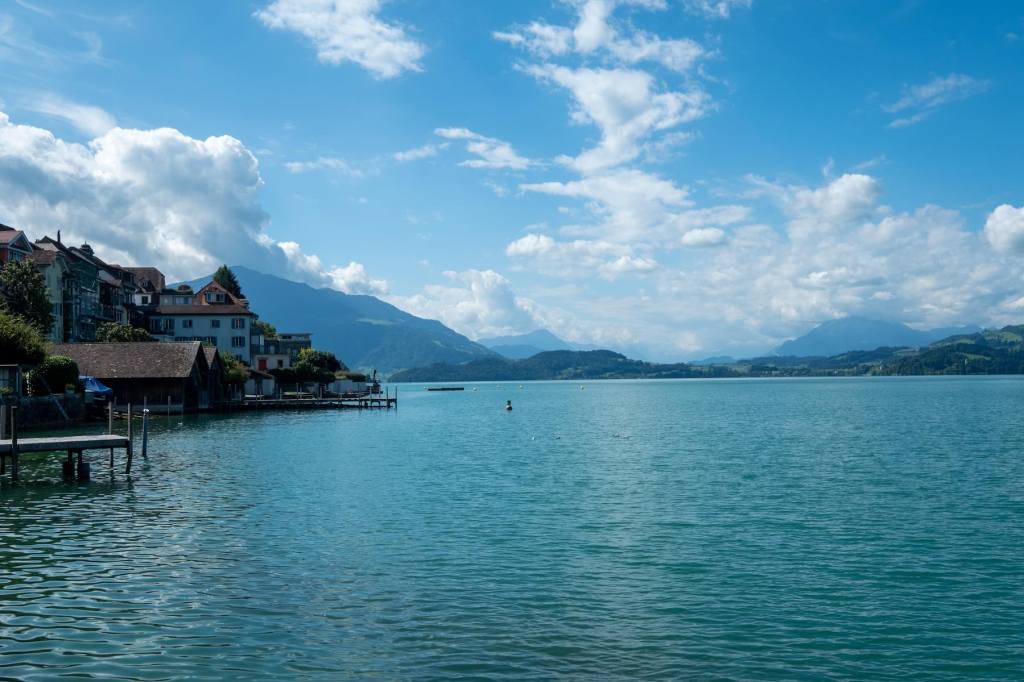
Zug is a small town located 1 hour drive away from Zurich. It’s a nice place for 1-2 hours pitstop to enjoy cute houses and beautiful view on the lake!
Lucerne
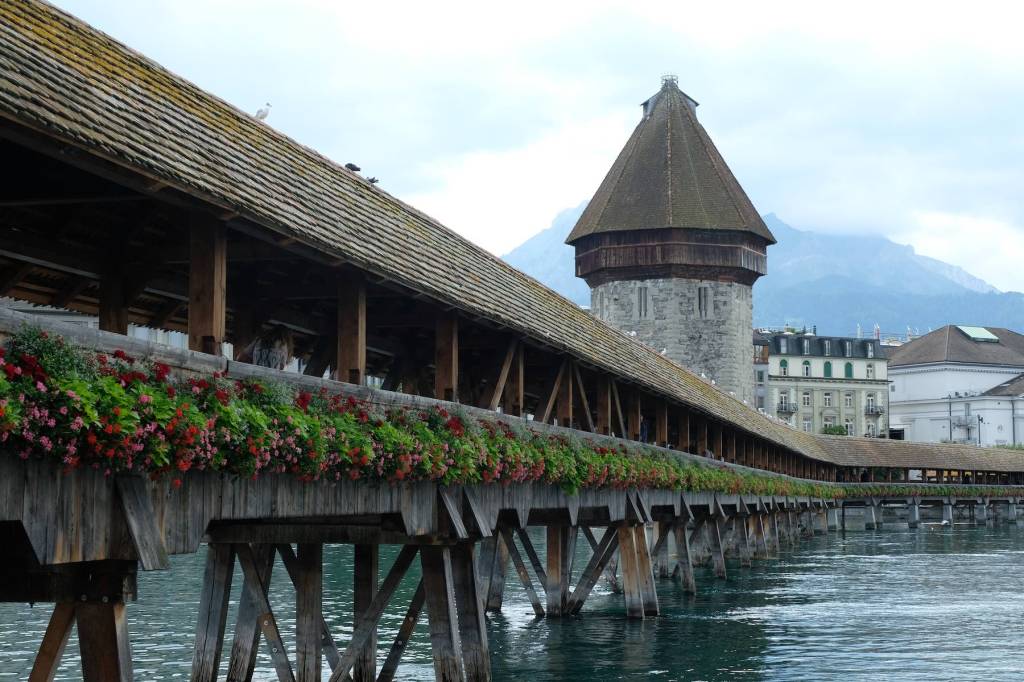
One of the richest cities I have ever seen in my life. You can see that a lot of wealthy people spend their holiday there. Amount of luxurious shops and butiques is almost overhelming. But this city has also famous tourist attraction – wooden Chapel bridge that dates back to XIV century. I would highly advise to stop in Lucerne for few hours, take a walk to the bridge and around the city, but do not stay longer.
Lake Como
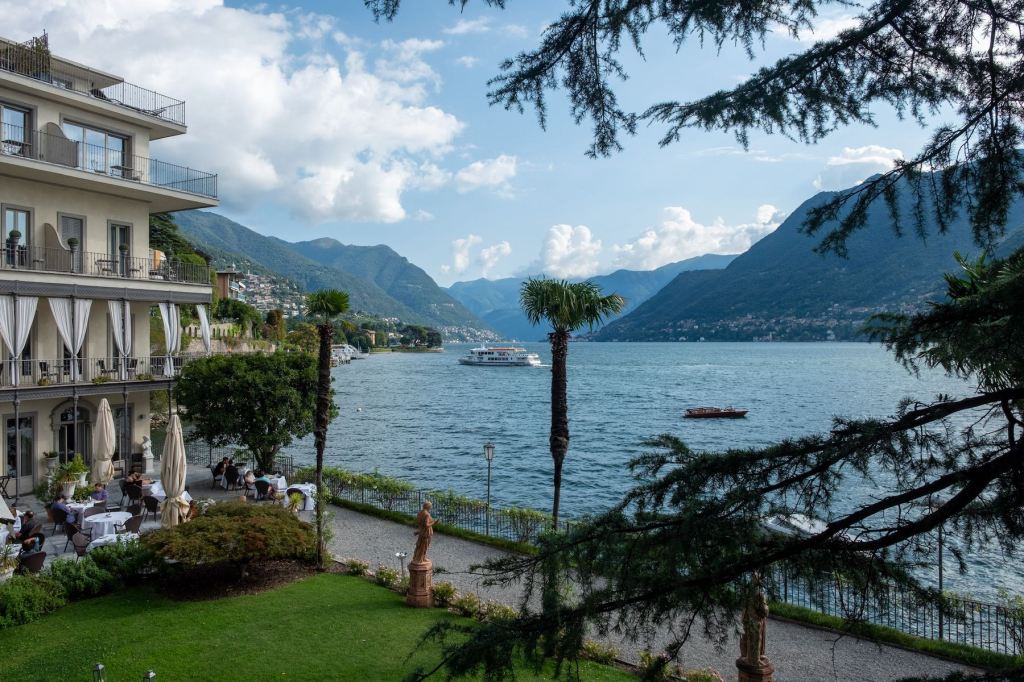
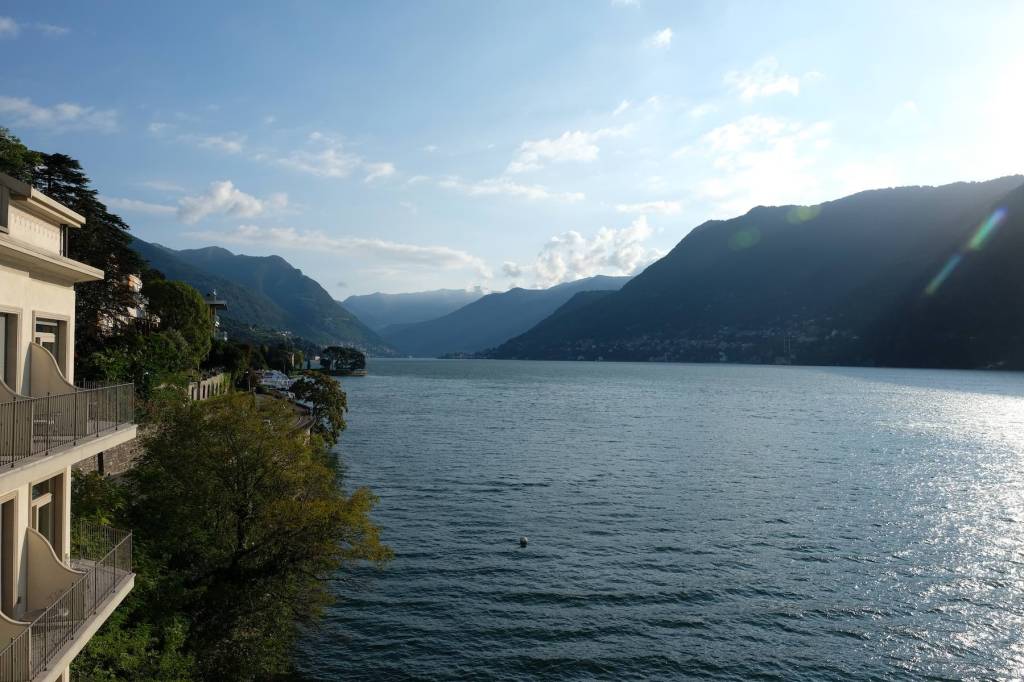
As I described it above, it was one of our highlights of the trip. It’s really beautiful place merging lake and mountains into one. It’s popular among rich people and celebrities and you can easily see it even by the cars on the parking lot – I had to park our Ford Focus between Porsches, Jaguars and BMWs. We decided to spend a little bit more money there and take really good hotel with lake view. We were lucky, because due to the pandemic we managed to get that hotel for way cheaper price than normally (but still expensive). It was worth the money – waking up in the morning and seeing from the bed sunrise over the lake was really priceless.
Around lake there is a town which is probably worth visiting, but we decided to skip it as at that time lake Como neighbourhood was one of the centres of pandemic in Italy. But if you will travel there in post CV-19 era, it will be worth to visit this city as well!
Day 3, 4: Florence
On the next day we drove to Florence and logged in to a really beautiful hotel there (Art Hotel Villa Agape) – I highly recommend it as it’s located a little bit further from the city, around beautiful hills (they provide shuttle bus for visiting city centre). Hotel was quite old, but very stylish and had a lot of facilities like its own big garden or jacuzzi.
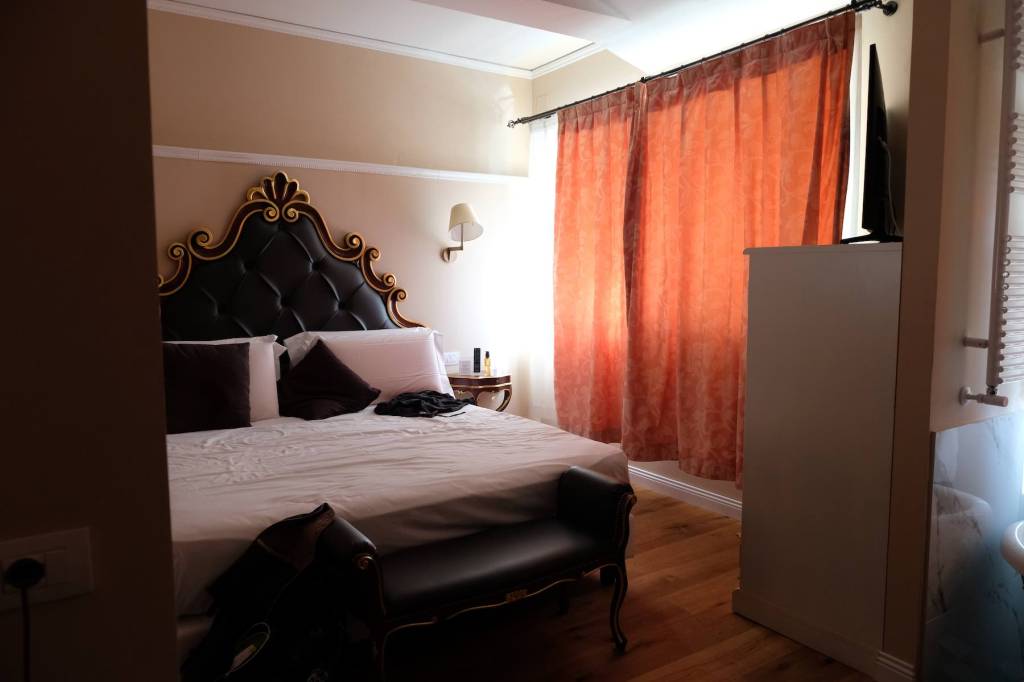
Florence is one of the most beautiful cities I have ever been to. When you walk around the streets you feel like you were transported to the Medieval times. City looks like it didn’t change a bit since then. Streets are full of life and energy, you can enjoy historic buildings, craft shops and amazing restaurants. Florence is also home for famous Renaissance museums and historic buildings. Just spend 2-3 days there strolling around the streets, shopping in small shops and visiting museums and restaurants.
Uffizi museum
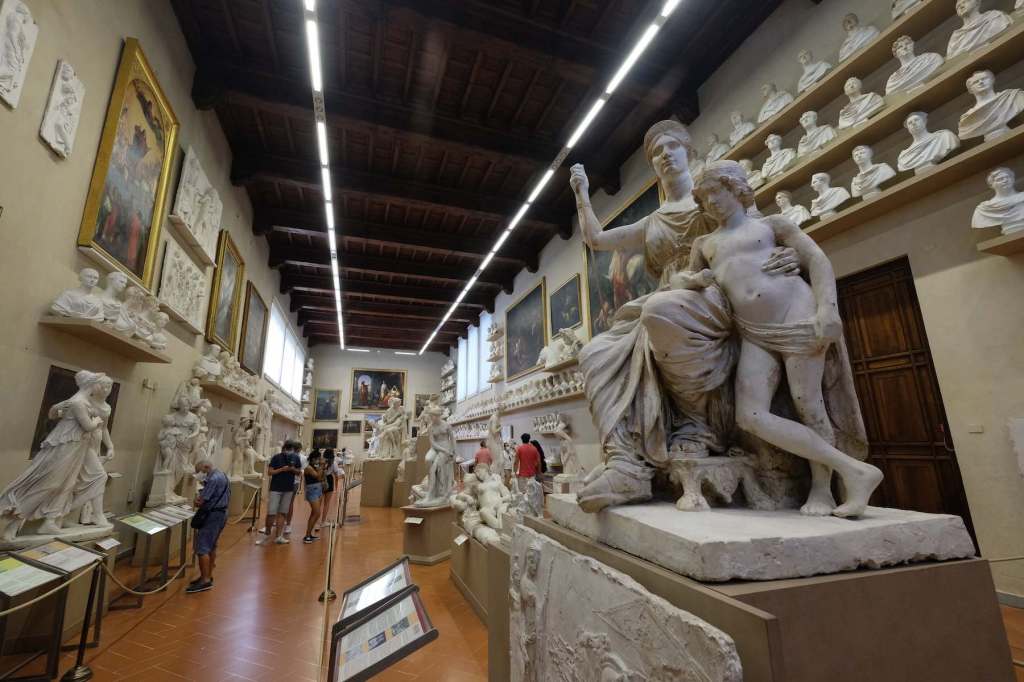
One of the most famous museums of Italian Renaissance, but you can find there a lot of Roman and Medieval art. It will take you few hours to walk around all the rooms, but it’s absolutely worth it. The only thing you need to be aware of are long lines to entry. You need to buy ticket well upfront to avoid several hours of waiting.

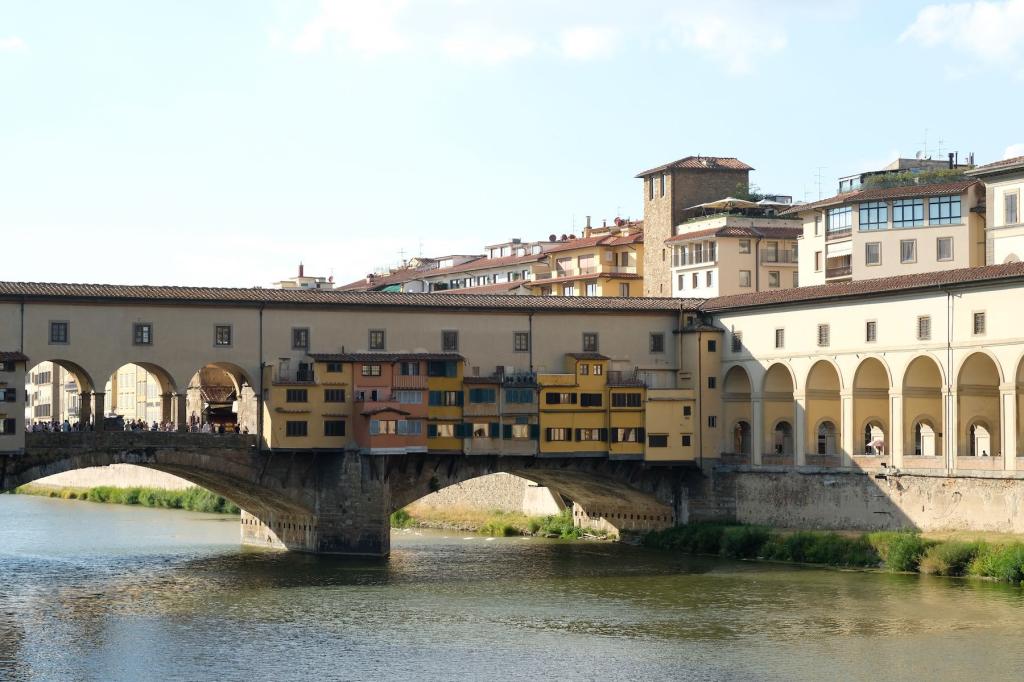
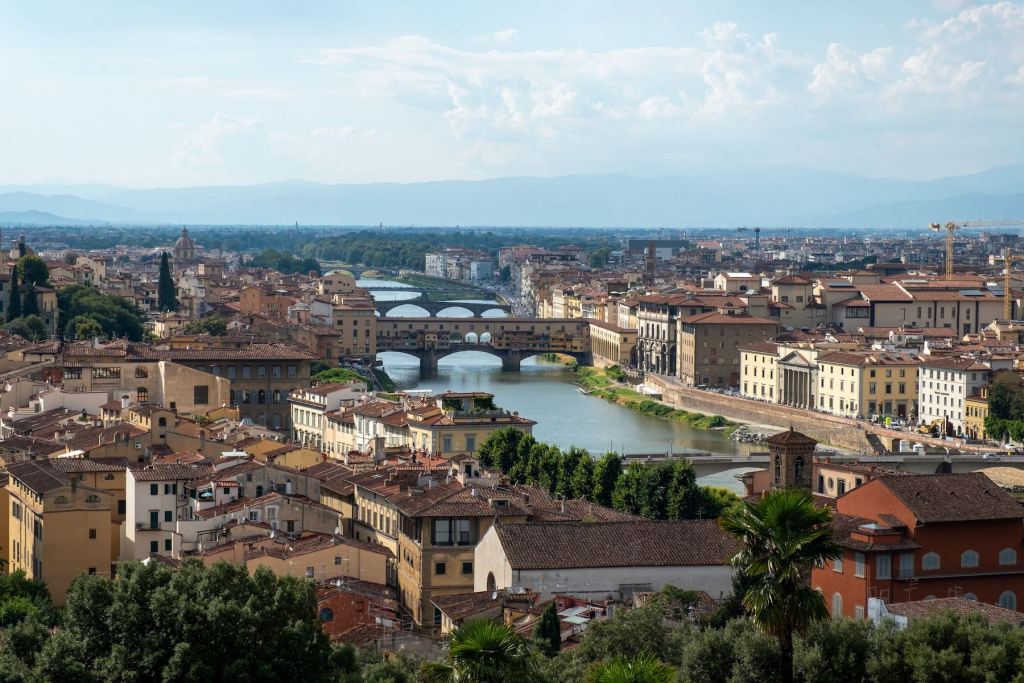
Ponte Vecchio
Famous bridge which has homes growing over the water out of one of its sides. It looks very unique and I didn’t see anything like this in any other city. The best view is from Uffizi museum, but unfortunately for photographers – it’s behind the glass.

Galleria dell’Accademia
A lot of Renaissance art, but in reality everyone is going there to see only one thing – world famous sculpture of David by Michelangelo. And I must admit – it’s absolutely worth it. It’s really stunning sculpture. It looks so real that you would expect David to move any moment.
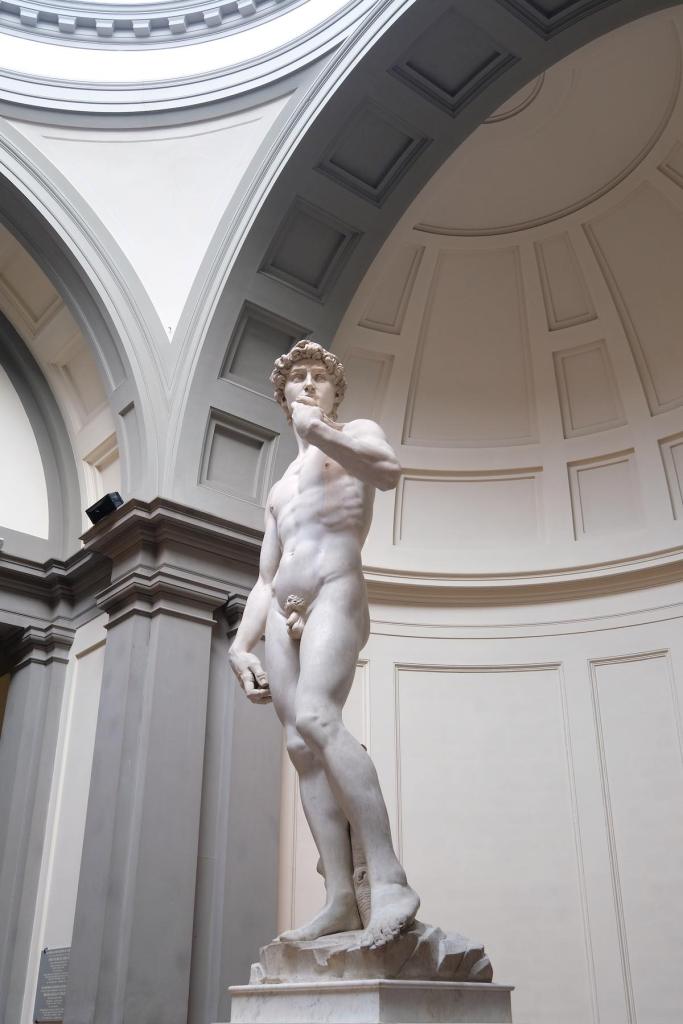
One remark only – even tough it’s not as crowded as Uffizi, it’s still quite a long line to get in, so better reserve tickets earlier.
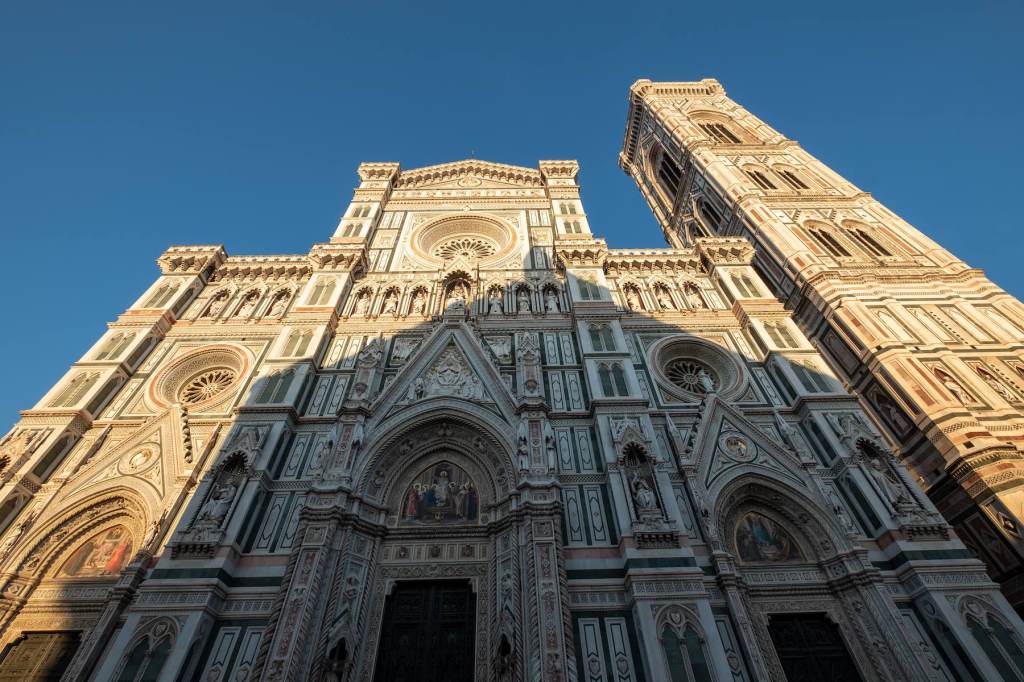
Cathedral of Santa Maria del Fiore
Cathedral with one of the biggest domes in Europe. Symbol of power of Medieval Florence Republic. It has absolutely stunning elevation. Surprisingly, the inside is way less impressive than the outside. However, you can still book a tour to visit the dome – I’m pretty sure it will be quite impressive also on the inside. Unfortunately, we didn’t manage to book the tour due to the limitations during pandemic, but if you want to get it – you need to do it well in advance.
Piazzale Michelangelo
The best place for photography in Florence. Absolutely stunning view on the whole city. It does not appear that often in guidebooks, but it’s the place to visit in order to experience unique architecture and rich history of the city in one single view.
Day 5: San Gimignano, Siena and Chianti’s towns
In the afternoon of day 4 we moved to Chianti region. It’s part of Tuscany and it starts right after Florence. It’s more rural area with many villages and smaller towns. It’s very famous of typical Tuscan landscapes – hills, vineries, olive trees and old stone houses. We spent there 2 nights, but one full day we spent on driving around Siena, San Gimignano and other small towns. It was really amazing drive and I enjoyed views a lot!
We stayed in an awesome place – Poggio Alle Lame. It’s really cool farmstay owned by the super welcoming host – Beatrice. It’s surrounded by olives trees, wine grapes and beautiful view over Tuscan hills. There is also swimming pool and super tasty food cooked from local vegetables. Highly recommended!
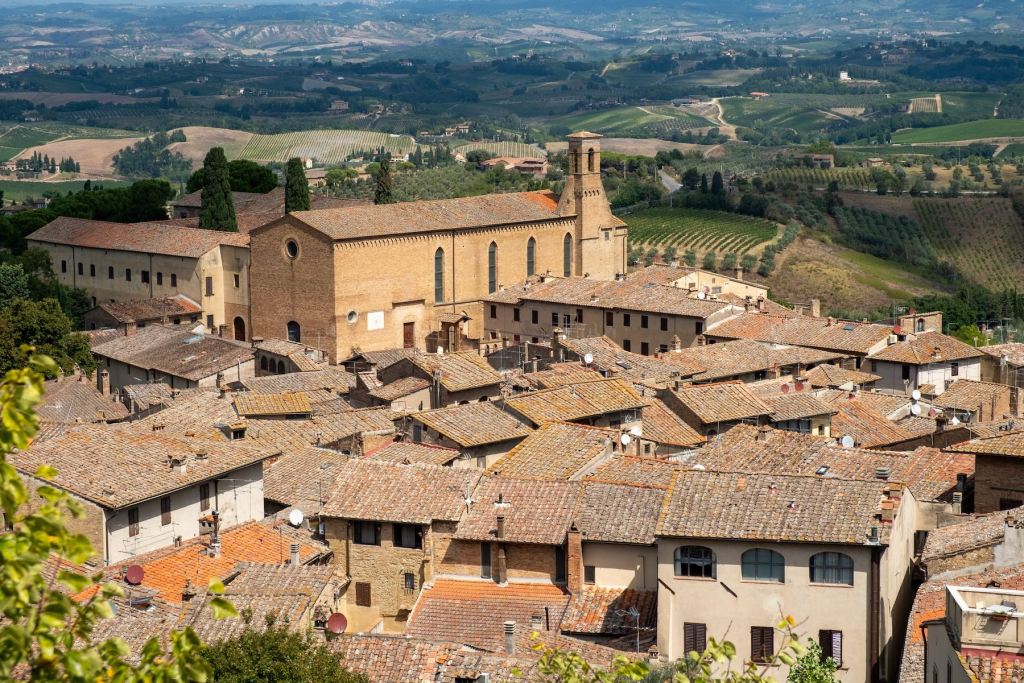
San Gimignano
Small medieval city famous of its old town consisting fully of stone houses connected tightly with each other. It’s very famous and I can understand why – it has very unique architecture and atmosphere. It’s worth to just stroll on the streets in the sun and get lost in small side alleys. If you want the best photos – try to get to the hill on the side of the city.
There is a lot of craft shops there so if you want to buy local products like olive oil, wine or meat – it’s probably the best place to do it (but prices may be higher and more oriented towards tourists). Alternatively you can just ask people at your accommodation – there is a high chance they will be able to sell you local products at way cheaper prices.
Siena
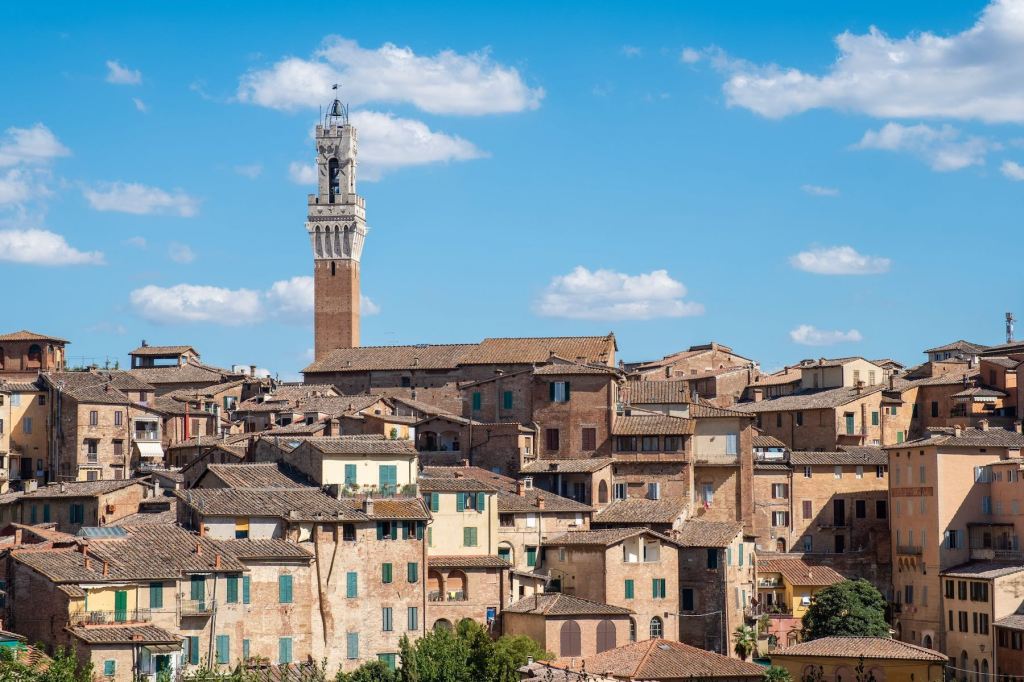
Back in the time Siena was an independent republic that was trying to compete with Florence. Famous of its banking industry, nowadays its main source of income is tourism. Siena is somehow similar to San Gimignano, but at bigger scale. While walking around the city you really feel like you are back in Medieval times. Must see places in Siena are Piazza del Campo and Basilica Cateriniana San Domenico – the second one mainly due to the amazing view over the city from the spot next to the Basilica.
Chianti’s towns
On the way back to our accommodation we decided to get out of the main road and go between small Chianti towns – Castellina in Chianti, Greve in Chianti and Panzano. That was perfect choice as it allowed us to experience a lot of beautiful Toscan landscapes. These towns on itself are quite similar, but you can find some pearls there as well. Just drive slowly and look on the sides. My favourite spot was Church of Saint Bartholomew near Barberino Val d’Elsa – it is located on the hill with beautiful view over nearby fields. Especially gorgeous during night when church and old city walls are illuminated.

Day 6: Pisa and drive to Lugano
Day 6 main goal was to drive back to Switzerland and on the way check Pisa and leaning tower.
Pisa
I must admit that at the beginning I was really sceptical about visiting Pisa and I felt it’s more kind of traveller duty rather than pleasure. However, I was positively surprised. Leaning tower is really interesting and looks super weird. I think it’s mainly because it started leaning already during the construction so builders tried to build the top of the building in the way that would compensate leaning in the middle part. As a result, middle part looks way more crooked than the top part.
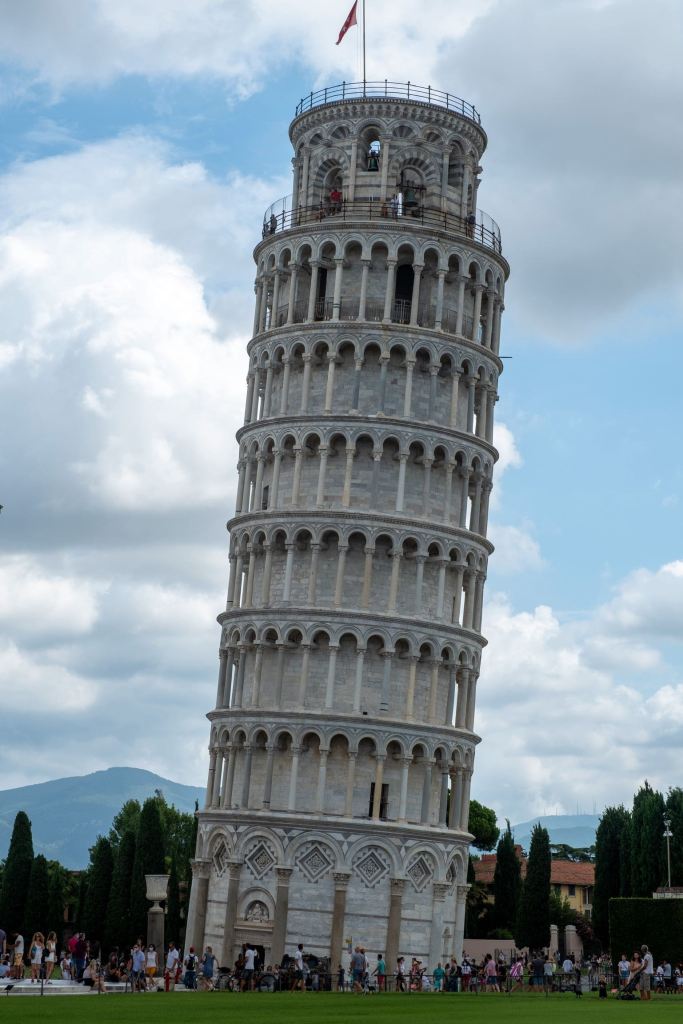
It’s worth mentioning that leaning tower is just free-standing bell tower next to Pisa cathedral and that around the tower you can find several other beautiful buildings. Most of them were built in the 12th century – I must admit this was pretty surprising for me as I would not guess they are so old – they look way more like work done in Renaissance. Especially because the tower is pretty tall as for Medieval building.

Day 7: Lugano and Fiesch
On the day 6 we slept at Lugano on the Swiss side. In the morning of day 7 we went around Lugano and then we went to Fiesch. Unfortunately, weather was really bad and it was raining heavily. Not only drive was rather unpleasant in such conditions, but we also learnt later that there was flood in Lugano and we had left the city in the last possible moment.
Lugano
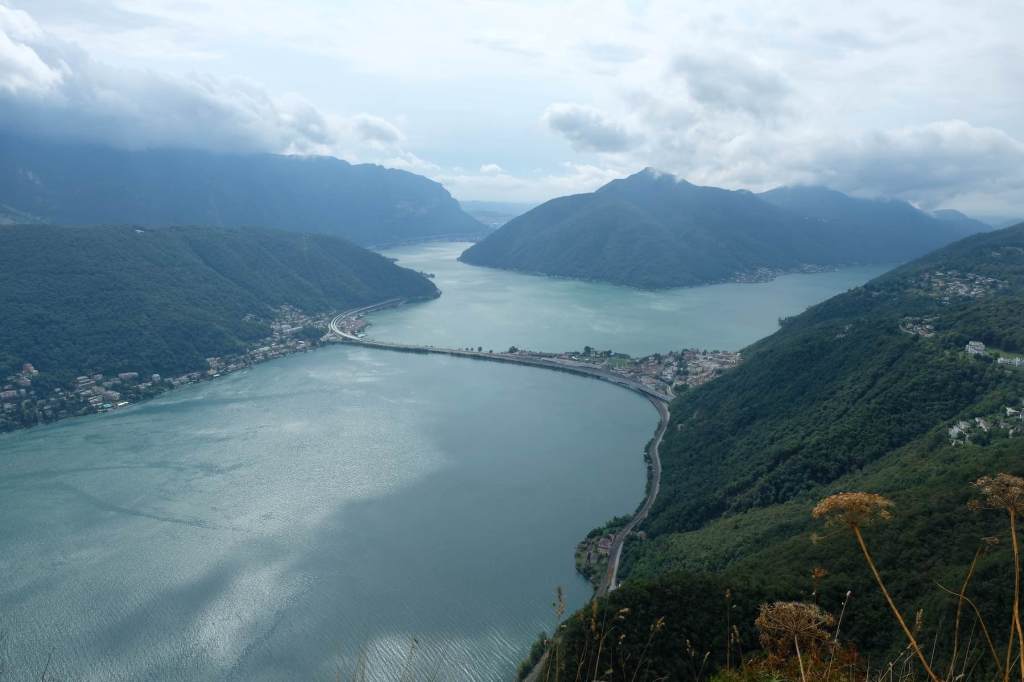
Due to the rain we didn’t visit too much in Lugano. However, we took the Funicolare San Salvatore which brings you to the top of San Salvatore mountain. View from there was really beautiful regardless of the rain and clouds.
Fiesch
Initially, we wanted to visit Fiesch to take cable car to the top of the nearby mountains to see Aletsch glacier – one of the longest glaciers in Europe. Unfortunately, due to the rain and mist there was no visibility at the top, so we decided just to walk around the village and enjoy Alps in the rain. Fortunately, Aletsch glacier was also visible few days later from the other part of Alps we visited.

Day 8,9: Zermatt (Matterhorn)
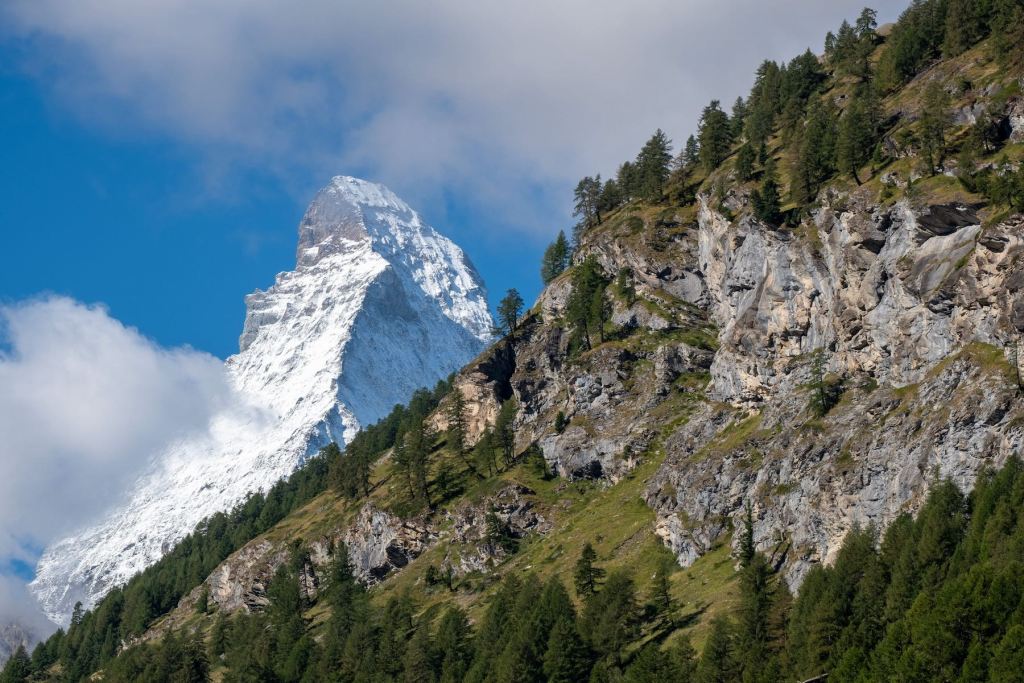
The next day we drove to Tasch, where we left our car and we took a train to Zermatt (it’s car-free zone). As on day 8 the weather was still not really good, we just walked around the city and spent afternoon and evening in the room. Fortunately, we booked pretty good hotel and it made the waiting much better. We booked room with the view on Matterhorn, but on the first day there was too much fog to see it. Luckily on the next day weather became way better and we finally saw the famous mountain. Better weather allowed us also to go for some trekking on that day.
Zermatt
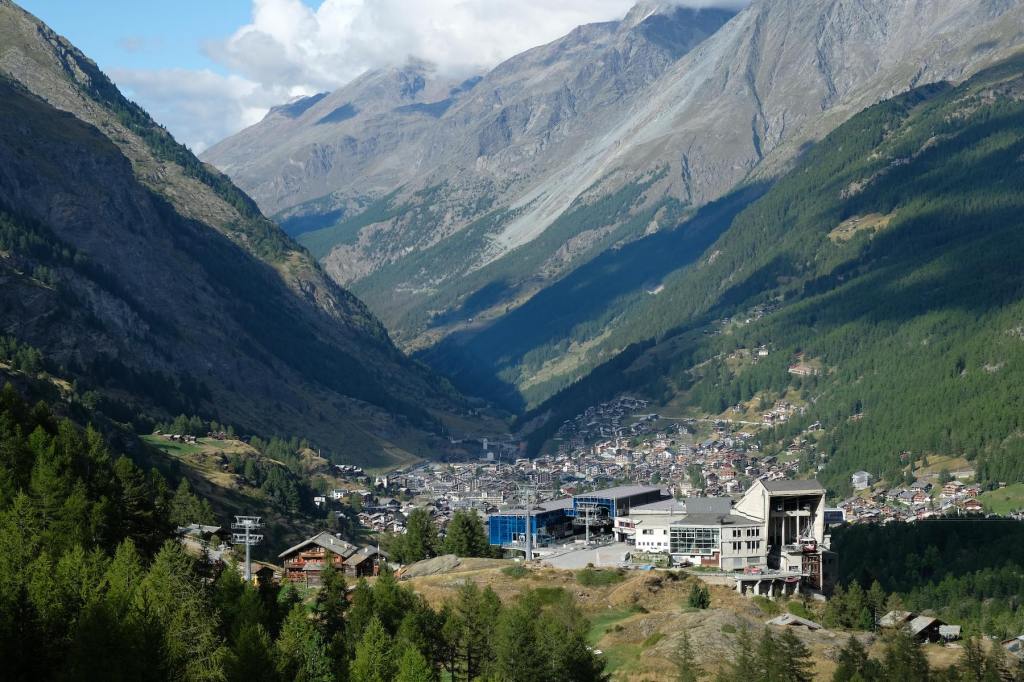
It is an attraction on its own. Car-free, well-maintained and very rich, this town is probably the model Swiss Alps ski resort. It has cute wooden houses which makes the vibe very cozy. There are also a lot of nice restaurant and shops so even if you are stuck there because of the bad weather, you will probably not be bored.
Matterhorn
As I described before, Matterhorn is really a unique mountain. It has spike shape, sharp edges and when you look at it you really start thinking on how you could get to the top. Despite its look it’s not that hard to reach – you will not need any special climbing skills. It’s enough to be comfortable with scrambling, but you still need to have so called “sure foot”, lack of even smallest fear of heights and proper training in smaller mountains. And still it’s pretty dangerous – quite some number of people die every year trying to get to the top.
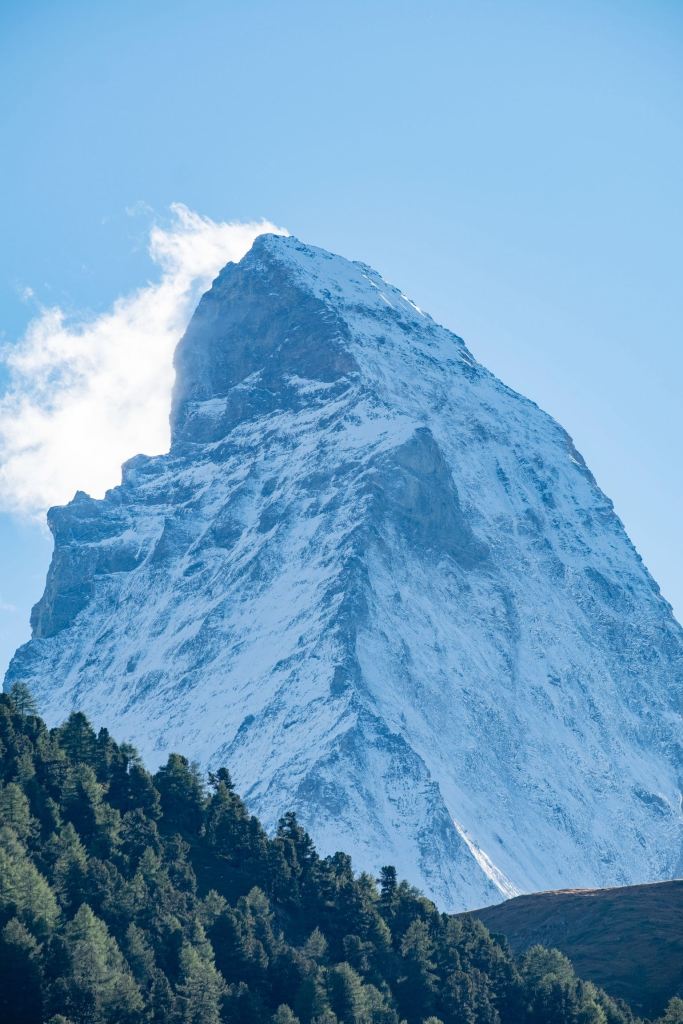
It’s hard to miss Matterhorn when you are in Zermatt. The mountain towers over the town and is visible from almost any spot. But if you want to get closer look, the best option is to use cable cars and visit Glacier Paradise. It has absolutely stunning view on whole mountain range and you can take elevator to the special observatory desk. There is also quite cool exhibition of ice sculptures in the ice cave below the station. One side note – don’t forget that Glacier Paradise is almost at 3900 m. This means you may feel very tired while even walking there. Take it slow and hydrate yourself properly!


Trekkings
Good alternative for enjoying Matterhorn view is also to take one of the walks around the area. There is really a lot of options and you can blend together walking and cable cars. If you go to higher parts, you need to be aware that you will have snow even in the middle of summer.
Due to lack of time and long day, we decided to make less strenous walk – we took cable car from Zermatt to the nearest village of Furri, there we walked to the hanging bridge and then walk back to the Zermatt. It’s around 1 hour of walking distance. We made it in the late afternoon, so light was really amazing and we really enjoyed the views! And I was lucky to meet colleague from previous job in the middle of the trekking! It was quite a big surprise, but really nice one as well!

Day 10: Montreux and Geneva
Next day in the morning we took train back to Tasch and drove to Lake Geneva. On the way there we also stopped at the famous castle in Montreux.
Montreux
We didn’t really walk around the city, but just stopped at the castle nearby. You can find it in many guidebooks and on postcards. Indeed, it looks quite cool – almost like it’s floating on the water with whole lake behind it. Really worth visiting – even if just for taking few nice photos!

Geneva
City famous of its watch making industry and many international organisations having their headquarters here – the most notable one is of course United Nations second headquarter. This makes city really international and you can meet people from all over the world there.
Geneva is beautifully located at the Lake Geneva. We arrived in the afternoon and we took very pleasurable walk around the city centre and the lake. The atmosphere was really slow-paced and for a second I had a feeling that this is how coast in the South of France must look like.
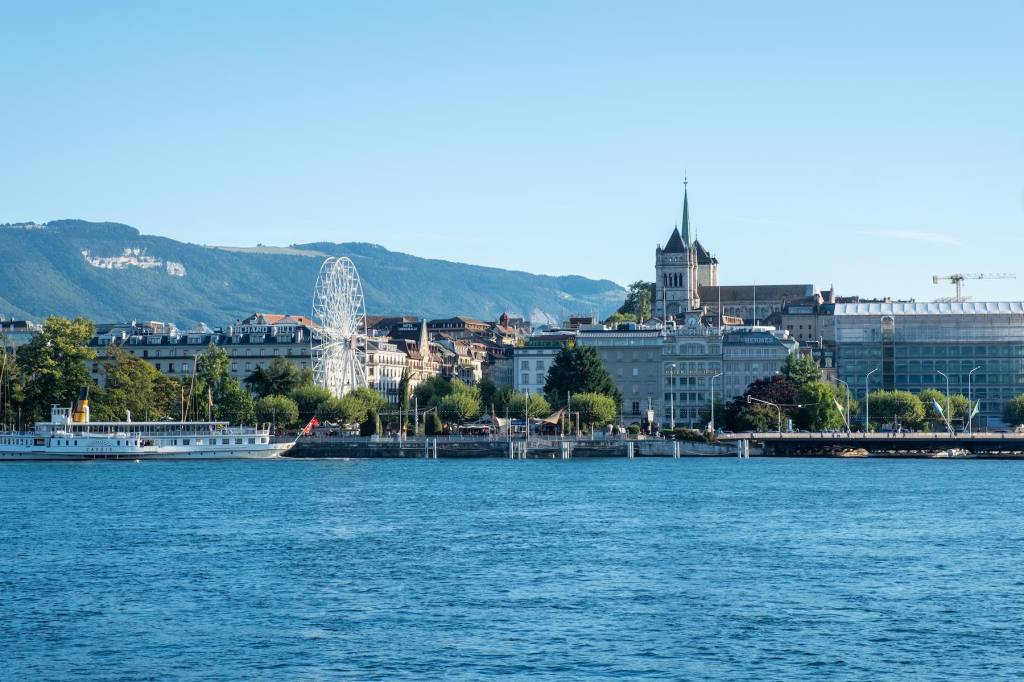
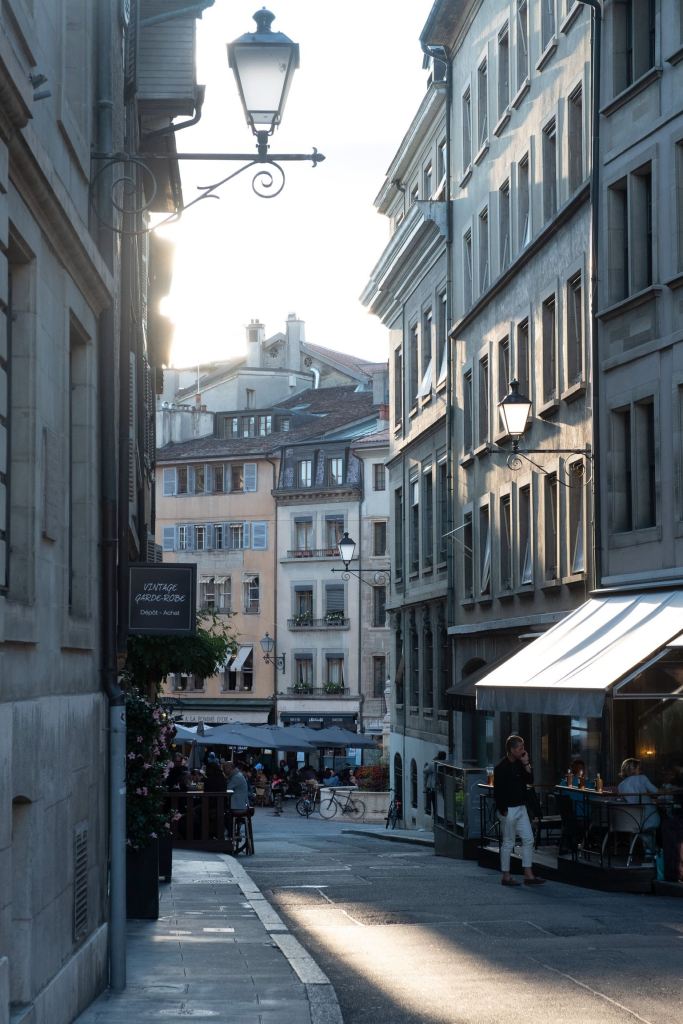
For me the most beautiful part of Geneva was the old Medieval town. Especially at the sunset, with all the cafes and old buildings – I really enjoyed walking there.
If your hotel will be nearby, I also advice to visit small district of Les Grottes – it’s area with bohemian vibe and it’s full of cool bars, restaurants and cafes. Also buildings around are very unique and weird at the same time. We bumped into this place by accident on the way back to the hotel, but it was worth walking around.
Day 11, 12: Grindelwald, Jungfraujoch, Lauterbrunnen and Schilthorn
Next day we moved back to the Alpine area and visited one of the Swiss pearls – Jungfrau region. It’s located in the Bernese Alps and it’s full of attractions. We decided to book hotel in Grindelwald, but it’s equally good choice to stay in Lauterbrunnen – anyway you want to visit both. Some people prefer to stay in Interlaken (which is entry for both Grindelwald and Lauterbrunnen), but I would rather suggest you not to do it – you will spend too much time commuting, while there is a lot to see at the spot.
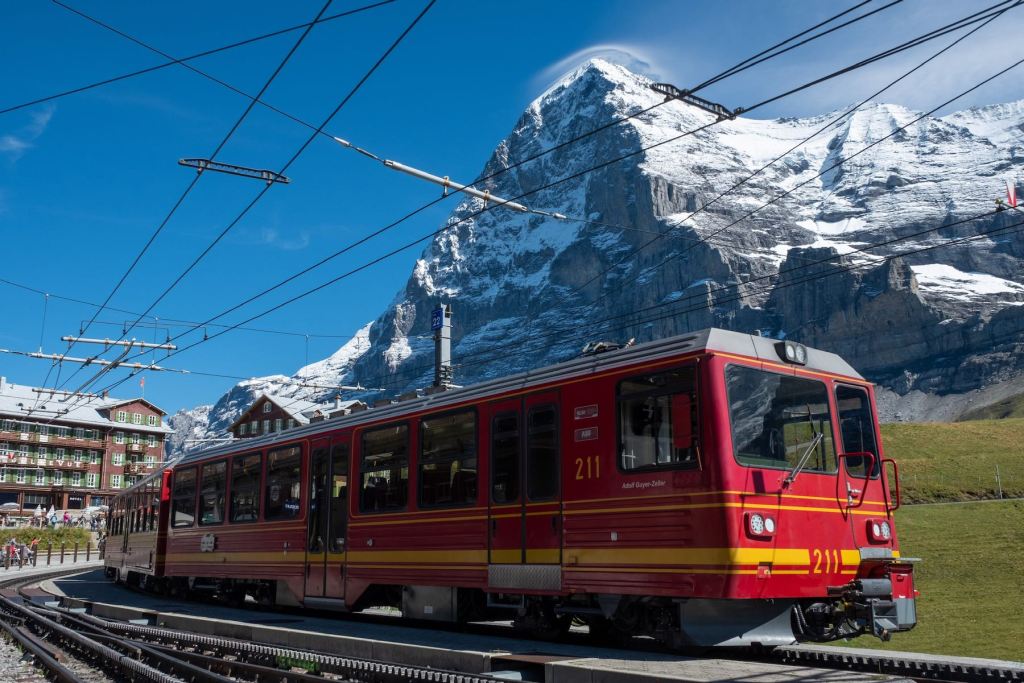
During your stay in the area you will use a lot of trains and cable cars. In order to avoid too much costs, I highly advise to buy one pass which allows you to use most of the trains and cable cars in the area. It will also include ticket to Jungfraujoch. It’s pretty expensive, but if you are going to visit a lot of places, it will be way cheaper than separate tickets. It will give you access also to cable cars to Grindelwald first, trains to Lauterbrunnen or transportation to Murren where you can catch cable car to Schilthorn (and with the pass you will get also discount for that cable car).
Grindelwald
Grindelwald is a village / small town located very close to the mountains. It spread over hills in the valley and you can see beautiful view of traditional wooden houses on the lush green hills with high Alps mountains behind. It’s really stunning, especially if you have window in the direction of the valley.

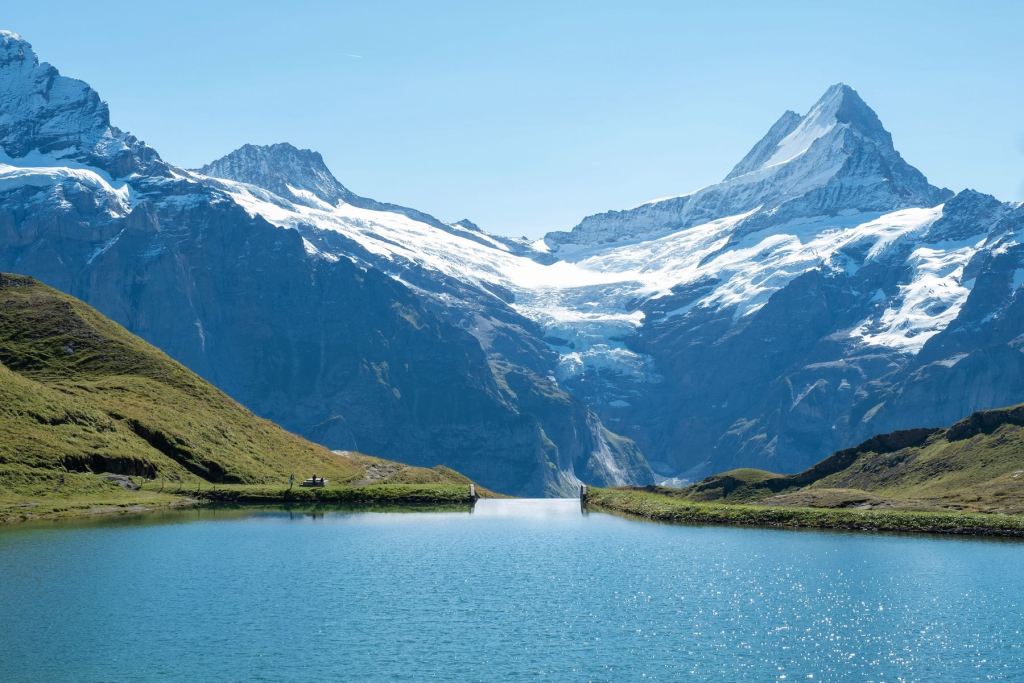
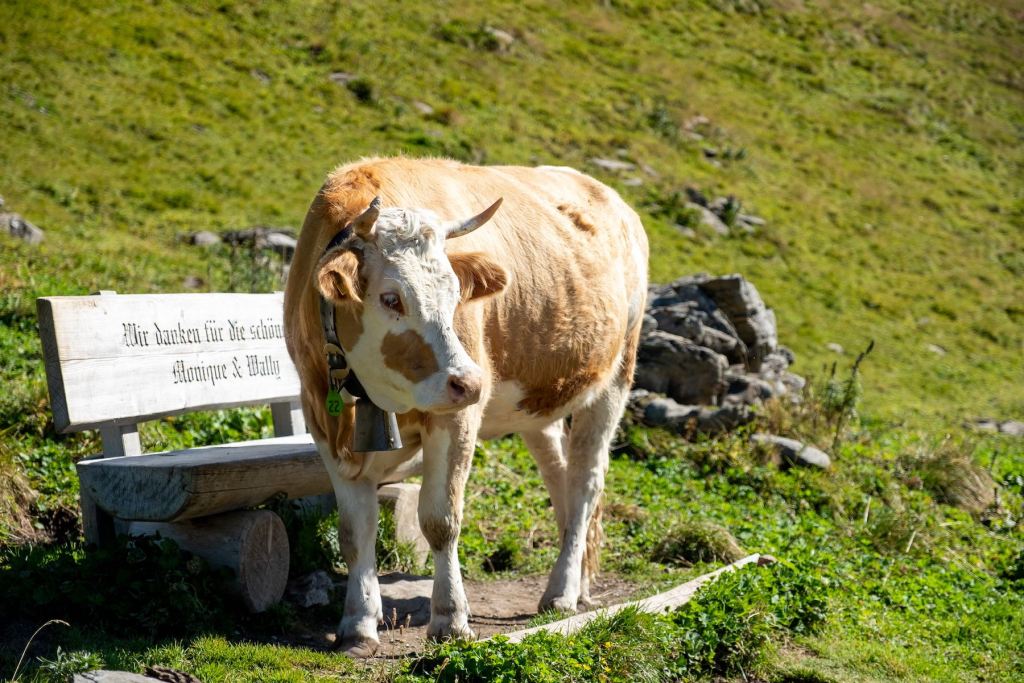
Grindelwald is connected by cable car with station First. You can get there and try some extraordinary activities like zip lining or downhill carts racing, but even more interesting is the hike to Bachalpsee. It will take you only 1-2 hours to get there, but it’s really worth to do it! View is absolutely stunning (one of the best in whole Switzerland) and on the way you will see a lot famous Swiss cows with bells on their necks (no, they are not violet and don’t have Milka brand on it). On the way back next to the station there is Cliff walk where you can walk on the special track over the chasm. Pretty cool, but not for the ones with faint hearth!
Jungfraujoch
I already mentioned this place in top places to see in Switzerland. And I still stand behind my opinion. It’s really engineering miracle – the whole train track built inside the mountain, station just below the surface and small observatory on top of it. It’s really must visit place!
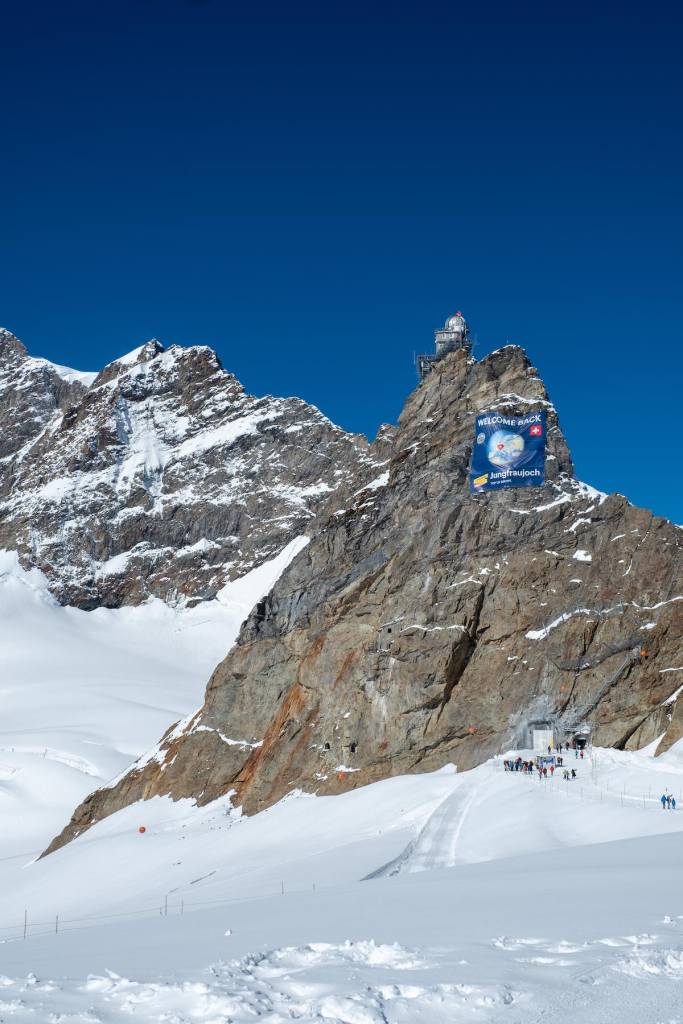
To get to Jungfraujoch (so-called “Top of the Europe”) you need to buy pretty expensive tickets and book exact trains there and back. You will first take a local train to Kleine Scheidegg and then you will switch to the special train to the Jungfraujoch.
Once you are at the station at the top, you will have time to go outside to the viewing terrace. Landscape is really stunning – you can see Altesch glacier and whole mountain range around you. Afterwards I highly recommend to leave the station and make 45 minutes walk to the nearby hut. Normally it would be rather dangerous to walk in such high mountains, but the route is well prepared and its safe to walk there even with children.

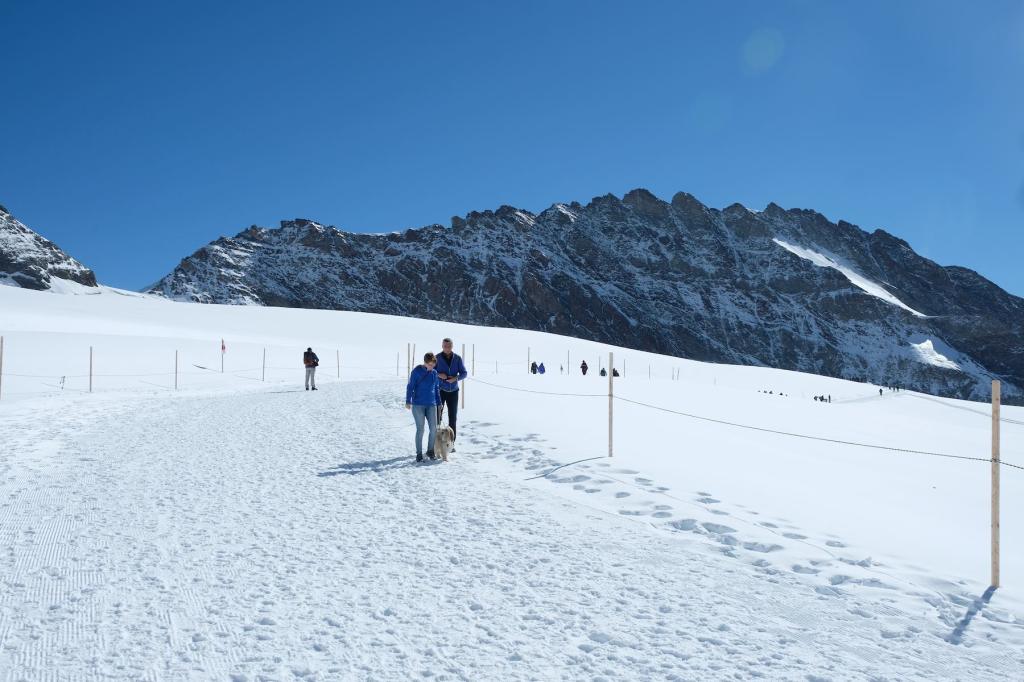
You will also need to book upfront hour of taking train back. My advise is to make it later than you plan to stay as you can always try to catch earlier one – we had no problems with that.
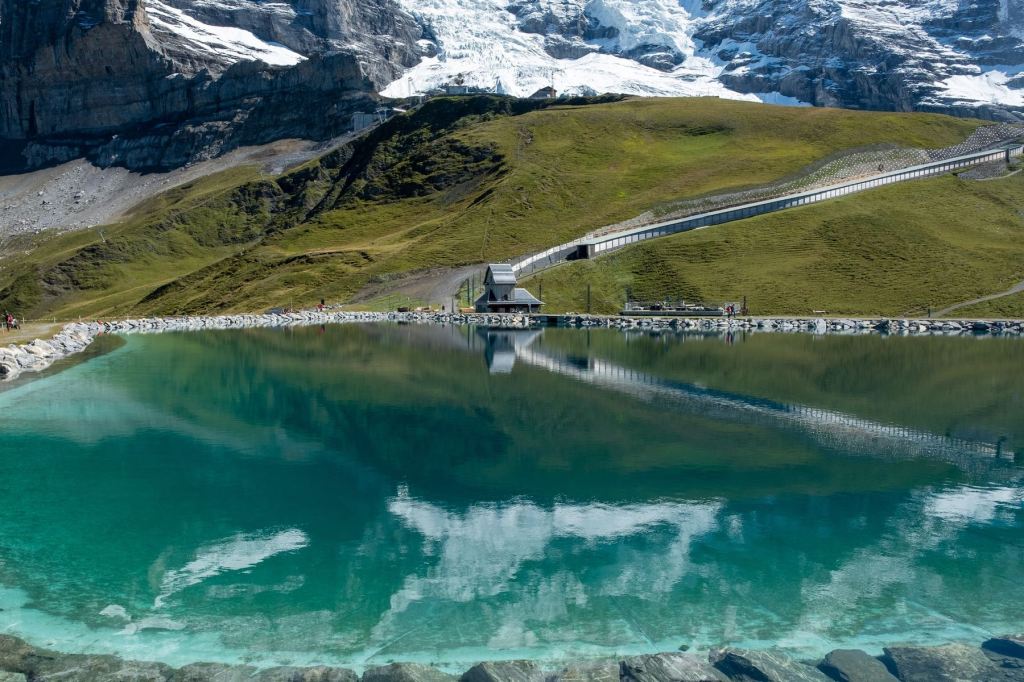
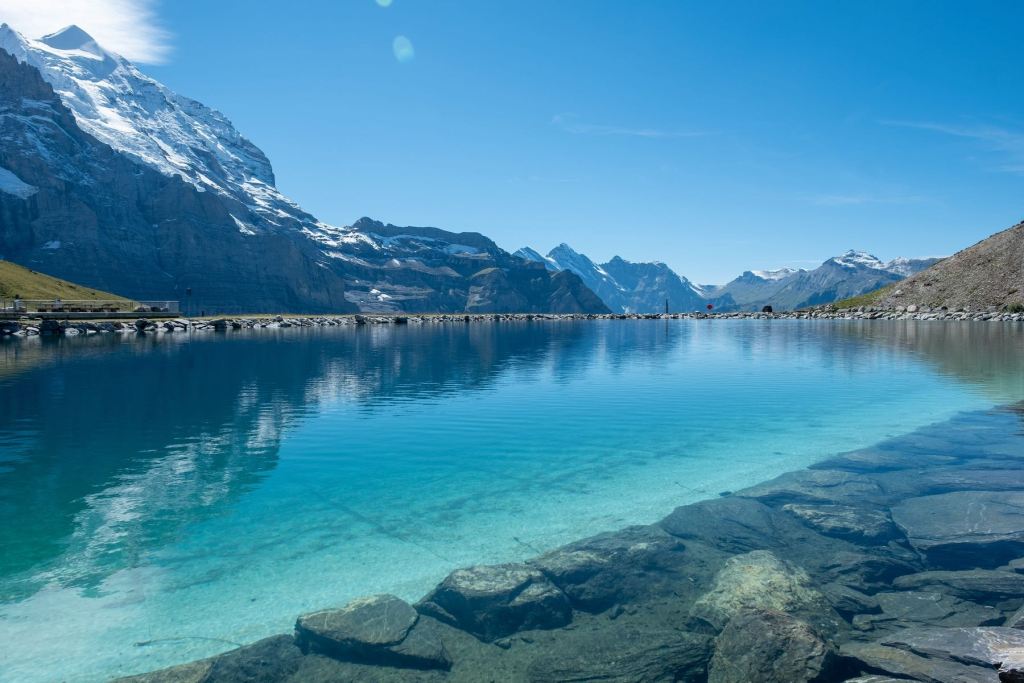
On the way back we did one cool thing – we didn’t come back to Kleine Scheidegg directly, but jumped off the train in the intermediary station of Eigergletscher and then walk back to the Kleine Scheidegg. This route is absolutely stunning – you will have beautiful view on Eiger mountain and on the way you will see beautiful artificial lake with impossibly blue water. It may be artificial, but it’s still one of the most beautiful spots in whole Switzerland!
Lauterbrunnen
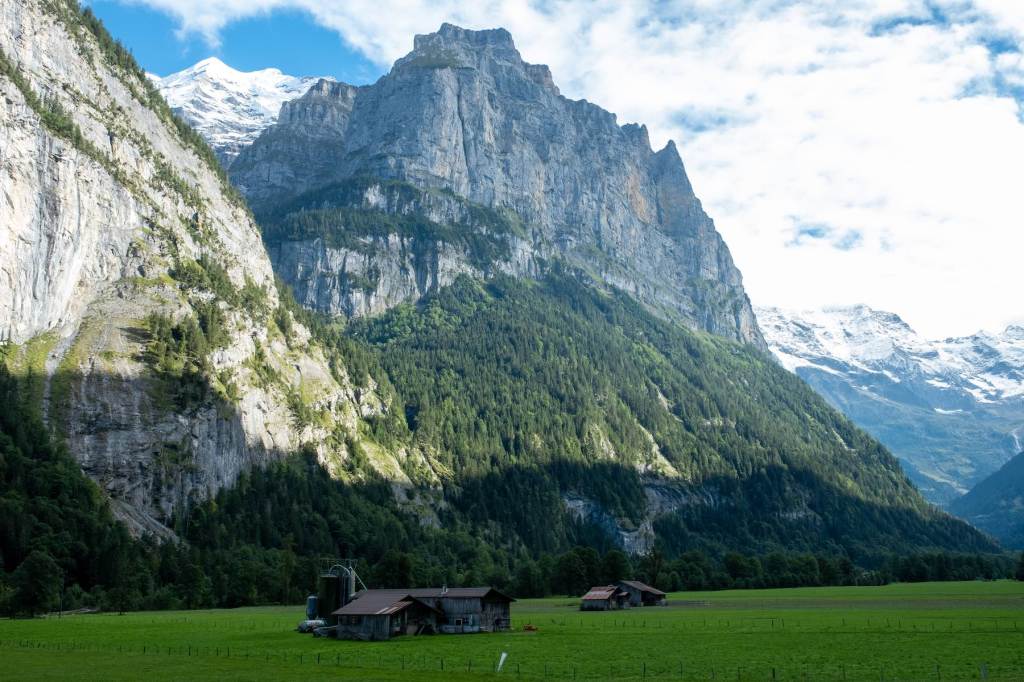
Instead of coming back from Jungfraujoch to Grindelwald we decided to go to the nearby town of Lauterbrunnen. It’s located at the bottom of a flat valley, between two vertical walls of nearby mountains. Thanks to this specific shape, valley is full of waterfalls. We walked from Lauterbrunnen around 1 hour and managed to see 5 of them. However, the best ones are at the end of the valley so either you take a longer walk or you will take public transport to reach there and come back. But I’m pretty sure it’s worth to get there.
Schilthorn
It may not be as popular as Jungfraujoch, but it’s still stunning. Schilthorn is a station at the top of the mountain with an amazing view on the nearby mountain range. It has a very unique shape that is easily recognisable after station was filmed in one of the James Bond movies. This distinguished shape is coming from the fact that top part of the station is in reality a rotating restaurant. It rotates itself 360 degrees over 1 hour.
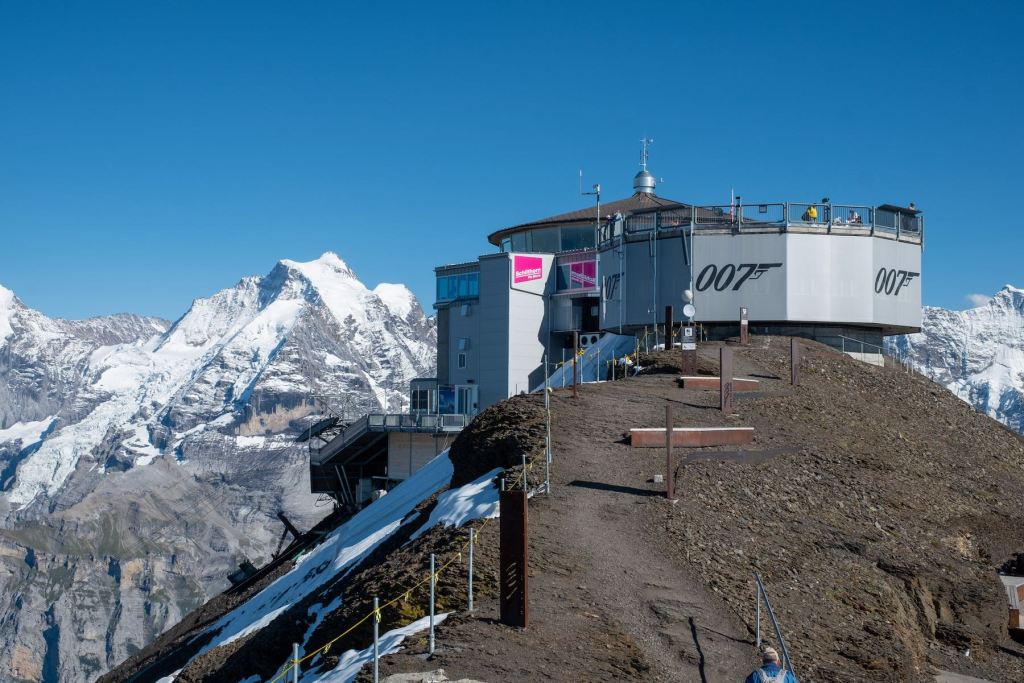
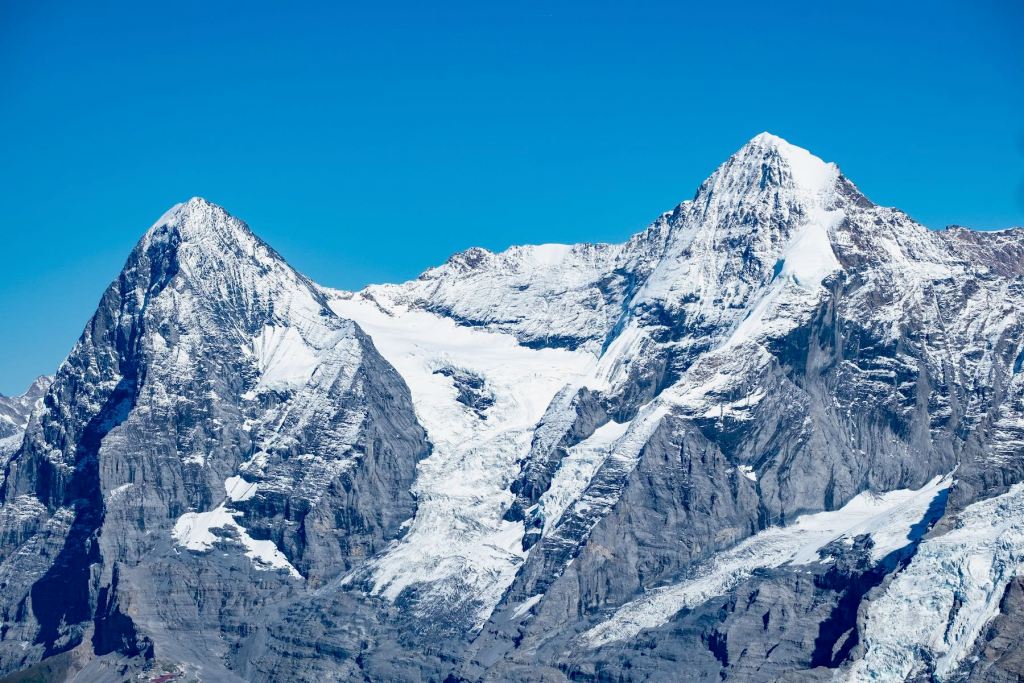
It’s relatively hard to get to Schilthorn. From Lauterbrunnen you need to take the cable car elevator to Grütschalp, where you change to train to Murren. In Murren (which is absolutely stunning small village) you need to change to cable car which take you to Schilthorn through Brig. At Brig station you may do so called “Thrill walk” on the glass over the chasm. Unfortunately, due to the lack of time we didn’t manage to try it out – we were going to Schilthorn in the afternoon and the last cable car for the way back was leaving moment after 17.

Day 13: Bern, Basel and drive to Luxembourg
On day 13 we started our journey back to Amsterdam. We decided to stop at Luxembourg and on the way still visit Bern and Basel.
Bern
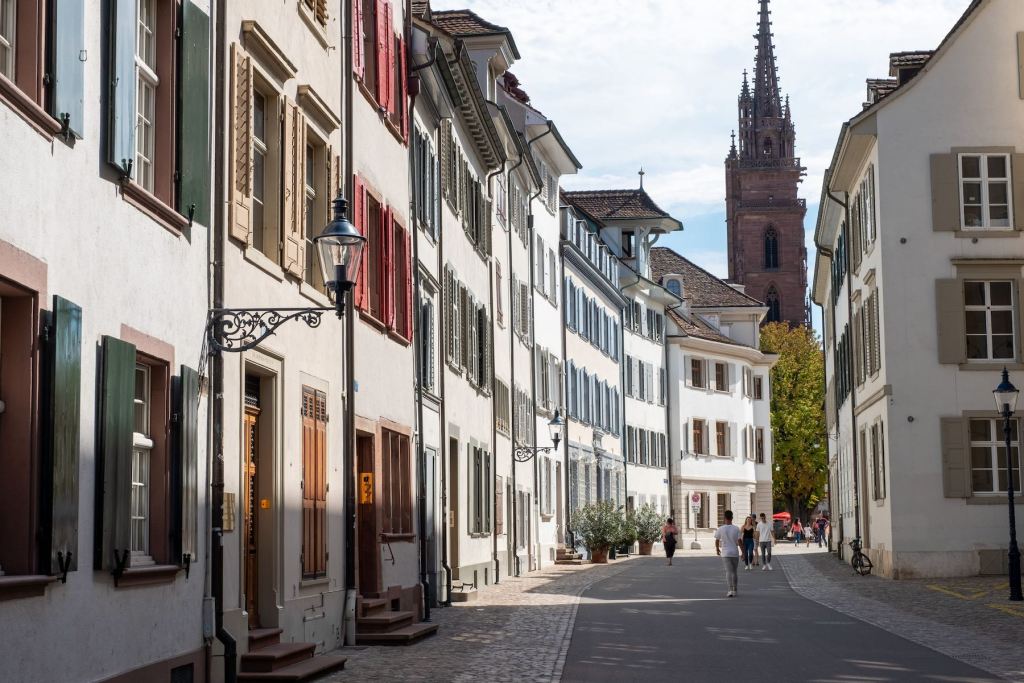
Not a lot of people remember about it, but the capital of Switzerland is Bern, not Zurich. It’s a smaller city than Zurich, but it has really cool vibe. We enjoyed 2 hours walk around the city on Saturday morning. It has nice main street with a lot of cool and very hipster shops in the arcades on the sides. There are also many cafes and weekend morning markets with fresh vegetables. City is also beautifully located and you can see river bending around it in a nice shape. I highly recommend this city for the visit!

Basel
It has slightly different vibe than Bern. It has very wide river in the middle and you can see that people enjoy many different types of activities on the water. Basel has also quite nice old town, but the real pearl is the art museum. It’s full of works of artists like Picasso, Monet, van Gogh and many more. We had some doubts if we want to visit it, but at the end we didn’t regret going there!
Day 14: Luxembourg capital and castles
Luxembourg
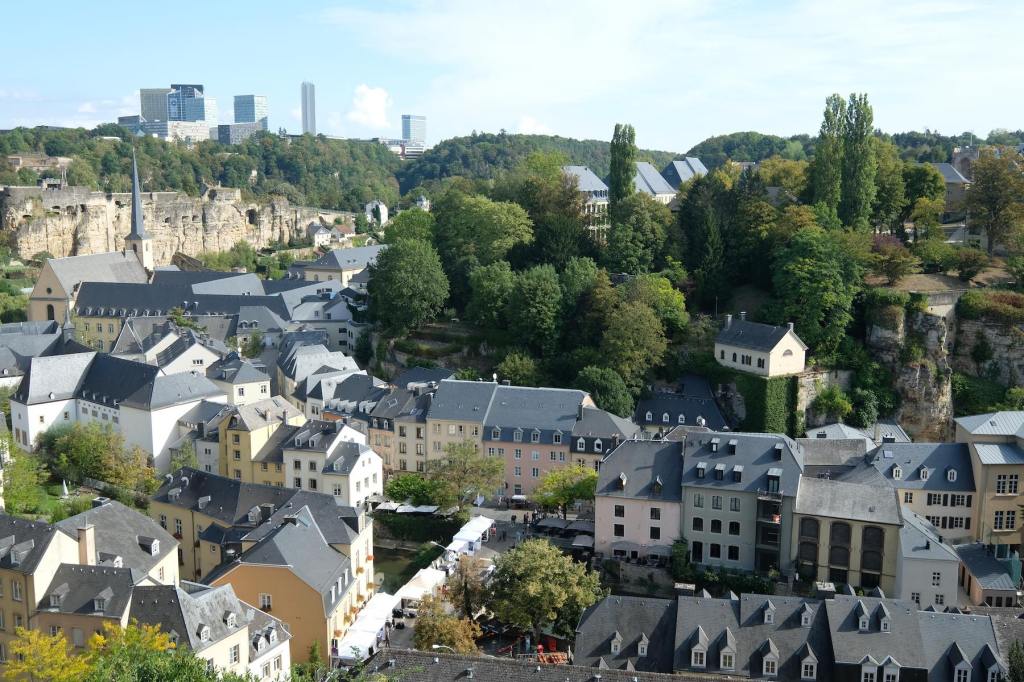
In the evening of day 13 we arrived to Luxembourg. Next day morning we walked around the city and visited Grund – medieval part with really nice charm. During the walk it became clear to us that Luxembourg is mostly business city and does not have that many tourist attractions. And you can notice that on Sunday there are barely any people there – most people live outside Luxembourg and come there only for work on weekdays.
Luxembourg castles
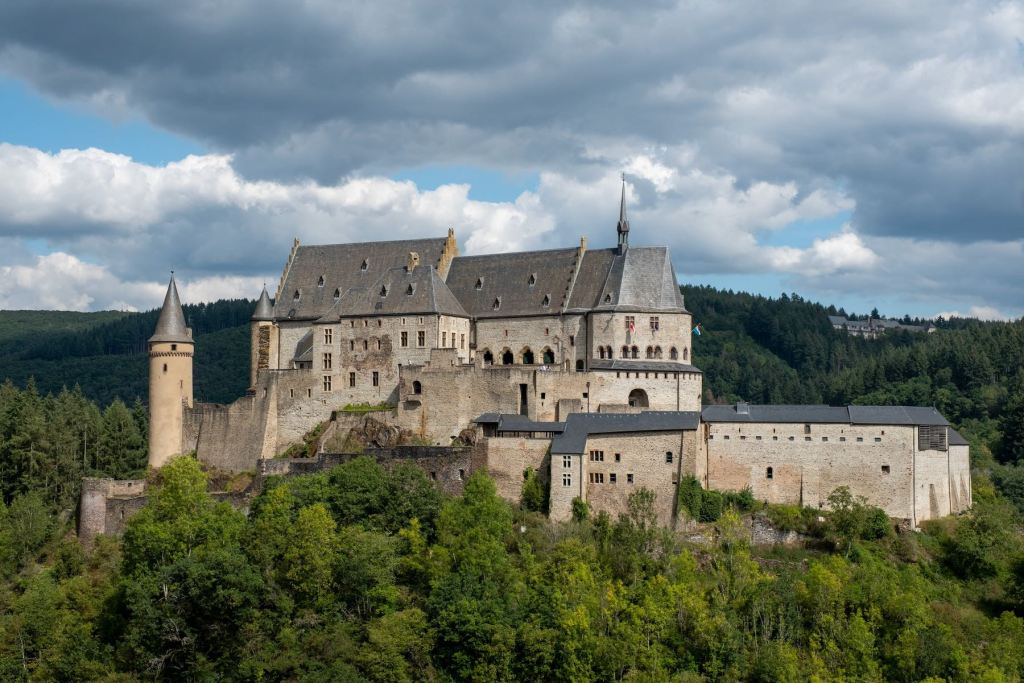
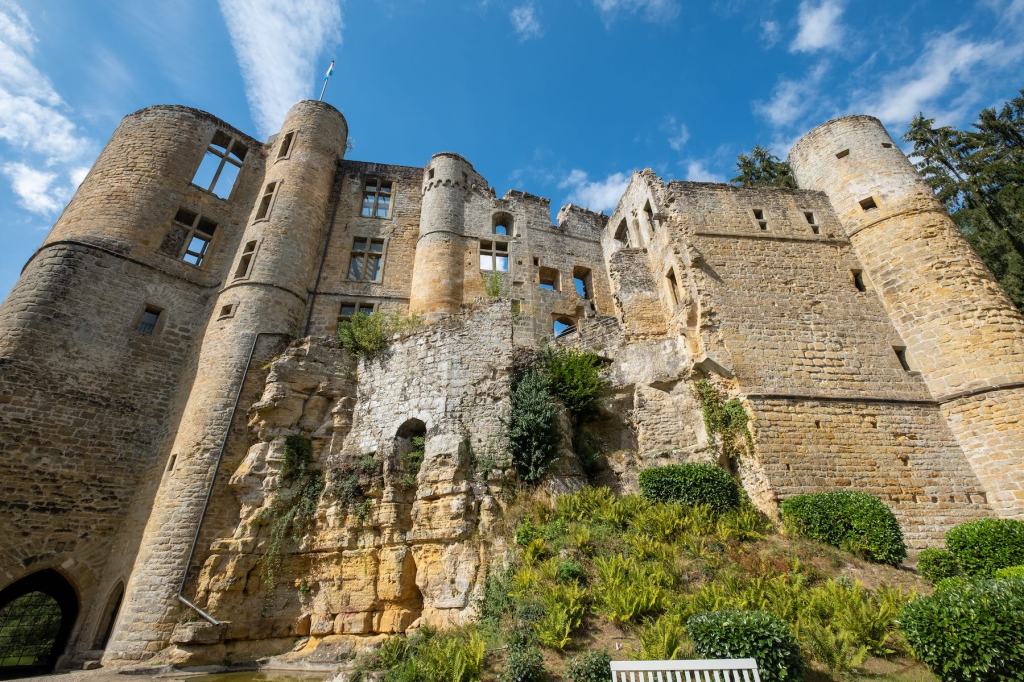
Luxembourg is not only a city, but also the state around that city. It’s a small country, but quite famous of its many castles. On the way back to Amsterdam we visited 2 of them – destroyed one at Beaufort and the second one at Vianden. Especially the latter one was really awesome – it’s in beautiful location surrounded by hills and forests and with charming small village next to it!
Back to Amsterdam
The last few hours we drove back to Amsterdam. Whole travel around Switzerland and Tuscany took us 2 weeks, but with all the things we saw and experience on the way I felt like we were travelling for much longer time. It was really amazing journey and I can’t wait to see again nature and mountains in Switzerland, beautiful landscapes in Tuscany and historic cities of Florence, Siena and Pisa!
 Ultimate Traveler