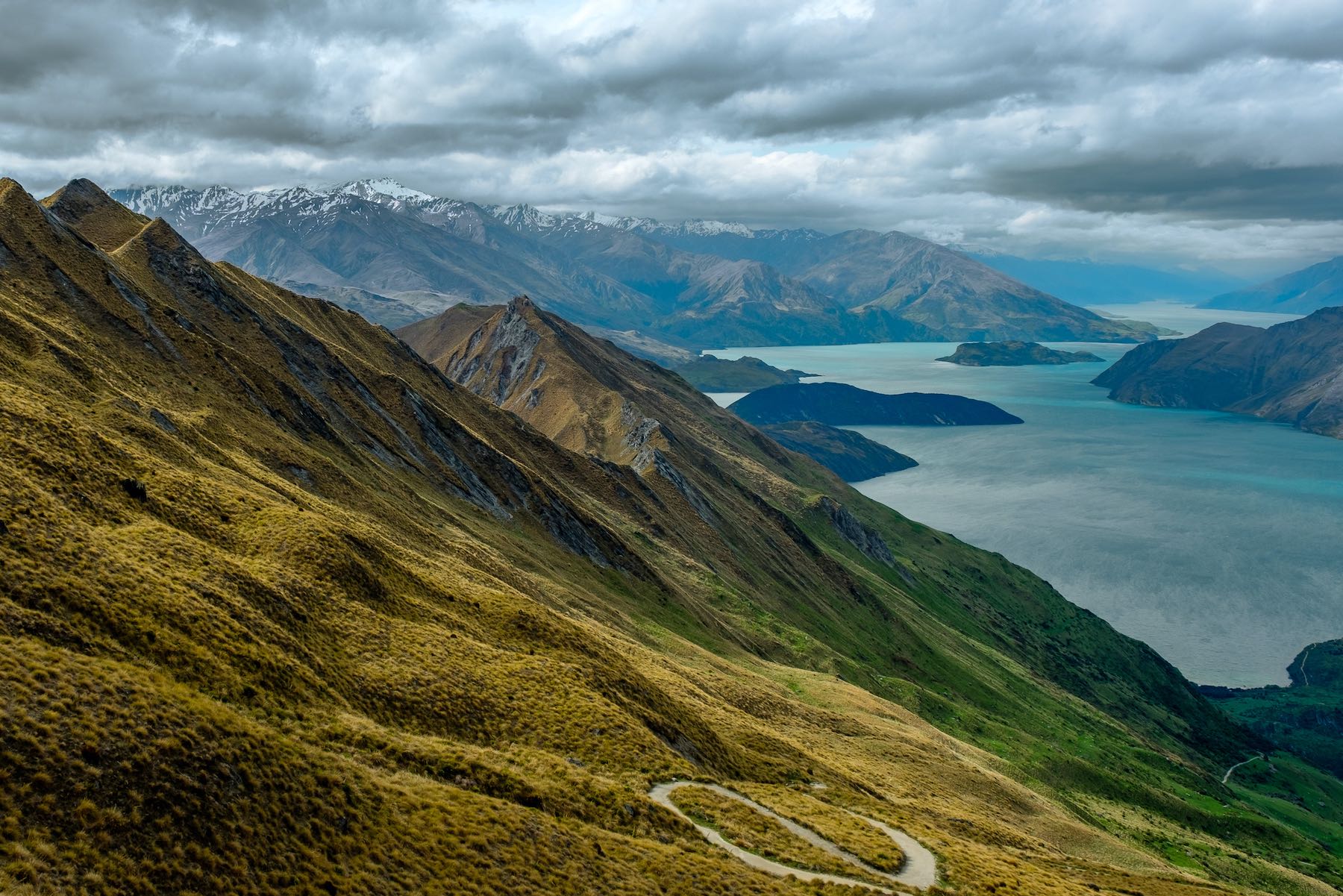
It almost sounds impossible writing this blog post during CV-19, but one year ago we were enjoying travelling on the exactly other side of the globe in New Zealand. I’m not sure when it will be possible to go there again, but I really hope to come back there again at some moment. New Zealand was a fantastic trip, full of nature wonders, long hikes, wilderness and extreme sports. Just thinking about this experience bring me a lot of joy!
Below you can find list of the best destinations in New Zealand and itinerary that shows how to visit them in the ultimate manner!
Why you should go to New Zealand?
Quick answer – nature. New Zealand has everything – beaches with palms, geysers, volcanoes, glaciers. One day you can be at the beach with hot springs and the next day land in a helicopter at the top of glaciers for a walk in crampons. This diversity of nature is a little bit like in Iceland – land of ice and fire. But what is really different is the ecosystem untouched by mammals. New Zealand separated as an island before mammals appeared in that part of Earth. Only flying or swimming animals managed to get there afterwards and settle. Funny thing is that birds started to evolve similarly to the mammals in other parts of the world – for example Kiwi birds took over the ecological niche occupied in Europe by hedgehogs.
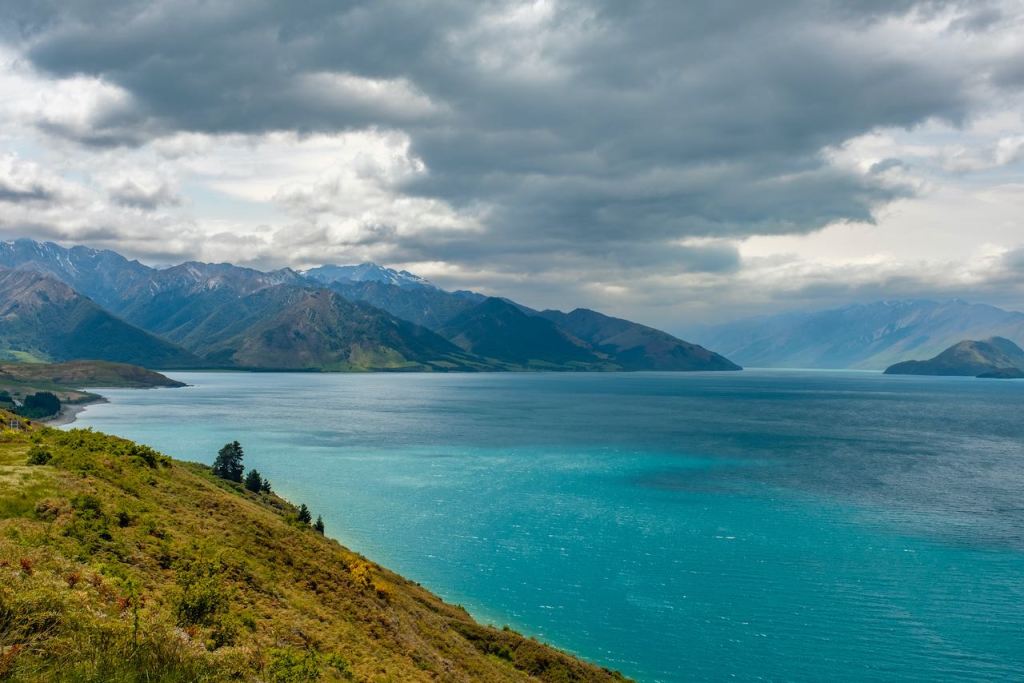
Second main reason to visit New Zealand are adventures. There are so many different activities you can do in New Zealand. Kayaking, swimming with Dolphins, skiing, heli-hiking are just some examples. You can’t also forget about Queenstown – world capital of extreme sports. There you can jump from the highest bungees, crazy swings, go for rafting or do skydiving. Regardless of all the crazy possibilities, the most popular activity in New Zealand is trekking. New Zealand has one of the best trails for trekking in the world. Famous 9 great walks are different tracks across both islands that allow you to go into the wilderness and experience vast variety of different ecosystems and landscapes. My favourite is Abel Tasman, but I heard a lot of good things about other treks as well!
Top things to visit in New Zealand
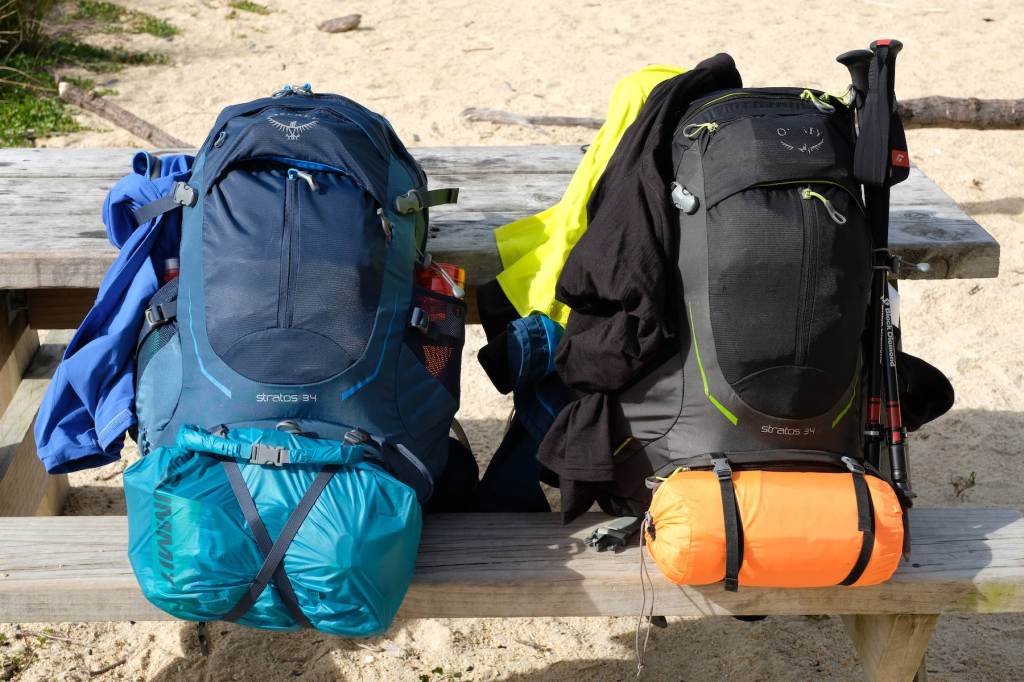
- Abel Tasman trek and other great walks. New Zealand has 9 great walks. They are several days long treks going through real wilderness. You can experience completely different vibes – from sunny Abel Tasman which is almost completely alongside the beach and water, up to the Routburn which goes through mountains. These tracks are so popular that you need to book spots at the huts and campings many months in advance. It’s worth mentioning that these tracks are really in the wilderness – they often don’t have the electricity or proper heating. So you need to really well prepare yourself for hitting the road. But be aware that it is worth the effort!
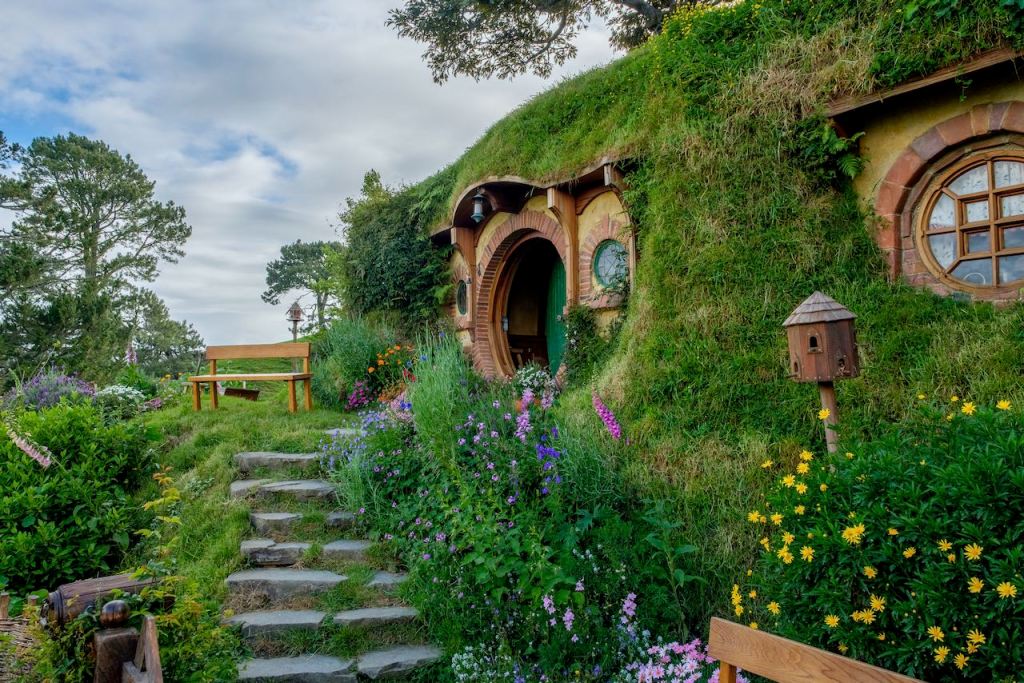
- Lord of the Rings locations. As probably everyone knows, New Zealand is the place where Peter Jackson shoot his famous movie. So all these amazing landscapes and views you have seen in the movie are located in New Zealand and you can visit them there! The main spot is of course Hobbiton with its official tours at the hobbit village. But if you want you can also take on something more adventurous – for example trek to the mount doom (which can be quite dangerous in bad weather conditions)!
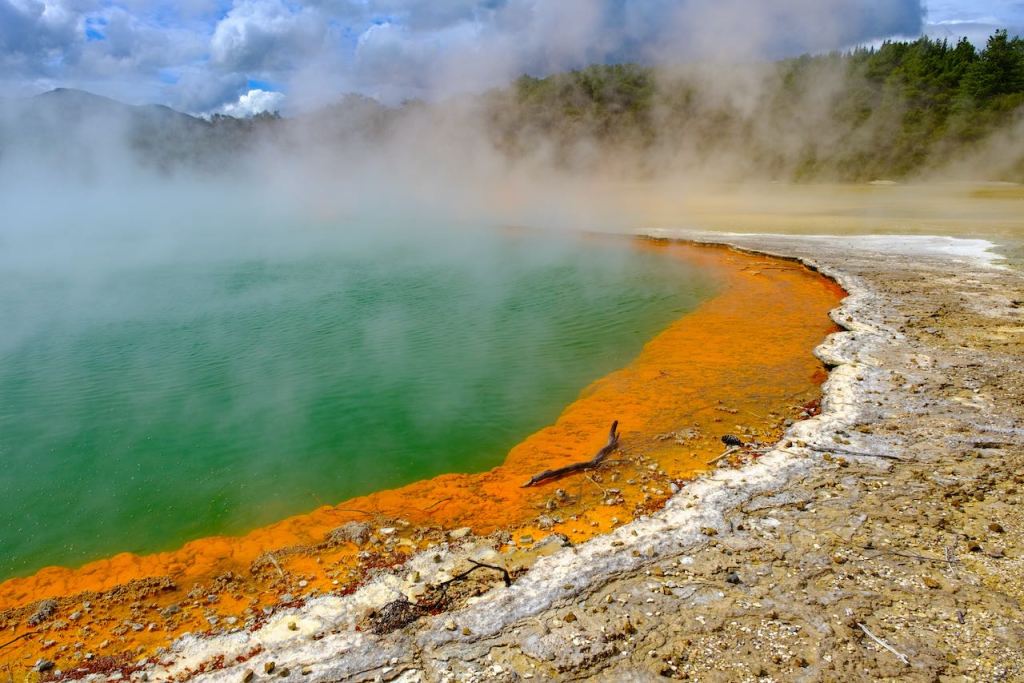
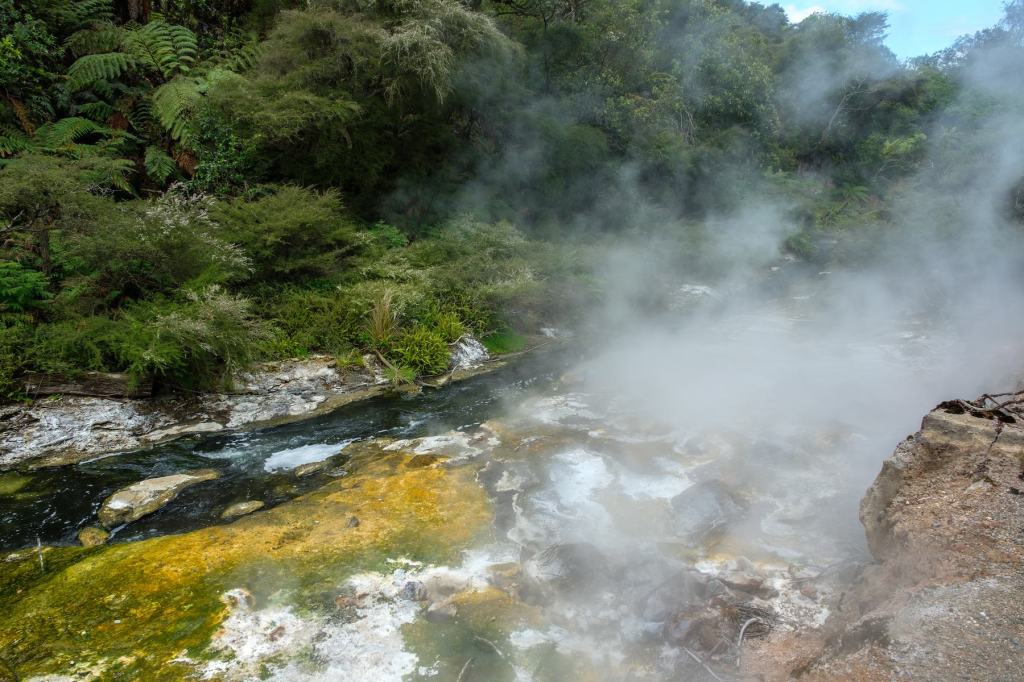
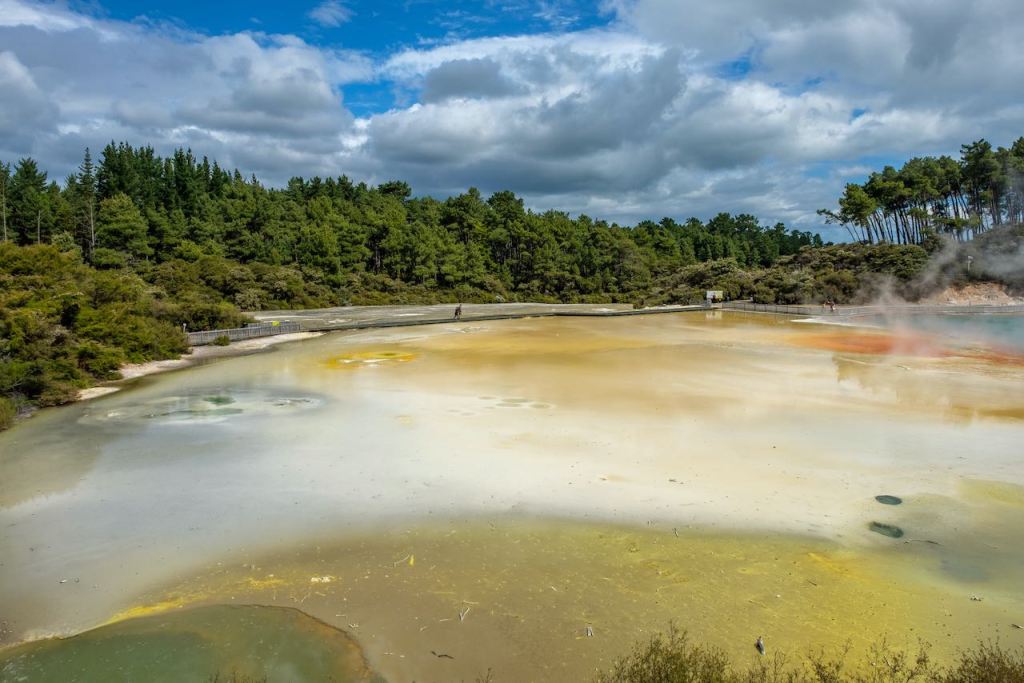
- Ring of fire. New Zealand is located on the so called “Ring of fire” of the Earth, which includes also Japan, East cost of America and several more countries. In New Zealand ring of fire is especially visible in the Northern Island, around city Rotorua. You can visit there several geothermal locations with geysers, colourful lakes and many other geothermal wonders. Especially interesting is Whakarewarewa – village located on top of geysers and geothermal springs, where people learned to use geothermal power to fuel their cooking or bathing. It’s amazing example of human creativity and adaptability to bend destructive power of nature to their own purpose.
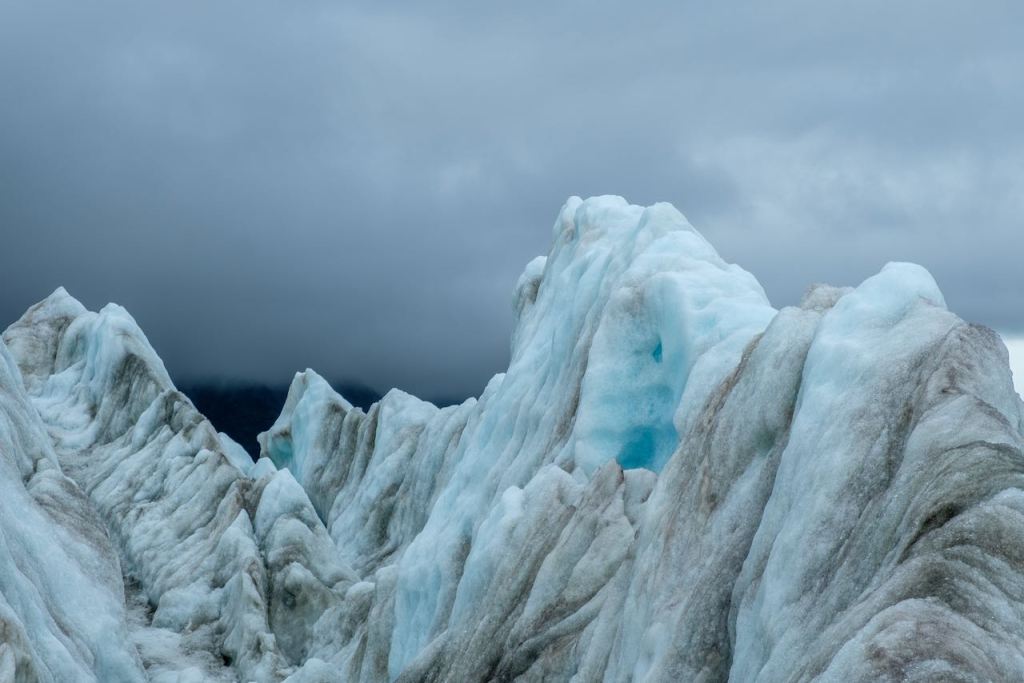
- Franz Josef Glacier. Located on the Southern Island there are two glaciers – Franz Josef and Fox glacier. They are really impressive even from the distance, but unfortunately they are shrinking every year due to the global warming. Out of the two glaciers most people decide to visit Franz Josef and the best way to do it is to go for heli-hike. Helicopter will pick you up from the village and fly up to the higher altitude, where you will be able to walk with your guide and group on the glacier (crampons needed!). It’s really cool place – ice caves, tunnels, chasms – landscape is really unreal there!
- Waitomo caves. Located on the Northern island, Waitomo caves are really unique. Inside there are glowworms – organisms which emit blue light in order to attract insects. Sitting in a boat in complete darkness while whole celling is covered with blue light of glowworms is an absolutely breathtaking experience. It looks like sky in the night with stars. Must-visit place!
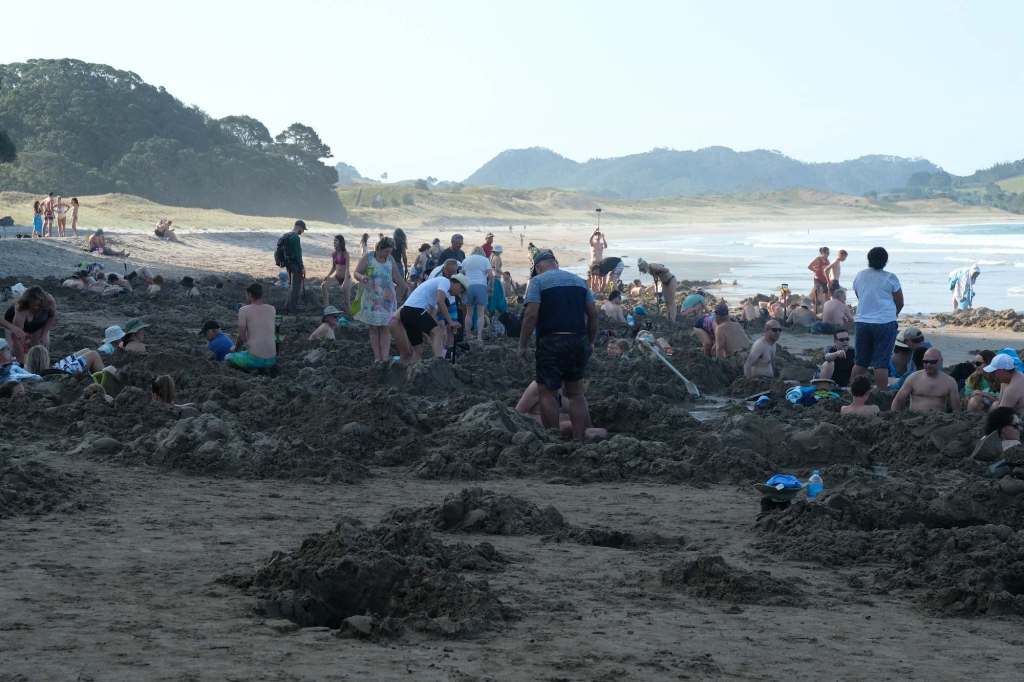
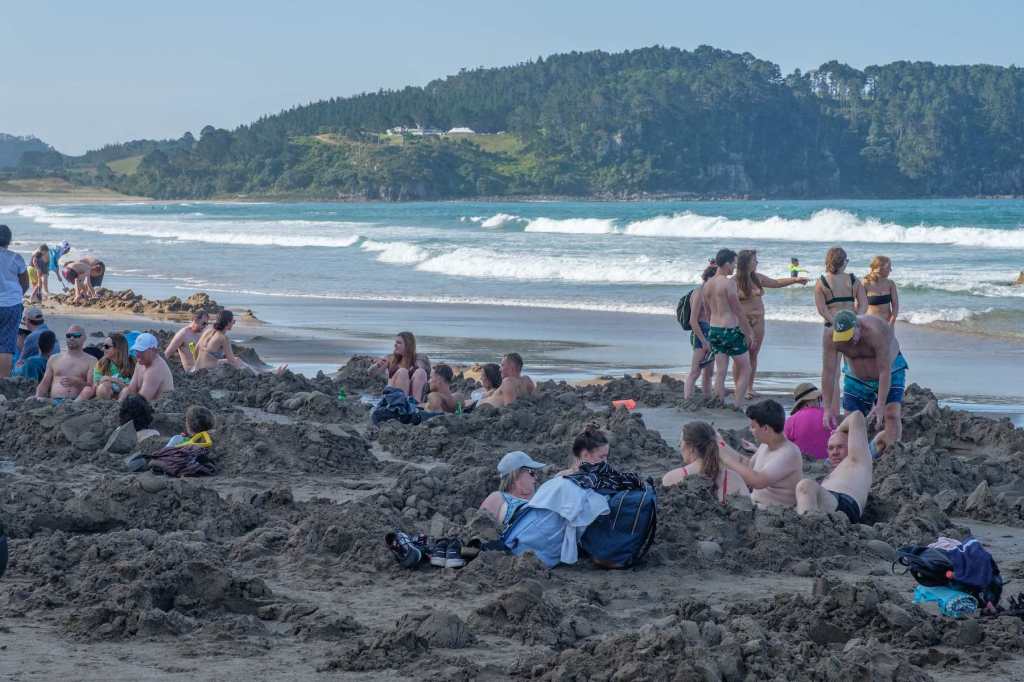
- Hot beach. I’m not sure if there is any other place like this in the world. It looks like a normal beach, but if you dig small hole you will start getting hot water. And by hot I mean really really hot! We needed to create canals to get ocean water in order to get to bearable temperature (and feel like being back in Amsterdam). The whole secret is that under the beach there is hot spring river! P.S.: hot water is accessible only during certain time windows, so check it first online! And you will also need spade to dig your hole, but you can just rent it in the nearby shop.
Best things to eat
Let’s be honest – New Zealand is not France or Japan when it comes to food. If your main reason to travel is to eat nice food – I don’t think this is the country for you. But if your expectations are lower, you can still be surprised as there are some nice things you can taste there!
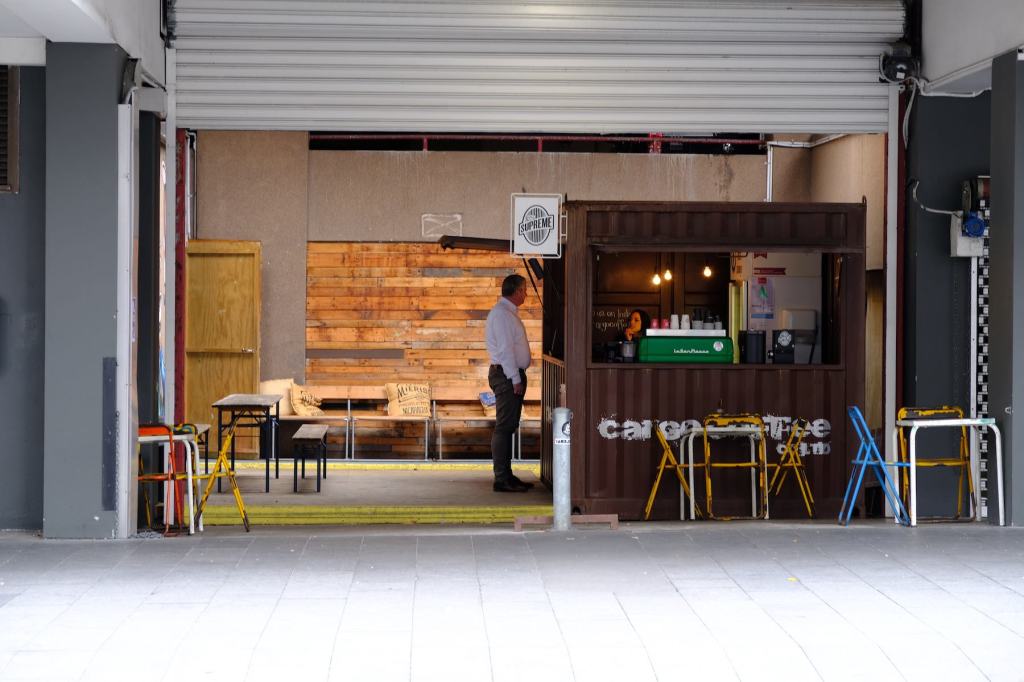
- Coffee culture in Auckland. I have no idea why coffee and why Auckland. But the coffee culture there is one of the strongest in the world. Cafes are all over the city, but what is way more notable is that coffee quality is really high – most of the places are using so-called “Speciality coffee” which among coffee lovers means the best beans, usually of single origin. And you will see it yourself that cafes are all over the place.
- Burgers. New Zealand is famous from its farming and cows. So there is no wonder that high quality burgers and steaks are relatively cheap and popular. We found the best burgers in Queenstown, but many other places are really good as well!
- Beer (or wine!). New Zealand is known worldwide from their wines. And you can visit many wineries (especially on the Northern island) to check it yourself. The really interesting thing however is that in New Zealand they have stronger beer culture than the wine culture – they love craft beers and they drink it way more than wine in everyday life.
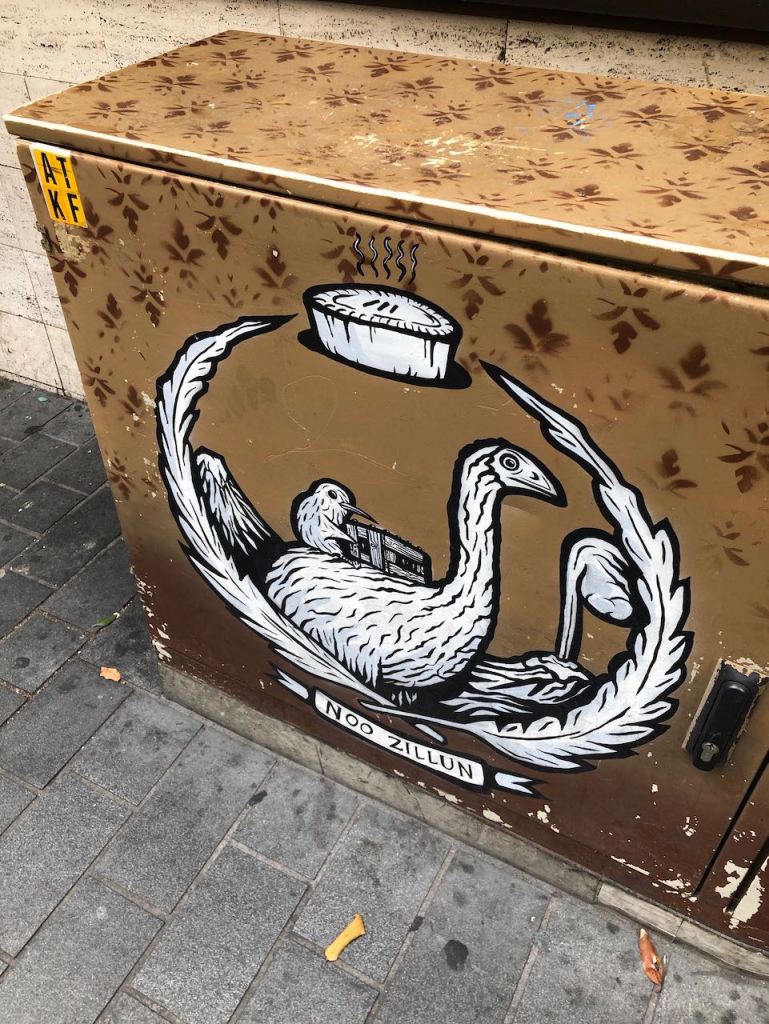
- Pies in Auckland. It’s very British, but somehow more popular in Auckland than in London. Pies with meat, cheese, vegetables are everywhere – you can buy them in every Cafe, but there are special shops just for this. I found them super tasty and nice filling snack (or even sometimes full meal) between different adventures.
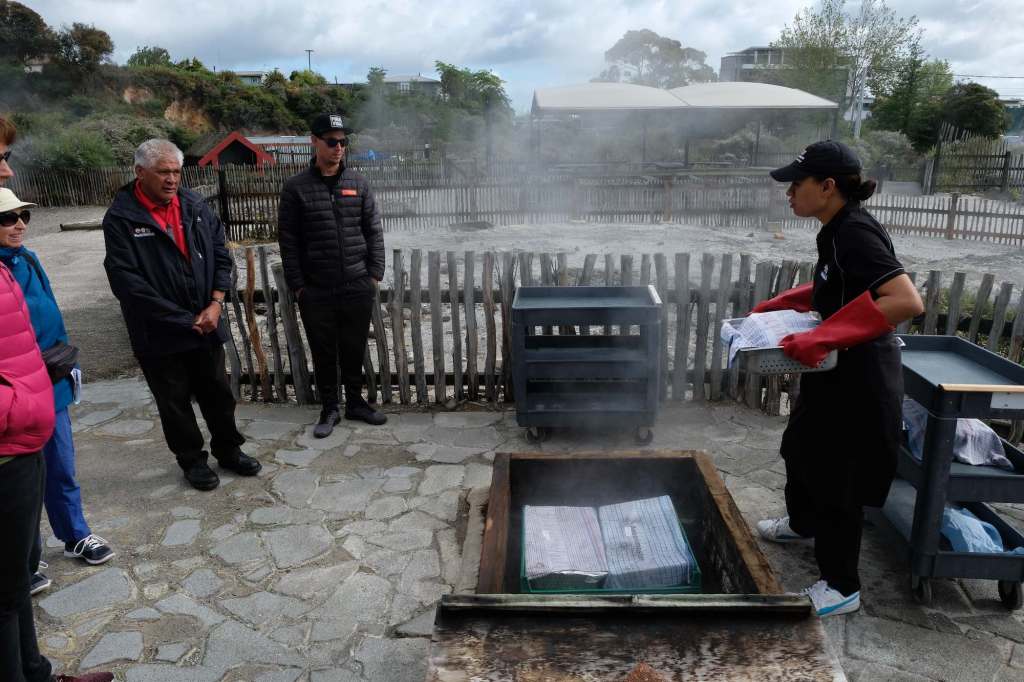
- Steamed Maori food. I would say that’s the only really local food you can find in New Zealand. Maori people are using power of the geothermal steam in order to cook their dishes. Unfortunately, we didn’t really try it so I can’t advise on the taste here.
Few interesting information about New Zealand
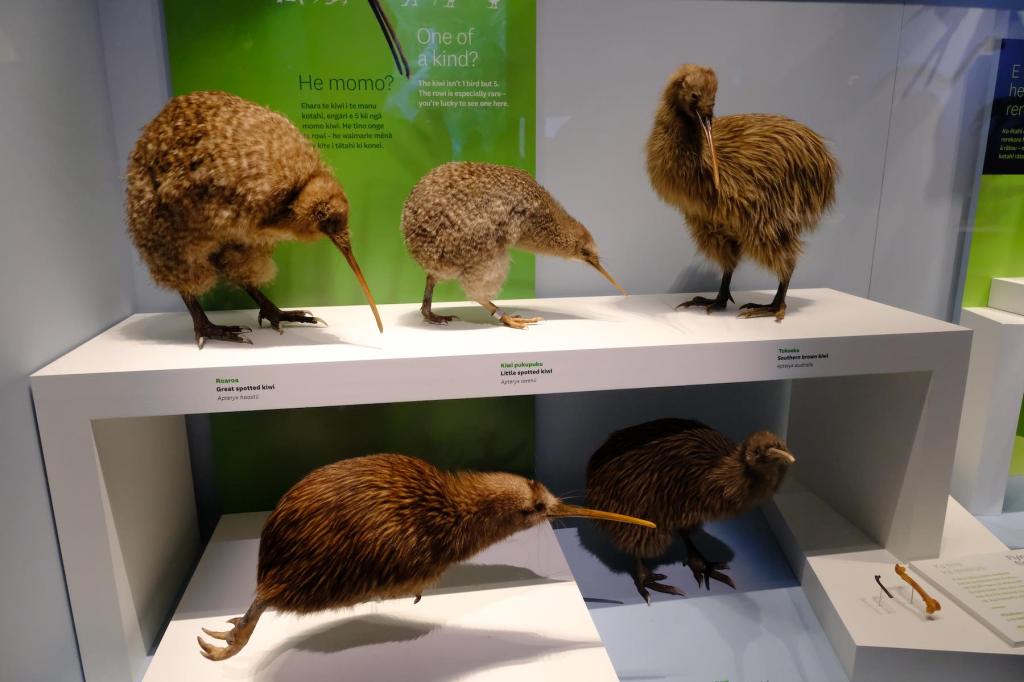
Both islands of New Zealand detached from the main continent around 83 million years ago. It was before mammals could reach this land, so whole ecosystem evolved without them. It made it very unique – it is not even close to what we know from Europe. Almost all animals living in New Zealand were species that managed either to fly (birds) or swim (reptiles) there. And because ecological niches were not taken by mammals, most of the birds started to occupy these niches and evolve similarly to the mammals on other continents. It’s called divergent evolution and my favourite example of it is before mentioned Kiwi bird which is a New Zealand version of hedgehog.
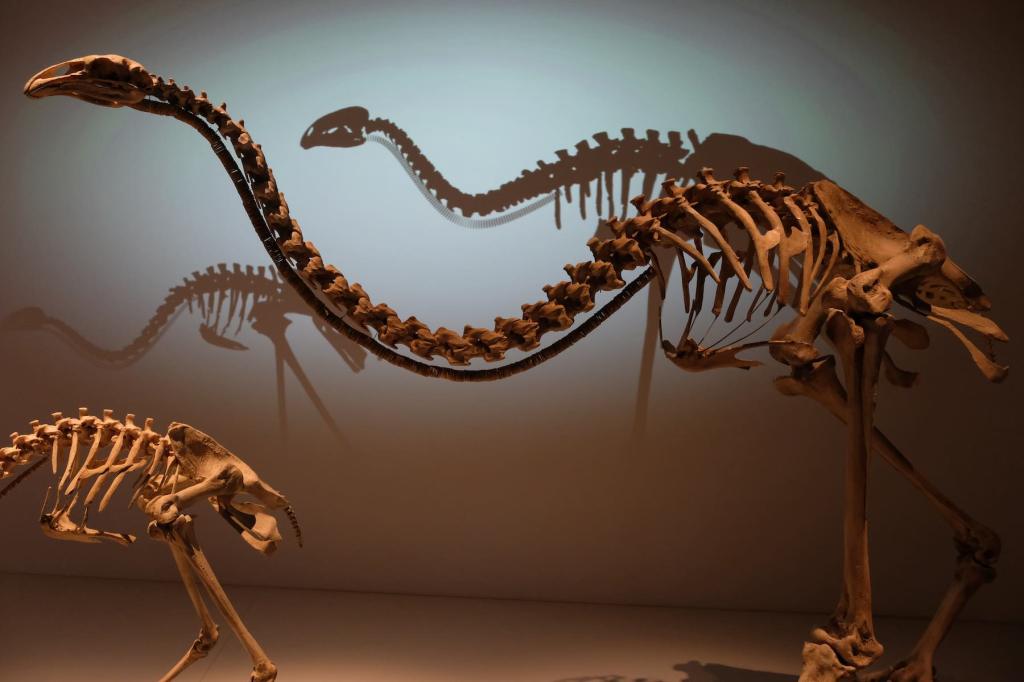
All the ecosystem changed once people appeared on both islands. First were Maori, who came there in wooden boats from Polynesia around XIV century. Very quickly after their arrival ecosystem started to change – for example giant birds Moa were brought to the extinction due to excessive hunting. Moa were very easy to catch – their only natural predator were eagles, so when they felt danger, they just froze – for eagle it’s way harder to spot non-moving object. But for people it was an easy prey – bird full of meat that stops to move when haunted. No surprise that quickly Moa completely disappeared.
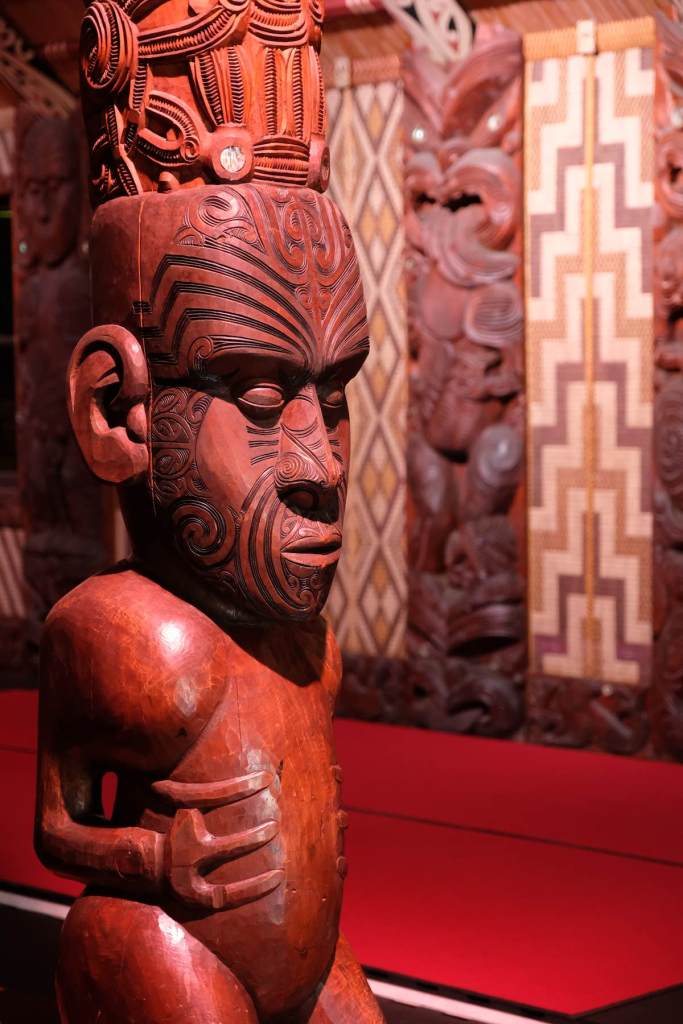
Second wave of human inhabitants started when Dutch explorer Abel Tasman discovered New Zealand for Europeans in 1642. First encounter with Maori was rather violent so all the contacts stopped until 1769 James Cook came back and mapped both islands. Since that time trading relationships between Europeans and Maori were established. Bringing European technology led to wars between Maori tribes – ones that managed to buy guns started invading the other ones.
Increasing competition between European countries regarding control over New Zealand as well as the pressure from French state led to closer relationship between Maori and England. Culmination of that was Treaty of Waitangi in 1842. This document is treated as a founding document of New Zealand, but it also drives a lot of controversy. Not all tribes accepted the document and the war was started. Additionally, document was wrongly translated between English and Maori language and as a result Maori people were sure that they were signing different terms. That led to severe consequences, such as English Crown claiming sovernigty over the country. As a result many of the Maoris were drove out of their land and discriminated in the public life.
Fortunately, nowadays New Zealand is trying to ackonwledge Maori heritage way more. A lot of actions were done to settle disputes from Treaty of Waitangi and even the Maori’s name of New Zealand – Aotearoa (Land of long cloud) is becoming more popular. Traditional Haka dance is even used by the New Zealand Rugby team before each game. On the side note – Rugby is really the main sport in New Zealand and except of cricket, nothing come even close to that.
New Zealand is considered as really good place to live and indeed I think quality of life is pretty decent. People are not in a hurry and they just enjoy life. There are no dangerous animals, weather is rather mild and the only thing that really impact this happiness are natural disasters. Being located on the ring of fire, New Zealand experience a lot of earthquakes, volcano eruptions and tsunamis.
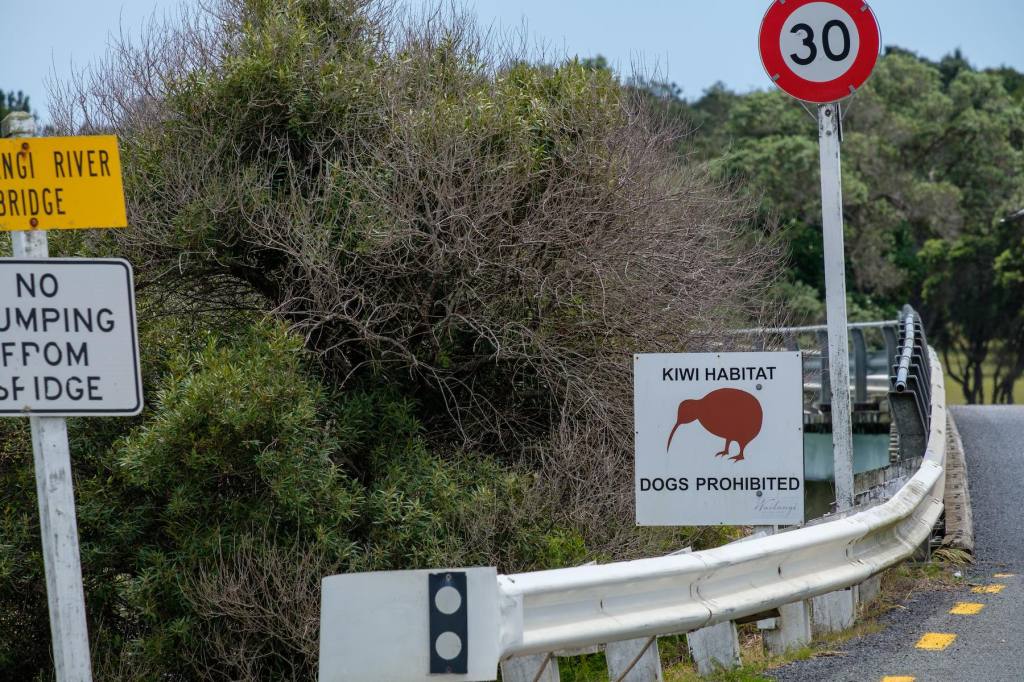
There are several bigger cities with Auckland being the biggest one, but most of New Zealand is rather empty and used for farming. And even tough New Zealand has not that many inhabitants, extensive farming caused a lot of deterioration in the environment. For example there is a big problem with water pollution. Even in the wilderness water cannot be drunk without boiling. However, nowadays there is much more effort in protecting environment. The main goal is the eradication of mammals from the land. As I described above, New Zealand didn’t have mammals before people appeared. Together with first settlements first cats, possums and dogs started to appear. And they put all the domestic species in danger – birds like Kiwi evolved to avoid attacks of eagles, but they are not prepared for cats or possums. Current plan is to completely eradicate mammals like possum from New Zealand in few years in order to protect endemic birds. That’s why all over New Zealand you may find traps for possums and dead animals on the road – if New Zealander will see possum on the road he will try to kill it rather to go around it. They perceive it as their duty.
How to organise trekking in New Zealand
As I mentioned before, New Zealand is famous for its 9 Great Walks. We did 3 walks (Abel Tasman is the best!), but I can imagine other 6 being as awesome as these ones. However, for people coming from Europe it may be a little bit shocking on how well they need to prepare themselves – these treks are really in the wilderness and you need to be ready for that. And you need to remember to book huts and camping spots well in advance of your arrival to New Zealand! Please find more details on this page on how to organise trekking in New Zealand.
Cost of traveling
In total we spent around 3800 EUR for the whole trip, including flight tickets that constituted around 1300 EUR of the above sum. This means that at the spot we spent around 2500 EUR per person for 3 weeks of hotels, car rentals, fuel, food and many cool attractions. In general it is a lot of money, but bearing in mind what you get in return, I wouldn’t say it’s overly expensive country. Example of prices:
- Dinner in the restaurant – 35 EUR for 2 people
- Lunch – 20 -30 EUR for 2 people
- Coffee at Starbucks – around 3 EUR
- Heli-hike at Franc Josef Glacier – 270 EUR / person
- Entrance to geothermal parks – 20 EUR / person
- Internal flight between cities in New Zealand – 150 EUR / person
- Doubtful Sound cruise – 170 EUR / person
Itinerary
The best way to travel around New Zealand is to rent a car. You can also consider small camper van, but I would advise this one only if you are not doing that many treks (as you will need proper rest and place to dry your clothes). In any case you will need to have with you the official translation of your driving license to English – even if you are coming from European Union. And be aware that in New Zealand you will need to drive on the left side of the road. It sounds scary, but you will pick it up quite quickly!
Don’t forget to register yourself in the NzeTA system – even if you don’t need visa you will need to be approved in this system before your flight.
- Day 0: Flight to New Zealand
- Day 1: Auckland
- Day 2: Bay of Islands
- Day 4: Waitomo caves and Hobbiton
- Day 5: Whakarewarewa, Waimangu Volcanic Valley and Wal-O-Tapu Thermal Wonderland
- Day 6: Tongariro Alpine Crossing
- Day 7: Wellington
- Day 8: Transfer to Southern Island and start Abel Tasman trek
- Day 9,10,11: Abel Tasman National Park
- Day 12: Franz Josef Heli-hike and Hot Pools
- Day 13: Wanaka tree and Roys Peak
- Day 14: Milford Track one day hike
- Day 15: Doubtful Sound cruise
- Day 16, 17, 18: Routeburn Track
- Day 19: Queenstown
- Day 20: Flight back to Auckland and Hot Water Beach
- Day 21: Flight back to Europe
Day 1 – Auckland
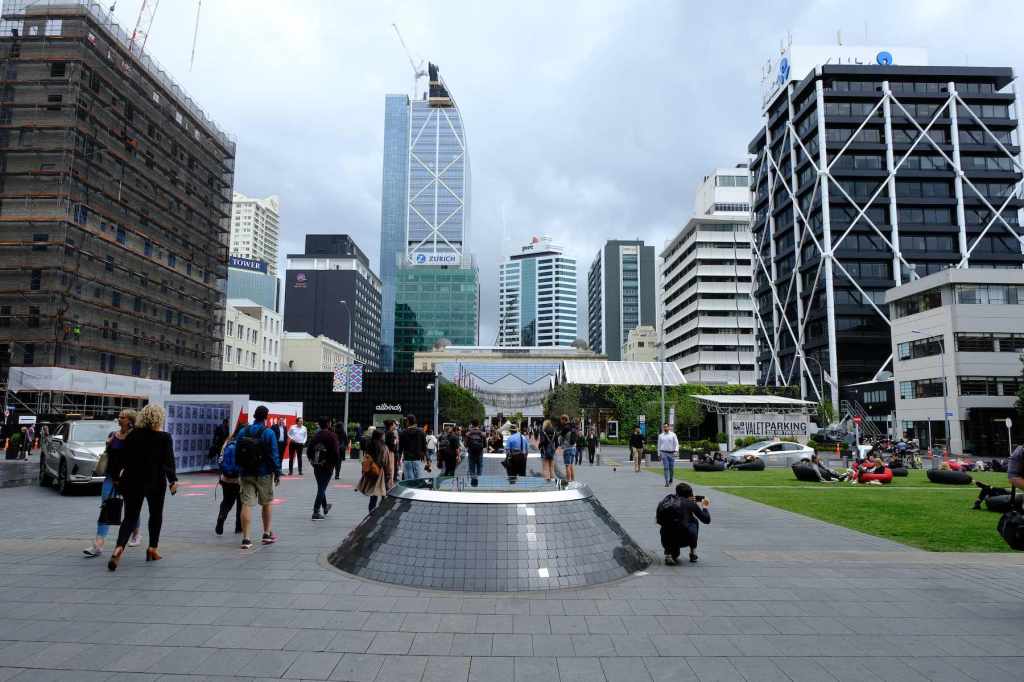
Auckland is a really cool harbour city with hipster vibe. It is famous from its coffee culture. Amount of different cafes is really surprising and almost all of them serve high quality speciality coffee. I highly recommend trying several different ones in order to really experience Auckland.
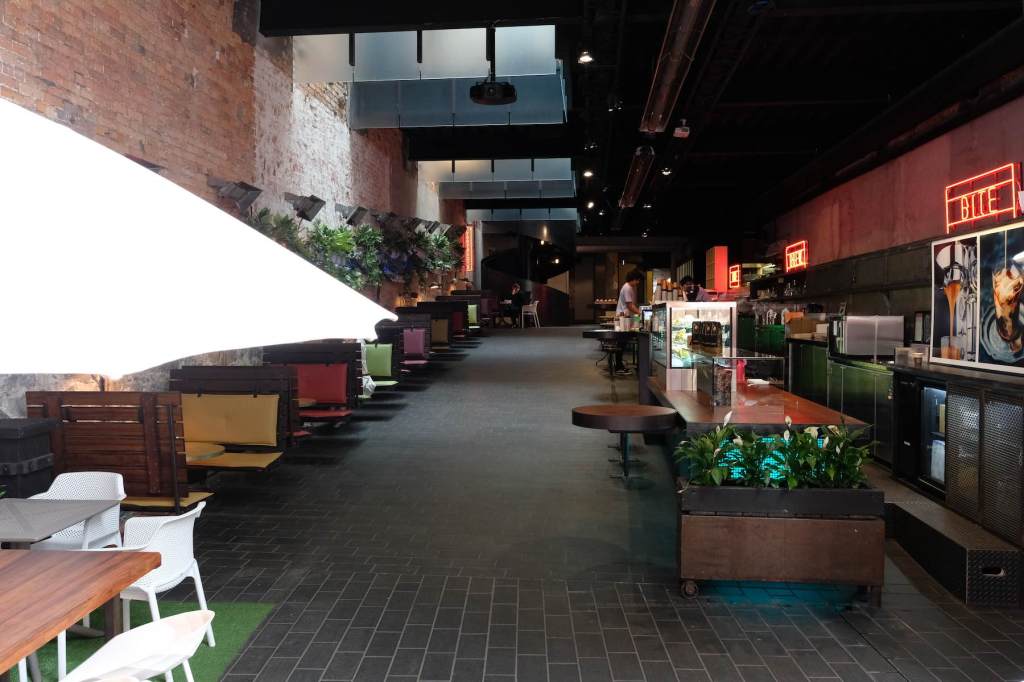
There are a few spots that are worth visiting in Auckland. Generally you can move between spots by walking, Auckland is not a very big city.
- Free tour walk. Nice idea if you want to learn a little bit more about the city and its history.
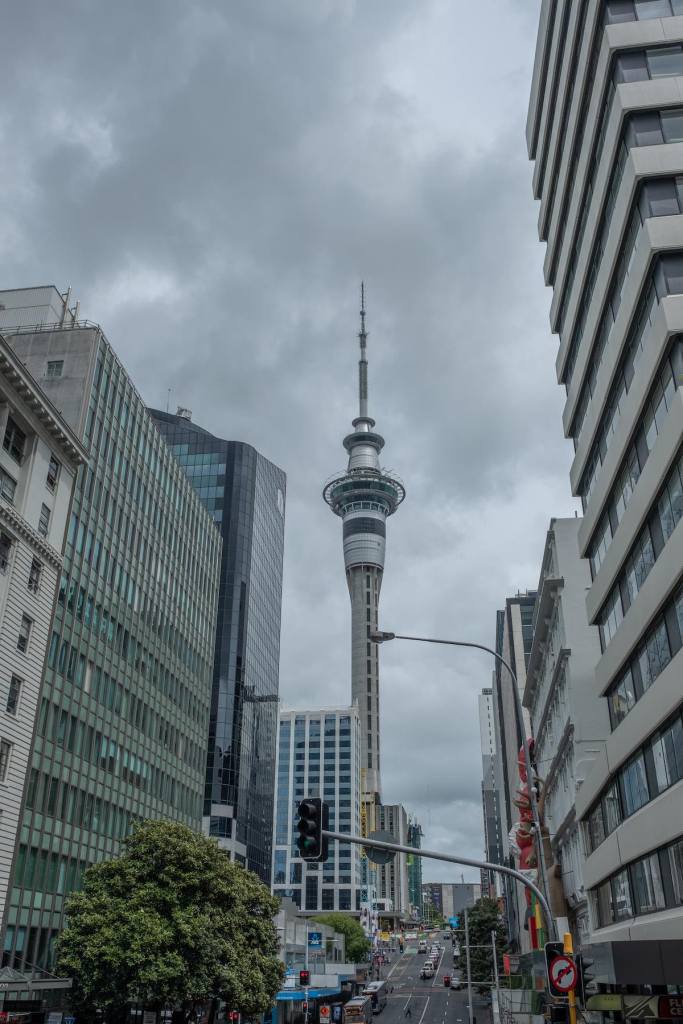
- Sky tower. Panoramic view over the city and if you are courageous enough you may also try walk outside the tower in the special harness.
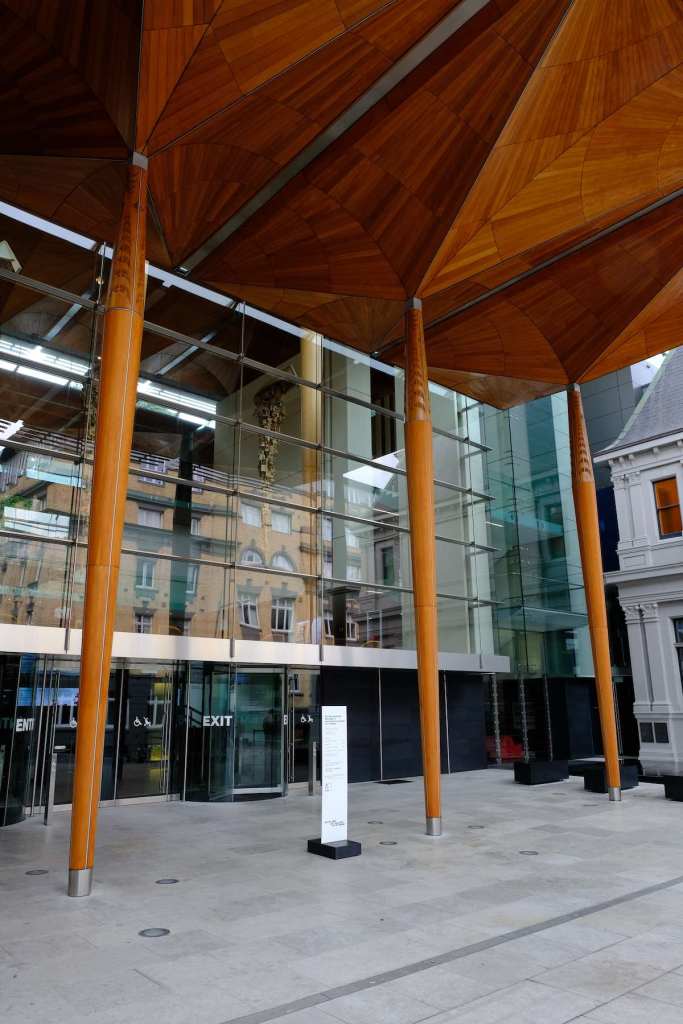
- Auckland Art Gallery Toi o Tāmaki. Especially Maori art is interesting to see there.
- Waiheke Island. One-day trip from Auckland. Spot for wineries and place where you can ride around on the bike. Unfortunately we didn’t manage to get there. For sure next time!
Day 2 and 3 – Bay of islands
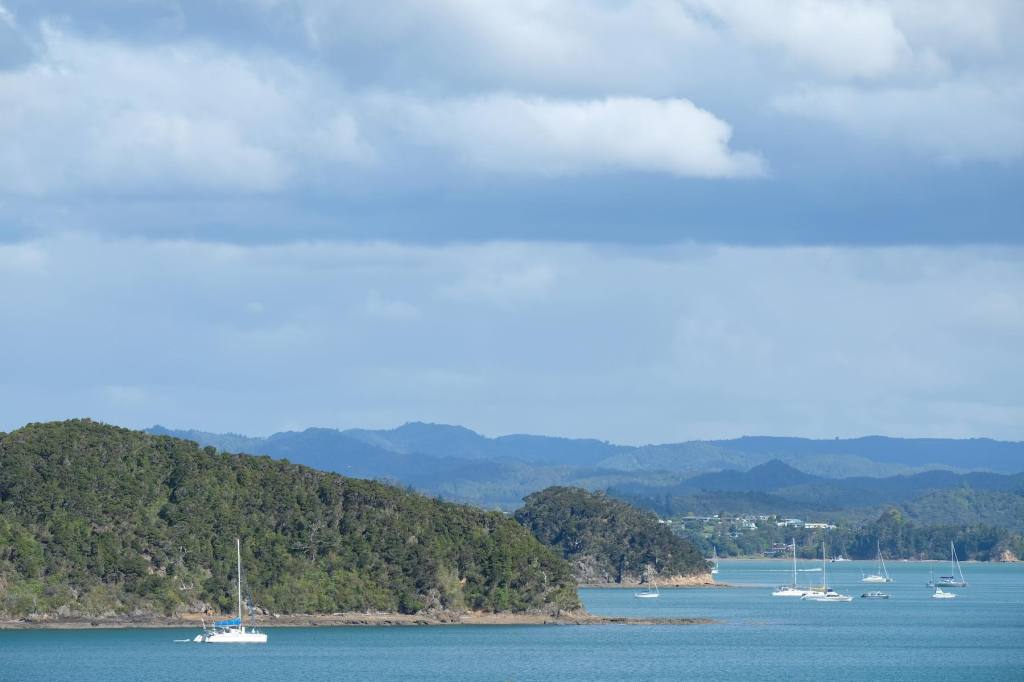
Next day in the morning we picked up our car from rental agency and drove around 4 hours from Auckland to the Bay of islands. It’s a place with amazing views and several cool water related activities. We spent there only one full day (split across 2 half days) and one night, but if you have time, I would not hesitate to stay a little bit longer!
Waitangi Treaty Grounds
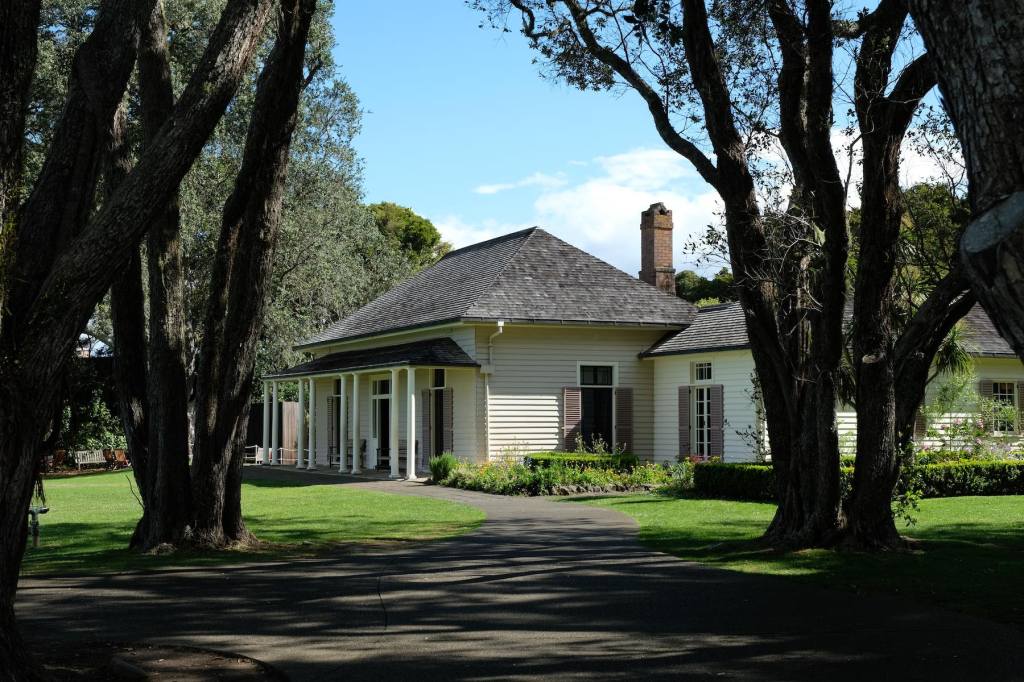
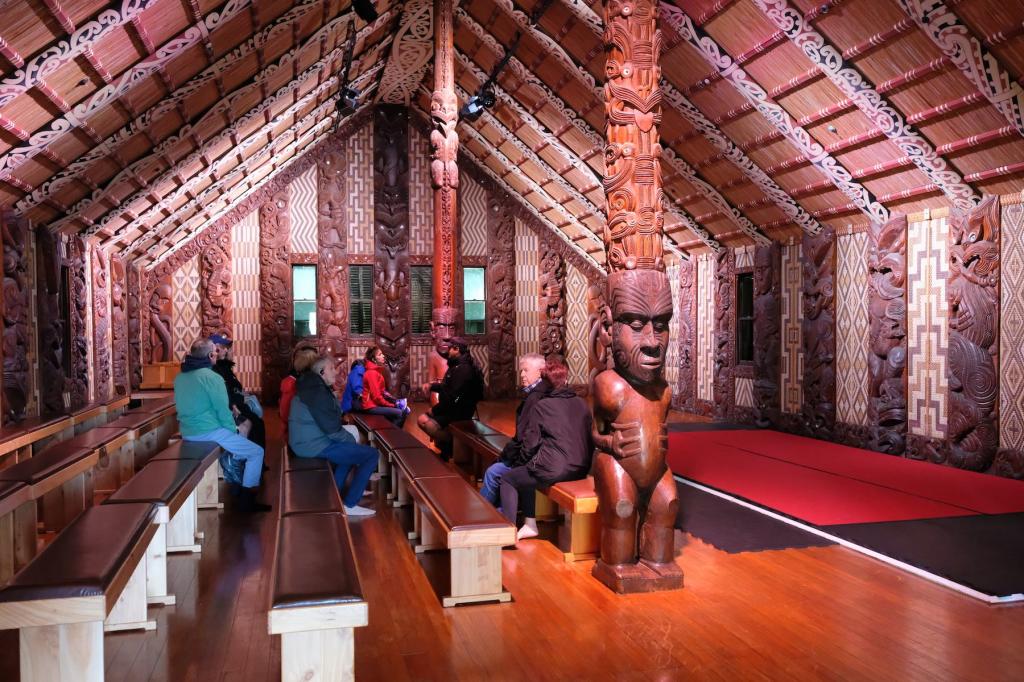
It’s one of the most important spots for history of New Zealand. It was the place where treaty between Maori and England was signed, which resulted further in the enacting of the New Zealand state. At the spot there is museum, Maori hut and house of the first English diplomat in New Zealand.
Cruise around Bay of Islands and Dolphins watching
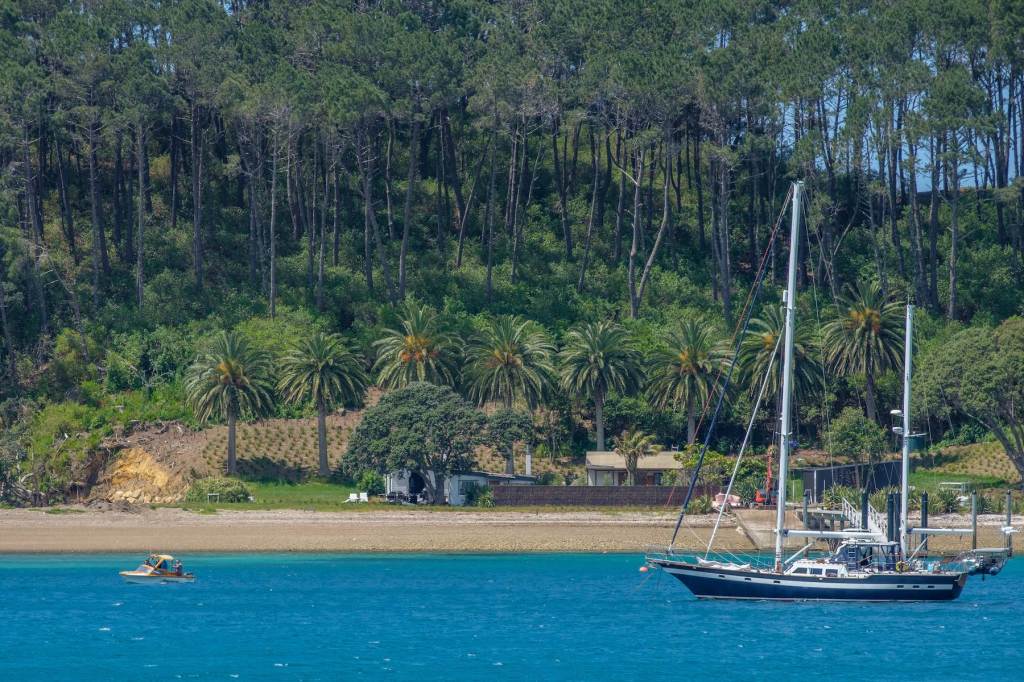
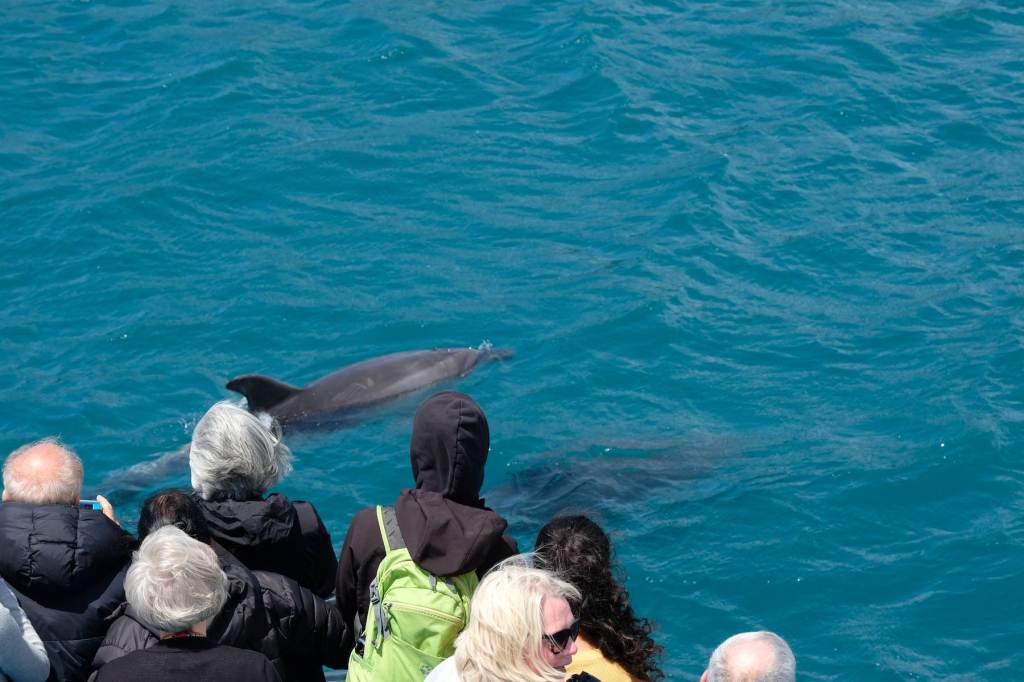
Bay of islands is a very popular spot for cruises. You can find several of them from different companies. The most famous one, recommended by Lonely Planet, is Rock the Boat one – it is a sailing hostel and ride includes overnight stay on the board and several other activities. Unfortunately, they canceled our reservation at the very last moment due to not having enough people onboard for that day. Fortunately, we managed to get to the other boat, more touristic one. Still it was really nice experience as views were astonishing. Additionally, Bay of islands is quite famous of Dolphins and we managed to see them as well!
Kayaking around Haruru Falls
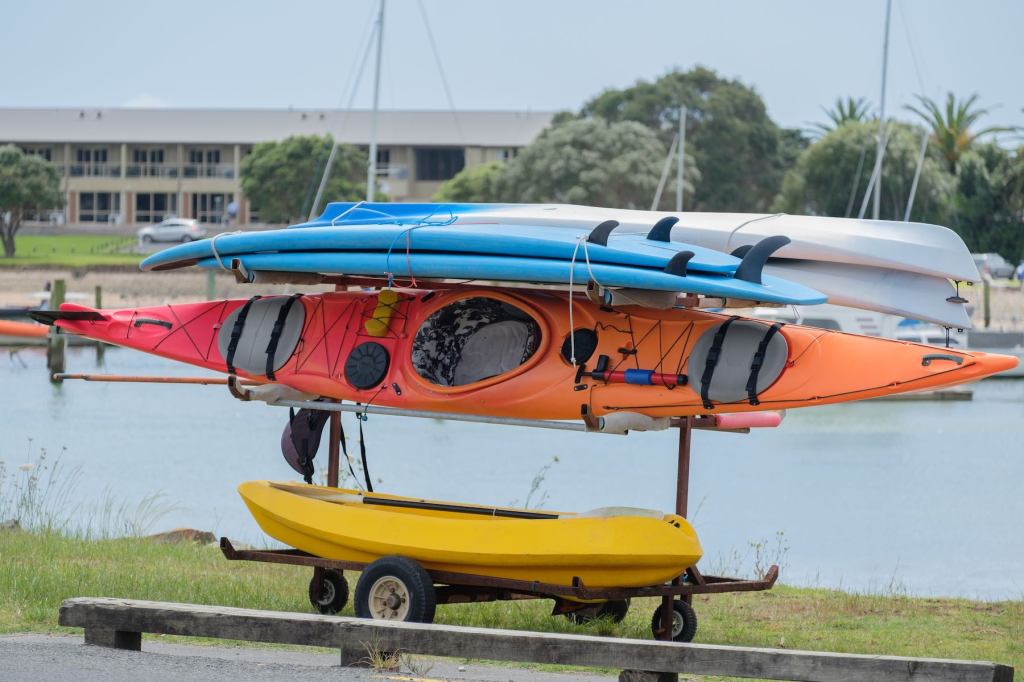
Bay of islands in itself is really nice place for kayaking. But if you join trip organised by Costal Kayakers, they will also add some additional games and challenges to make the experience even more fun. You will drive to nearby Haruru Falls and from them you will kayak back to the Bay of islands. Whole trip takes several hours, but it’s worth the time!
Day 4: Waitomo caves and Hobbiton
On the third day afternoon we came back to the southern part of Auckland and slept there, so on 4th day we were closer to two very big attractions of New Zealand – Waitomo caves and Hobbiton. They are super popular so I highly advise you to book tickets well in advance.
Waitomo caves
Caves on its own are nothing special, but what is unique is that inside there are thousands of glowworms. These tiny organisms live in the dark caves and emit light in order to lure insects. You can find them in several places around New Zealands, but in Waitomo caves they are especially spectacular – they live on the top of the celling, so you can jump on the boat and go through underground river while whole cave is illuminated with blue lights. It is breathtaking view that looks like stars on the sky. Unfortunately it’s almost impossible to take good photos inside, so you will have to check the views yourself 🙂
Hobbiton
The holy grail of all fans of the movie Lord of the Rings. Movie set where Shire (home of hobbits) was created. After movie shooting was finished instead of destroying the decoration, movie set was transferred into pernament tourist attraction. It’s quite funny to see that houses of hobbits have very different sizes as they were needed for different shooting perspectives in order to create illusion of small size of actors playing hobbits. It’s also fascinating how hard is to differentiate real world from decoration there – for example some of the trees are fake, but you will have hard time to guess which ones are not real.
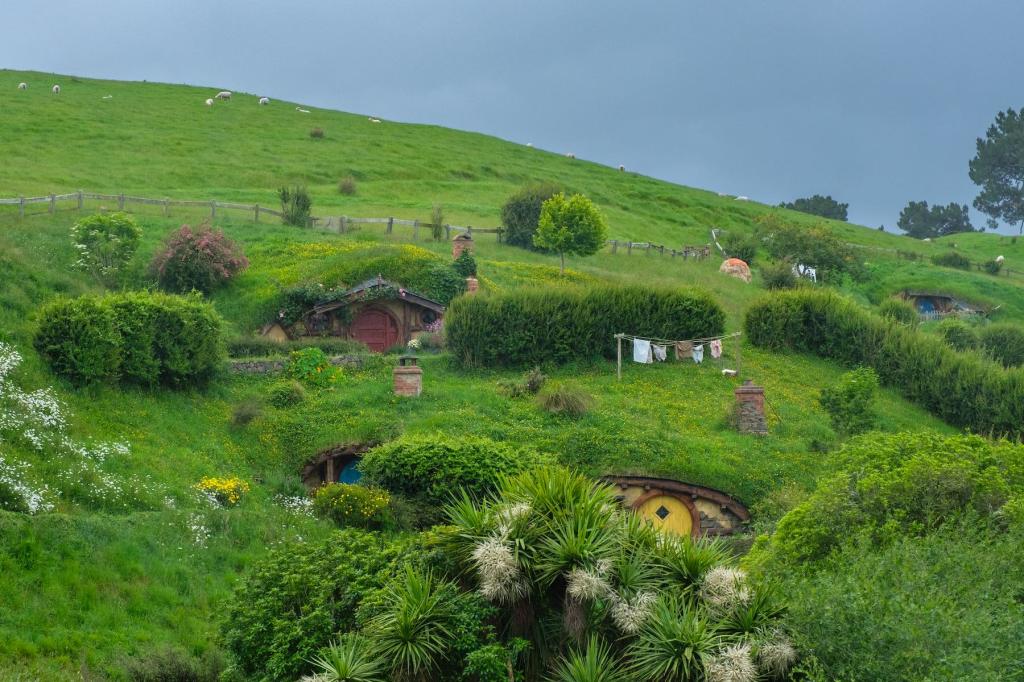
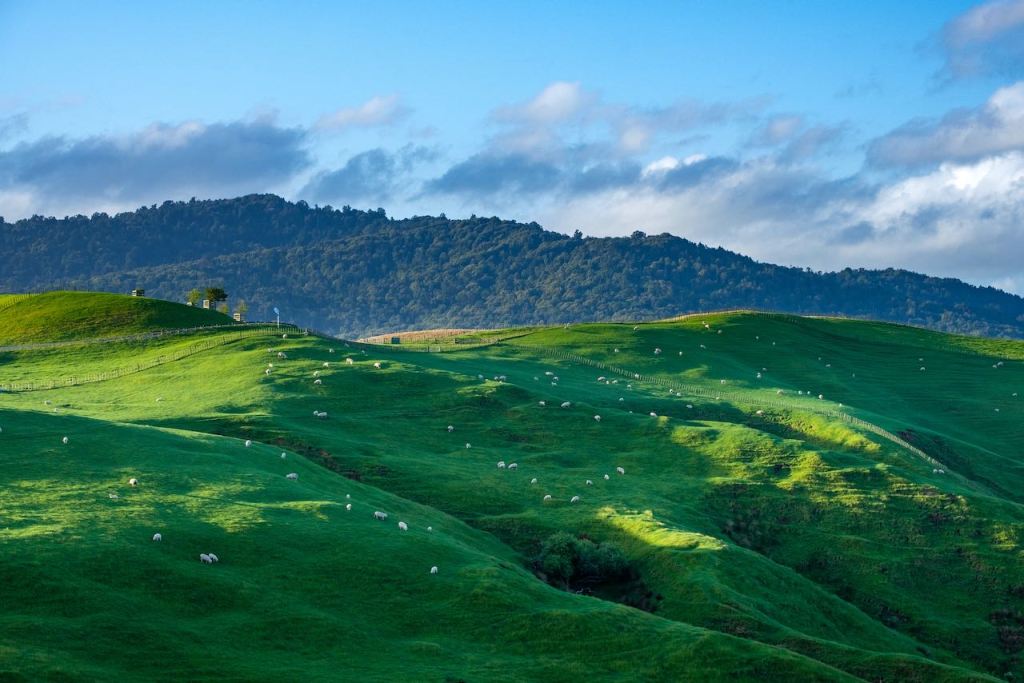
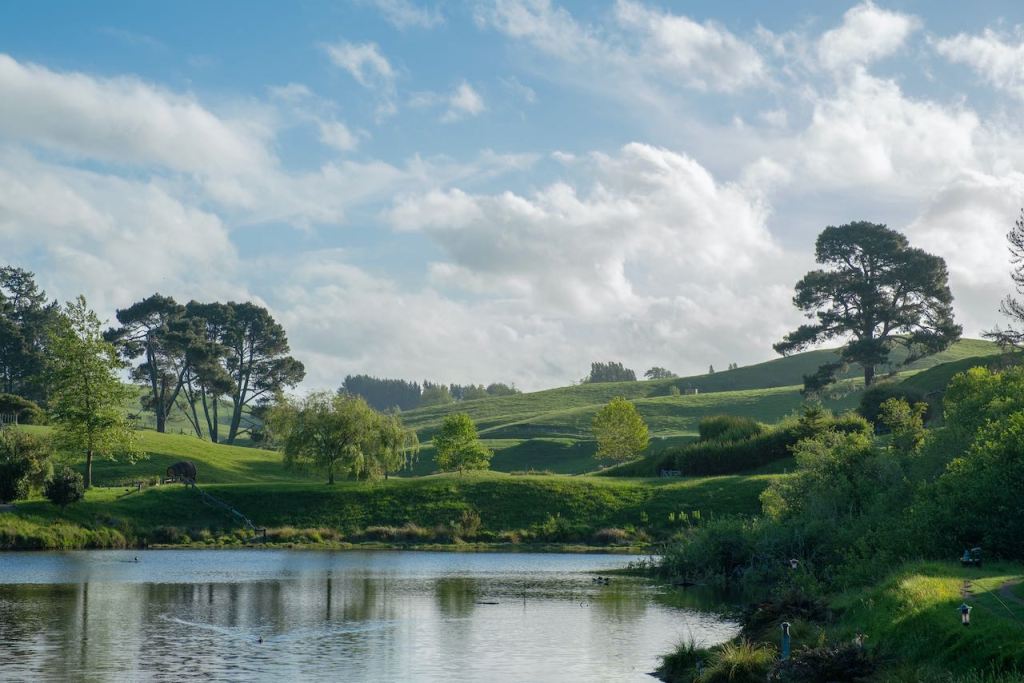
Hobbiton is located in an amazing location of the New Zealand sheep farm. Apparently such location was chosen very carefully and shooting crew was scouting for proper place for a long time using helicopters. Thanks to that even driving through the endless green hills to Hobitton is an experience of its own.
Day 5: Land of fire
On the day 5 we drove towards middle part of Northern Island and decided to visit part of the “Ring of fire”. Around that area there are many geysers, volcanic valleys and other thermal wonders. During one day you will experience many weird views, whole pallet of colours and scents, but most interesting is to see how Maori adopted to live in such dangerous territory.
Whakarewarewa village
It’s a village located on the land with strong volcanic activity. This place is an amazing example of how people can adapt to almost any condition. Maori not only managed to survive in the area where any moment new geyser can appear under your bed (true story), but they also learnt to harness this power of the nature. For example they have public baths were the water is coming from hot springs. But also they don’t have kitchens at home and instead they use dwells to cook their food using steam coming from the ground. Alternatively, they sometimes just put corns in net directly into one of the lakes with boiling water.
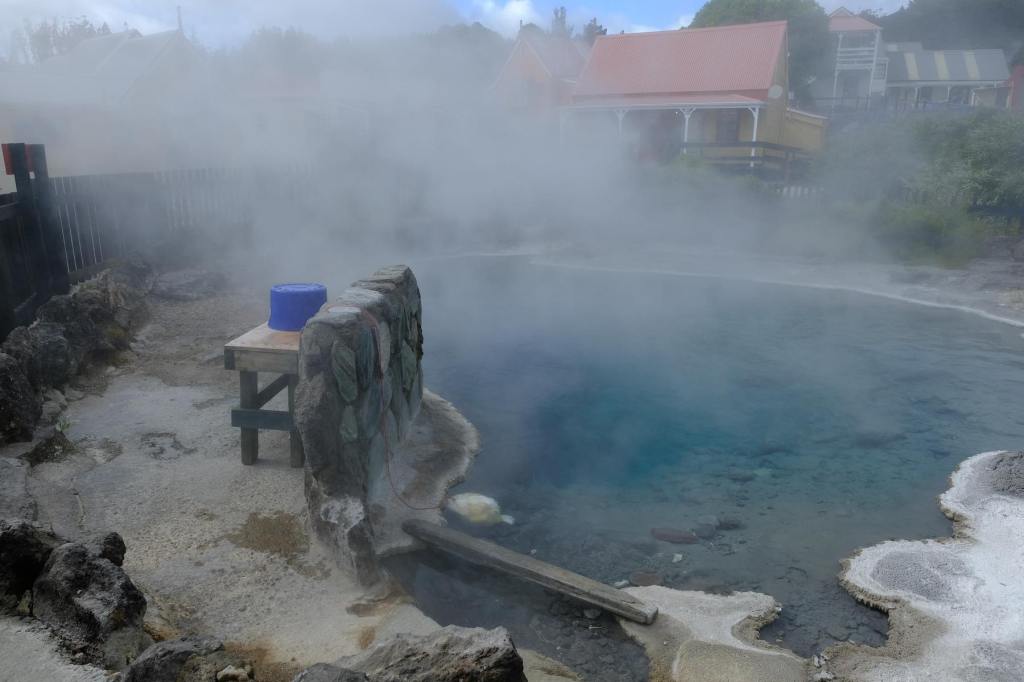
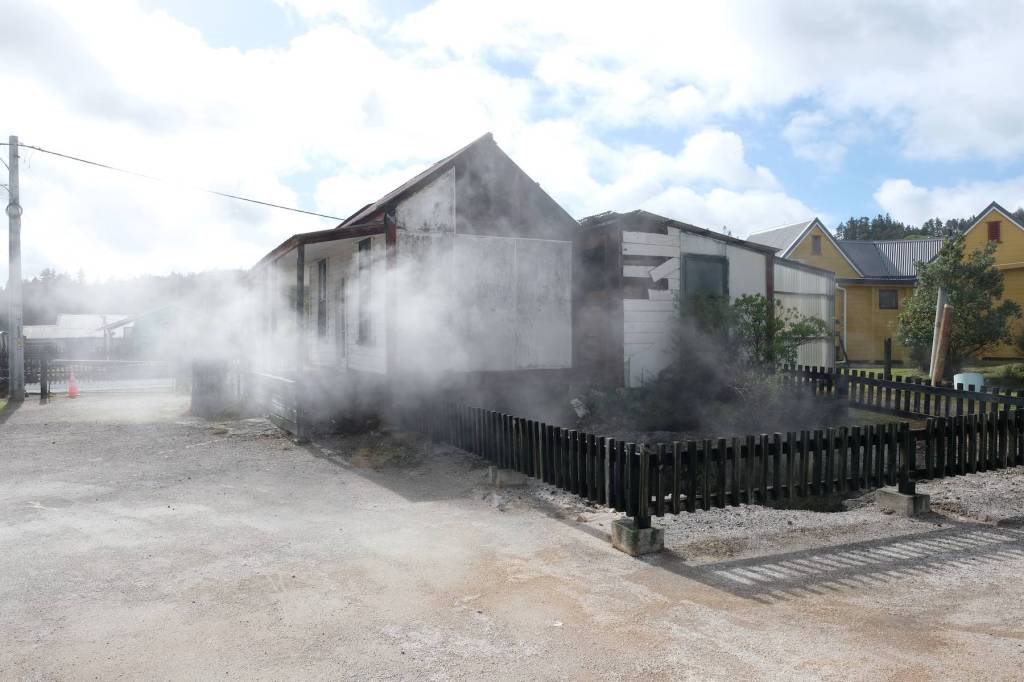
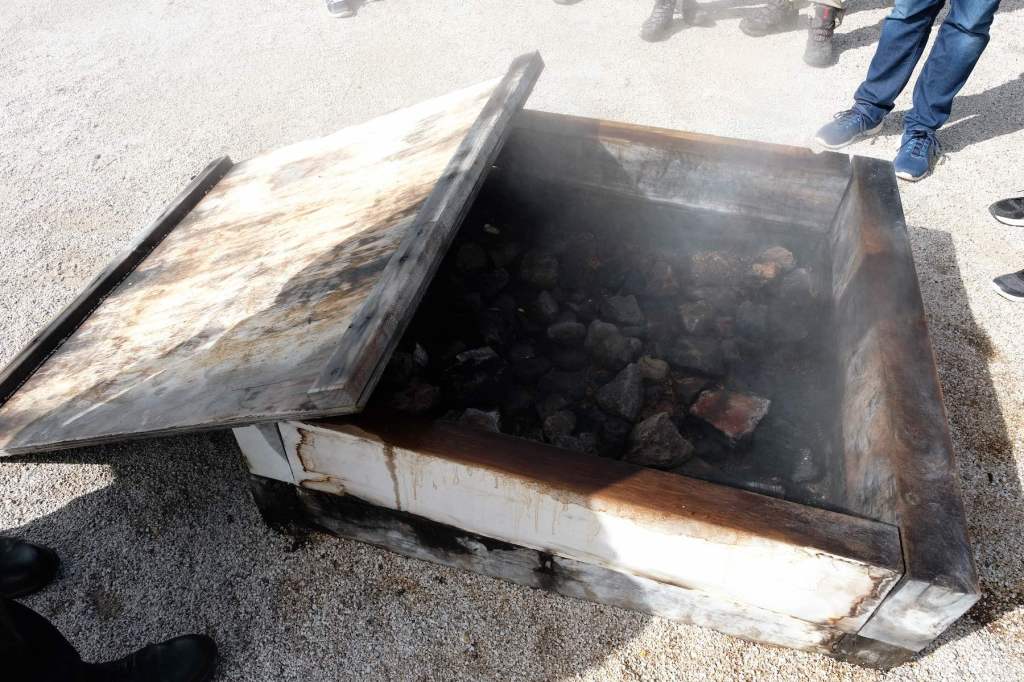
Village is also surrounded by many hot springs and steaming lakes. It’s worth taking a moment and stroll around. After coming back to the village you can also participate in the performance of local people during which they will present Maori music and dances. It’s interesting to see these elements of Maori culture, but I must warn you – performance is not of highest quality and it’s also super touristy.
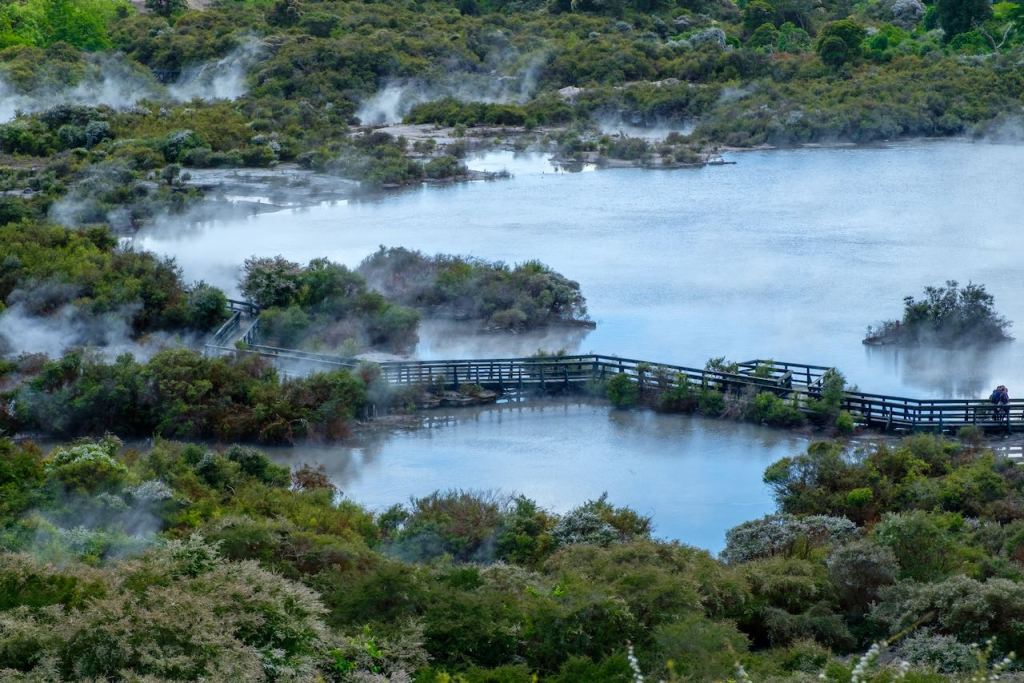
Waimangu Volcanic Valley
Relatively new volcanic area, which appeared only in 1886. The main attraction is taking ferry around the lake, but unfortunately we didn’t manage our time to get so far. However, we still saw a lot of amazing spots with famous blue Inferno Crater as the highlight. And in general this place is stunning and make you feel like you are back in Jurassic Era.
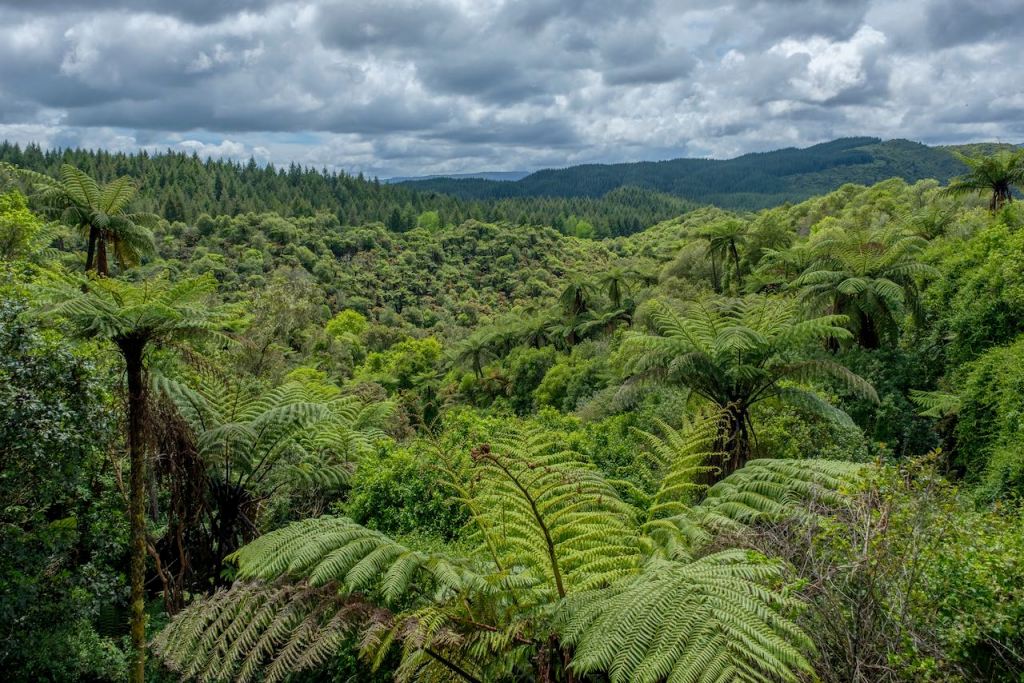
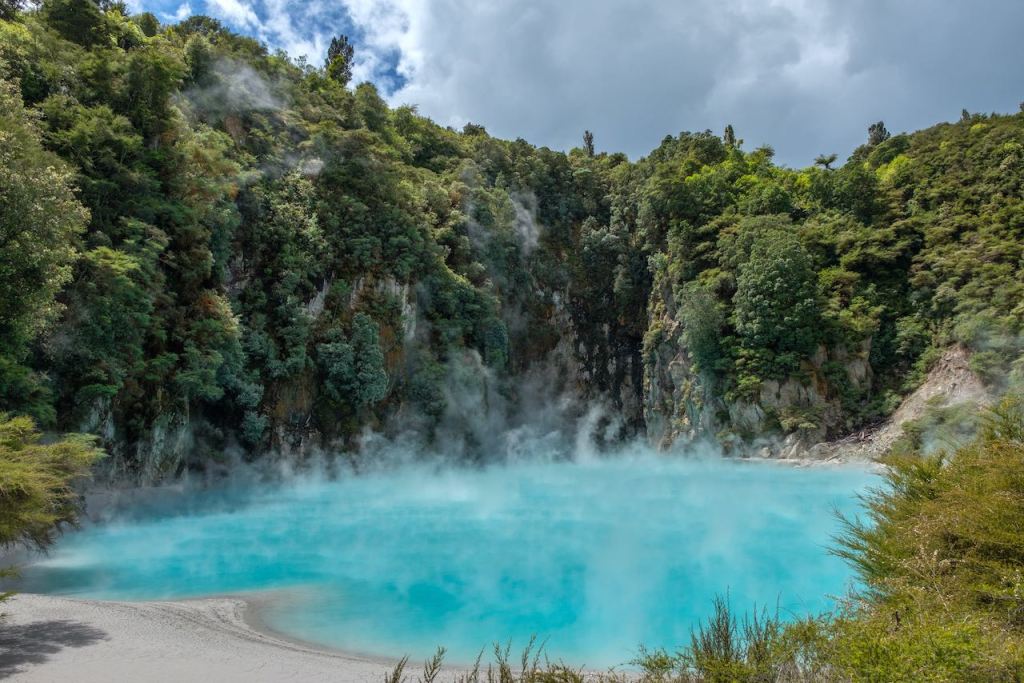
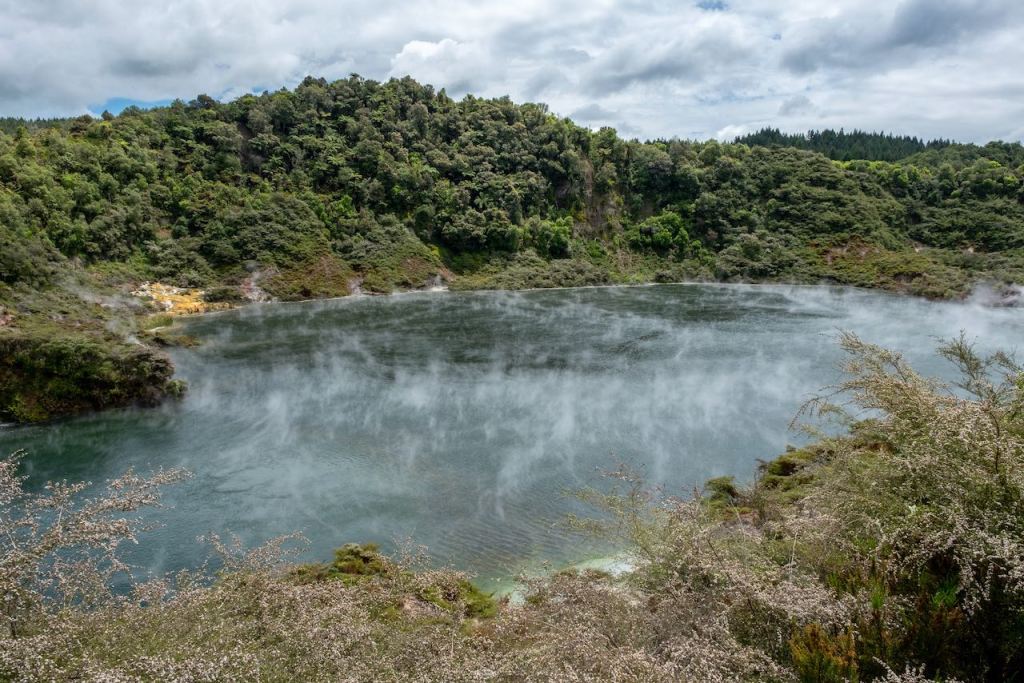
As a side note – the bet way to visit this spot is to walk one way and then on the way back catch free shuttle.
Wal-O-Tapu Thermal Wonderland
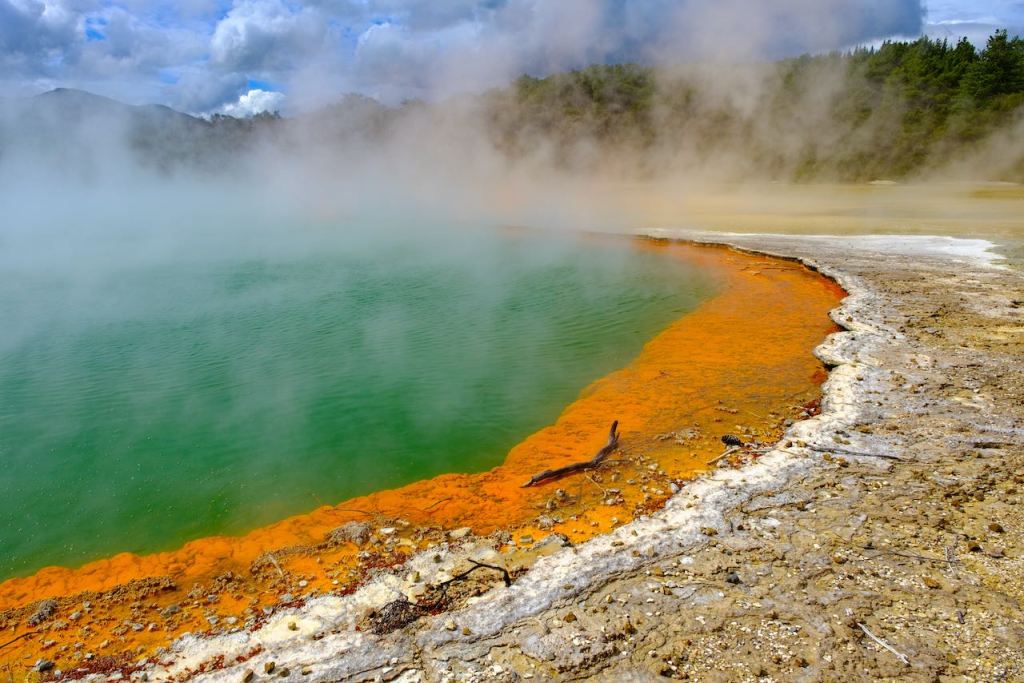
Name is not laying here – it’s real wonderland. During 2 hours walk you will experience emerald lakes, steaming rivers and places that look like crater filled with colourful jelly. You have to visit this place during your your stay in New Zealand!
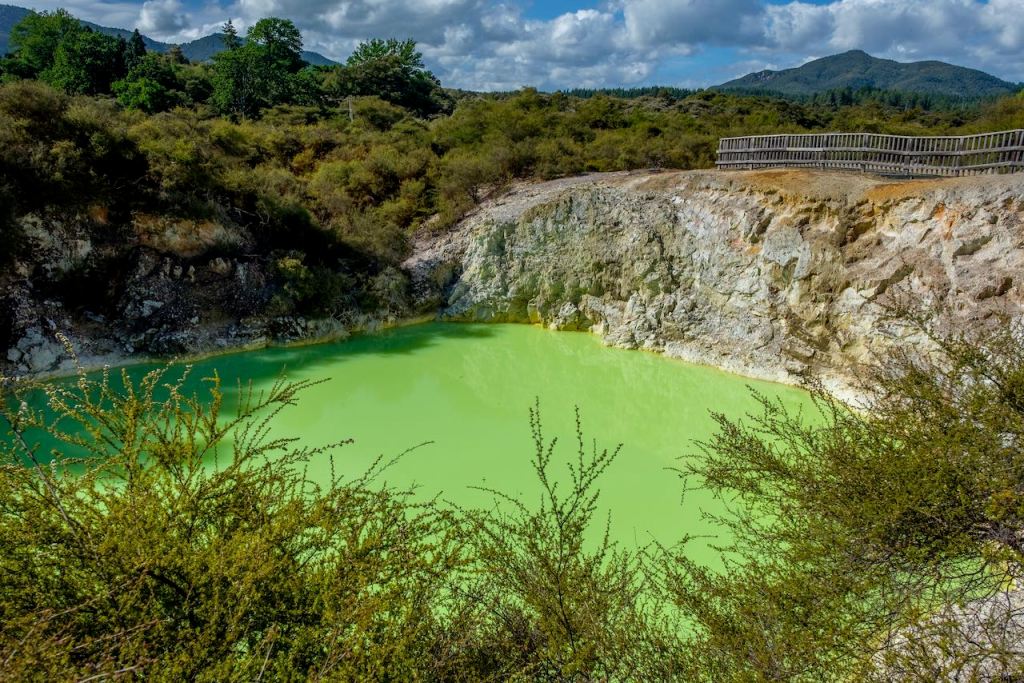
Day 6: Tongariro Alpine Crossing
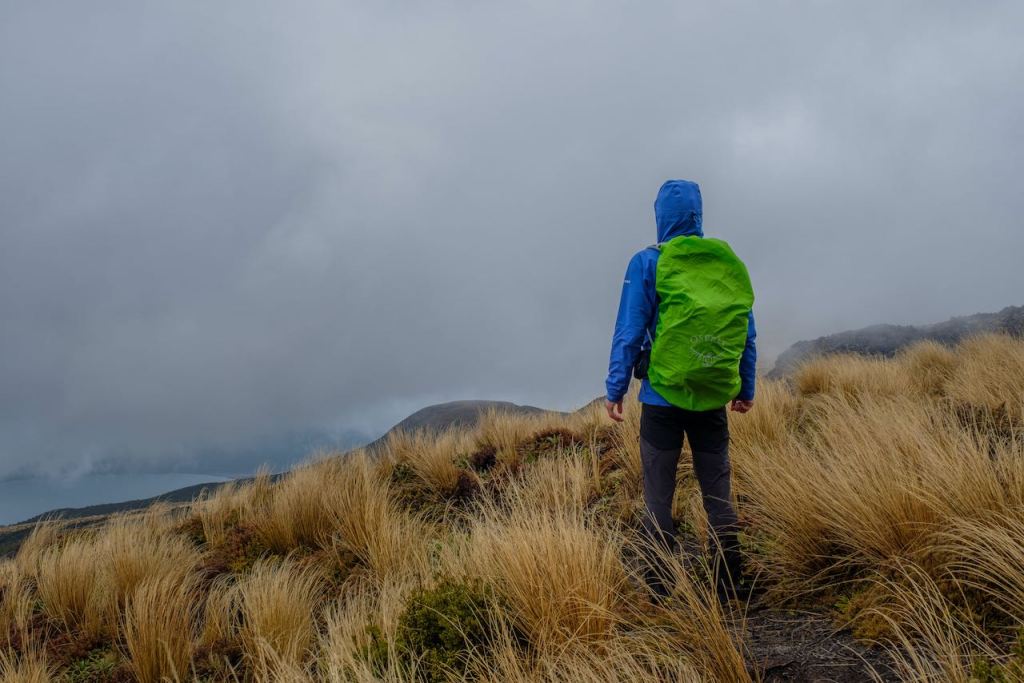
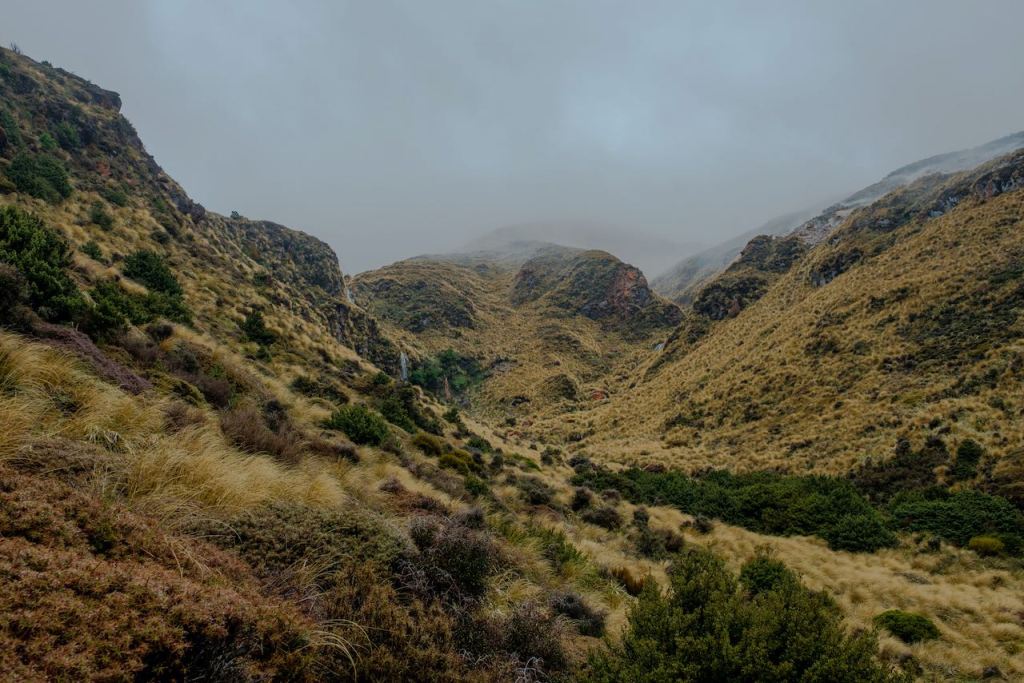
During day 6 we decided to come back to the Lord of the Rings theme and go trekking next to the mountain that was depicted as a Mount Doom in the movie. National Geographic claimed this trek to be one of the best one day treks in the world. Unfortunately, we were very unlucky, because the weather was absolutely terrible and during our crossing fog was so heavy that we barely saw anything. Weather conditions were so bad that it was close to closing down track completely. We still managed to go through, but super strong wind, coldness and rain made it really dangerous – at some moment I was really afraid that wind (which was around 90 km/h) will push us out of the mountain edge.
The best way to organize your trek is to drive to the village called “National Park”, rent a hotel there and get the transportation arranged with them. They will drive you and other people to the one side of the crossing and after few hours they will pick you up on the other side. They will also inform you about safety measures and how to call for help in case of need. Using your own car does not make sense as the end of trek is in different place than the start.
Day 7: Wellington
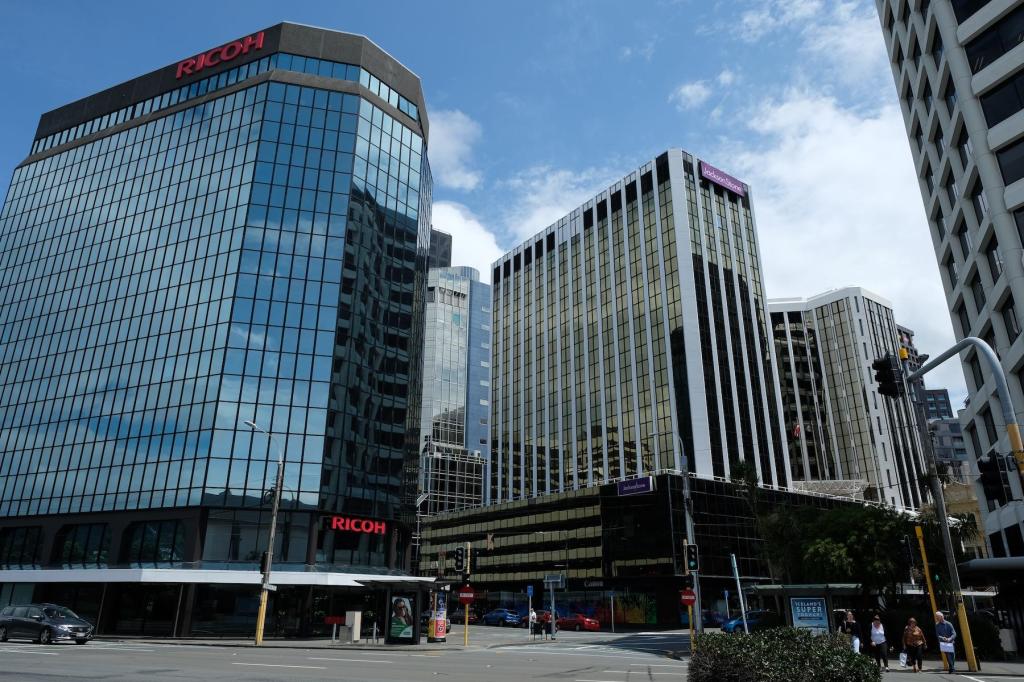
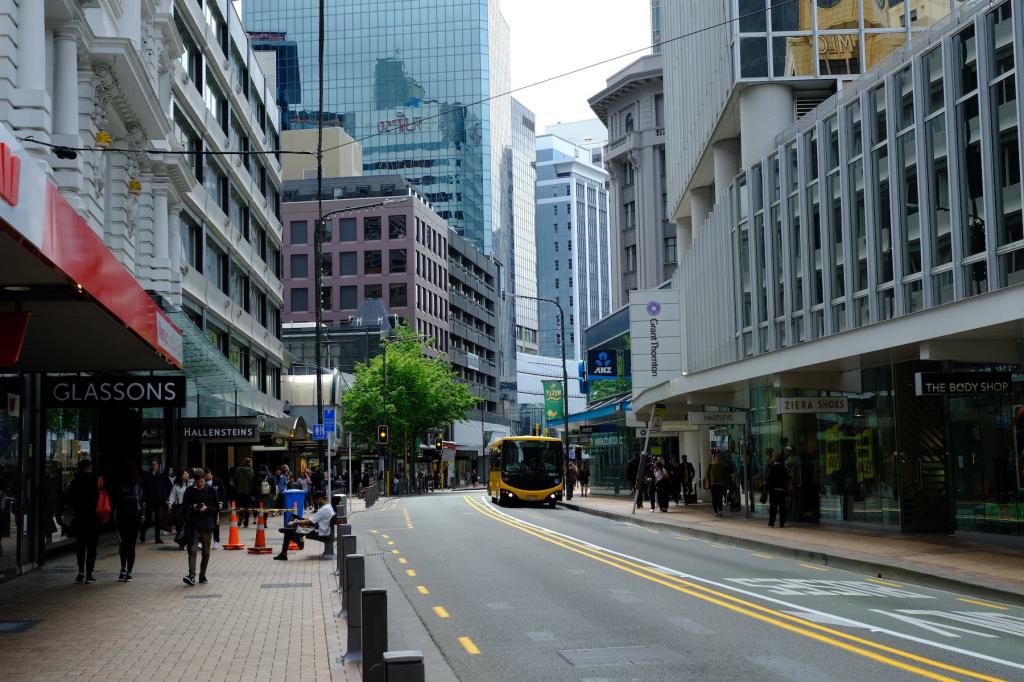
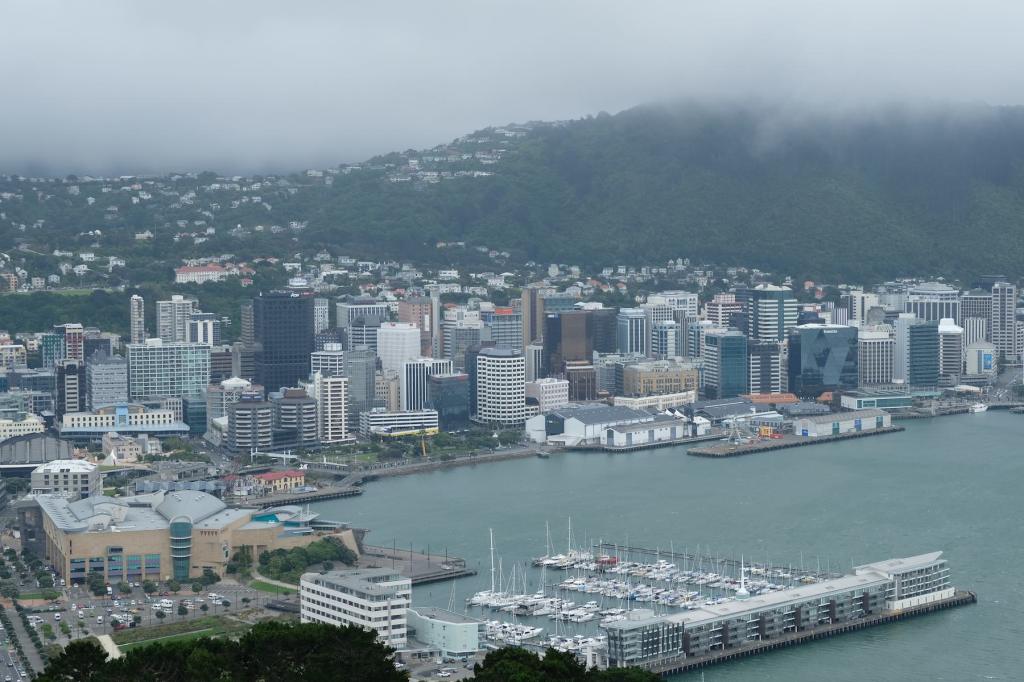
Our next stop was Wellington. Even tough it’s smaller than Auckland, Wellington is the official capital of New Zealand. It has different vibe than Auckland – it’s way more cozy. But the coffee culture is still quite strong! There are several interesting spots to visit there.
National New Zealand Museum Te Papa Tongarewa
Really cool museum telling the story of New Zealand. It helped us a lot in understanding unique ecosystem of this continent as well as its complicated history and current political tensions. Quite interactive and nicely presented, worth spending around 2-3 hours there!
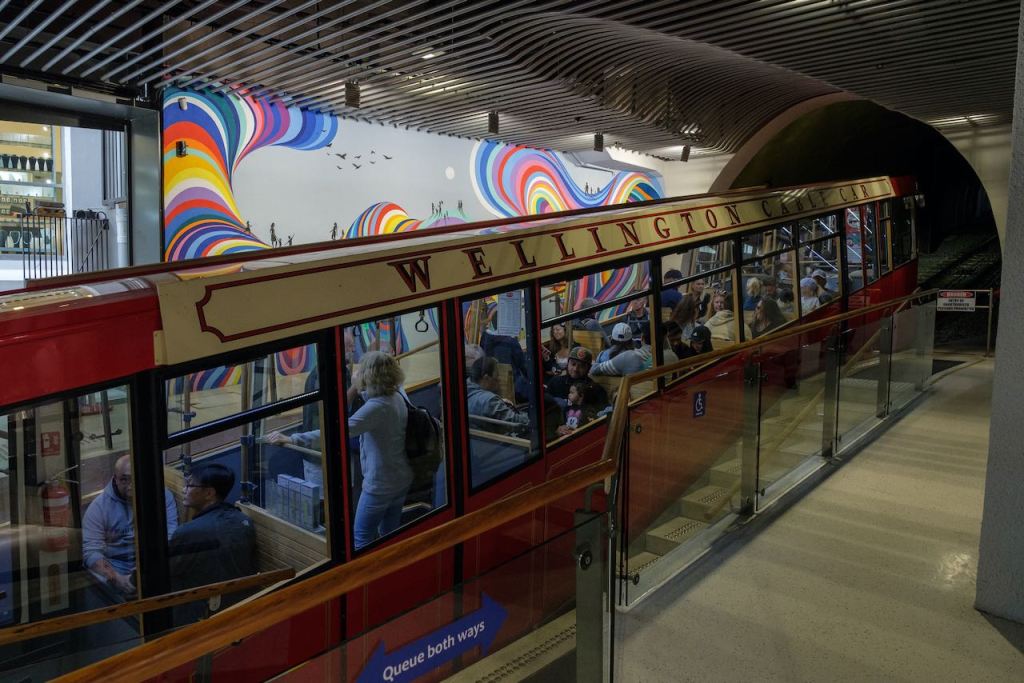
Wellington Cable Car
Famous red carriage that will take you to the nice view point to see the whole city.
Mt Victoria Lookout
Nice lookout that can be easily reach out by the car.
Zealandia
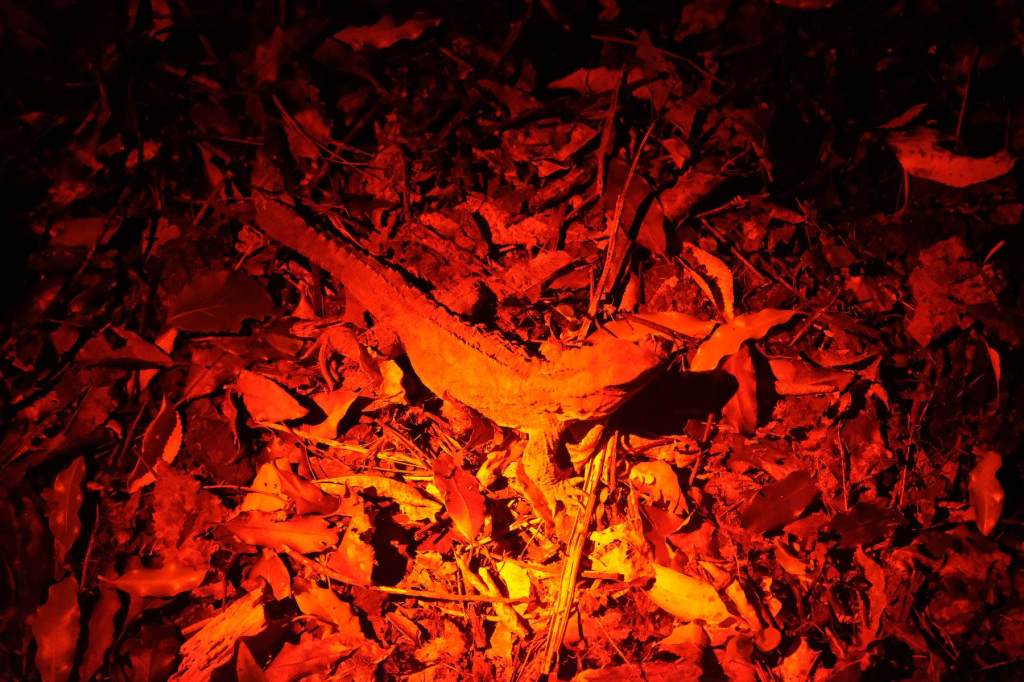
If you are in Wellington you need to visit Zealandia. It’s sanctuary for endemic birds and lizards. Piece of one of the valleys was surrounded by special fence that is not penetrable by mammals like cats and possums. Thanks to that area could be inhabbited again by Kiwis and other birds! Zealandia organises every day tours during which you have a chance to spot a Kiwi in its natural habitat. Even tough most of the tours are successful in spotting kiwi, we were not. But at least we heard them! And still experience of walking in the night with red lights and trying to find different animals (without disturbing them) was really amazing! Especially, because we managed to spot few lizards!
Day 8: Transfer to Southern Island and start Abel Tasman trek
Day 8 we spent fully on transferring to the Southern island and preparing ourselves for the trekking. We needed to return back car on the Nothern island, catch ferry and then pick up the second car from the same company on the Southern island. Ferry is really big and it takes few hours to get to the other side of the Cook straight. It’s important to book ferry in advance!
Day 9,10,11: Abel Tasman National Park
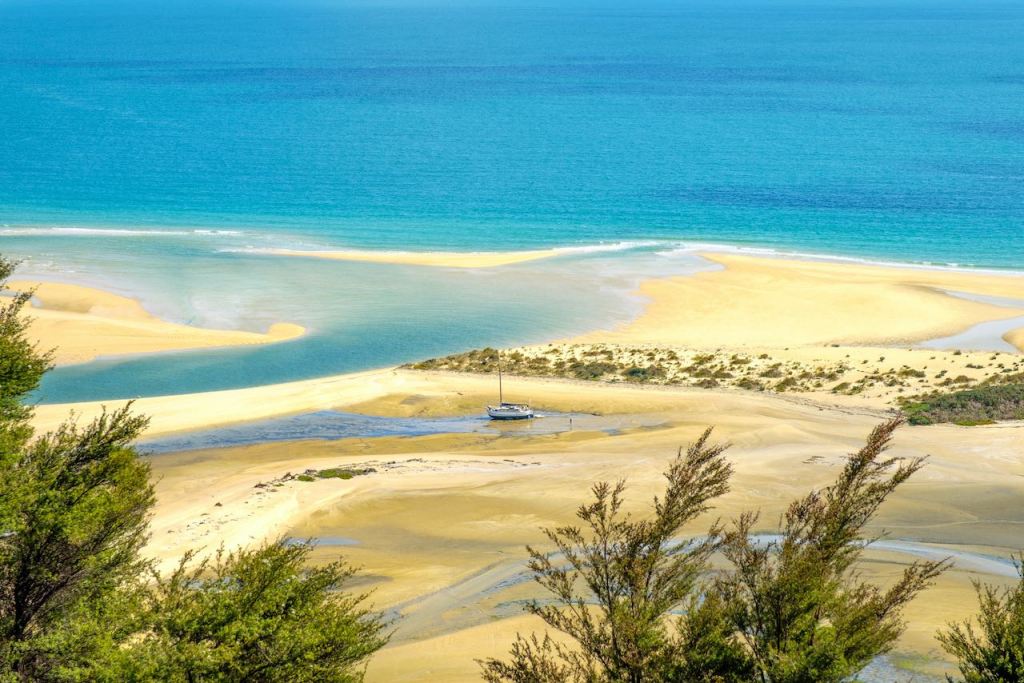
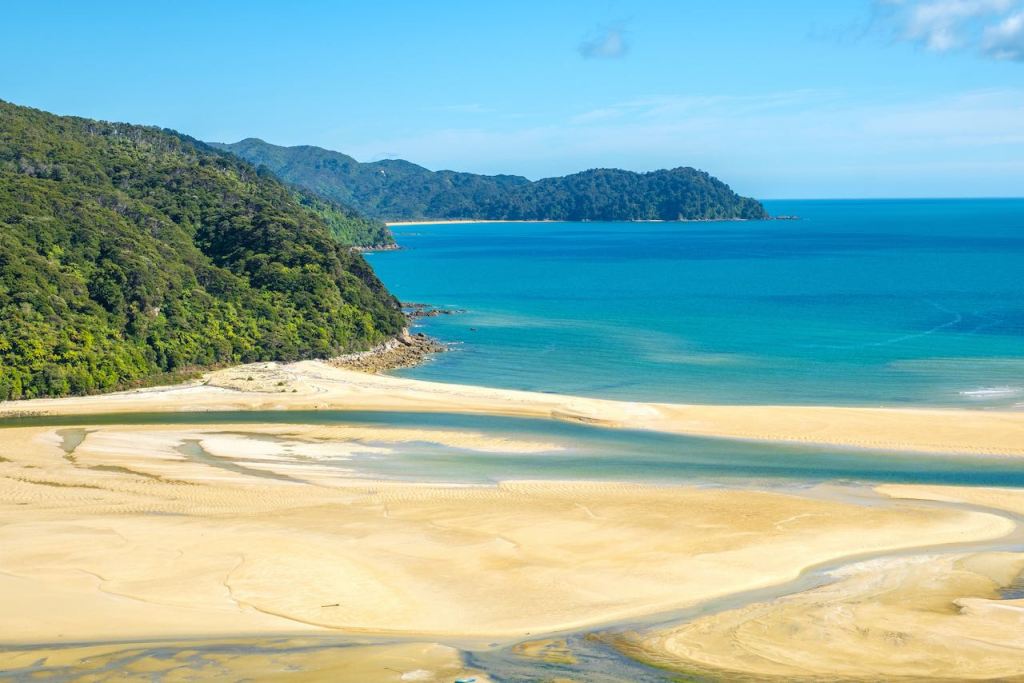
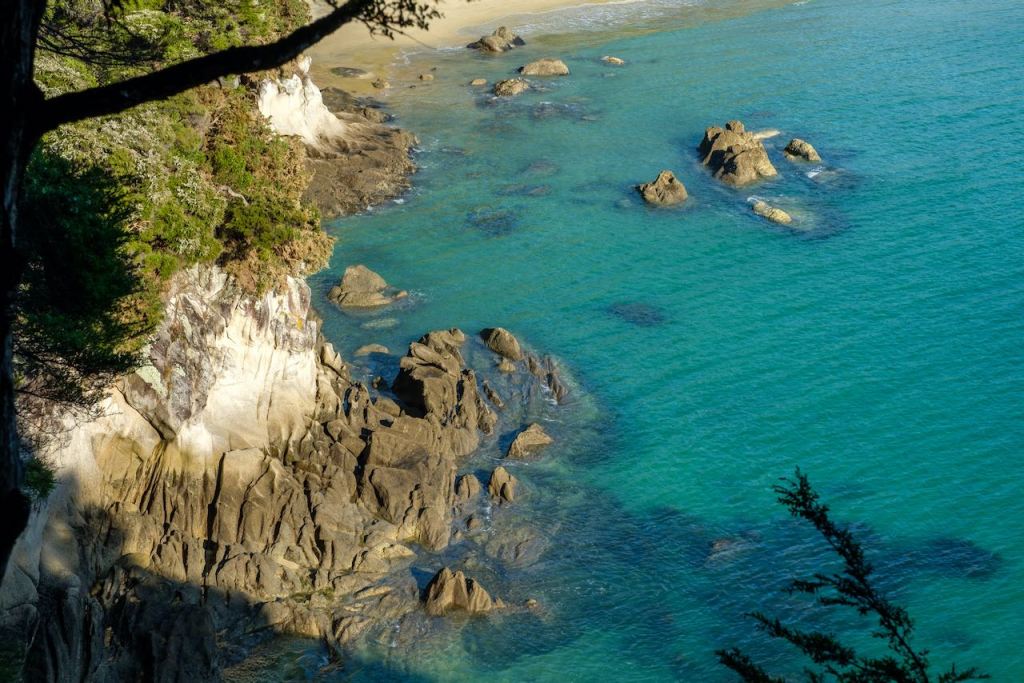
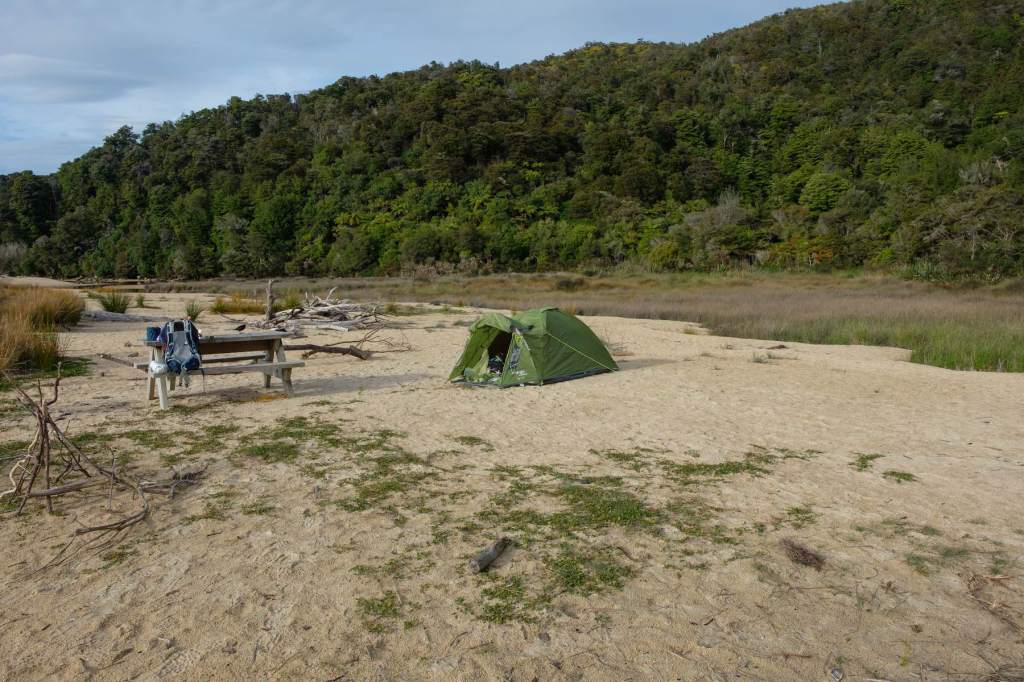
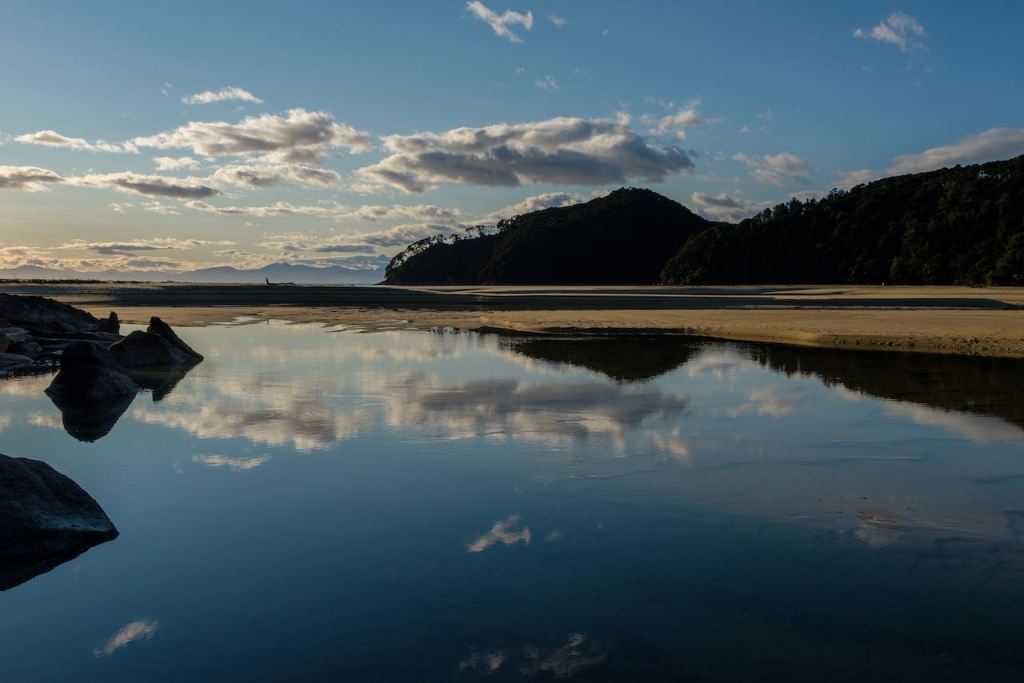
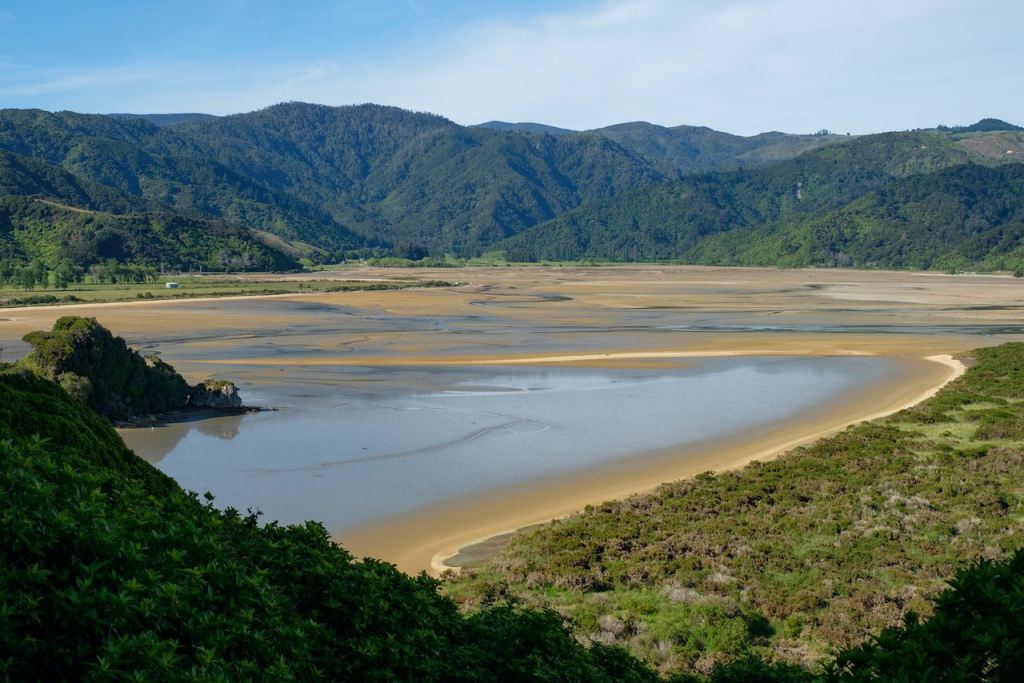
Abel Tasman trek was one of the highlights of our trip to New Zealand. And it’s one of the top place I have ever visited in my life. During 72 hours we managed to walk almost 90 km, but it was worth it! It’s a beautiful trek alongside the coast and the views on lush green trees and emerald sea are absolutely stunning! And the feeling of waking up in the morning in the tent alone on the beach and observing sunrise is just amazing!
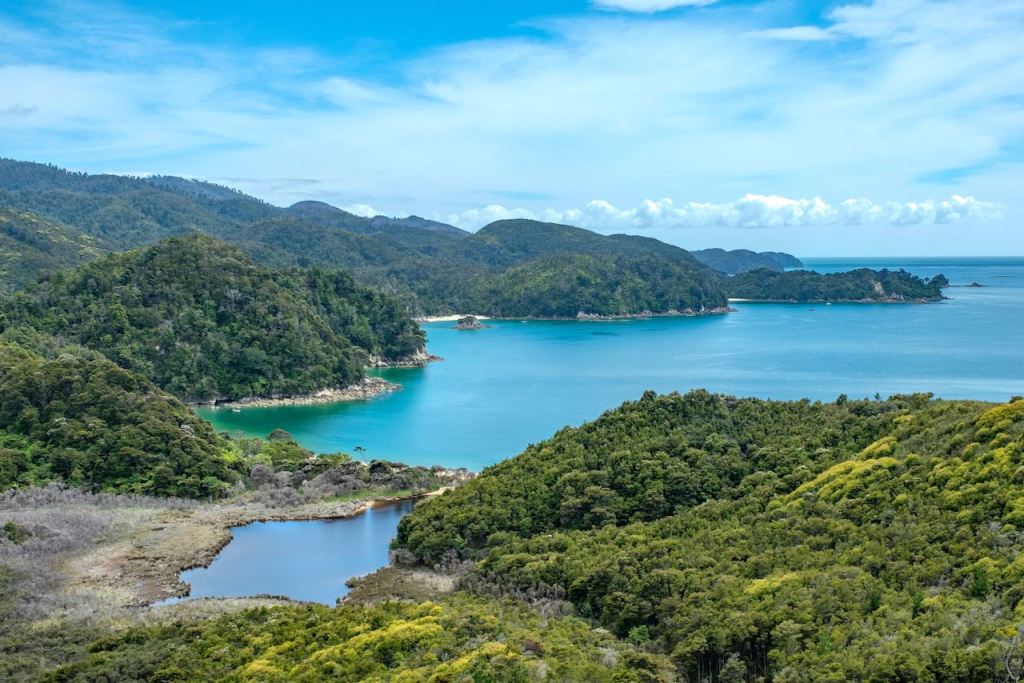
During the trek we were also incredibly lucky, because when we camped on the beach we heard sound of Kiwi (we learnt to recognise this sound while visiting Zealandia in Wellington) and then we saw brown ball of fur rushing through the beach! It’s very rare for anyone to see Kiwi in the wild so on the next occasion we reported it to the rangers!
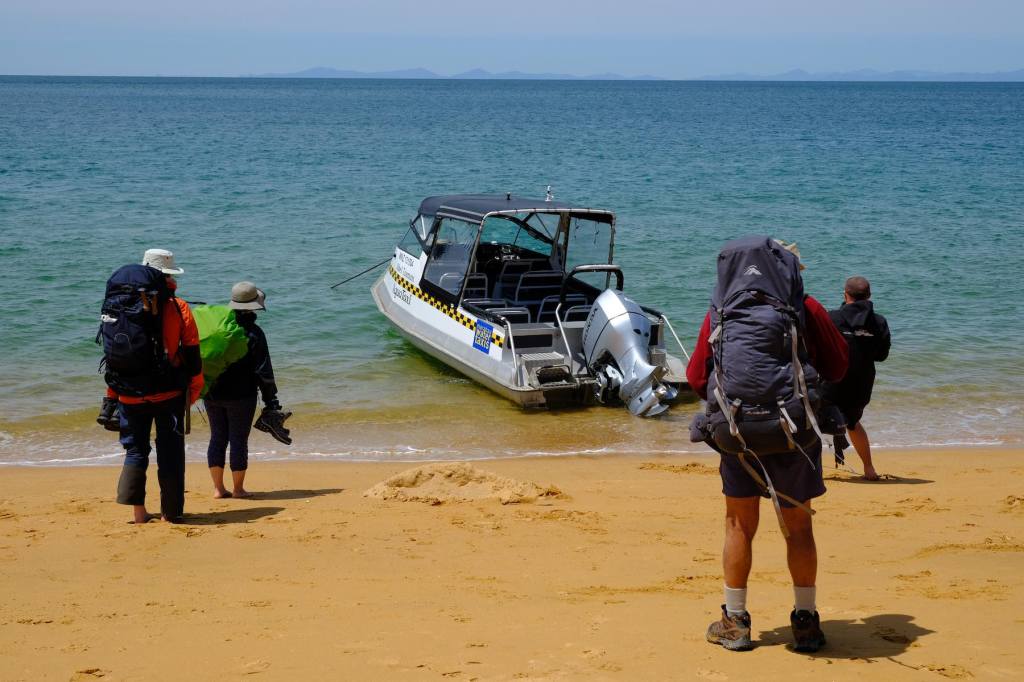
Don’t forget to reserve huts and tents in advance! Otherwise you are not allowed to sleep in the park! The best way to organise the trek is to walk one way for few days and take so called water taxi back. This taxi is a motorboat that will stop in several spots alongside the route. Taxi also needs to be booked in advance as otherwise you have a chance to miss the spot!
There are several spots where you can sleep, so you need to adjust detailed plan to your capabilities. We divided our trip to sleep on the first night on the beach of Apple Tree Bay, second night in the Bark Bay hut and on the last night in the Totaranui. You can start trek from two directions, but for us it was more convenient to start from Marahau (most people will go this way also because water taxi will be going back there). In Marahau there is public parking where you can leave your car. You can also agree with your water taxi operator to leave the car at their spot – it’s probably safer.
It’s important to be aware that in several spots crossing is only possible at certain hours as otherwise high tide will block the passage. You need to carefully time when you are at the crossing as the window is not that wide and even at the best moments you will still need to go through some level of water!
Please remember also to take enough food with you and gas stove. Abel Tasman huts do not have gas and water is not drinkable without boiling it. Also there are no shops where you can buy food. The only exception is the ranger station in Totaranui which has some choclate bars and instant soups, but it’s open only for a very short time each day. We didn’t took enough food with us and we were seriously starving on the last day. And to make things worse – when we finally managed to replenish our supplies in the ranger shop, they were stolen soon after by the wild ducks! I think I will never forget situation of 2 adult guys running like crazy after duck that stole our last chocolate bar 🙂
Day 12: Franz Josef Heli-hike and Hot Pools
On the next day we moved to Franz Josef village which is located in the middle of Southern island. It’s close to 2 glaciers – Fox and Franz Josef. We were quite amazed that in such a short time we moved from sunny and warm Abel Tasman to the land of ice!
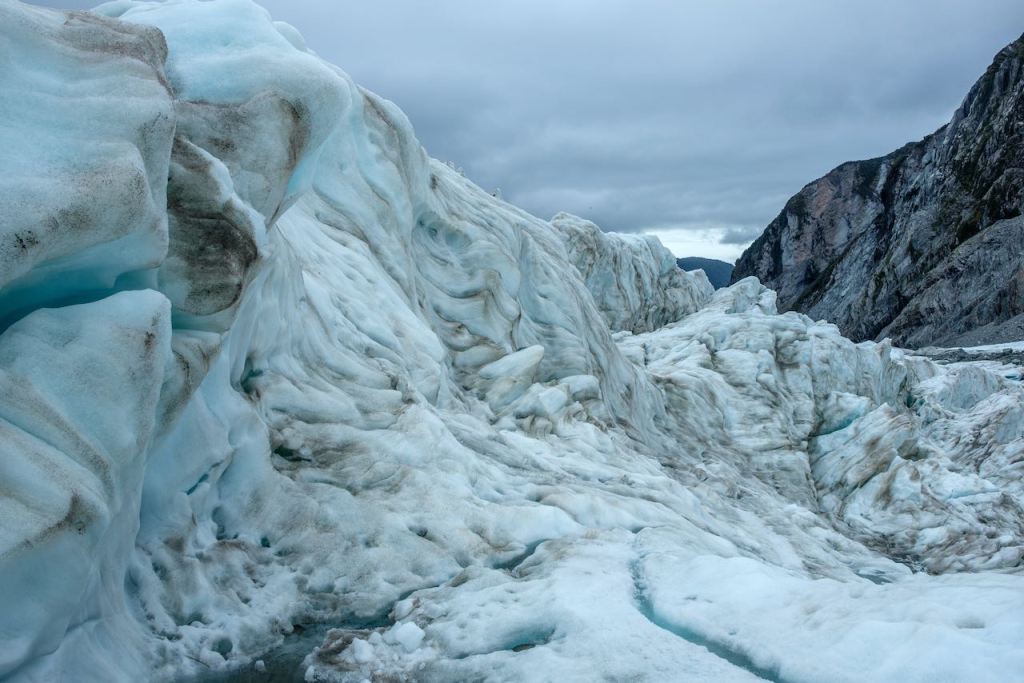
Village is also serving as a base for helicopters that take people up to the glacier for heli-hike. There you jump out of the helicopter and together with guide you walk on the glacier in crampons. It’s really stunning experience – both the flight in the helicopter as well as the walk on the glacier. We were quite lucky as our group was supposed to be bigger, but due to the Chinese tour not appearing on time, we had only 3 people in the helicopter. Thanks to that we got really cool and custom tailored walk!
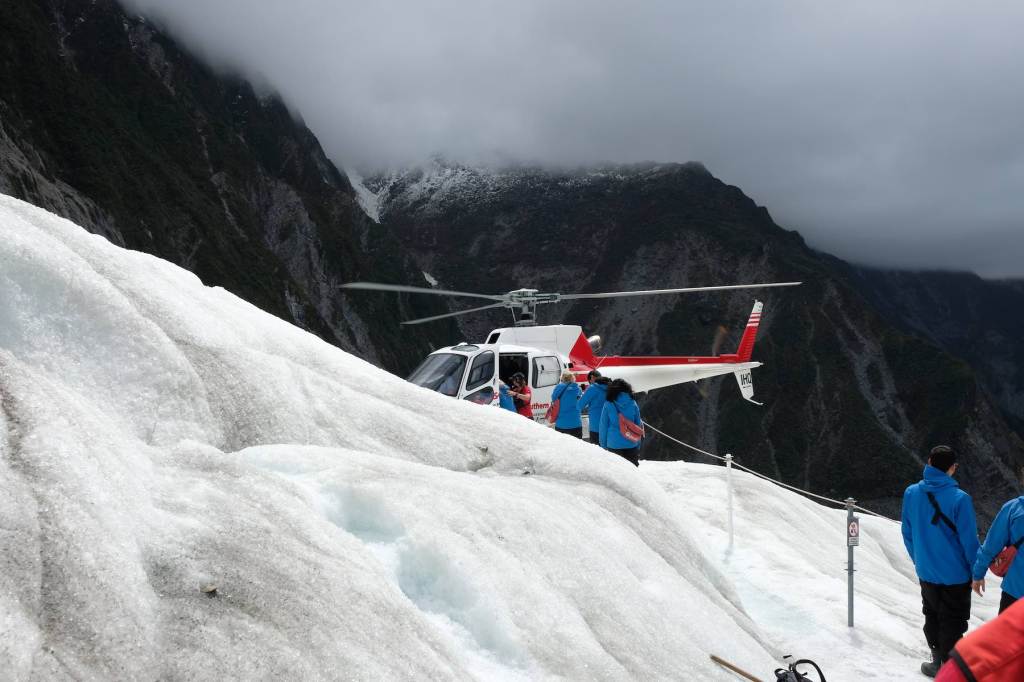
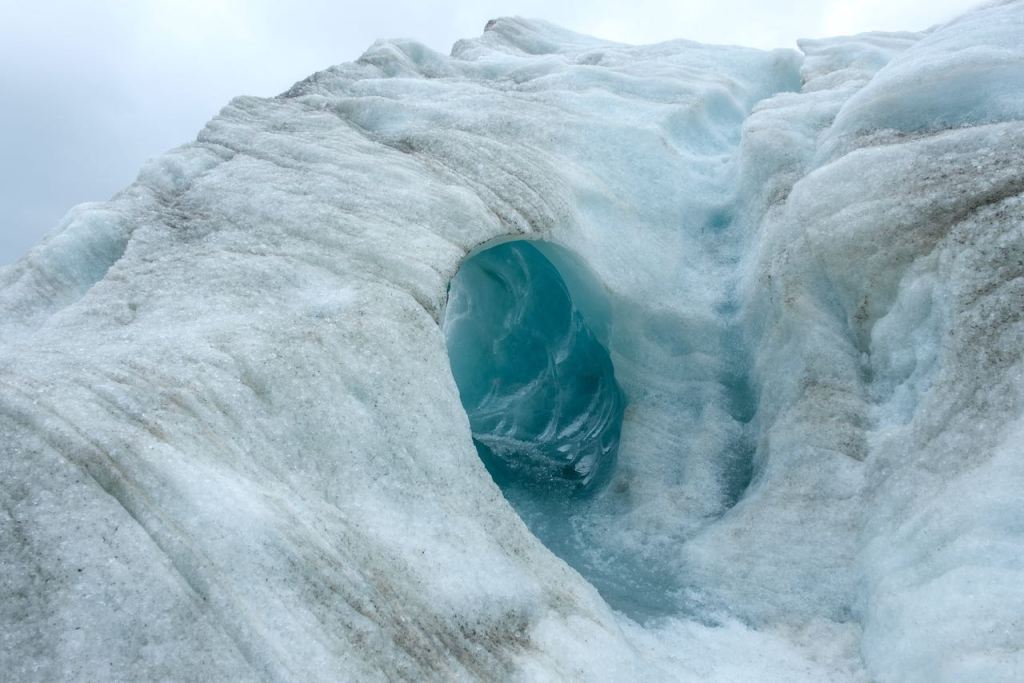
Additionally, when you book heli-hike you will also get free ticket to hot pools. They are artificial, but still they are pretty nice after the walk on the cold glacier.
Day 13: Wanaka tree and Roys Peak
Wanaka tree
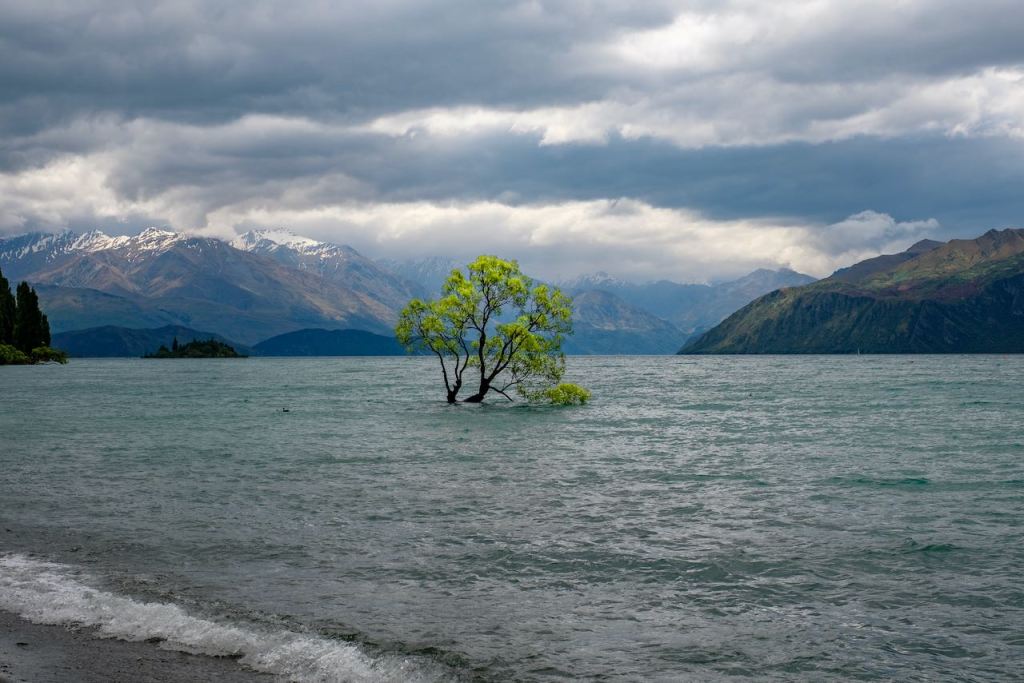
Next day we drove to Wanaka city where we encountered famous Wanaka tree. It’s a tree that managed to grow alone in the ground cover by the lake. It looks really extraordinary and it’s praised by many people as a symbol of perseverance and survival in harsh conditions.
Roys Peak
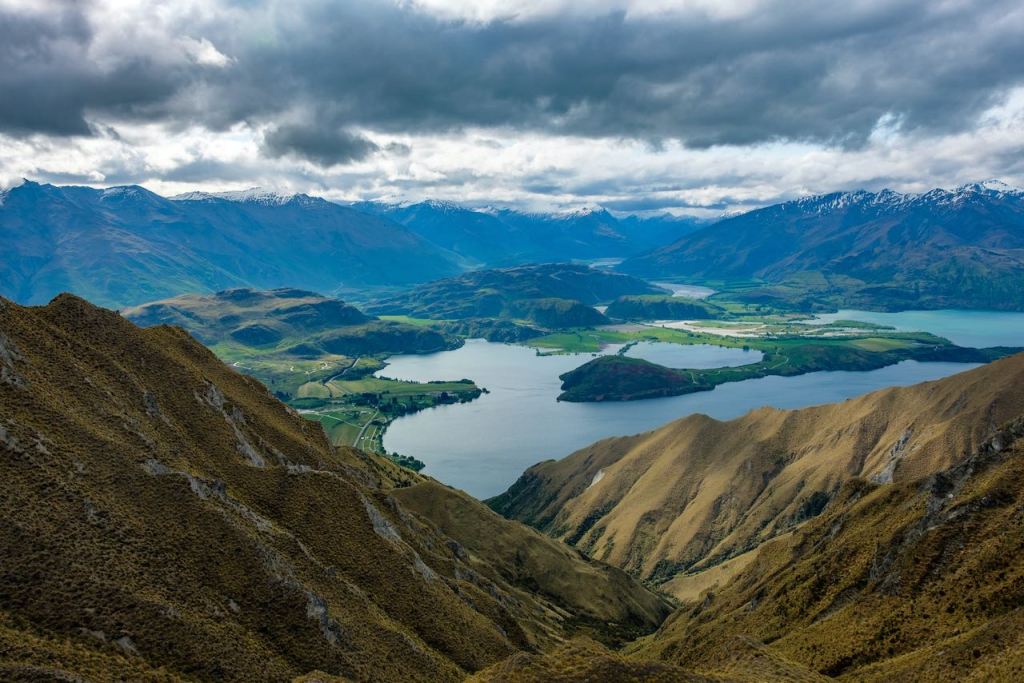
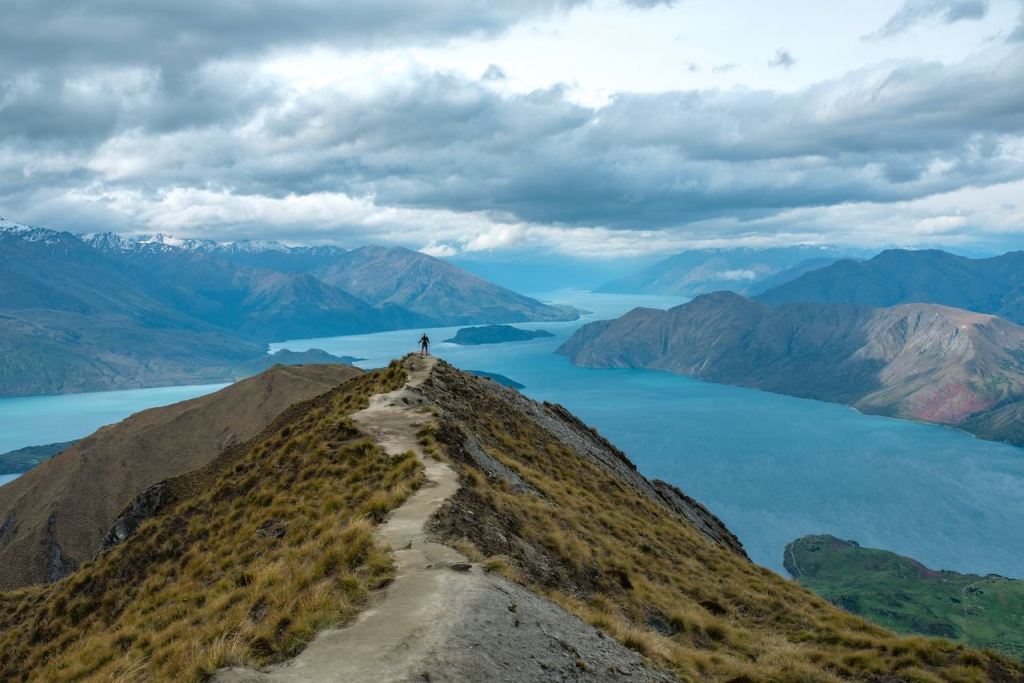
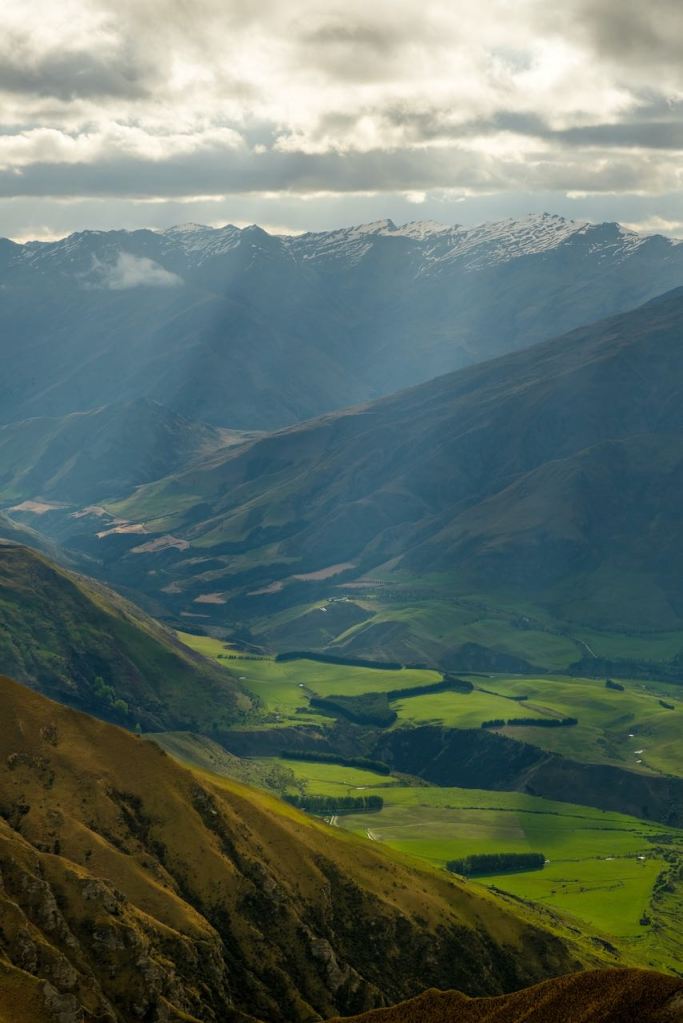
Regardless of how extraordinary Wanaka tree was, the real highlight of the day was Roy’s peak. It’s a peak next to Wanaka city that we decided to reach in the late afternoon. It turned out to be the perfect choice – there were not a lot of people and the sun was absolutely perfect for photos. To be honest, I think Roy’s peak is the best spot for photography in whole New Zealand. Views are purely spectacular in each direction and you can capture in one photo so many colours! I highly recommend this place! It’s really worth the effort of walking to the top!
Day 14: Milford Track one day hike
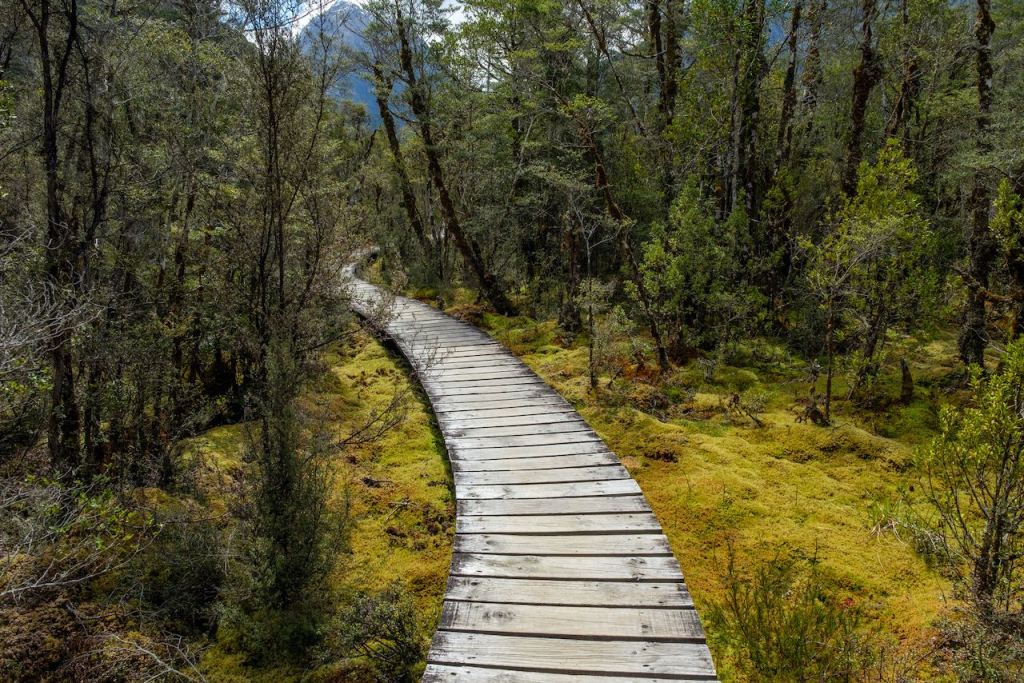
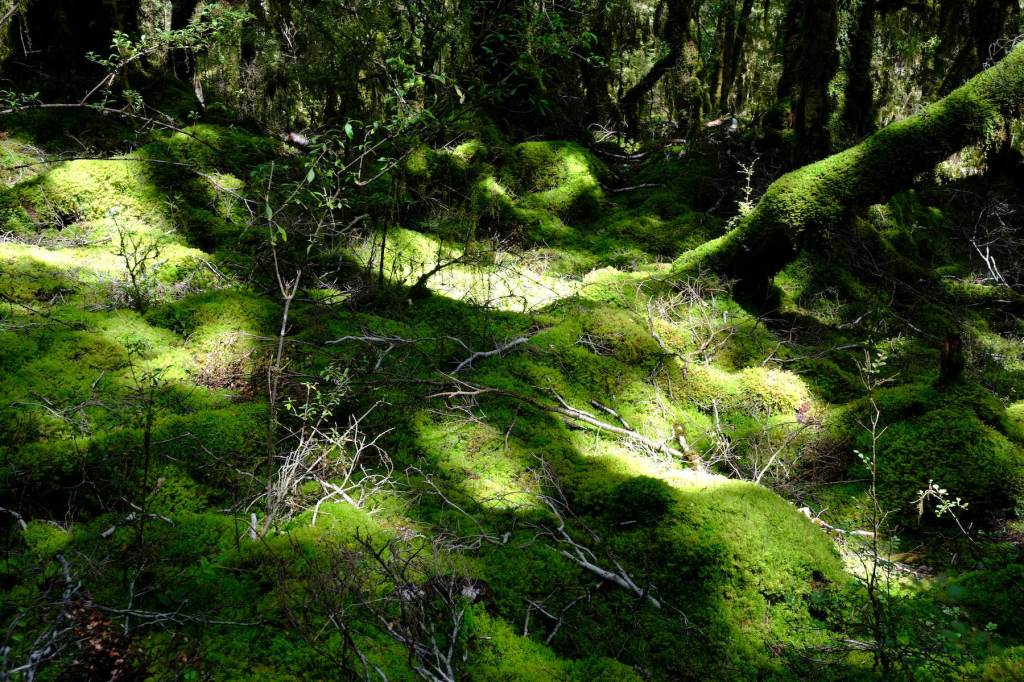
After reaching Roy’s peak we drove to Queenstown, where we spent the night and very early next morning we drove to Te Anau. From there we onboarded for the one day hike on Milford Track (this time organised by the company).
Milford track is quite famous, but unfortunately due to the lack of empty spaces in the huts we needed to go for 1 day trek only. It was nice trip and I can imagine that full trek is even more beautiful than what we experienced. We also enjoyed talks with our guide, who explained us a little bit more about New Zealand nature, history and favourite sport – Rugby (concentrating mainly on the famous national team – “All blacks”).
Day 15: Doubtful Sound cruise
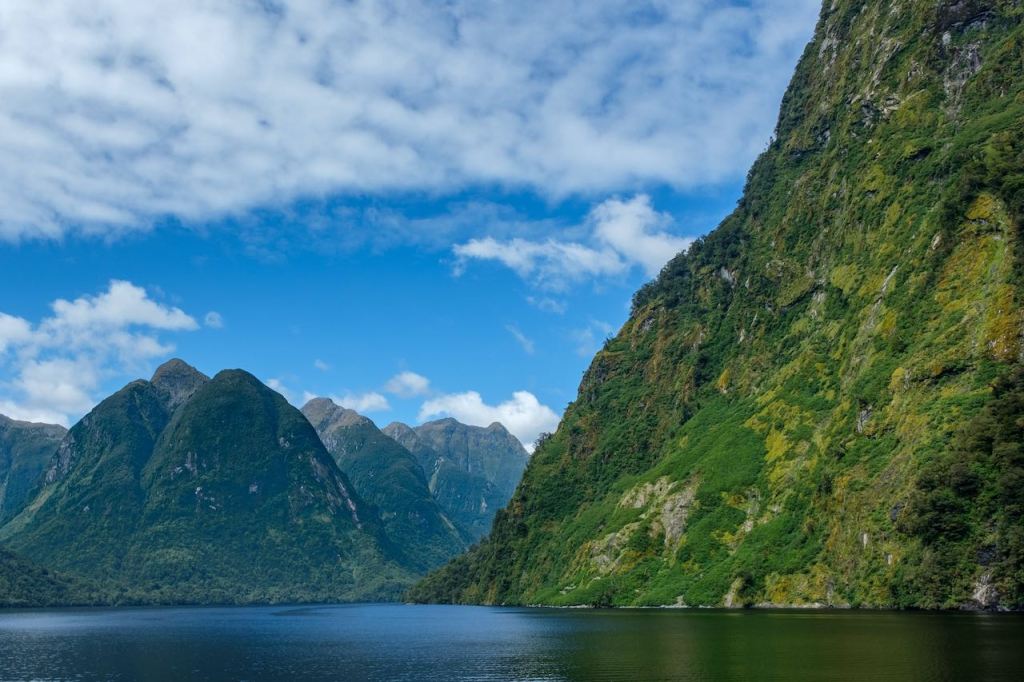
After sleeping in Te Anau, the next day we joined trip to Doubtful Sound. Sound in general means the same as fjord and there are two most famous ones – Milford Sound and Doubtful Sound. Milford Sound is more accessible, whereas Doubtful sound is very hard to reach – we had to first drive by the bus, then we transited onto the catamaran, then again bus and finally we arrived to the boat that took us for the cruise. We decided to go for Doubtful sound as it was harder to reach and people were advising it’s the better one. But hard to judge as we didn’t see Milford.
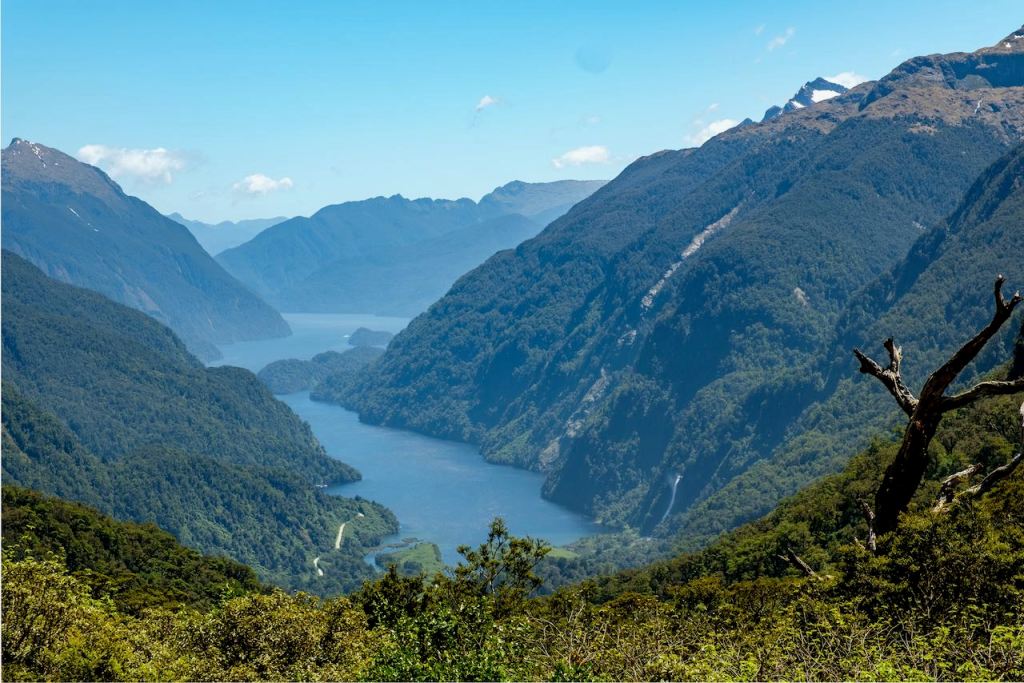
Cruise itself was very nice – fjords in Fiordland National Park are absolutely gorgeous! Plus we saw penguins!
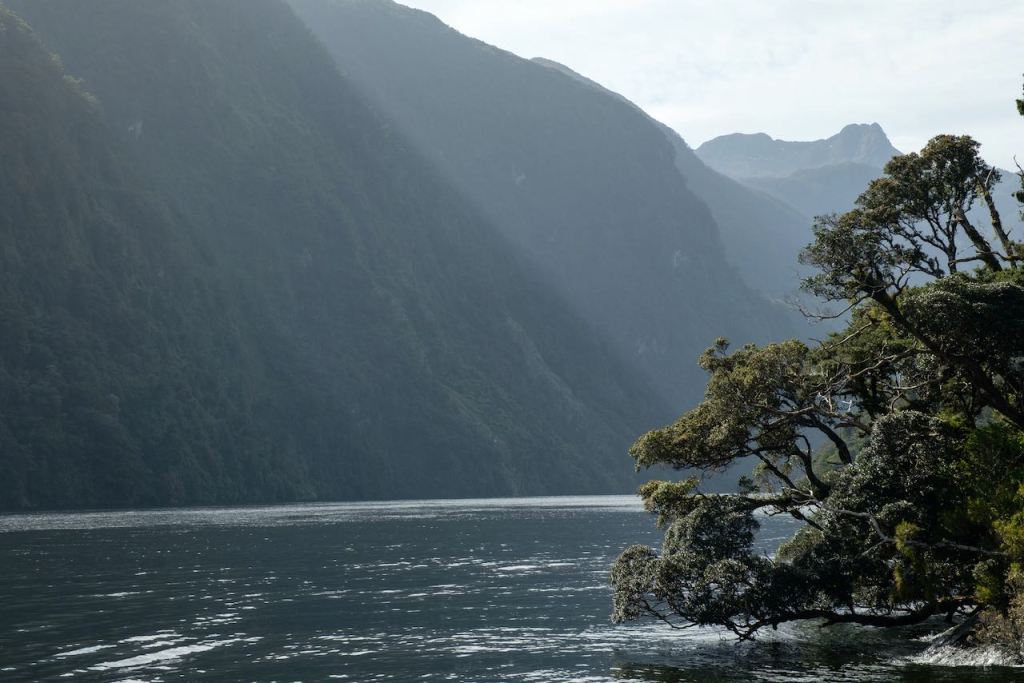
If you decide to go for Milford Sound, please be aware that in case of rainy weather quite often there are ground slides that block the road and make it impossible to come back for few days until the road is fixed again.
Day 16, 17, 18: Routeburn Track
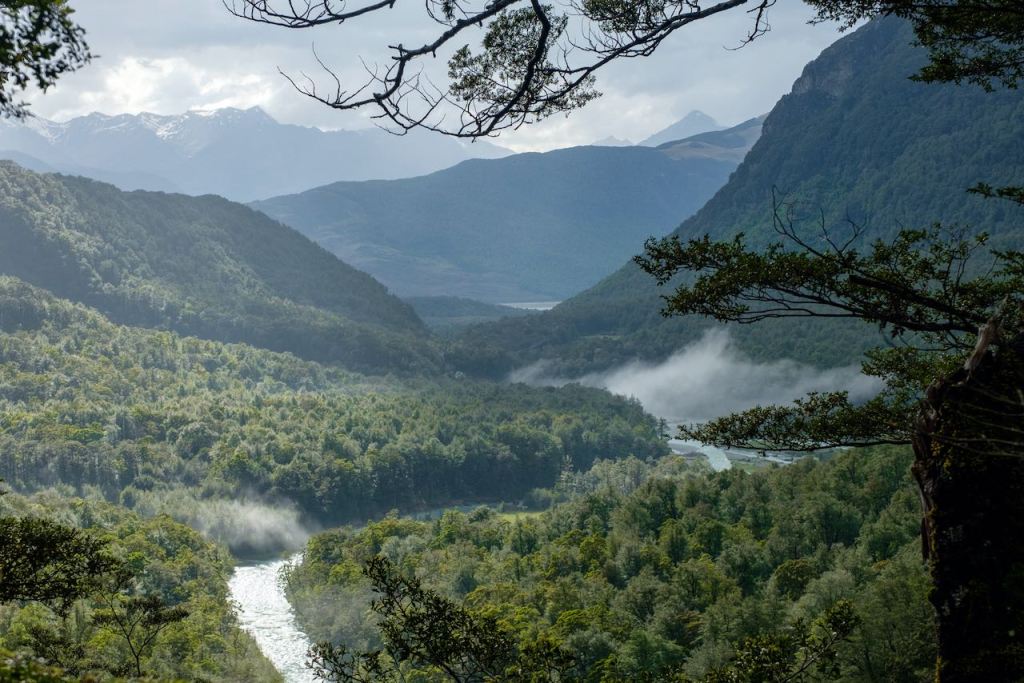
After the cruise we came back to Queenstown and the next day we jumped on the transfer to Routeburn Track. It’s one of the most famous New Zealand Great Walks, but unfortunately we didn’t really have a chance to experience it fully – weather was super bad and rainy so most of our walk was more fighting for survival than enjoying views which were hidden behind the fog. Fiordland is quite famous from the amount of rain, but the amount we were facing was extraordinary even for that region. I think I was never so completely soaked during the hike.
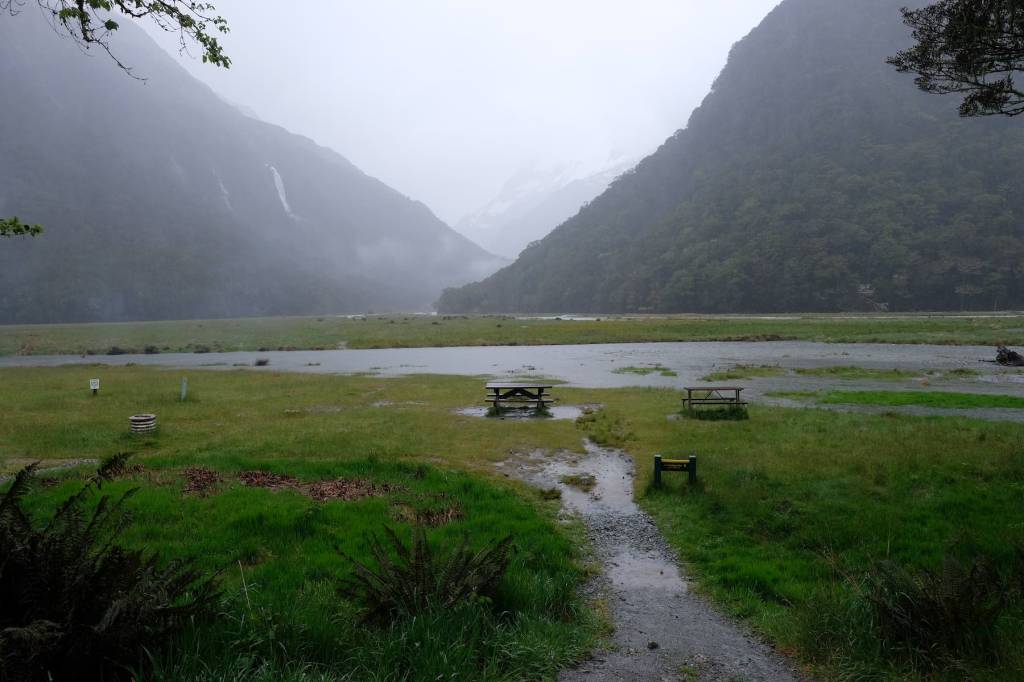
Based on the above I can advise to book huts, not campings. Also you need to be careful with Routeburn – it’s Alpine track, way more dangerous than Abel Tasman or Milford. Especially during the colder months. Even during our hike we needed to cross lake which overflow its basin and covered the track, we needed to jump over small waterfalls and climb walls full of wet stones.
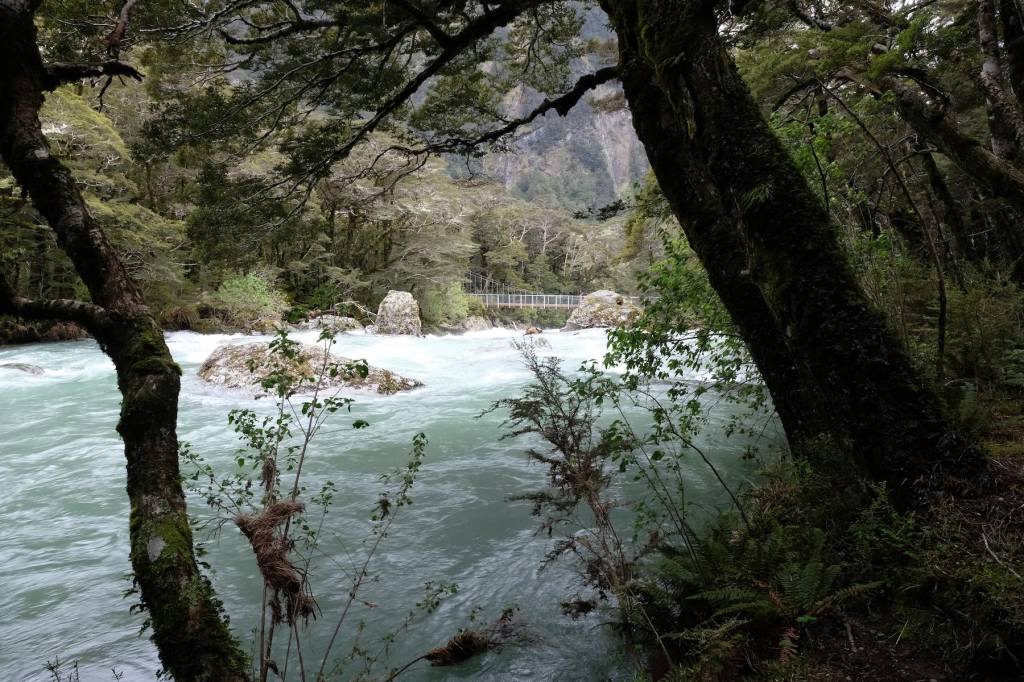
In general Routeburn beginning and end are really far away – almost 4 hours of car driving. So you need to book transport in advance. And of course you need to book huts as well. They are way nicer than the ones in Abel Tasman – water is drinkable, there are gas stoves and in the hut there are fireplaces. We enjoyed company in both of them and had really nice talks with other people suffering from the rain! (and really cool ranger at Lake Howden hut, who explained us a lot about New Zealand nature and gave great advices on how to survive Routeburn).
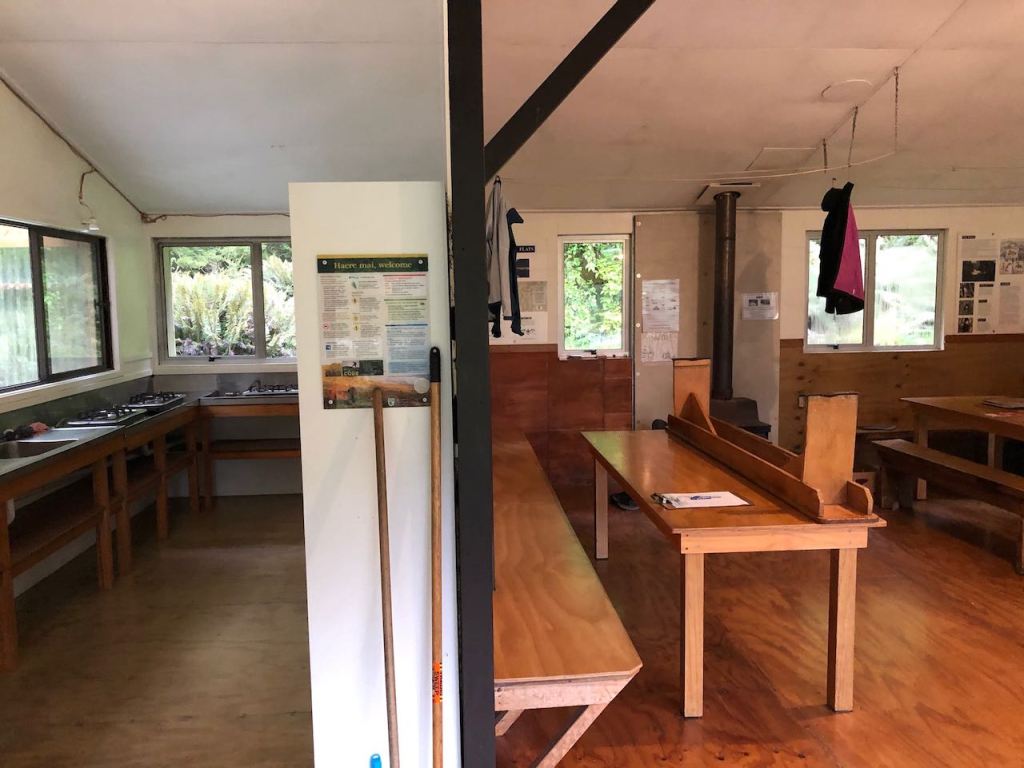
Usually people divide Routeburn into 3 days – first day they walk to lake Mackenzie, then to Routeburn Falls and next day they catch bus in the Routeburn shelter. Some people do the same route, but in the opposite direction. However, we planned our trip differently (due to lack of space in the huts) – first day we slept in Lake Howden, the next day we did super long and strenuous walk to Routeburn Flats and on the 3rd day we made short distance to Routeburn Shelter. This approach is really heavy as you do almost whole track during second day. It was pretty hard, especially due to the bad weather, rain and the distance. We managed to survive, but think twice before doing it this way!
Day 19: Queenstown
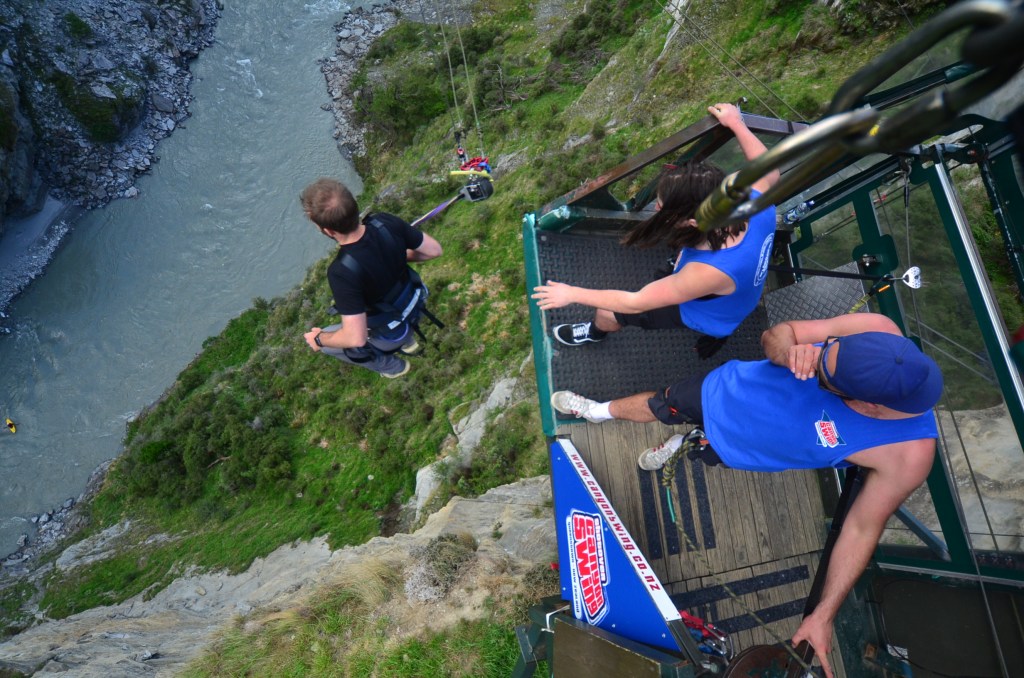
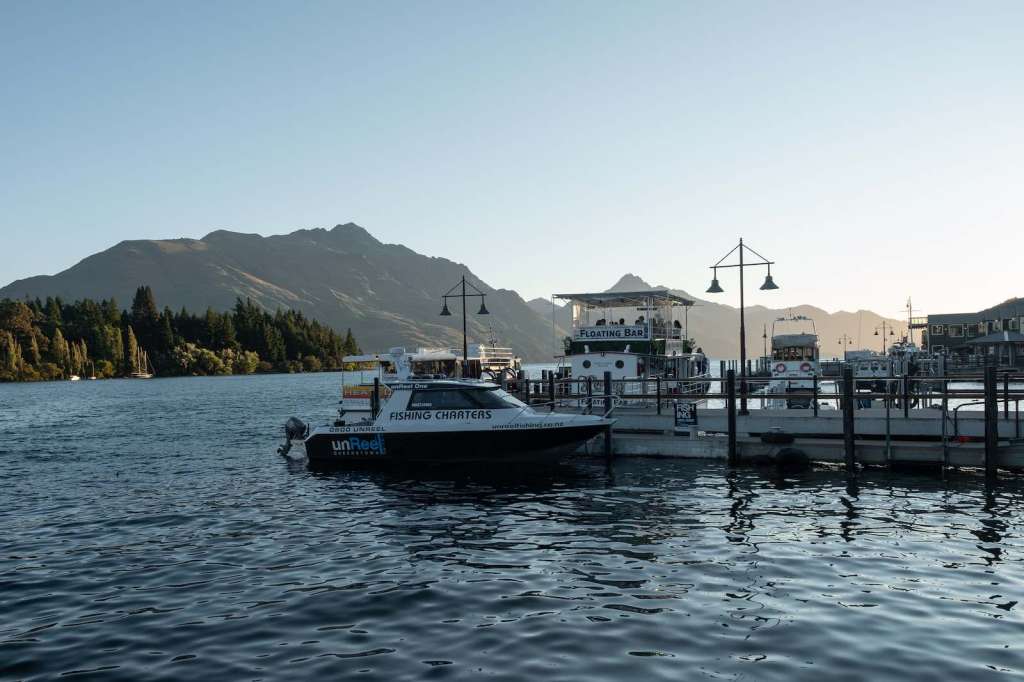
After surviving Routeburn we came back to Queenstown where we spent our last day on the Southern island. Queenstown is really cool city, named also the world capital of extreme sports. And being there you can understand reason behind this statement – you can try almost any extreme sport you want – bungee jumping, skydiving, white water rafting and many more. We finally decided to go for Canyon swing jump. It was quite scary, but also very cool!
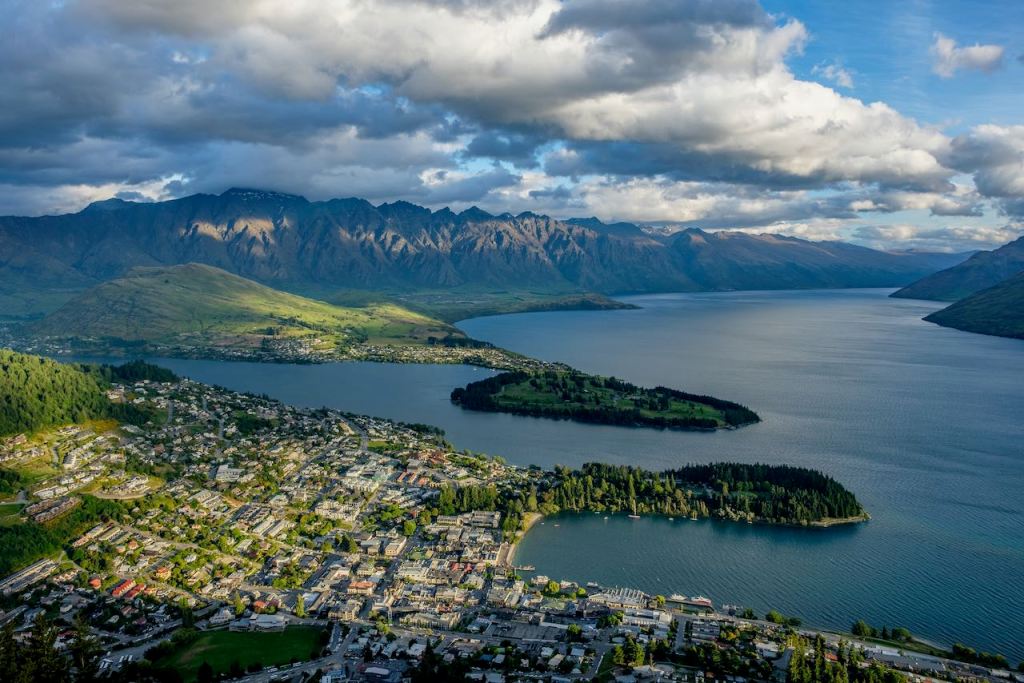
My favourite spot in Queenstown was mountain behind the city which can be reached by the cable car. Queenstown is located in the mountains and surrounded by the lakes, so panoramic view from the peak is absolutely stunning, especially if there is light going through clouds!
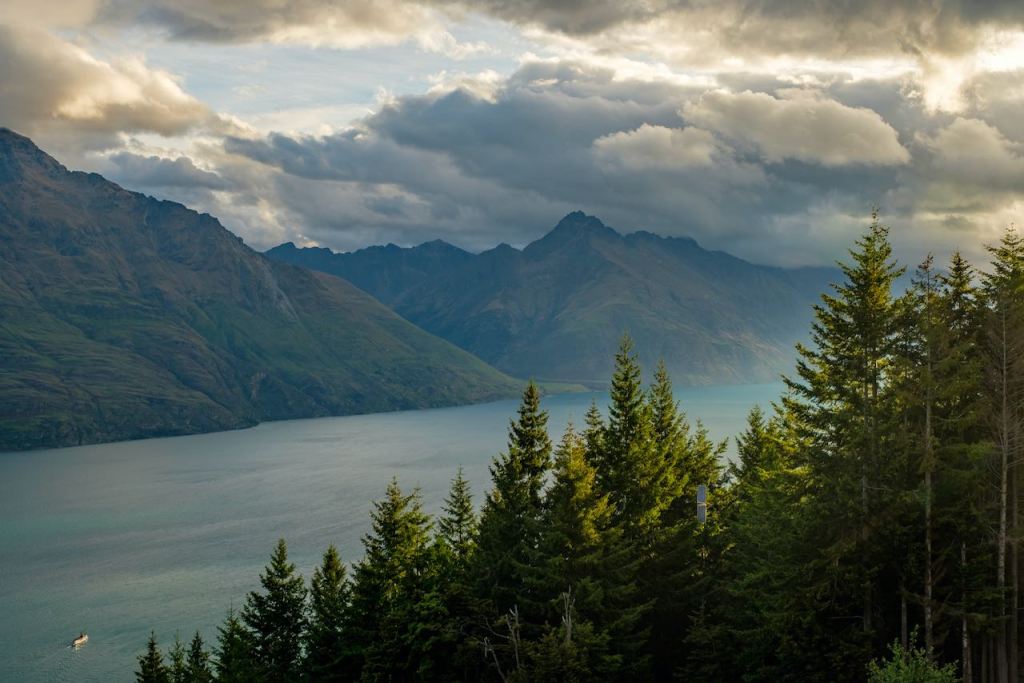
Queenstown is also pretty famous for Burgers – especially resturant called Ferburger. Unfortunately, there is always long line to that place, so we tried other really good spot – Devil burger. But in general city centre of Queenstown is full of very good restaurants and cafes. And it has beautiful view, so I highly recommend to just take a walk in that area.
Day 20: Flight back to Auckland and Hot Water Beach
We decided to come back to the North island by plane and return car in Queenstown. It was good choice as it saved us long drive up North and we could use this time to see more places on the Southern island. And we also enjoyed flight with Air New Zealand – I fully agree it’s one of the best airlines in the world!
After landing in Auckland we rented new car and drove to Hot Water Beach. It is really unique place where you can easily dig to the hot water through sand. And I mean really hot – you could easily burn yourself! The whole secret is in the hot underground river that is flowing under the beach. In order to be able to enjoy hot water you will need to be there during certain hours – it’s important to check tides timetable. You will also need spade – you can rent it for few hours in many nearby shops or cafes.
Day 21: Flight back to Europe
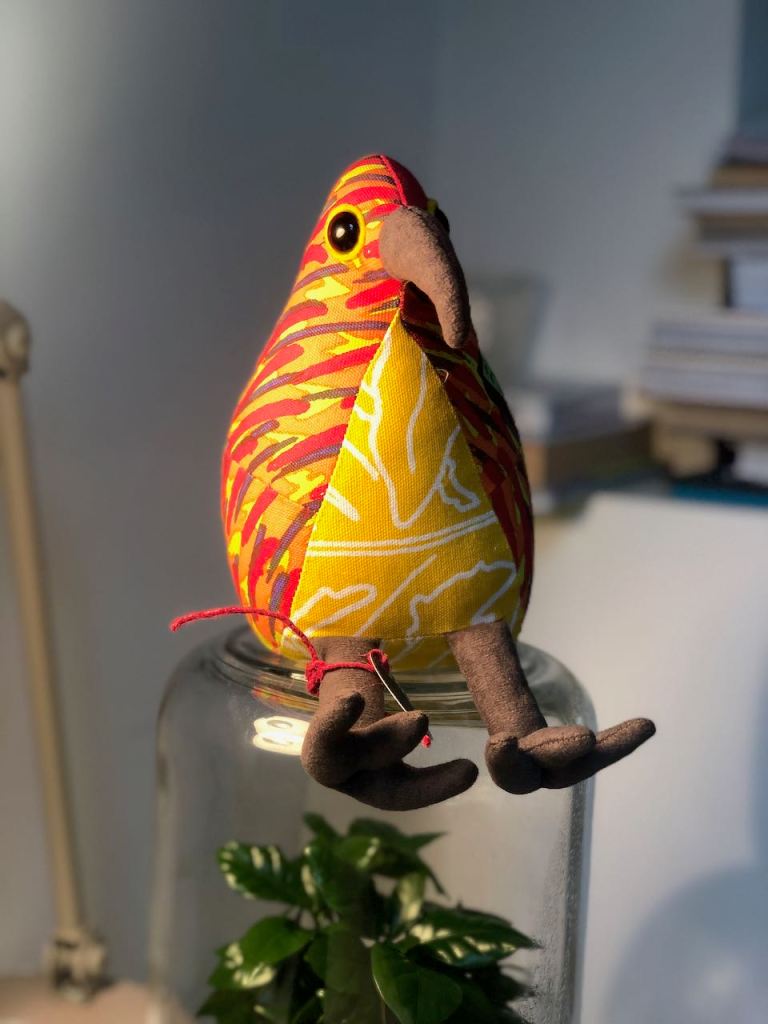
Last day in Auckland we spent on getting souvenirs and returning car to the rental agency. Thanks to that I managed to buy new Kiwi friend that came back with me to Europe!
In general I really enjoyed our trip to New Zealand. Variety of different adventures, amazing nature and ability to experience completely different things made this trip really extraordinary. One day you are at the seaside with palms, the next you are landing in helicopter on the glacier. One day you are in the urbanised city the next you are walking through wilderness where even phones do not have range. New Zealand seriously has it all and I highly recommend everyone to go and visit that country! (even if it will be possible only after some time from now due to the lockdown).
 Ultimate Traveler