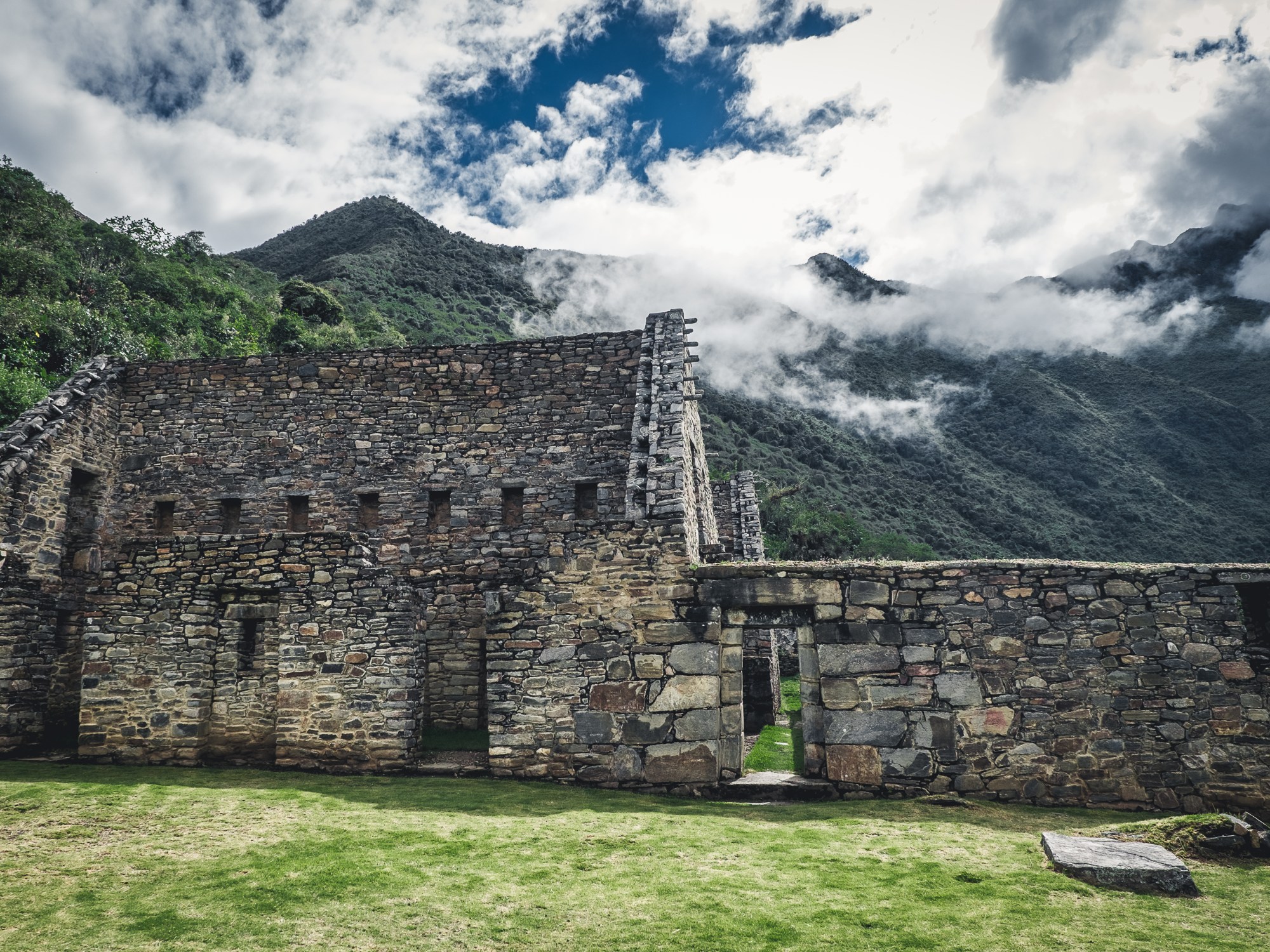
On this page you can find details on how to travel around Peru – when to go, what are the prices, how to avoid altitude sickness and what to bring for longer trekking. Technical details, but super important when you travel around!
When to go and for how long?
The best moment to go to Peru is May / June or September / October (second option is less popular). Weather in this period is absolutely perfect – not too cold, not too warm. It’s worth to remember that Peru is on the southern hemisphere, so seasons are reversed to what we know in Europe. Quite important is not to go in December – February as temperatures are way too high at that time.
2 weeks are absolutely fine to see the main things, but with 3 you can see much more – Puno, Manu or Choquequirao. As you will be flying 12 hours, it’s better to take a little bit more holiday.
How to travel around?
In the cities the best way to travel around is just Uber or walking. Public transport is not really existing outside Lima. In some smaller cities you won’t find Uber, so you will be forced to use taxis.
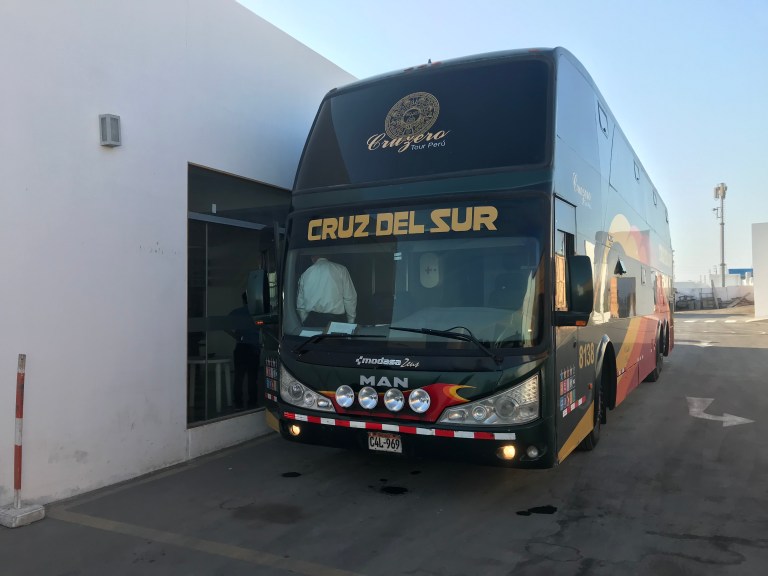
When going between cities, you can either choose plane or bus. The second option is the most popular one. You have several bus companies, but the best one is Cruz del Sur. They drive very safely and seats are really amazing. During trip you will get snacks and warm drink. You can really recline your seat a lot and it is very spacious. It’s very comfortable to sleep in the night bus and therefore we used them many times to move between cities in the night. Usually the better is the class of seats (VIP) the better sleep you will get.
We used plane in few places – between Arequipa and Cusco and between Cusco and Lima. We had positive memories from flying in Peru, everything was rather smooth.
What to take for photography?
Bearing in mind variety of situations and places the best idea is to take your basic photographic set that covers the whole range – from wide lenses to telephoto zooms. Take with you cleaning set as the camera will get dirt and sand during many hikes.
Where to sleep?
It’s hard to find good accommodation with reasonable price in Peru. I think the only places I can really recommend are Golden Inca in Cusco and Nasca Travel One Hostel. Also Wayra B&B in Arequipa was quite okey. Fundador in Arequipa was very okey, but also quite expensive.
What are the prices?
Most of the money you will spend on the flight (around 900 EUR) and trips (every 4 days trip is around 450$, shorter trips are usually 50$-100$). Food is rather cheap, but it depends wether you eat in expensive restaurants or not. Average price of a meal in restaurant for us was between 7 – 15 EUR. Cusco for example is more expensive than Arequipa as there are much more tourists there.
In total, including absolutely everything we spent 3500 EUR for 3 weeks. We could make it cheaper by trying to make some trips on our own (for example Choquequirao), but that would take more time and we would see less during the holiday.
How to pay?
As always – use Revolut to get cheap exchange. But it is important to take cash with you in Dollars. Euros are not widely accepted. In many tour agencies you will be requested to pay in dollars. You will also need local cash (Peruvian soles). The best option to get it is to withdraw soles from ATM. We found that the best cash machines are from Banco de Crédito del Perú (BCP) – they don’t charge you anything on the withdrawal. You can even withdraw US dollars from them.
Many restaurants accept cards, but often only VISA. The same is for online payments – when you book trip you will be able to pay only with VISA or Paypal. Always check the additional fees companies are adding on top of Paypal payment (up to 13% if I remember correctly). It’s good to ask merchant if there is a way to pay with card with less fee or maybe pay deposit when you will be at the spot few days earlier.
How to book tickets?
All the trips needs to be booked in advance. The earlier you will book them the better. Of course you can try to get something when you will arrive, but unfortunately the best companies will be already sold out at that time.
Places to visit in the cities you can just book at the spot. Museums and other attractions are rather not heavy occupied, so you don’t need to pay attention to it upfront.
How to get acclimatisation and avoid altitude sickness?
Peru is located at the seaside, but very close to the water there are Andes, which are one of the highest mountains in the world. During one day you can get from zero to the really high altitudes. And this can be really dangerous – you can get altitude sickness. It makes you feel dizzy, loosing balance, having problems with breathing, sleeping and stomach. In the worst case you can even die out of it. On the general level altitude sickness means that your body does not get enough oxygen to function normally.
Once you get altitude sickness there is not a lot you can do. In reality there is only one cure – go down quickly. There are also medicines that you can get from your travel doctor before going there. (Remember to book appointment!) This medicine will help you a little bit, but not really solve problem. Generally, it will just buy you time to go down.
Funny thing is that your good fitness level does not really help with the altitude sickness. I even found opinions on Internet that being fit makes it even more probable that you will get sick. There are few things to do to help yourself: drink a lot of water, take it easy for first days and drink coca tea. But the only real solution to protect yourself from altitude sickenss is to make proper acclimatisation.
Acclimatisation is the process of gradually going into higher altitudes in order to get your body accustomed step by step to the increasing altitude. We didn’t do it right as I was suffering quite heavy altitude sickness during Salkantay trekking and one of guys had problem during climbing to Chachani. Based on this I can give several advices how to avoid our faith thanks to proper planning:
- Start from going to Cusco (3400m) from Lima (0 m). Some people say it’s good to go by bus to gradually increase altitude.
- In Cusco take it easy first days. Try to get to Sacred valley on the first day (2000 – 3000m) and plan Choquequirao as the first trekking (around 2000m).
- After you will do Salkantay trekking (4600m for short time) you can head to Puno (3800m).
- After the above you should have enough acclimatisation to do Colca Canyon without bigger problems (maximum 4200m for short moment) and even try Chachani (6000m).
Some travel agencies start from Colca Canyon and then they fly to Cusco. I talked with my friend and he told me that they were doing it this way and some people got really sick. I think the best way is the above route, but really taking it easy once you arrive to Cusco.
How to prepare yourself for trekking in Peru?
First of all, it’s good to train before. Running is good, but it would be a good idea to make some long walks upfront as it’s a little bit different set of muscles that you will need. You will also need to buy several things. Below you can find list of important things to know or take with you to longer trekking in Peru based on the Salkantay trekking we did. This list may differ per company, but most probably you will go with Salkantay Trekking as well (everyone is going with them).
- Food. You will get a lot of food on the way. And very tasty one. But you will walk really a lot, so remember to buy and take with you a lot of protein bars to get energy on the way.
- Water. You will get a lot of refills on the way of boiled water, but for first day you will need at least 1,5 – 2l brought by yourself.
- Sleeping bag. You can rent sleeping bag from the company. It’s really worth doing it instead of carrying it all the way to Peru. If you are not sure about hygiene, you can always bring your own linen (otherwise they will give you their ones)
- Walking poles – it depends on the preference, but I always find them very useful. Again – you can rent them from the company.
- Equipment. It’s good to have proper equipment. Things I found the most useful were good trekking shoes, merino wool underwear and running shirts. Good fleece jacket will help you a lot to keep temperature in the cold night. Good hiking backpack is also nice – we used Osprey Stratos and it was absolutely perfect.
- Layers. Temprature will jump from super cold to super warm. The best approach is to just use layers to regulate your temperature. I usually used merino wool underwear with running shirt as a base and it was really good combination.
- Sunscreen. You will be surprise how quickly you can get tanned at such altitude. It’s really important to bring sunscreen with you.
- Repellent. Once you will start descending at Salkantay or you will be walking at Choquequirao, you will find insect repellent quite important. Bring DETT as nothing else will really work.
- Duffel bag. During the trekking you should carry with you daily backpack and horses will take small duffel bags for you (around 5 kilograms, but no one will really check it unless it’s really heavy). To be honest you don’t need as many clothes as you think. In my opinion safe and optimal set for Salkantay is: 2 merino layers, 2 fleece polars (one for sleeping), 1 hiking trousers, 1 cotton trousers, 1 shorts, 1 basic trail trousers, 5 running t-shirts, pyjama, 1 running long shirt, underwear and bath slippers together with soap and towel. You may add sneakers for last day and as a potential replacement if something will happen to your shoes. Rain poncho is also very good idea. For Choquequirao go more for shorts as it’s much warmer there.
- Head lamp – you will need in the night or if you will be staying longer on the track.
-
Coca leaves – they are always good at such altitude!
 Ultimate Traveler