
In August, we seized the opportunity to venture to Norway for 1 week. Despite our arrival shortly after severe storms that had flooded a significant portion of the country, we still managed to explore many places and witness the astonishing beauty of the natural landscapes. We will for sure come back one day to explore Norway even further!
Travel Insights for Exploring Norway
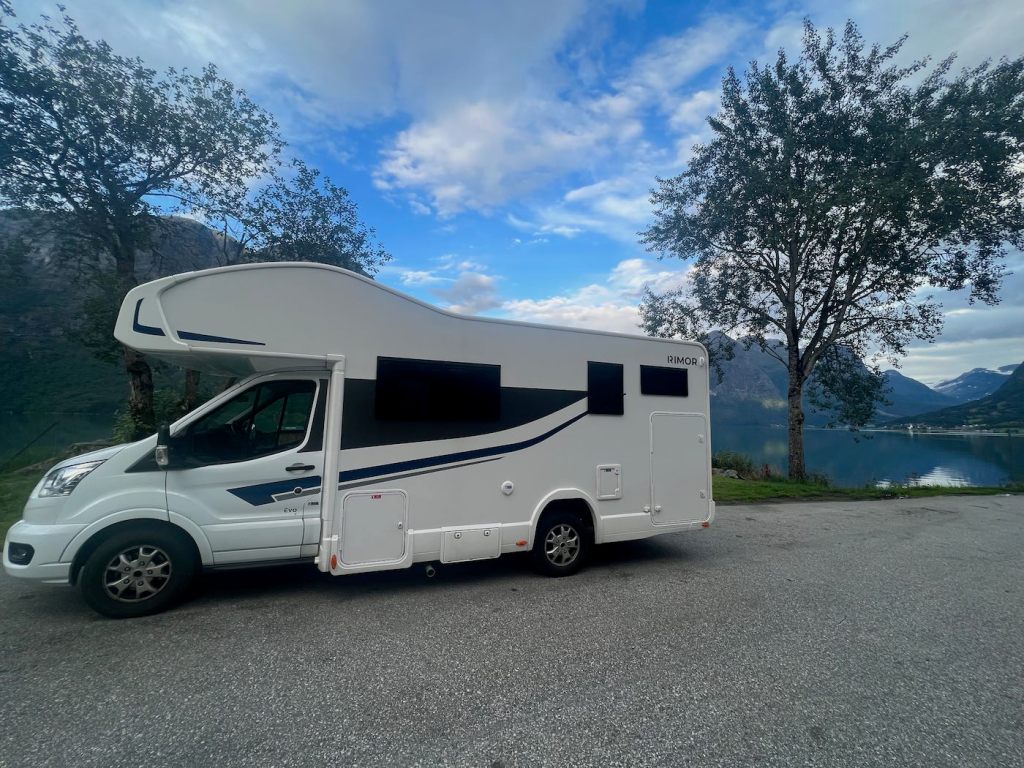
- Our mode of travel was a campervan, and it proved to be a fantastic choice. It offered us the freedom to sleep wherever we pleased (there is freedom of camping), although certain places were off-limits (they are always marked as such!). To locate the best spots, we relied on the Park4Night app.
- The campervan we used was from the Arctic Campers company (link). Fortunately, we didn’t require a special license to drive it. However, we did learn the importance of caution on the narrow roads. I even managed to scratch it, so be mindful. Investing in proper coverage is wise.
- Keep in mind that speed limits make driving slower, so every rotue takes much longer than you may be used to from other European countries or US. And Google maps shows the route for cars, so you need to add additional time for campervan, which goes much slower!
- Credit and debit cards were accepted virtually everywhere in Norway, with the exception of camping grounds where coins were needed for warm showers.
- Norway can be a bit pricey, but you can save a considerable amount by shopping at larger chains such as Rema 1000 or Kiwi. Preparing your meals in the campervan is a practical way to cut costs. Consider bringing along special dehydrated meals for extra convenience and speed of preparation.
Day 1
Our adventure kicked off with our morning arrival in Norway. We picked up our campervan and received a brief orientation before setting off towards the Troll Wall. Unexpectedly, our travel time was extended due to the recent floods.
Day 2
Troll wall
It took us a bit longer than anticipated to reach the Troll Wall. There’s a visitor center on one side with a splendid view upwards, while the other side serves as the starting point for the hike. We began with a pause for photos, then proceeded to the opposite side to get to the hike.


Trollstigen Troll Road
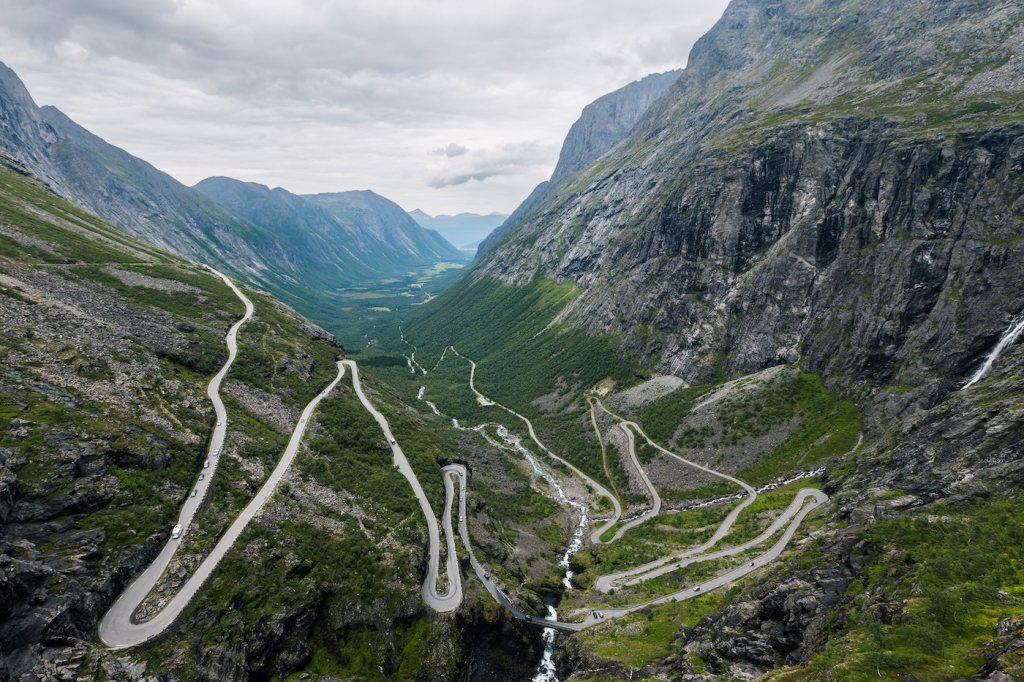
This famous road ascends from the valley’s bottom to the other side of the Troll Wall. Driving a campervan on it was challenging, but the view from the top is absolutely worth it.
Hike to the Troll wall
We initiated our hike relatively late, but with the long summer days, we had ample daylight. The hike is quite enjoyable, although it can be strenuous due to rocky terrain, particularly in rainy weather. Adequate time should be allocated for safety – we started it way too late and way too bad weather, but fortunately we are quite experienced hikers, so we managed to come back without bigger problems. The payoff is well worth it – the journey boasts picturesque lakes, a segment on a glacier, and culminates in a stunning viewpoint on the other side of the mountain.

Day 3
Geirangerfjord
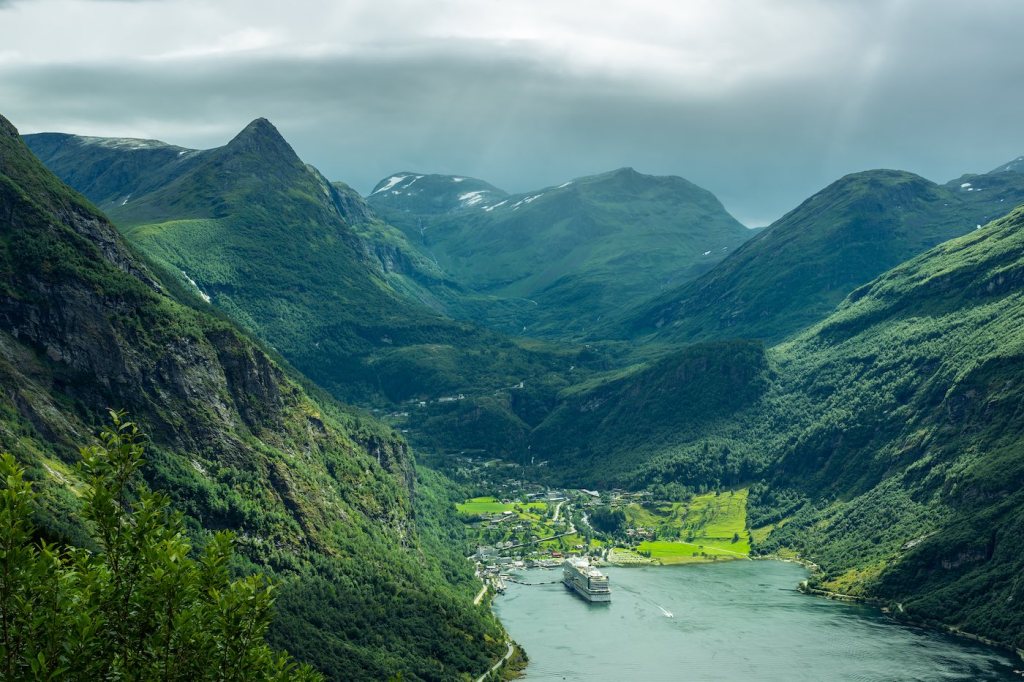
We set our sights on Geiranger, renowned for its fjord, and paused at a viewpoint en route.
The village itself offered souvenir shopping opportunities and delightful local fish cakes. We also embarked on a cruise that necessitated advance booking. While we considered renting electric bikes from the same company, we fortunately decided against it. The roads around Geiranger are narrow, shared by cars and bikes, making it a less pleasant experience than initially anticipated.
Geirangerfjord Viewpoint
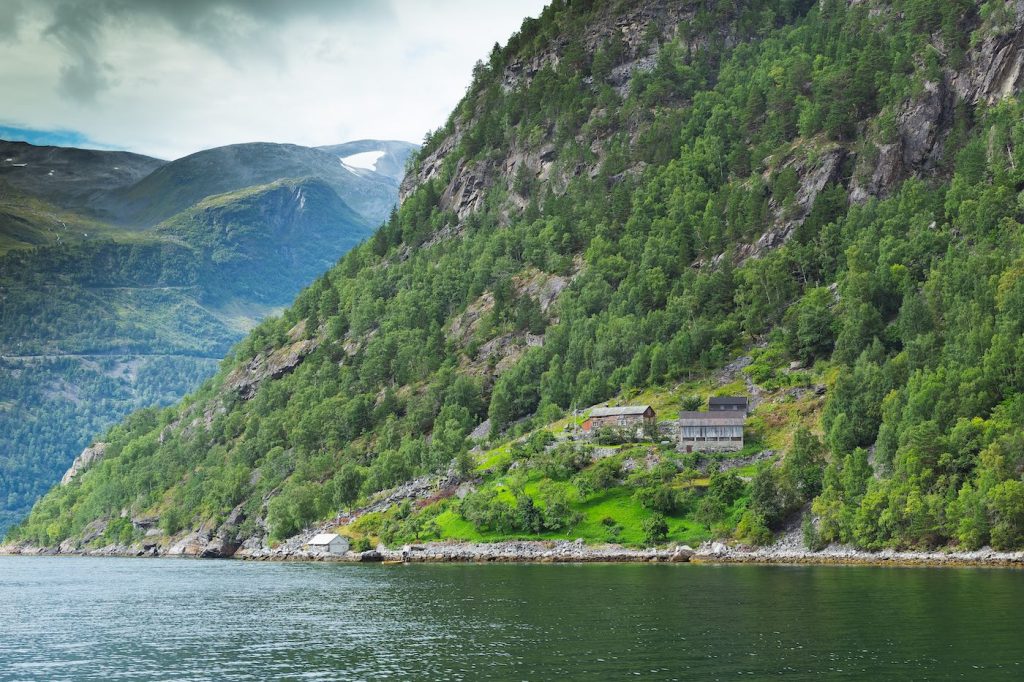
On our departure from the village, we discovered a delightful viewpoint, capturing some memorable photographs before heading towards the next attraction – Loen Skylift.
Road from Geiranger to Oppstrynsvatnet
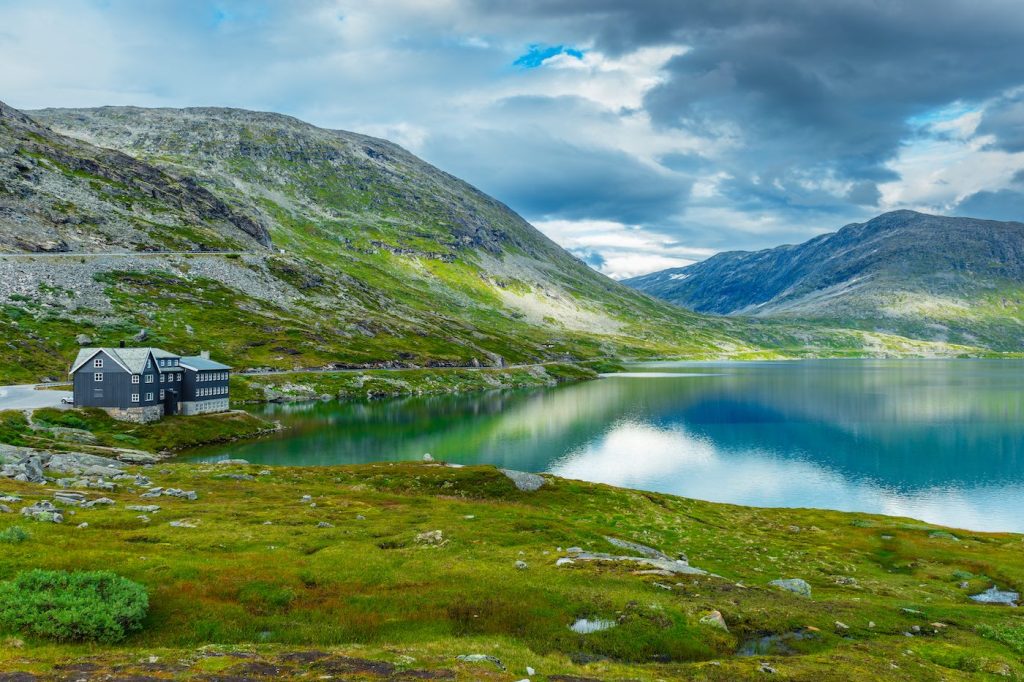
This route is one of the most scenic drives in Norway. The landscape is filled with lakes, mountains, and plains. It’s worthwhile to take your time, stop at various viewpoints, and savor the picturesque scenery. It’s beneficial to use Google Maps to mark the view points along the road and decide which ones to visit during the drive.
Camping at Oppstrynsvatnet
The part of the road encircling Oppstrynsvatnet lake is breathtaking. We stopped several times to admire the fabulous views. It was so enchanting that we decided to camp at one of the bays along the road. Despite some nighttime road noise, the morning view more than compensated, offering one of the best coffee experiences ever. If you wish to stop at this spot, you can find it here: link.

Day 4
Dispaholmen
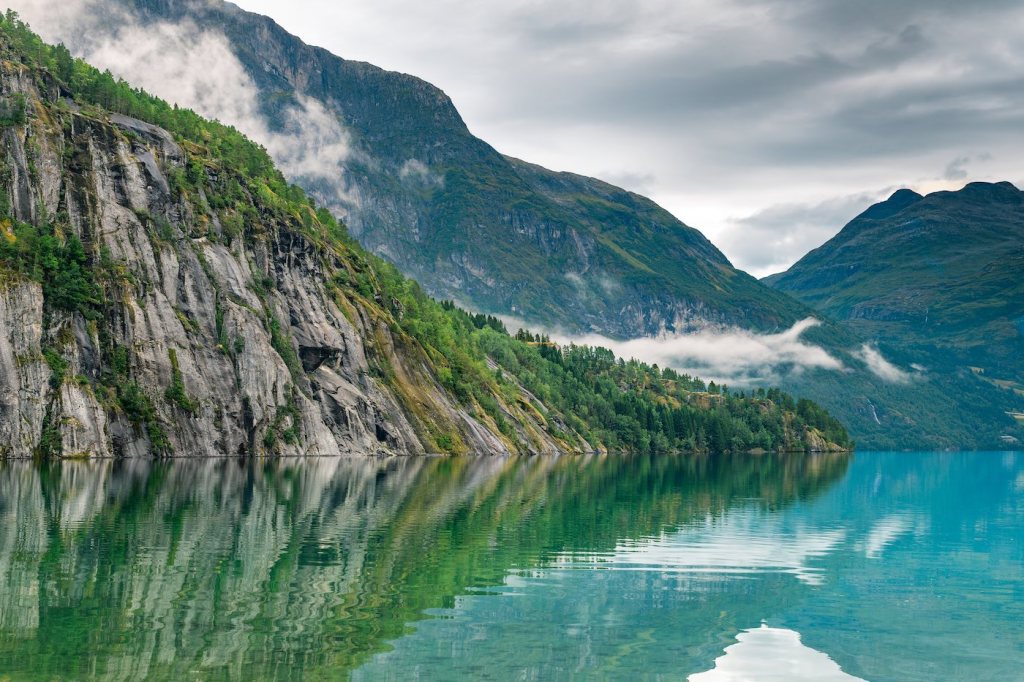
Before journeying further, we made a detour to a small island called Dispaholmen near our previous night’s camping spot. Here, we took a refreshing dip (in super cold water) and then proceeded with our travels.
Leon Skylift
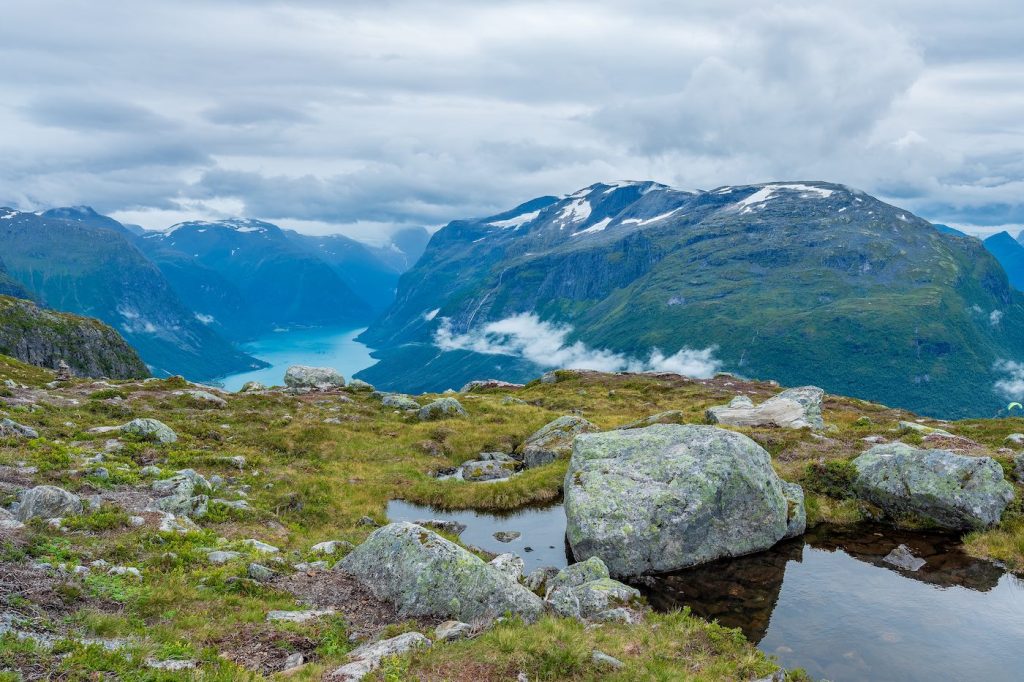
This lesser-known attraction in the region turned out to be an unexpected gem. The skylift takes you up the hill, and several routes await your exploration. The least demanding route takes less than an hour, yet offers breathtaking vistas of the neighboring fjords. The only drawback is that the Skylift has limited capacity, often resulting in long waiting times. We waited over an hour at the bottom and spent considerable time also at the top in order to get down.
Leon
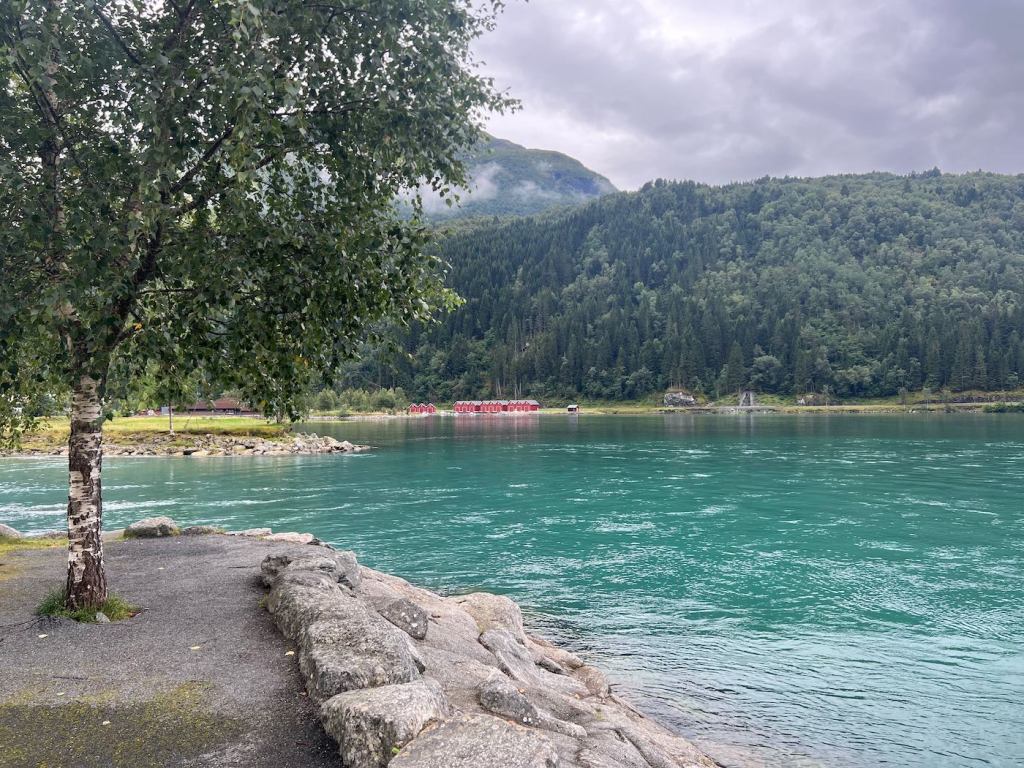
Using the opportunity of being at the skylift we also did a little bit of walk towards the village – there are really nice views over there.
Day 5
Bergen
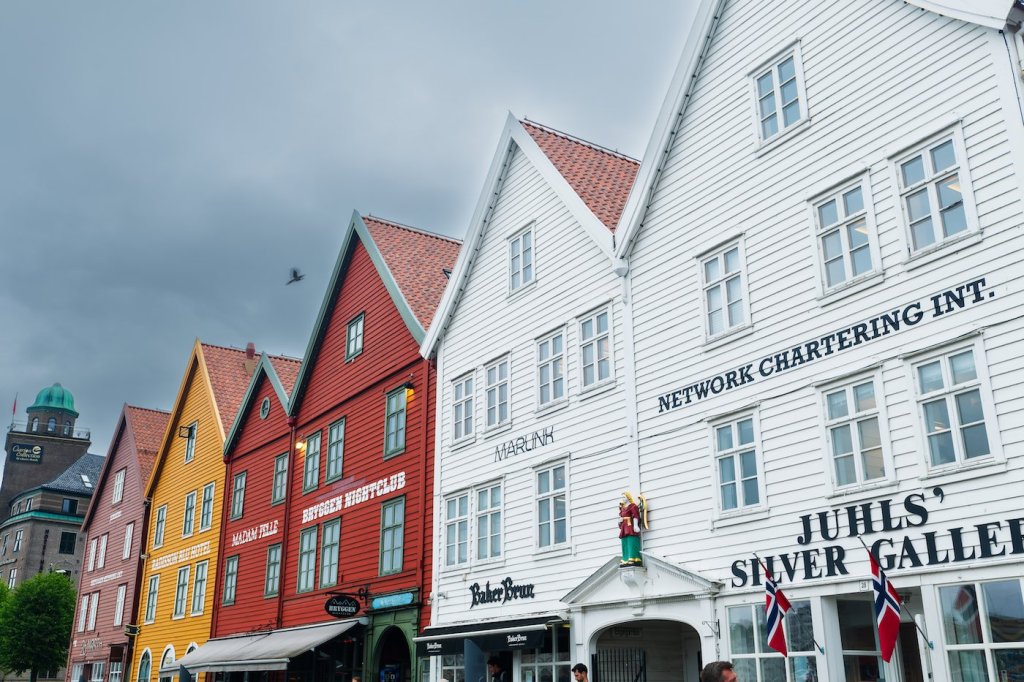
The journey from Geiranger to Bergen was a substantial undertaking, both on day 4 and day 5. While Bergen is an appealing city, it slightly fell short of our high expectations. Nevertheless, we walked around, explored the docks at Bryggen and enjoyed a delightful lunch at a local fish restaurant (Søstrene Hagelin – link). If you visit Bryggen, be sure to venture into the backyard, where numerous local craft shops await, offering a more intriguing experience than the main front.
Odda
On the remainder of the day, we headed to Odda, an ideal launching point for the hike the next day. The road from Bergen can be somewhat challenging, winding around the fjords with narrow and curvy roads. However, you can opt for a more southerly route with ferries and fewer winding roads.
Pro tip – In Odda, there are two campgrounds. The better-known one can get crowded quickly, with restrictions on entry. However, the other campground, though less charming, generally has more space and you can use it instead of driving several kilometers outside the city. You can find it here: Camp Lothepus link.
Day 6
Trolltunga hike
The Trolltunga hike is one of Norway’s most famous treks, taking an entire day to complete since it spans approximately 20 kilometers roundtrip. A significant portion of your time is also spent queuing for buses. Starting early is recommended to avoid the crowds.
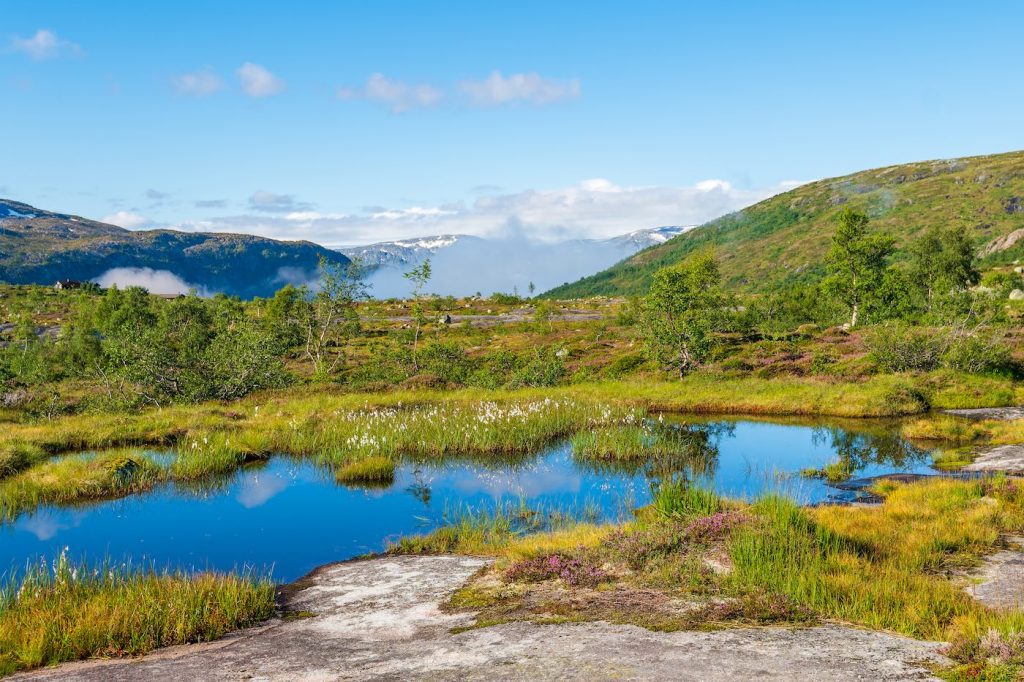

Campervans can only reach the P1 parking in Tyssedal. Ordinary cars can proceed to P2, but it’s a narrow road with limited parking space. From P1, you must take a shuttle bus to P2 in Skjeggedal. It’s a good idea to book this shuttle in advance (link). After arriving at P2, it’s worth racing to secure a spot in the line for the P3 bus. Unfortunately, P3 bus reservations cannot be made in advance. You can always walk from P2 to P3, but the route is quite steep and without much view, so you will only add more distance to your journey.
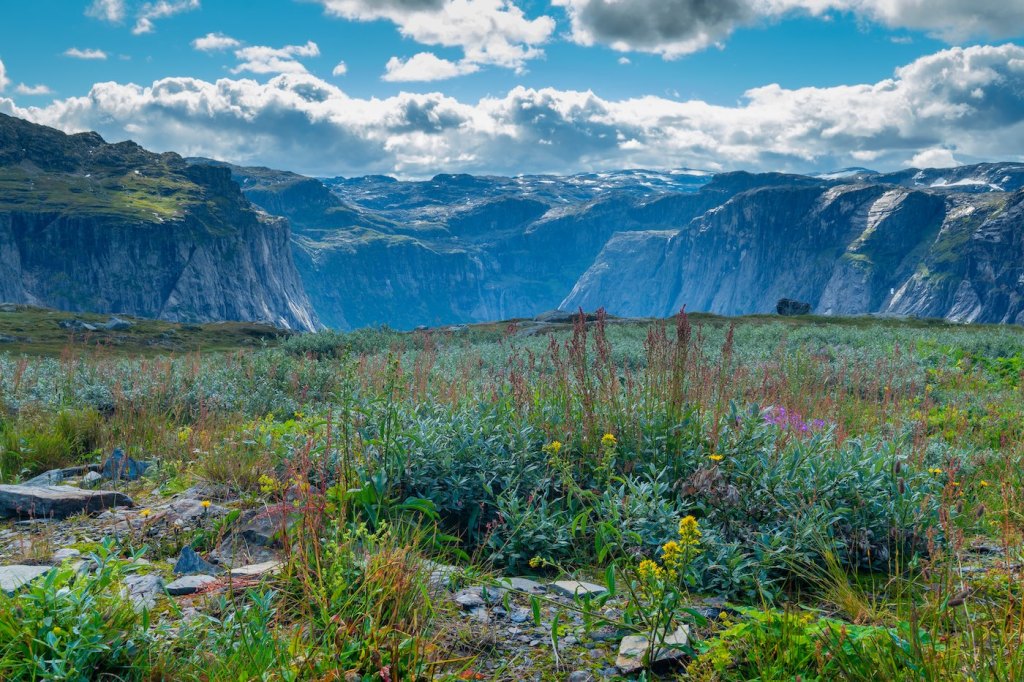
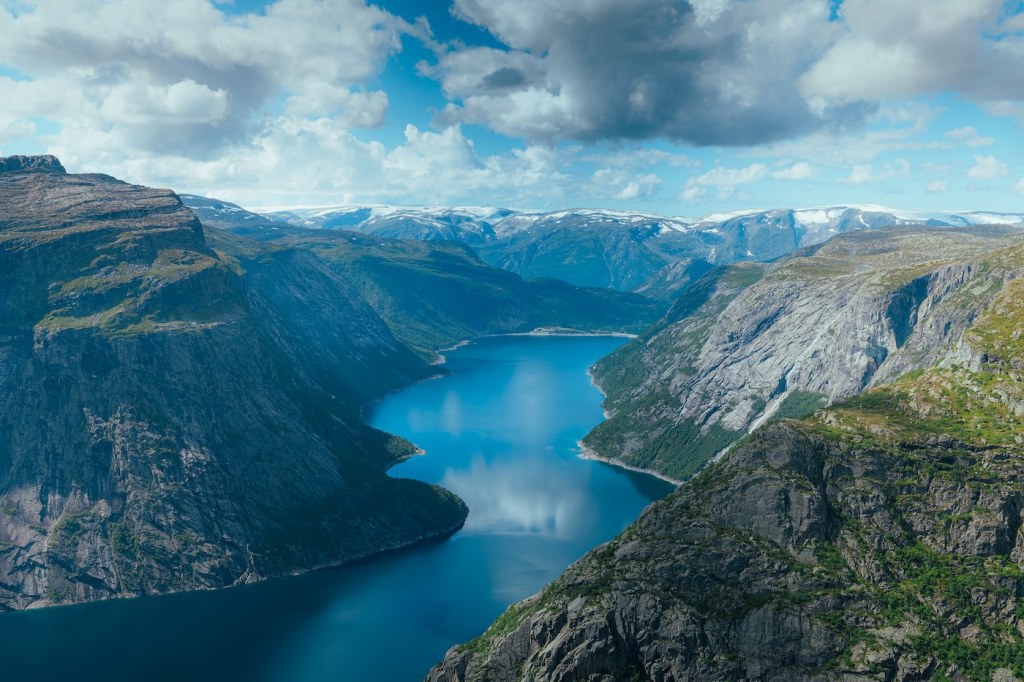
This hike is breathtaking and comes highly recommended. You’ll traverse diverse landscapes, encountering the best that Norway has to offer, from plains and mountains to fjords and lakes. The ultimate reward is the iconic Trolltunga rock, jutting over the towering fjord. You can take a photo there, but be prepared to queue for over an hour. I highly advise to request assistance from a fellow hiker or form a group within the queue. This way, you can take photos from a little further away, which often yields better results.
Sundal Camping
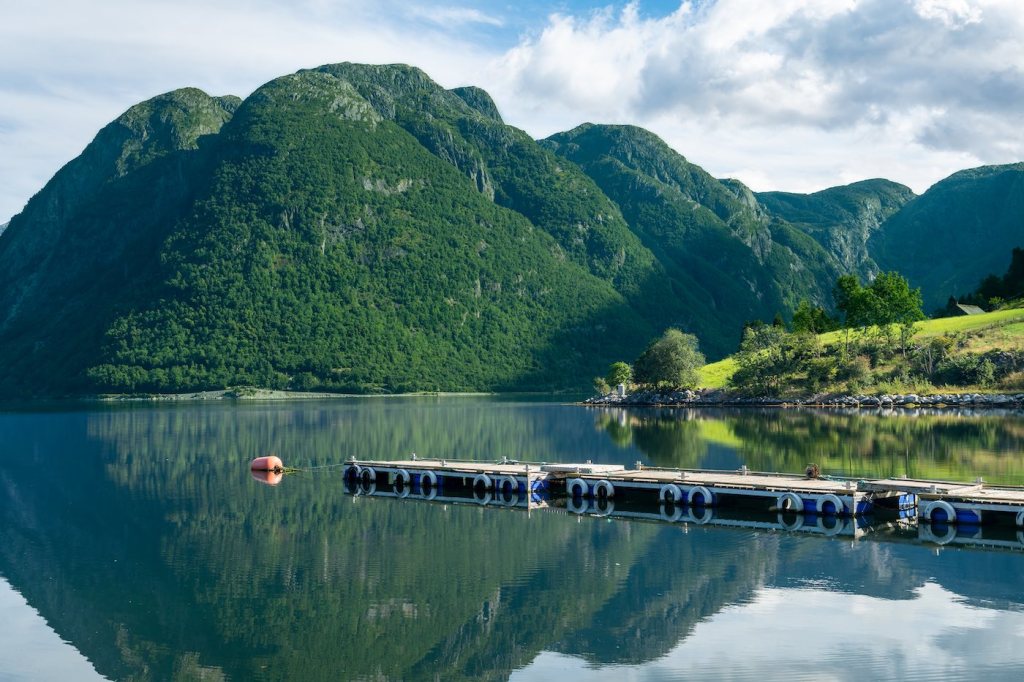
After conquering Trolltunga, we sought a more serene camping spot than the one in Odda. Sundal Camping, a 30-minute drive from Odda, was well worth the journey. The magnificent views of the lake made it one of our favorite stops, providing a picturesque backdrop for a post-hike dinner.
Day 7
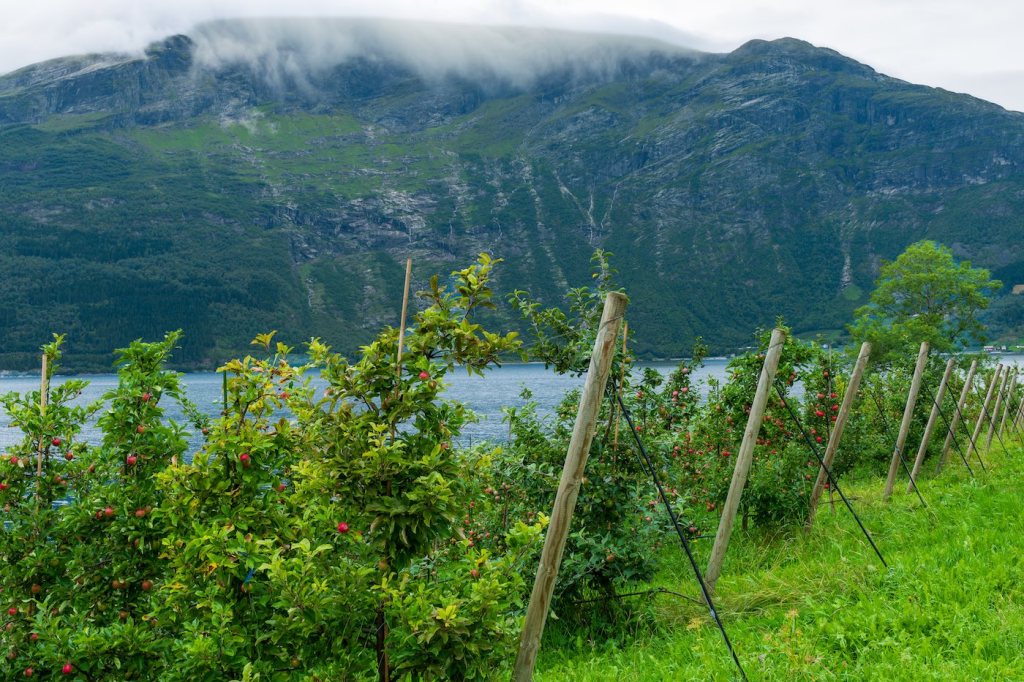
Originally, we had plans for kayaking on the Folgefonni glacier, but instead, we settled for a walk around. Afterwards, we decided to commence our return journey and on the way explore local cider producers. To our pleasant surprise, the region is renowned for its cider production. We stopped at Alde Sider, which offered an assortment of cider types and tastings.
Heddal stave church
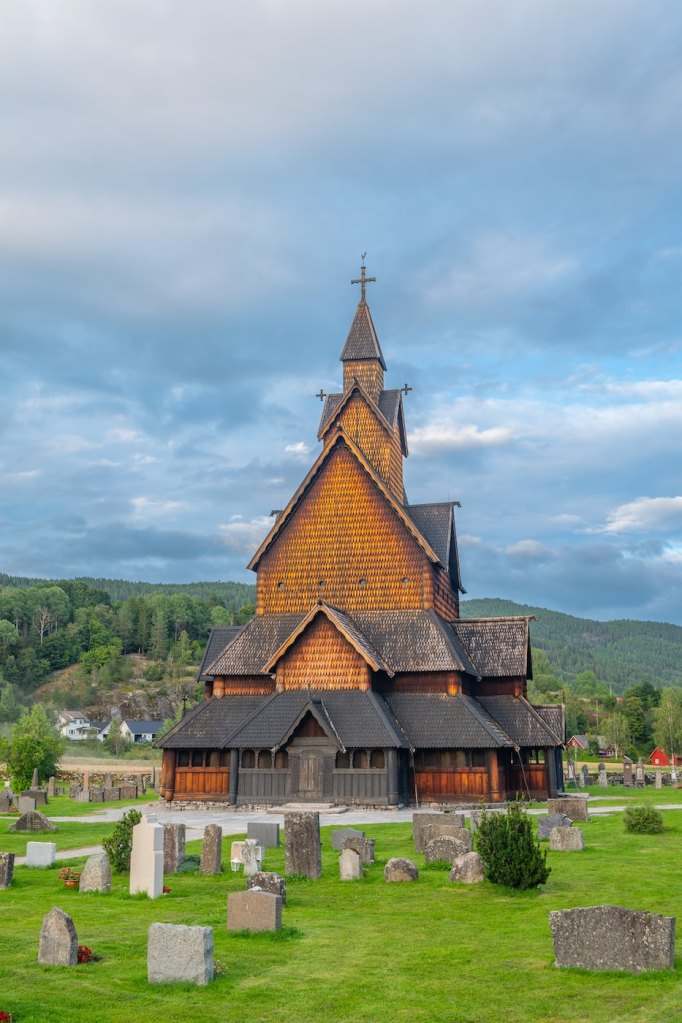
Stave churches are scattered across Norway, with the one at Heddal being the most famous. However, if you cannot visit this particular church, you can explore others at various locations. These churches are notably different from the typical European churches, characterised by their captivating wooden architecture.
Day 8
Oslo
We returned the campervan and transitioned to public transport for the journey to Oslo. In the city, we checked into our hotel and commenced our exploration.
The Viking Planet experience
En route to the opera, we visited a recently inaugurated attraction that employs modern technology, including VR, to transport visitors to the historic Viking era. While the quality wasn’t the highest, it provided intriguing insights into Viking history, such as the fact that Bluetooth technology’s symbol is based on Viking runes, with its name derived from a Viking king!
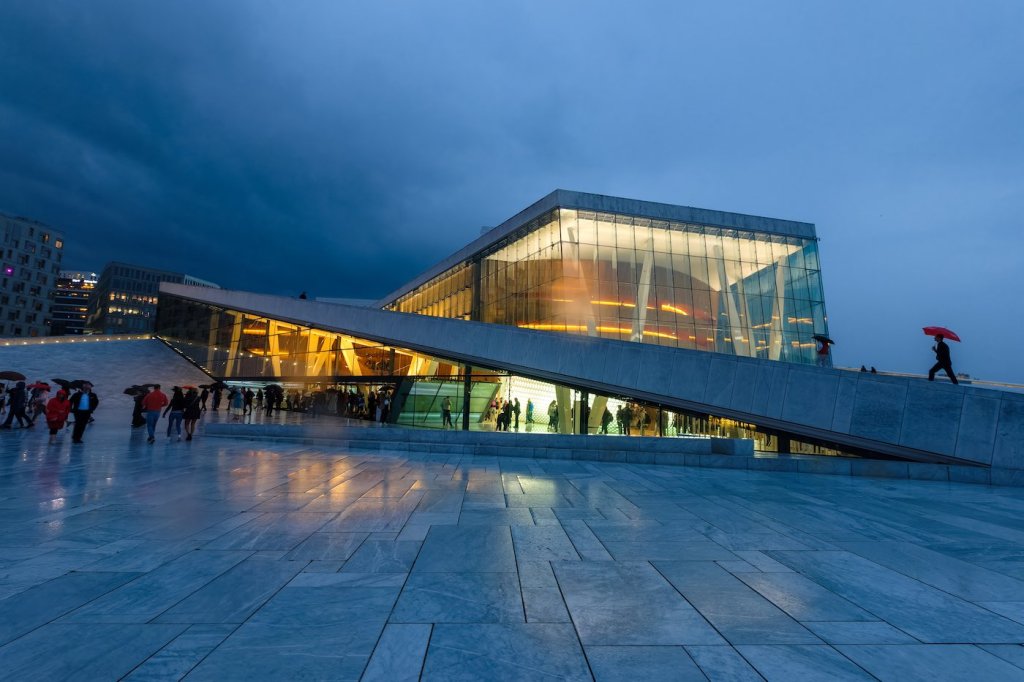
Oslo Opera
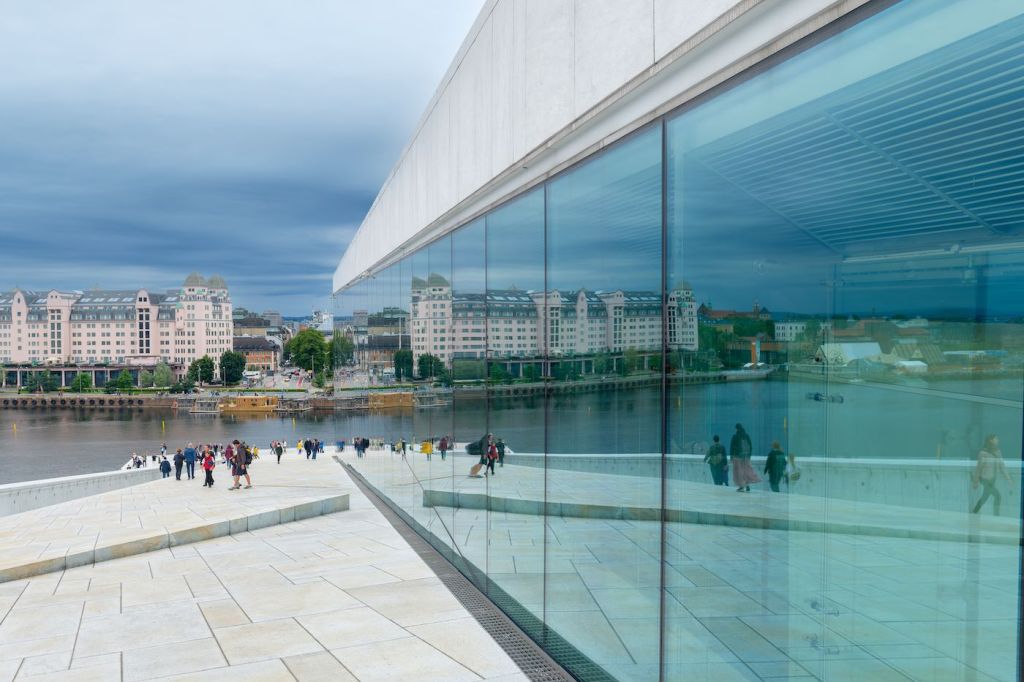
The Oslo Opera House stands as one of Norway’s most iconic buildings, distinguished by its extraordinary design. While visitors can explore the interior, witnessing the building from the outside, especially in the evening when it’s illuminated, provides the most enchanting experience.
Munch museum
This museum is dedicated to one of Norway’s most famous artists, Edvard Munch. It’s home to his masterpiece, “The Scream,” among other remarkable works. Even without this celebrated painting, the museum is a fascinating place to visit.

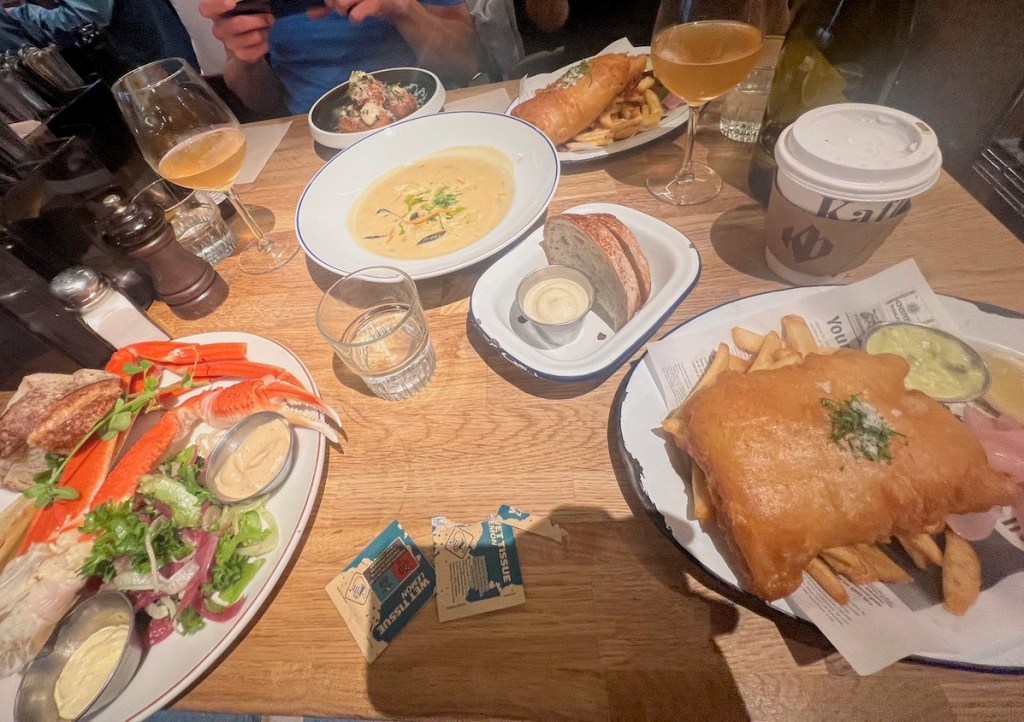
Fiskeriet Youngstorget Restaurant
To conclude the day, we dined at one of Oslo’s renowned seafood restaurants. While not the most budget-friendly option, the quality more than compensates. A helpful pro tip – a smaller version of this restaurant can be found in the Oslo airport. If you don’t have time to dine in the city, consider trying it before your flight home.
Day 9
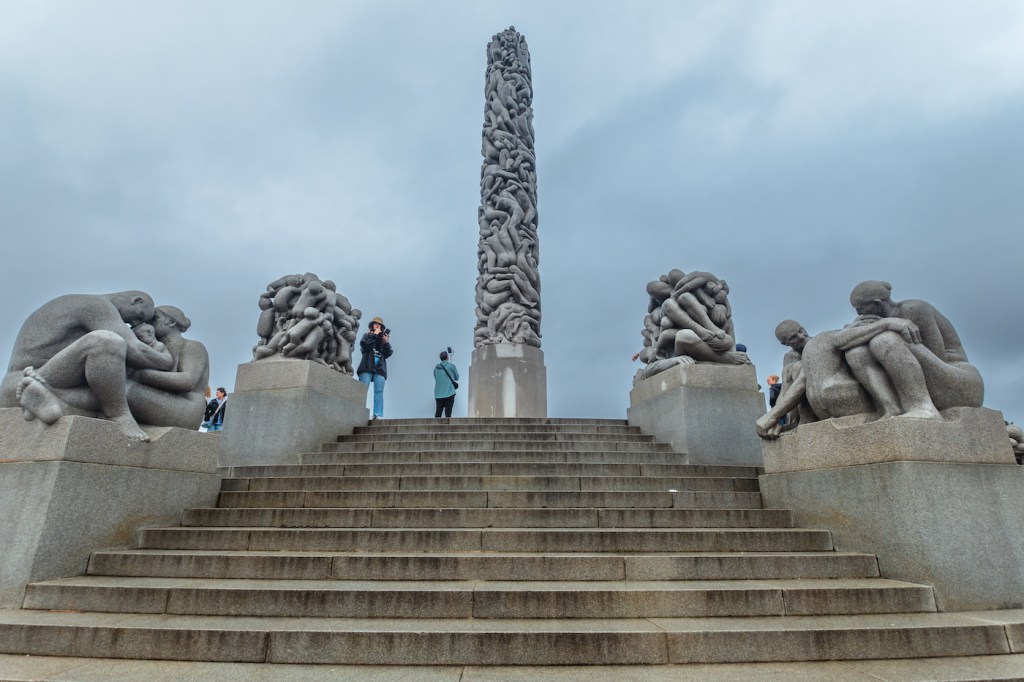
Vigeland Park
This famous attraction in Oslo was conceived to house the sculptures of Gustav Vigeland, one of Norway’s most celebrated artists. Creating a dedicated park for a single artist’s work is quite remarkable and something we hadn’t encountered before. However, the sculptures themselves, while intriguing, can be somewhat eerie, reminiscent of a zombie apocalypse.
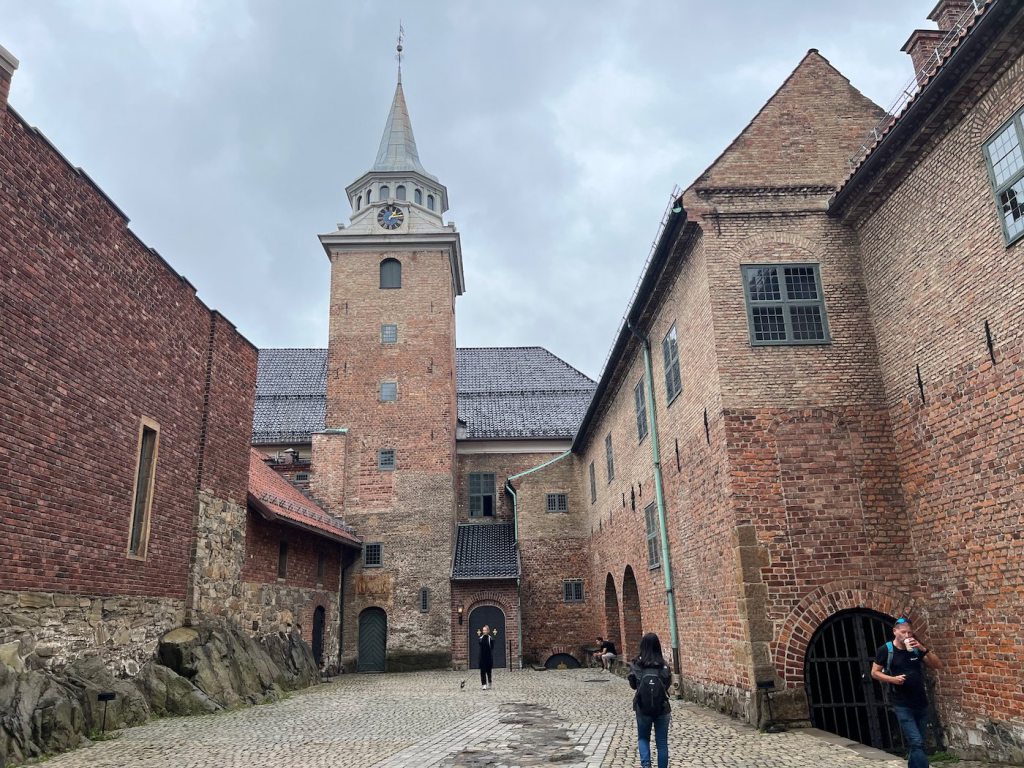
Akershus Fortress
On our way back to the hotel, we made a brief stop at the Akershus Fortress. While we didn’t venture inside, we enjoyed a leisurely walk around the exterior, taking in some lovely views of the city.
Going back home
Despite the less-than-ideal weather, our visit to Norway was thoroughly enjoyable, serving as a promising beginning to our exploration of this stunning country. We relished the natural beauty and landscapes and particularly enjoyed the flexibility of traveling with a campervan. It’s more than likely that we’ll return to Norway for future adventures!
 Ultimate Traveler