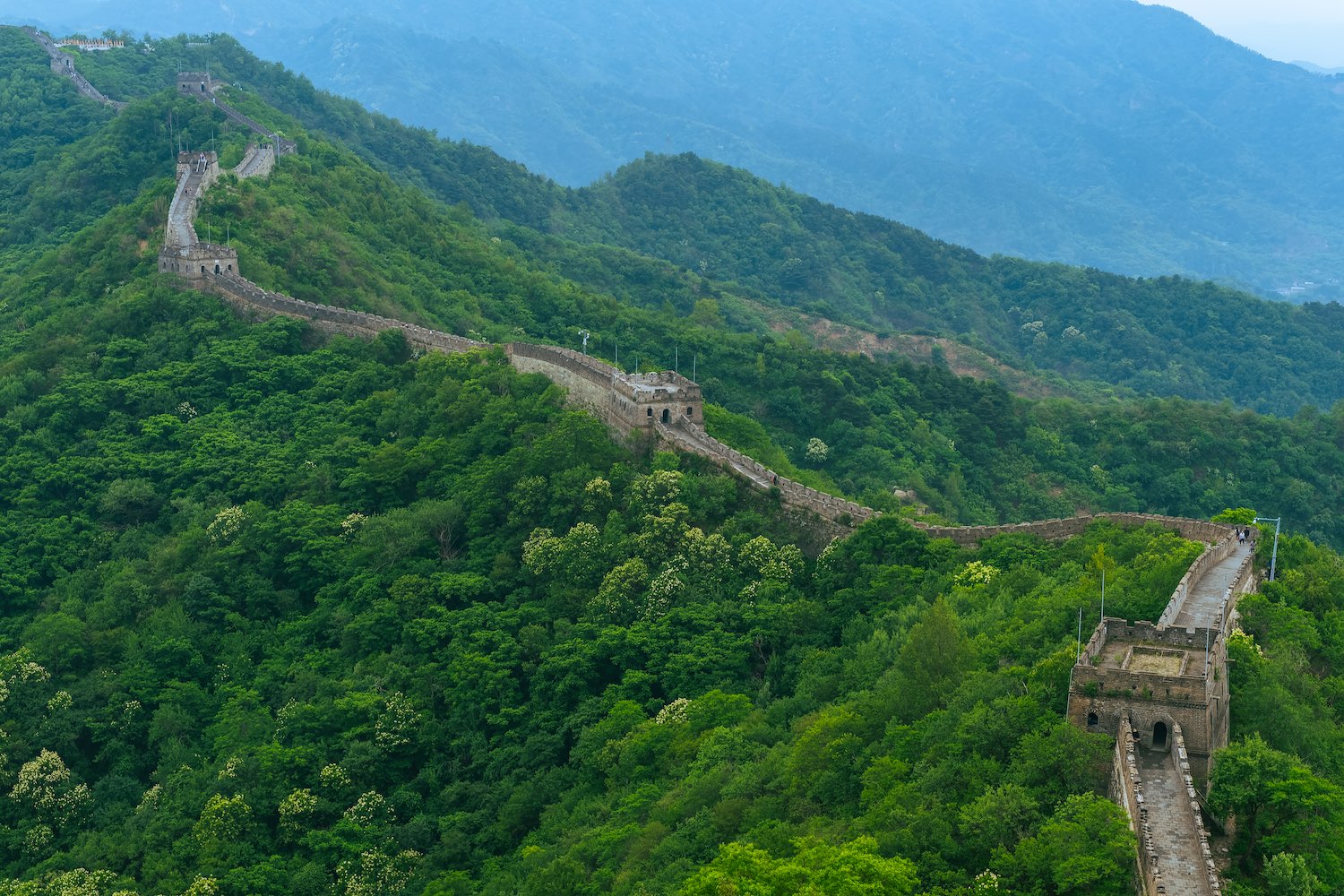
While visiting China, we embarked on a whirlwind trip to Beijing, a city that had long piqued my curiosity. This was my first foray into the heart of China, and it turned out to be quite an interesting journey. During our brief stay, we had the privilege of exploring an array of historic sites that offered insights into Chinese culture and history. Simultaneously, we were exposed to the vibrant dynamism of modern-day China.

Key Insights for Traveling in China
Navigating the Chinese travel landscape proved to be a unique experience. Given the sheer size of the economy and population, China has developed its own distinct products and services. A quick tip – they have their own credit card system called UnionPay, which far surpasses Western credit card standards in terms of the number of cards in circulation. Similarly, instead of Visa and Mastercard, they rely on their own payment methods. WeChat is the primary substitute for Western messaging apps such as WhatsApp and iMessage. It’s important to note that WeChat is a multifaceted platform that encompasses WeChat Pay, one of the most widely used payment methods in China, alongside Alipay. It’s increasingly challenging to function without these two payment options. Even cash is often no longer accepted. Consequently, as a Western traveler, you are faced with limited choices – either carry a substantial amount of cash or set up Alipay and utilize service from Bank of Shanghai to exchange foreign currency for Renminbi (RMB). Please be aware that this method can be somewhat costly.
Equally significant is the fact that a significant portion of the population does not speak English, making communication a potential challenge. Learning a few fundamental Chinese words and phrases can be immensely helpful, but what’s even more crucial is ensuring access to an offline translator. Tools such as Google Translate, if downloaded in advance, can be of great assistance. While internet access is possible in China, for example, by acquiring a Chinese eSim from an app like Airalo, it’s important to note that numerous Western services remain blocked. For instance, Google Maps is rendered inoperable, necessitating reliance on alternatives such as Apple Maps for iPhone users.
The primary mode of transportation within Beijing is the efficient and extensive metro system. In addition, there’s a local equivalent to Uber known as Didi, providing convenient and cost-effective transportation. Nonetheless, during peak hours, the metro is often the most efficient choice, while walking becomes a viable option when circumstances permit. For health and comfort, it’s wise to keep a mask handy since air quality in Beijing can vary, and on certain days, a mask can offer protection from air pollution.
Day 1
Arriving to Beijing
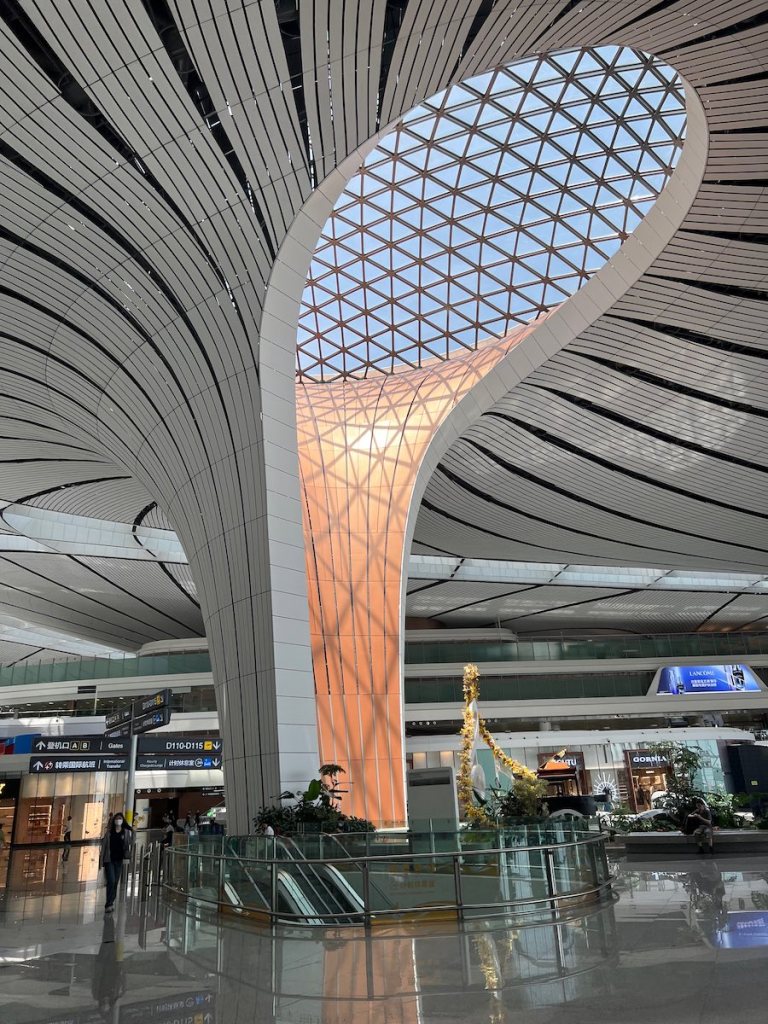
Our journey commenced with a landing at Daxing Airport, with truly remarkable architecture. A pro tip – airport dining in Beijing is notably more affordable than the usual airport fare, with a plethora of culinary choices. It’s an excellent opportunity to grab a nice meal before setting off to the city.
798 art zone
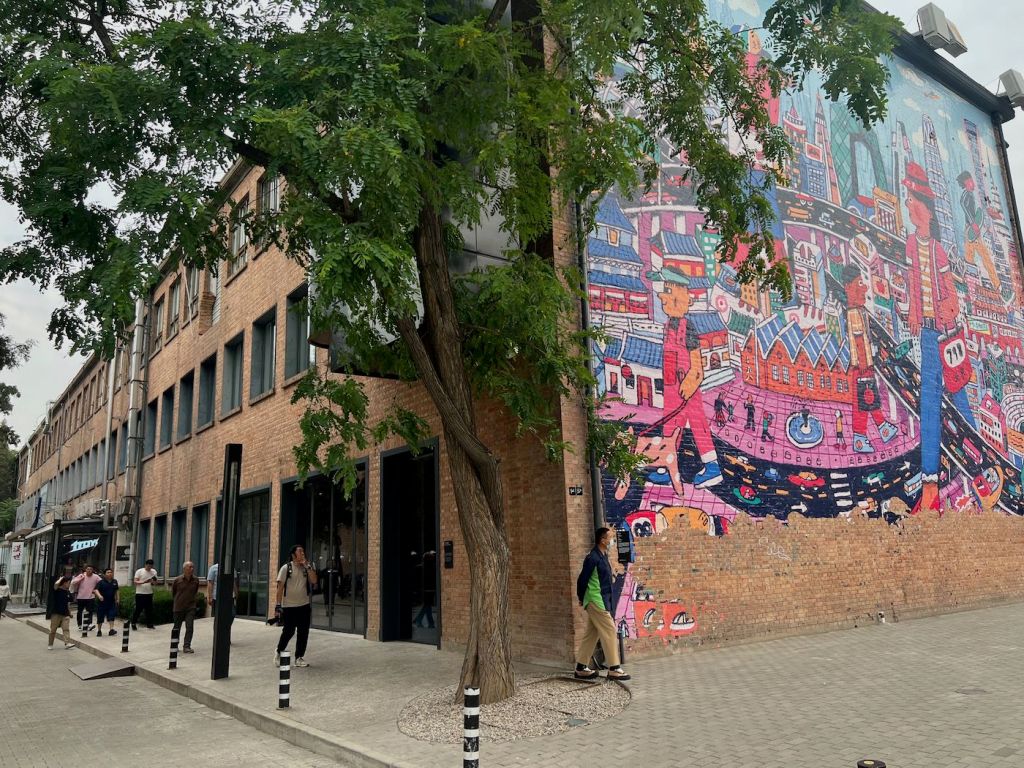
We opted to kick off our exploration by visiting the 798 Art Zone, a former industrial district reborn as an open art center. Here, you can discover an array of galleries, shops featuring artisanal crafts, and charming cafes. However, it’s worth noting that this area may have lost some of its liveliness when compared to earlier times, as some visitors have reported. Based on what people told me, it has somewhat waned in popularity with the emergence of alternative attractions.
Shopping malls
Later in the day, we decided to investigate several of Beijing’s shopping malls, renowned for their extensive selection of shops and restaurants. They have become a favoured haunt for the city’s younger demographic, often trumping the appeal of the 798 Art Zone.

Day 2
The Great Wall of China
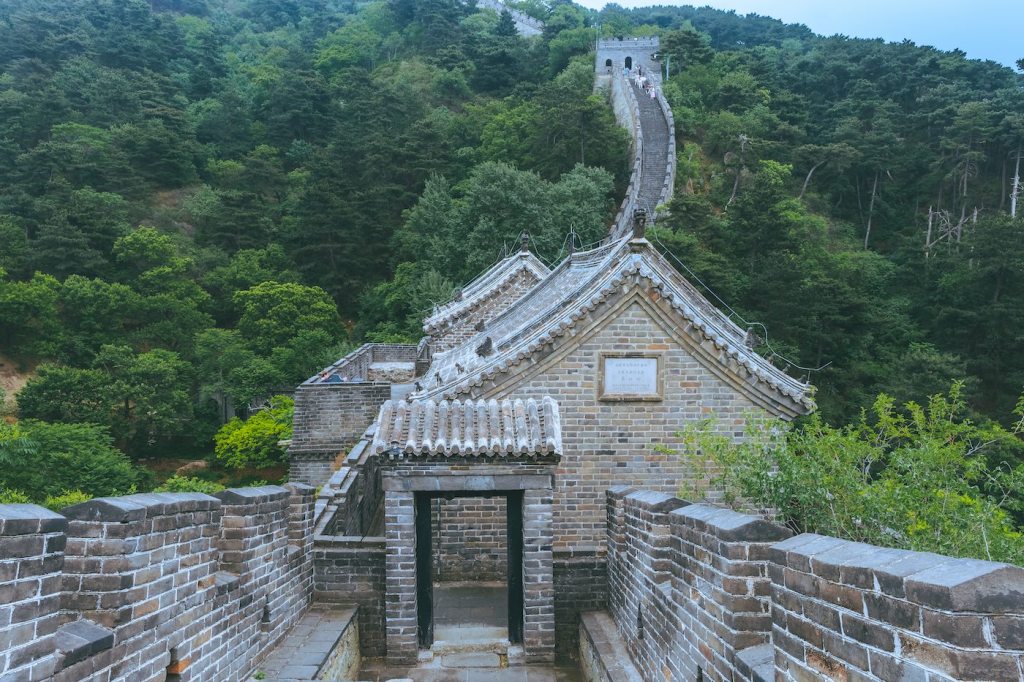
Our second day was dedicated to the iconic Great Wall of China. Understandably, this world-renowned attraction tends to be teeming with visitors. However, we arranged to join a tour that took us to a section of the wall that is notably less crowded. This service conveniently catered to both Chinese and English-speaking tourists, adding to the accessibility and understanding of the experience. The day’s agenda unfolded as follows: we met in the morning for a bus journey to the Great Wall. Upon arrival, we hopped on a cable car to reach our destination, from where we embarked on a hike along a several-kilometer stretch of the wall. Later, we had the opportunity to explore another segment. Despite rainy weather, our venture proved to be a remarkable experience, underscoring the profound impressiveness of the Great Wall. The name of the company is mBus and you can find them on this page: link.
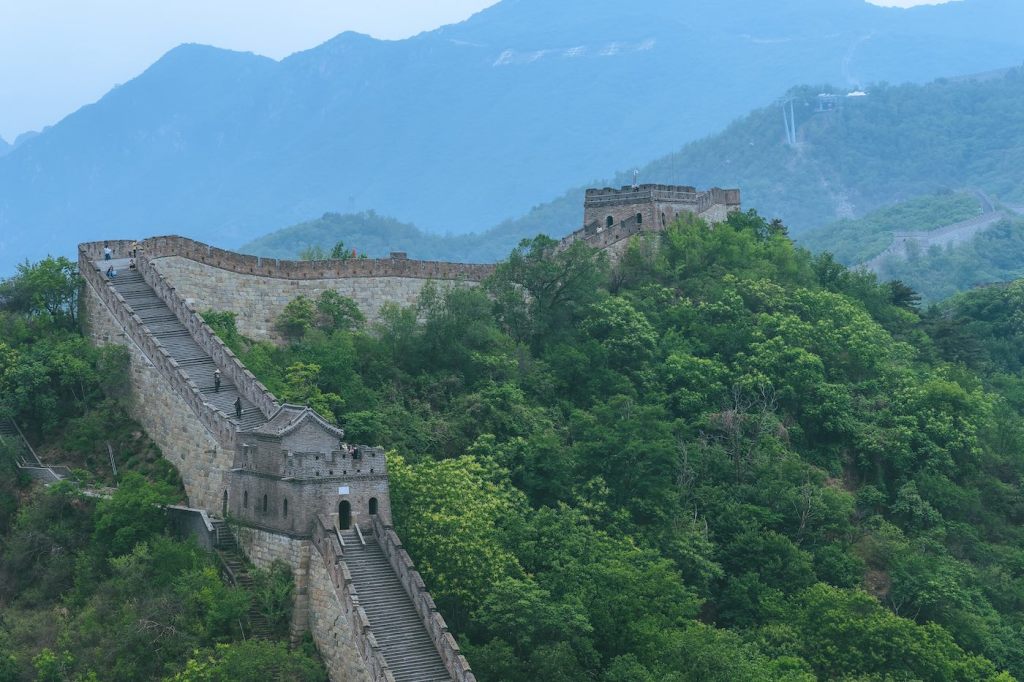
The Great Wall, with its astonishing length that surpasses the Earth’s equator, stands as a testament to China’s extensive history and accomplishments. It took several centuries to construct, and while its primary function was military, it also served to regulate trade and levy taxes.
Day 3
Summer palace
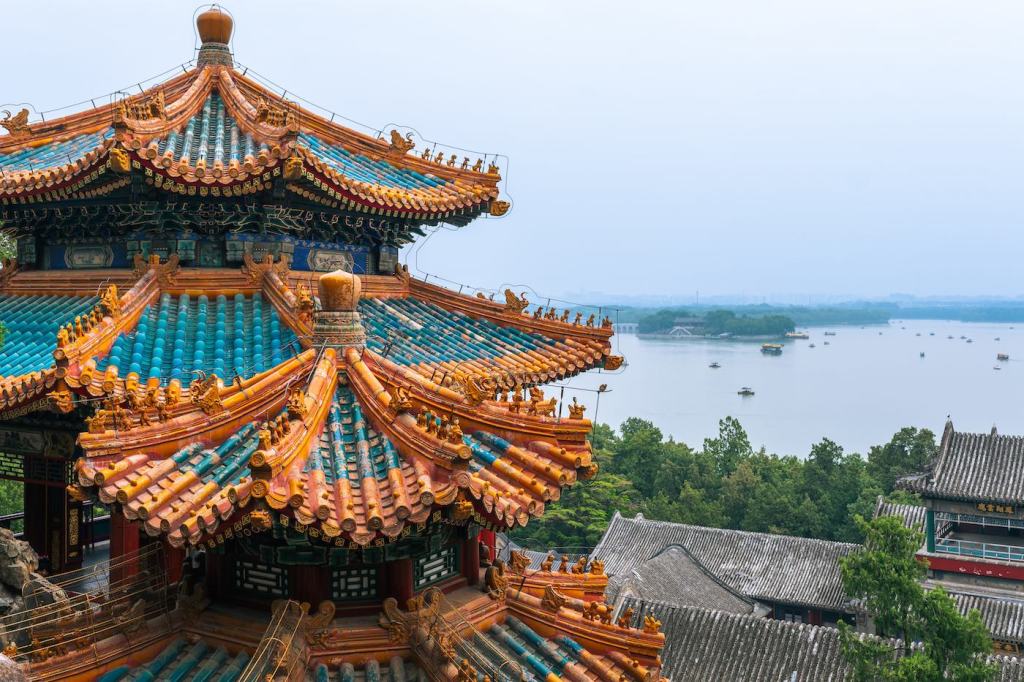
The sprawling Summer Palace served as a retreat for emperors outside the bustling city. The vastness of this location demands ample time for exploration, and although we managed to cover the grounds in half a day, a sunnier day would likely warrant a more leisurely visit.

The Summer Palace is a testament to Chinese architectural and landscaping artistry, bearing witness to the opulence and influence of the Qing dynasty’s emperors. Regrettably, British forces inflicted damage upon the palace in a demonstration of dominance over Chinese territory. This event precipitated a strained relationship between the two nations, which has yet to be fully mended. To fund the palace’s restoration, Empress Dowager Cixi used funds partly misappropriated from the Chinese navy. Without these financial resources, the Chinese navy ultimately fell to the Japanese fleet, marking a pivotal juncture in the decline of imperial China. The 50-year rule of Empress Cixi was marked by widespread resentment among the Chinese populace, who often referred to her as the “Evil Woman.” Her rule contributed significantly to China’s loss of prominence in the global arena, a status the nation is currently reclaiming successfully.
Jingshan Park (景山公园)
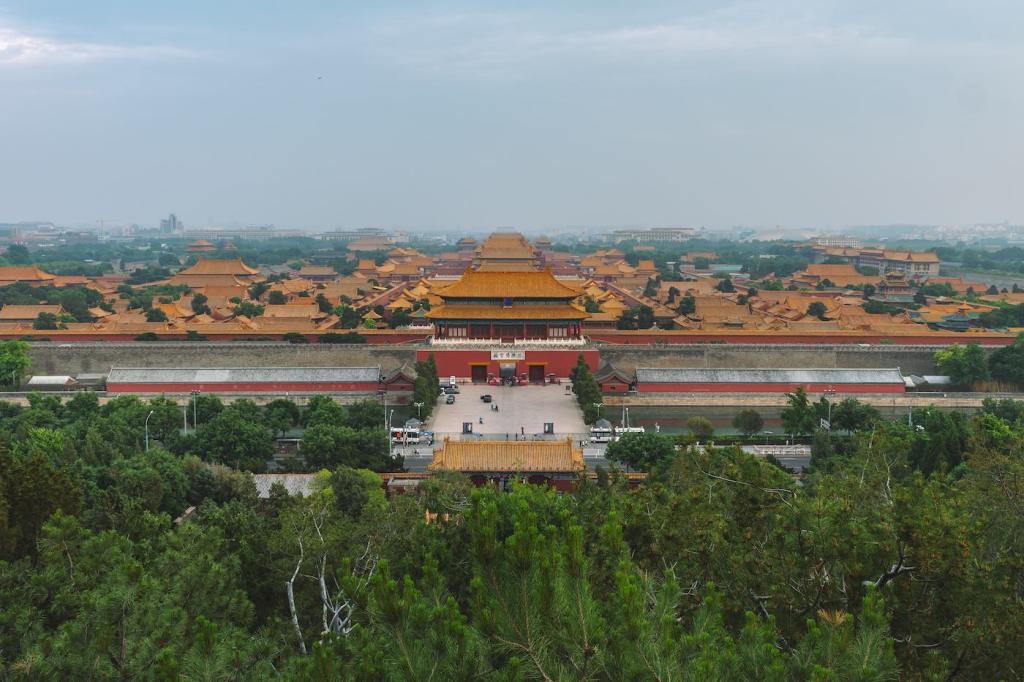
In the evening, we ventured to Jingshan Park, situated adjacent to the Forbidden City. This vantage point provided a captivating view of the renowned palace. Notably, it was a refreshing experience to wander through a traditional Beijing district known as “hutong,” characterised by narrow alleys flanked by stone houses.
Hou Hai(后海)
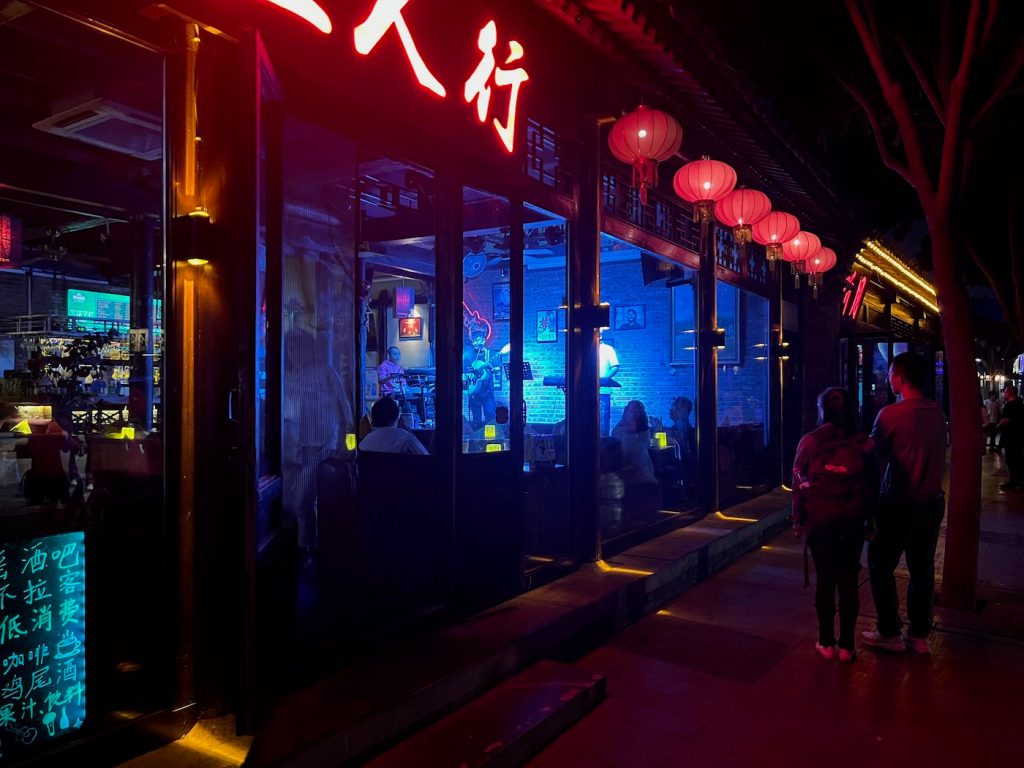
Our evening brought us to the vibrant party district of Beijing, distinguished by its unique features. In contrast to European nightlife locales, the primary focus here is not dancing but rather enjoying live music performances. The area spans approximately 1-2 kilometers along a river canal, offering an incredible assortment of bars. Upon entering these establishments, clients are seated, and drinks are ordered while enjoying live music. What adds a distinctive dimension to the experience are the large screens in the background, where visitors can interact by commenting on performances, requesting songs, or even making donations to their favorite artists. Most notably, there’s an array of bars featuring diverse musical styles, with many remarkably talented singers. To enhance the allure of their establishments, some bars employ creative tactics, such as singers dressed in giant frog costumes or hiring singers who are very pretty.
Day 4
Forbidden city
Our final day was dedicated to exploring the illustrious Forbidden City, the ancient imperial palace that housed China’s emperors. Booking tickets in advance is imperative due to the extensive lines and the high volume of daily visitors. A piece of advice – remember to carry your passport, as it serves as the key document for verification of entry.
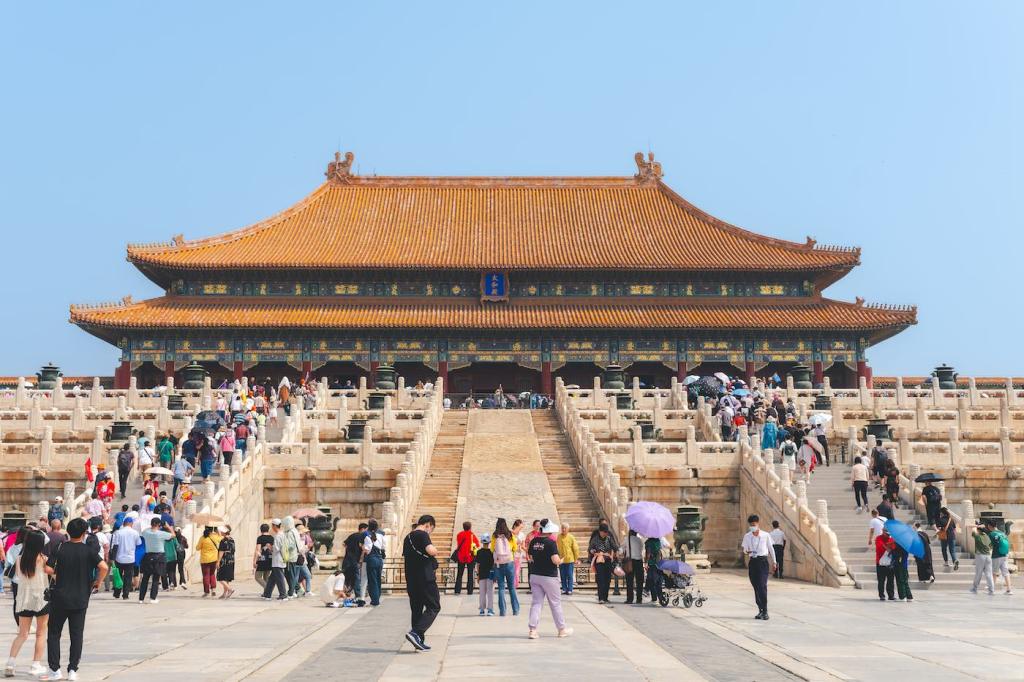
The name “Forbidden City” is derived from the fact that access to the palace was tightly restricted, with strict regulations governing many aspects of life within its walls. This complex served as the political heart of China for nearly five centuries, only relinquishing this role in 1912, when the last emperor, Puyi, abdicated in the wake of the Communist revolution. Subsequently, an arrangement with the People’s Republic of China granted Puyi access to the inner court, while the outer court was opened to the general public. However, in a few years, even this privilege was revoked, marking the final chapter in the Forbidden City’s role as an emperor seat.

Pangmei Noodle Restaurant
Before departing Beijing, we made a quick visit to a renowned restaurant located near our hotel. Despite the lengthy queue, which is a testament to its popularity, we found the wait to be worthwhile. The food was really tasty!

Flying back
Following several action-packed days filled with many attractions and delicious meals, we made our way to the airport for the journey back home. Beijing left an indelible impression – a city that blended rich historical narratives with a strikingly contemporary character. On one hand, its historical sites, distinctly Chinese in nature, stood out starkly against the backdrop of European cities. Yet, on the other hand, the vestiges of socialist architecture occasionally lent a similar aura to Eastern European urban environments (like Warsaw!). The experience in Beijing left me eager to return for a next visit and to travel to other corners of China for a comparison.
 Ultimate Traveler