
The winter months in the Netherlands can be quite gloomy, with limited sunlight and short days. Eager to escape the dreary weather, I decided to head to the Middle East for two weeks of sun-soaked adventures. After extensive research, our chosen destination was Oman, but my flights allowed me to spend a few solo days in Jordan, as well as some time in Dubai and Abu Dhabi. While fulfilling my long-held dream of visiting Petra in Jordan was undoubtedly a trip highlight, I was fascinated by the region as a whole, which offered a stark contrast to the familiar Western European landscape. Let me share the interesting spots I discovered and how I planned my itinerary.
Top spots to visit in Jordan, Dubai, Abu Dhabi and Oman
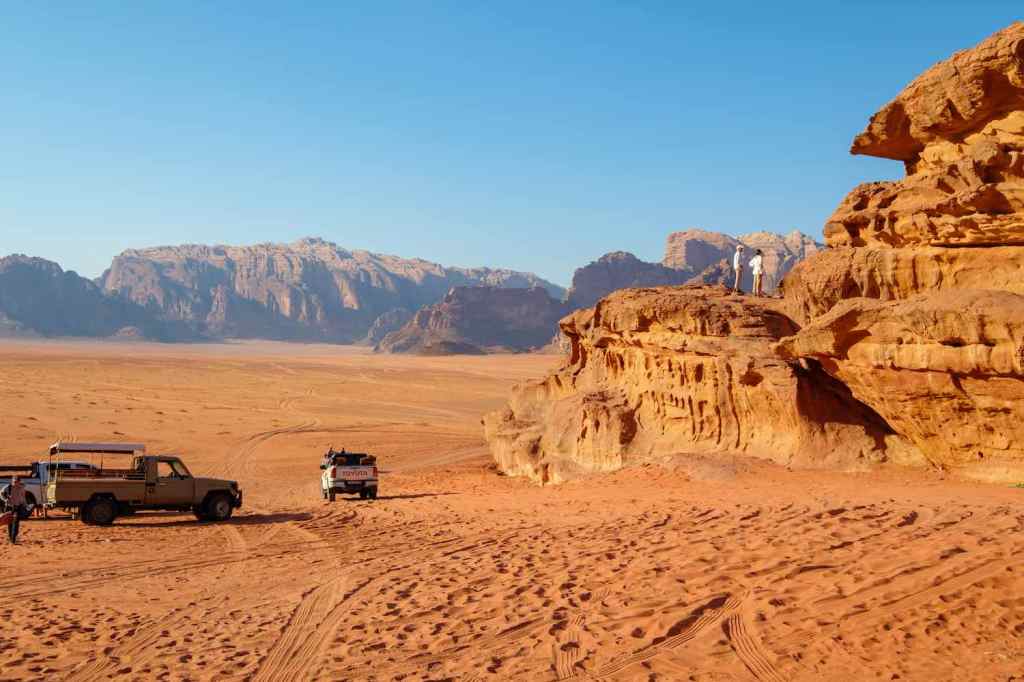
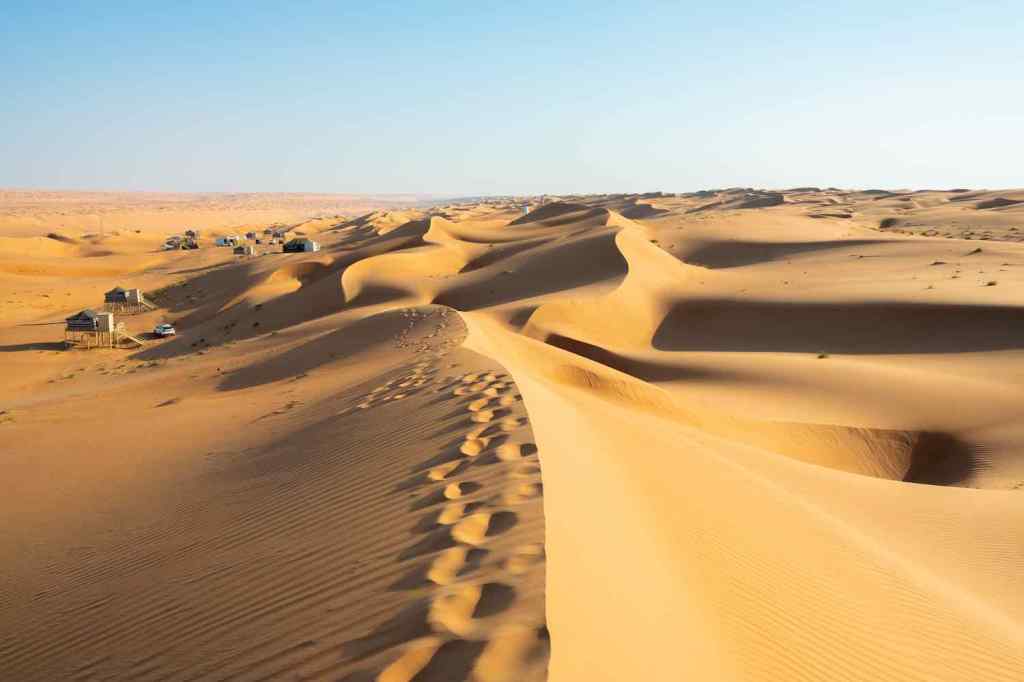
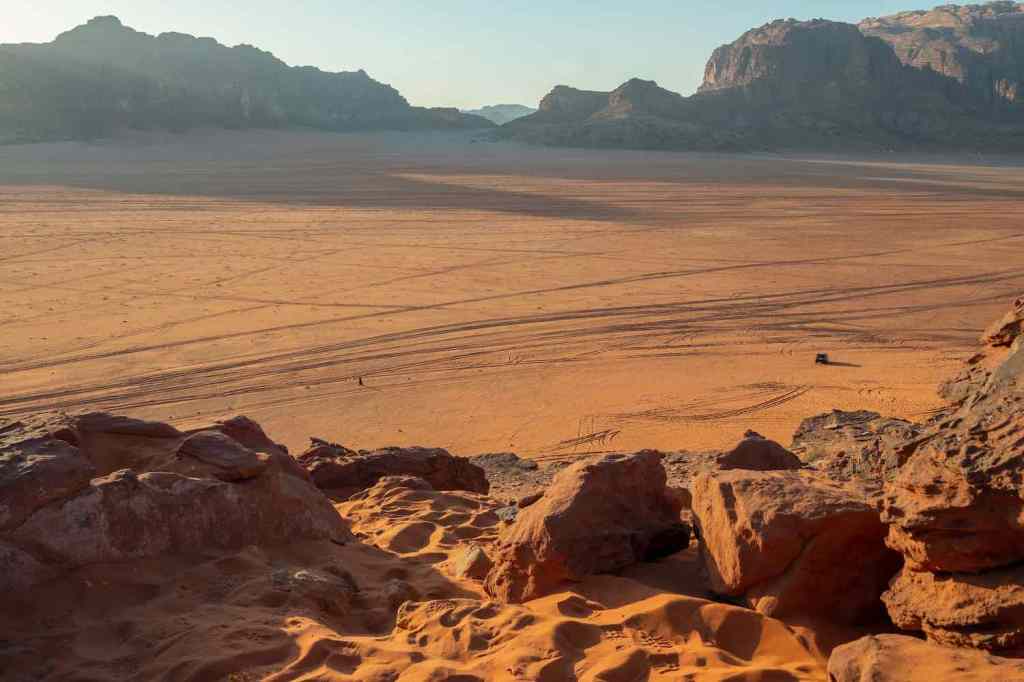
- Deserts – Wadi Rum (Jordan) & Bidiyah’s Desert Dunes (Oman). Both Wadi Rum and Bidiyah’s Desert Dunes provided a surreal experience, especially during sunset and stargazing. Wadi Rum, often overshadowed by Petra, proved to be an even more captivating gem. Unlike the typical image of a desert, it is surprisingly flat and boasts a unique dark orange, almost reddish color. Bidiyah’s desert, on the other hand, matches the picturesque golden sand dunes we typically imagine. Despite its familiarity, the place exuded a magical atmosphere and was definitely worth a visit.
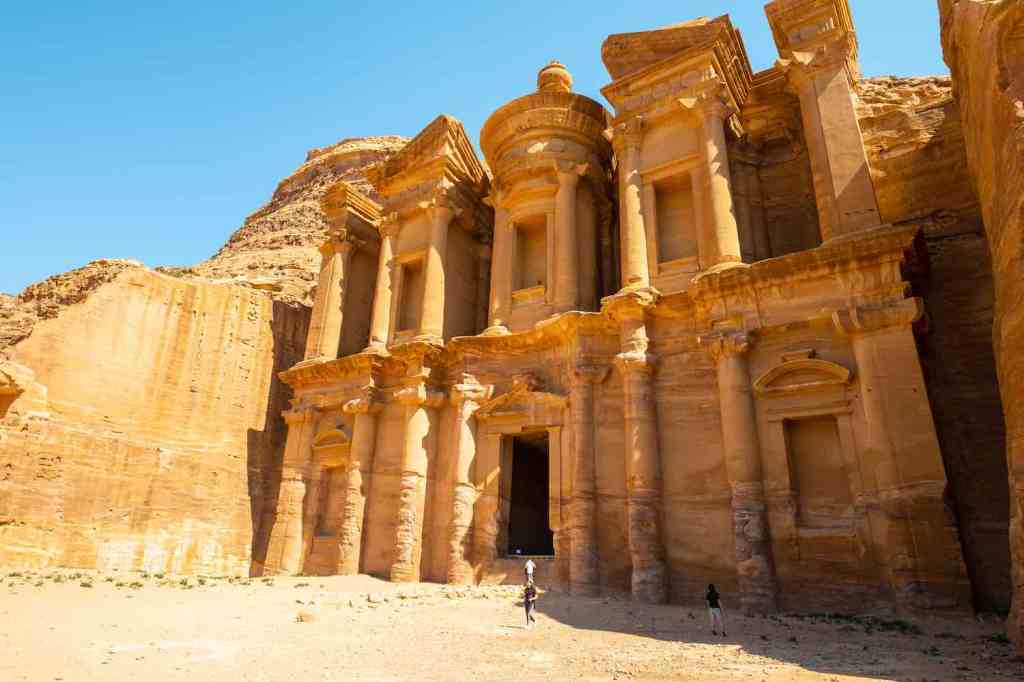
- Petra (Jordan). One of the seven wonders of the world and famously featured in the Indiana Jones movies, Petra had been on my bucket list for a long time. The grandeur and architectural marvels of this ancient city did not disappoint. However, the sheer number of visitors and persistent vendors slightly detracted from the experience I had envisioned.
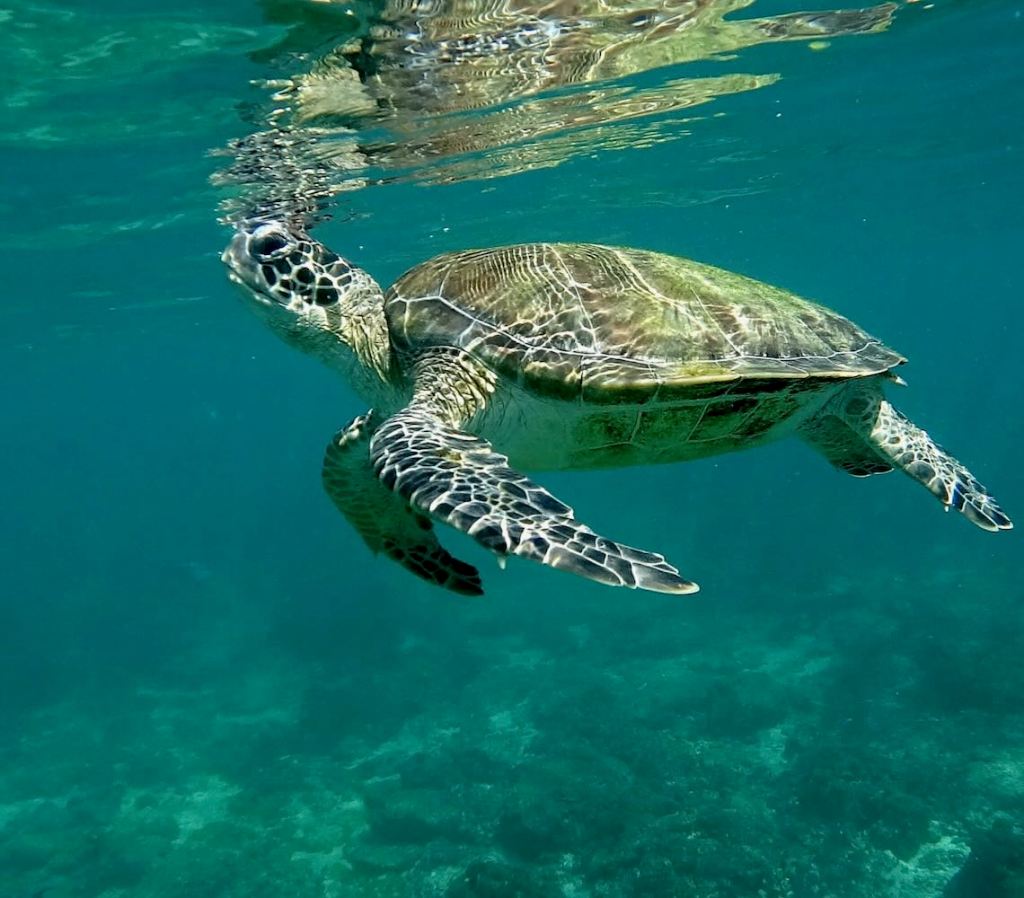
- Green Sea Turtles in Oman. I never expected that the most awe-inspiring aspect of my trip to Oman would be its stunning natural beauty, particularly the Green Sea Turtles. Observing these magnificent creatures in their natural habitat at the Turtle Reserve near Ras Al Jinz was a truly remarkable sight. I witnessed them nesting, hatching, and even had the opportunity to snorkel alongside them by booking a trip to Dimaniyat Islands.
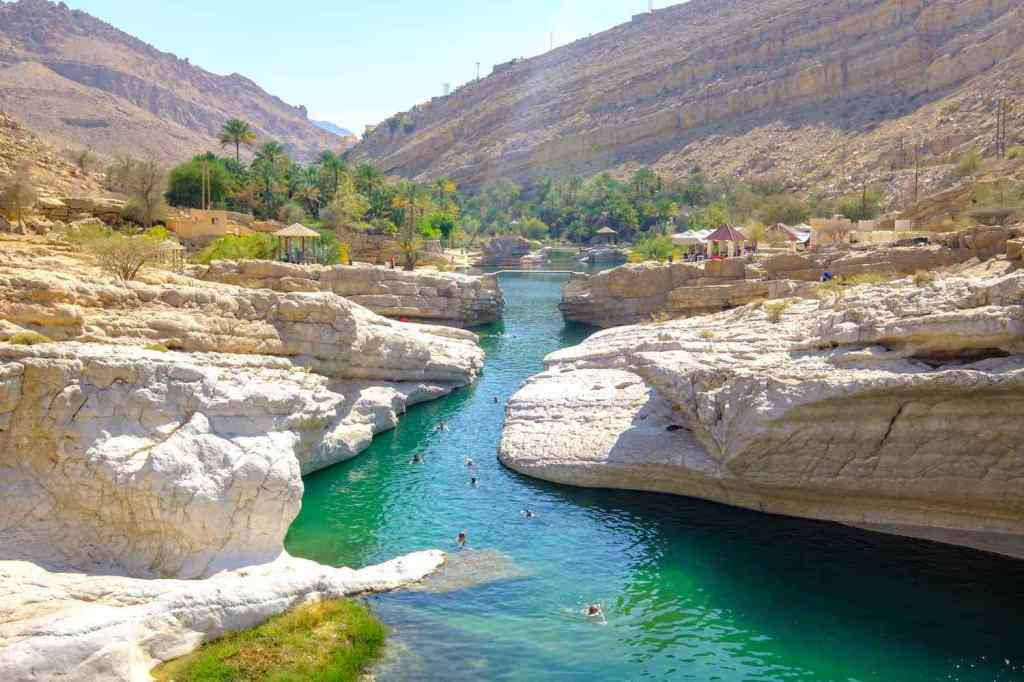
- Wadis & sinkholes in Oman. Although we initially overlooked them during the planning stage, the wadis (valleys) and sinkholes in Oman turned out to be unexpected highlights. Amidst the desert and mountainous landscapes, these enchanting spots, brimming with water and lush greenery, created a surreal oasis. Given the country’s high temperatures, the chance to cool off with a refreshing swim in these natural pools was an absolute delight.
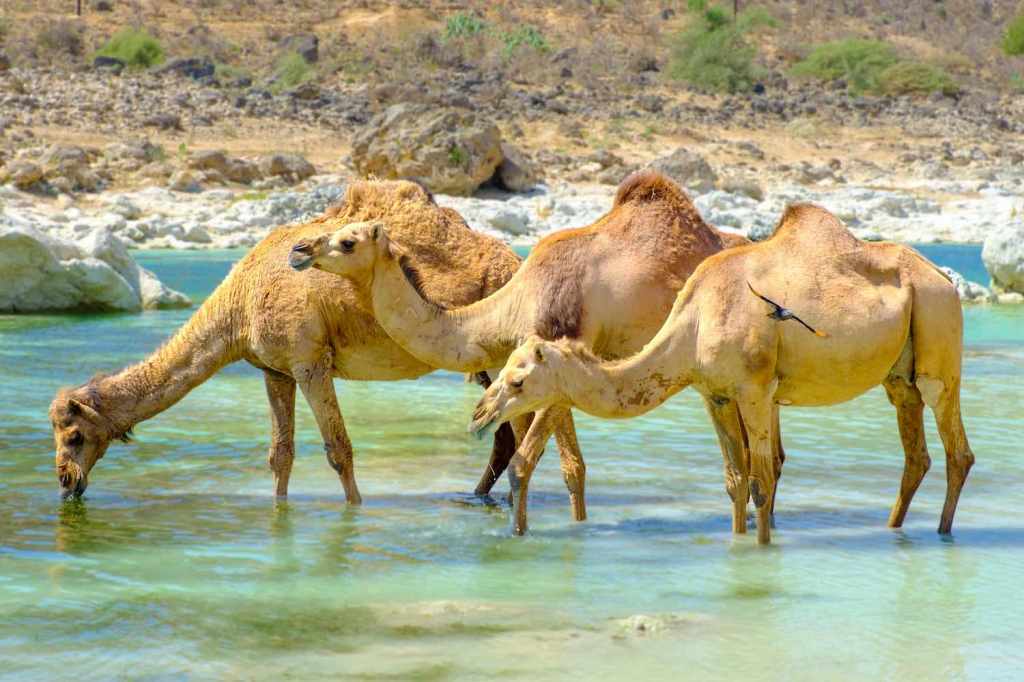
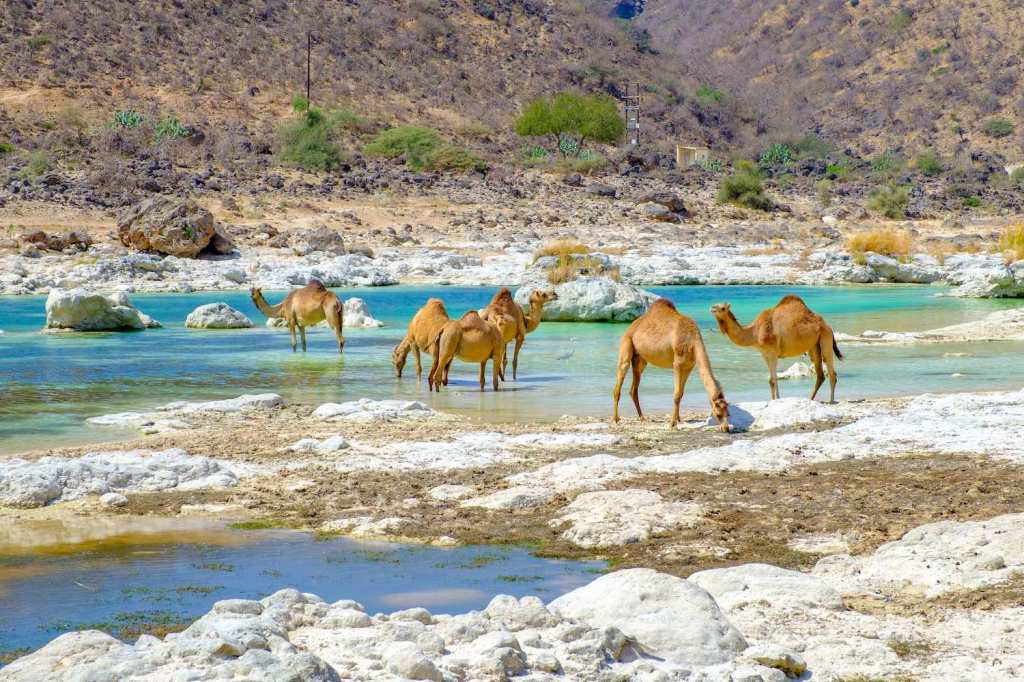
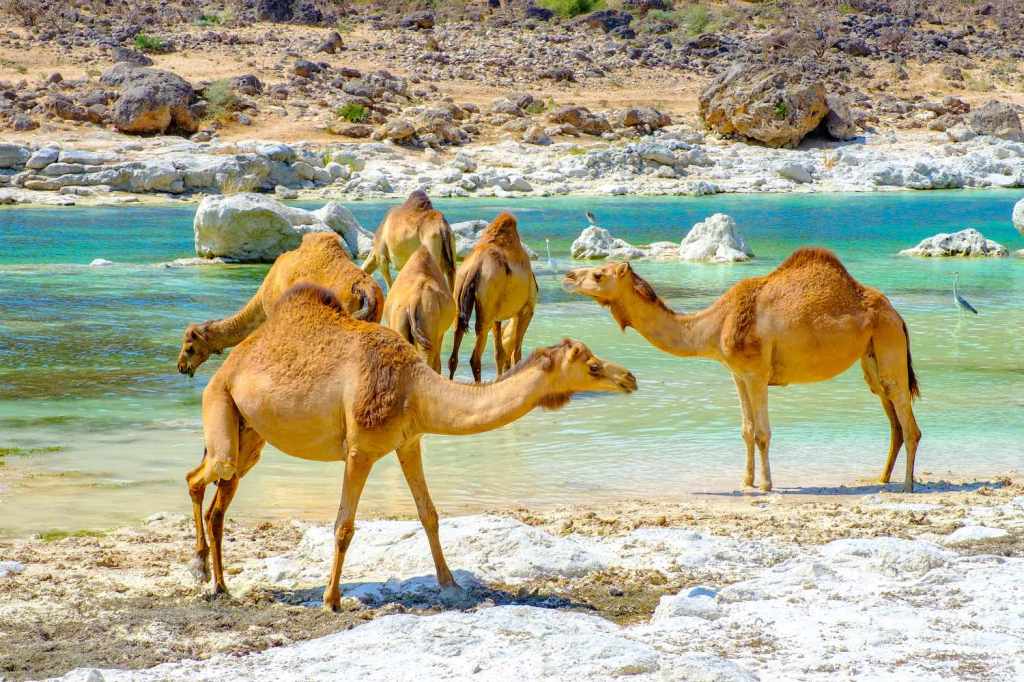
- Wadi Darbat (Oman). Situated around Salalah, a city on the opposite end of Oman from Muscat and closer to Yemen, Wadi Darbat offered a unique experience. While the whole region is renowned for its summer monsoon rains (khareef) that transform the desert into a lush green paradise, even in winter, Wadi Darbat had something special to offer. The presence of a river with numerous pools and waterfalls attracts local camels seeking water, resulting in a captivating sight of camels immersed in the flowing waters.
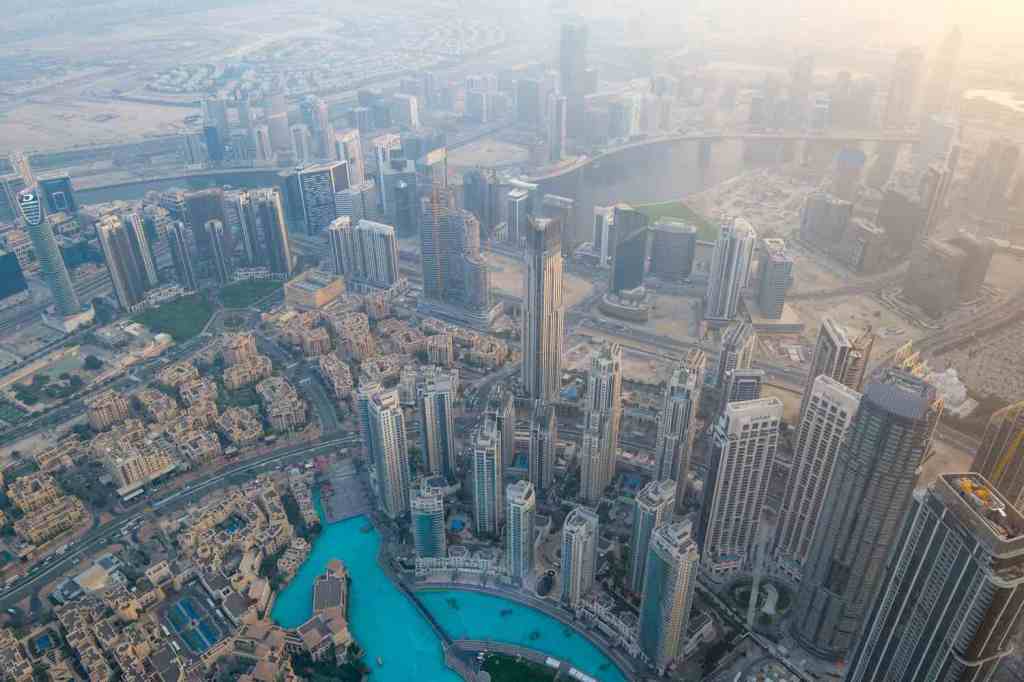
- Burj Khalifa (Dubai). The Burj Khalifa, often criticized for its ostentatious nature and lack of a proper sewage system, still managed to captivate me with its magnificence. The beautifully designed building offers an otherworldly view from its top. In my opinion, a visit to the Burj Khalifa is a must when in the region, as it has become an iconic symbol of Dubai.

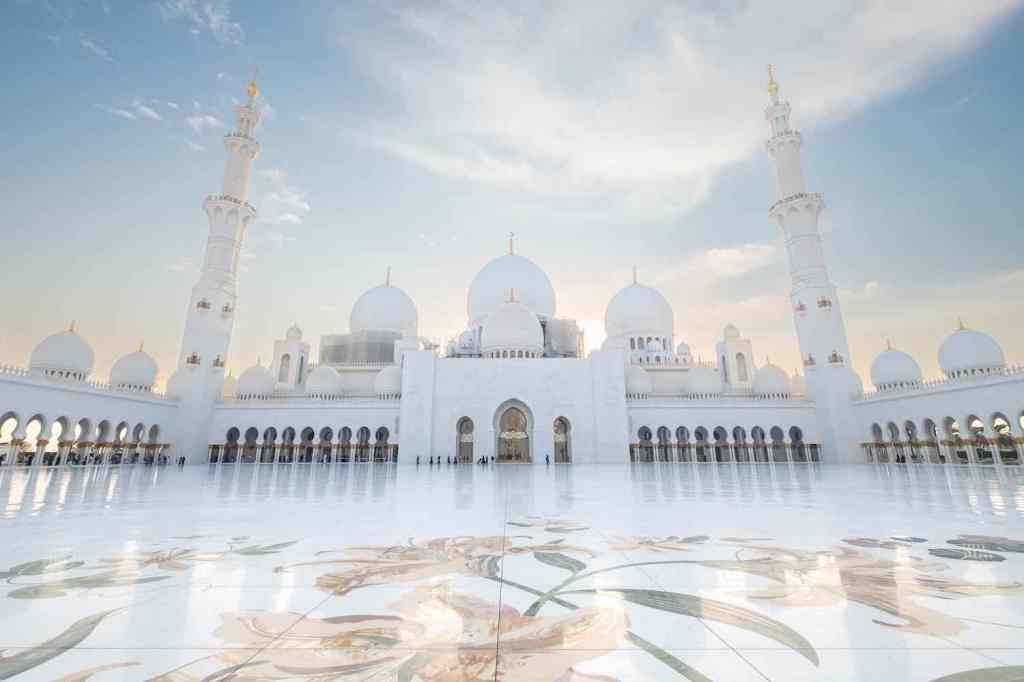
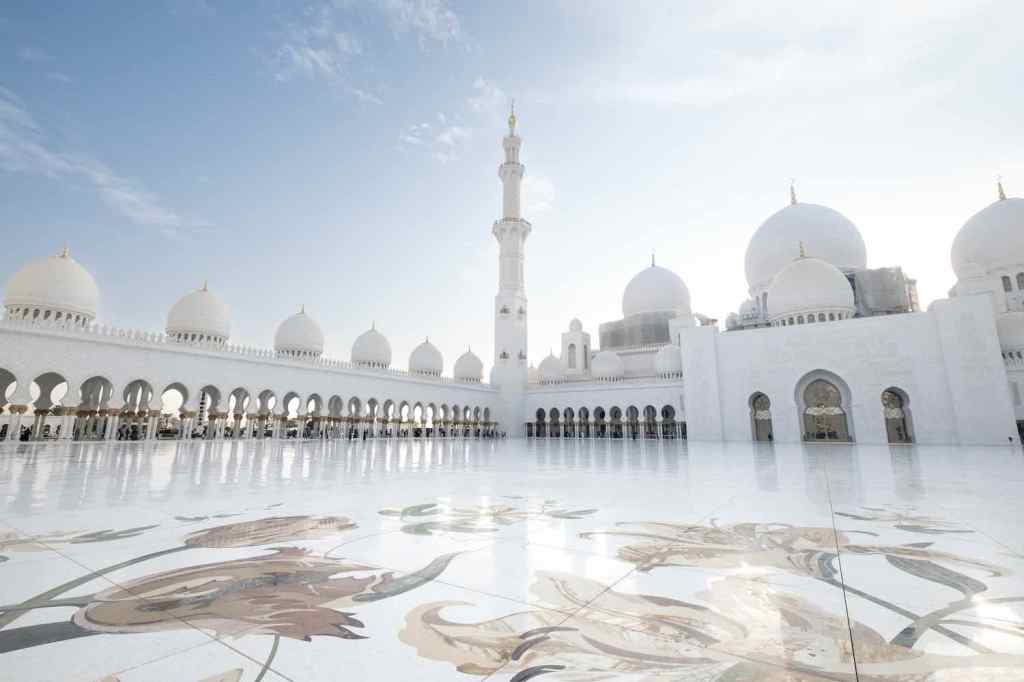
- Sheikh Zayed Grand Mosque (Abu Dhabi). When exploring European countries, visiting cathedrals is often a must-see experience. Similarly, in the Middle East, few places rival the grandeur of Sheikh Zayed Grand Mosque. This architectural masterpiece is truly awe-inspiring, featuring pristine white walls and an immense scale. While its construction required substantial investment, the result is a truly magnificent building that leaves a lasting impression.
Interesting Insights into Jordan, Dubai, Abu Dhabi, and Oman:
Jordan
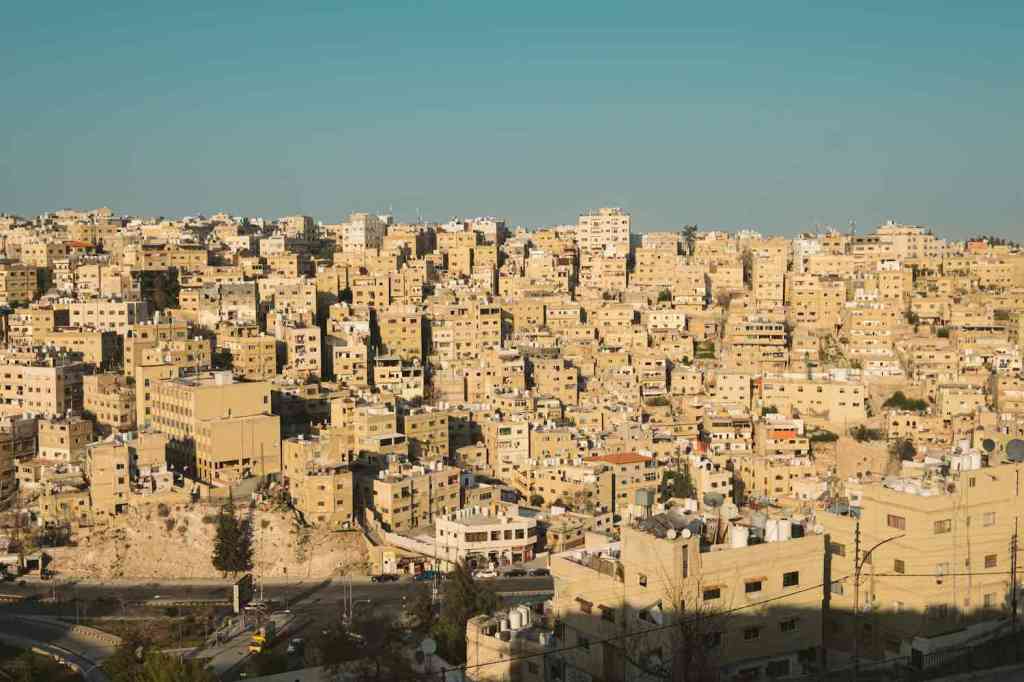
Among the three countries, Jordan is the poorest. It lacks oil resources and faces water scarcity. However, Jordan stands out for achieving something remarkable in the region: it is a safe and stable country. This is no small accomplishment considering its neighbors include Syria, Israel, Saudi Arabia, and Iraq. Jordan’s stability can be attributed to a robust police force (our driver was stopped for checks multiple times during our tour) and its commitment to peaceful coexistence with its neighbors, even with Israel despite past conflicts.
Jordan is also notable for its humanitarian efforts, particularly in assisting Palestinian refugees. Over one-fourth of Jordan’s population consists of refugees, which puts a significant strain on the already impoverished country. Moreover, during the Iraq war, Jordan provided shelter to more than one million refugees who later returned to their home countries.
United Arab Emirates
The United Arab Emirates (UAE) emerged out of necessity when the small emirates realized that they would be unable to protect themselves effectively once Great Britain withdrew its troops from the region in the 1960s and 1970s. To ensure their security, they chose to unite and work together. Since then, Abu Dhabi has become the most important emirate, wielding the most power. While it may not possess the same level of glamour as Dubai, Abu Dhabi’s larger oil reserves concentrate most of the wealth and influence. During the financial crisis, Abu Dhabi extended a $20 billion loan to Dubai, preventing it from going bankrupt.
Dubai, on the other hand, has fewer oil reserves, which compelled it to diversify its economy and seek alternative avenues for prosperity. Today, real estate and tourism serve as Dubai’s primary sources of wealth. The city attracts visitors from around the world, offering a plethora of sun-soaked beaches, captivating attractions, and luxurious accommodations. Sometimes, Dubai feels like a playground for adults. It’s worth noting that oil played a significant role in transforming Dubai from a region primarily inhabited by pearl fishermen to the bustling city it is today, especially after the advent of artificial pearls in Japan, which caused a severe crisis in the area. Dubai’s success story is largely indebted to oil revenues.
Oman
The Sultanate of Oman boasts a rich history and a legacy of empire, exerting significant influence across the region, including territories like Zanzibar, Iran, and Pakistan. For centuries, Oman collaborated with the British Empire, as both parties shared common interests in the region. However, since the 20th century, Oman’s power and influence have waned. Nonetheless, the country remains relatively prosperous due to its reserves of oil and gas. Although not as rich as neighboring countries like the UAE, Oman’s citizens enjoy the ability to afford cars, and the nation has good infrastructure, including well-maintained main roads, hospitals, and schools throughout its regions. It is worth mentioning though that non-main roads are often unpaved, resulting in dusty conditions and poorly maintained houses. This makes it challenging to assess Oman’s overall quality of life. Moreover, the majority of Omani citizens are employed in state-owned enterprises, highlighting the nation’s heavy dependence on oil as the backbone of its economy.

Travel Expenses in the Middle East
Travelling around the Middle East can be quite expensive. Among these countries, Jordan is relatively affordable, while Dubai is known for its higher costs compared to the Netherlands. Surprisingly, Oman also has quite high prices, sometimes even similar to Dubai. This is likely due to the strong currency, fueled by oil sales. However, there are ways to keep costs reasonable, particularly when it comes to accommodation. In Dubai, you can find reasonably priced hotels that offer decent quality, although they may lack amenities like a pool or gym. For instance, we opted to stay at Super 8 by Wyndham Dubai Deira, which was well-suited for our needs and budget.
The most important saving tip is to buy Jordan Pass online before coming to the country. It costs 70 JDs, while it covers visa fees (40 JDs), Petra entrance (50 JDs), Wadi Rum (10 JDs) and many other smaller sites. So it’s clear saving of money (and time!).
To provide some context, here are a few examples of prices from our trip. In total, the two-week journey cost approximately €3000 to €3500, with flights accounting for over a third of the expenses, and organized tours (such as Petra and snorkeling in Oman) comprising another third. Here are some specific costs:
- Car rental in Oman: €280 for 5 days
- Hotel in Muscat (one of the best): €60 per night for 2 people
- Coffee in the hotel in Oman: €2.5
- Dinner in good restaurant in Muscat (with freshly pressed juices): €15 per person
- Hotel in Dubai: €65 per night for 2 people
- Taxi in Abu Dhabi across 1/3 of the city: €7.5
- Falafel in Amman: €0.8
- Organised tour around Jordan (2 days): €280
- Snorkeling in Dimaniyat Islands: €95 per person
These examples should provide an idea of the price range for various aspects of the trip, allowing you to plan your budget accordingly.
How to travel around
Flights
Emirates Airlines is the obvious choice for flying to the Middle East. However, I opted to travel with Royal Jordanian Airlines, which allowed me to have a stopover in Jordan on the way to Dubai, and it was significantly cheaper than Emirates. While the quality and customer service were not on par, the overall deal was worthwhile.
When moving between the UAE and Oman, as well as within Oman itself, there are several local airlines available. We primarily used Oman Air and were pleasantly surprised. They are striving to become a new trendy airline, competing with the likes of Emirates and Qatar Airways. Although they have not reached that level yet, the quality is already quite good, with punctual flights and numerous connections in the region. We also tried to use FlyDubai, but our flight was unexpectedly canceled at the last moment, so I strongly advise against using them. We came across Salam Air as well, but after reading negative reviews on Trip Advisor, we decided against flying with them due to the horrible experiences shared by other travelers.
Jordan & Amman
Public transport in Jordan is virtually nonexistent, and while renting a car is possible, I would advise giving it careful thought. The traffic is heavy and chaotic, with drivers often disregarding the traffic lanes, and there are numerous accidents. Some people do rent cars, but it requires nerves of steel. Instead, I would recommend booking organized trips or arranging transportation through Get Your Guide or Booking.com (for airport pickups). Once you find a reliable driver or tour guide, you can easily inquire about prices for other trips. If you’re traveling alone, trips booked through Get Your Guide can be quite expensive as majority of them (private ones) mean renting the whole car with a driver, so it’s a good idea to gather a few people together to share the cost.
Really important is to buy Jordan Pass in advance as mentioned above!
Dubai
Dubai boasts an excellent metro and bus system. However, due to the city’s vast size, taking a taxi is sometimes necessary to reach to certain places. Many people hail taxis from the street or use the local ride-hailing app called Careem (similar to Uber). Life hack #1: Purchase a Gold Card for the metro. It’s double the fare, but the improved conditions make it well worth it. I don’t usually opt for premium transportation, but this choice made a lot of sense. Life hack #2: Download the Nol Pay app, which allows you to conveniently top up your transportation card using the NFC chip on your phone.
Oman
The most practical way to travel around Oman is by car. While hiring a driver is an option, renting a car makes more sense. Traffic is not heavy, and people generally drive reasonably. The main roads are in excellent condition. If you plan to visit the mountains, a 4×4 vehicle may be necessary. However, if you skip that part, a regular sedan will suffice. Exercise caution when encountering camels, as they sometimes run onto the road and can cause accidents that pose serious risks, similar to collisions with moose.
Itinerary
Planning:
- Day 0: Flight to Amman (Jordan)
- Day 1 & 2: Organised tour to Petra, Wadi Rum and Dead Sea
- Day 3 & 4: Amman & Jerash
- Day 5: Flight to Dubai & Dubai’s mall
- Day 6: Culture tour, Golden frame, Burj Khalifa
- Day 7: Burj Al-arab, The palm view, Dubai’s Marina, Museum of the future
- Day 8: Flight to Muscat (Oman) and Mutrah Corniche & Souq, Opera
- Day 9: Driving South of Oman: Quiryat village, Bimmah Sinkhole, Wadi Shab, Ras Al Jinz Turtles reserve
- Day 10: Wadi Bani Khalid and Wahiba Sands
- Day 11: Nizwa fort and coming back to Muscat
- Day 12: Snorkeling at Daymeyan island and flight to Salah
- Day 13: Visiting Salalah region and flying back to Dubai in the evening
- Day 14: Abu Dhabi day trip from Dubai
- Day 15: Flight back to Europe
Day 1 & 2: Petra, Wadi Rum and Dead Sea
After arriving in Amman at night, the following morning I embarked on an organized trip to Petra, Wadi Rum, and the Dead Sea. The cost of the trip was €280 (plus tip!), and it turned out to be one of the best investments in travel I have ever made. In just two days, I had the opportunity to visit numerous incredible places, and our driver (Jafar) was exceptional. He provided us with valuable tips and ensured that everything was perfectly organized. Throughout the journey, he entertained us with various riddles and made sure his motto, “see you tomorrow,” was ingrained in our minds (he used it for practically everything!).
Petra
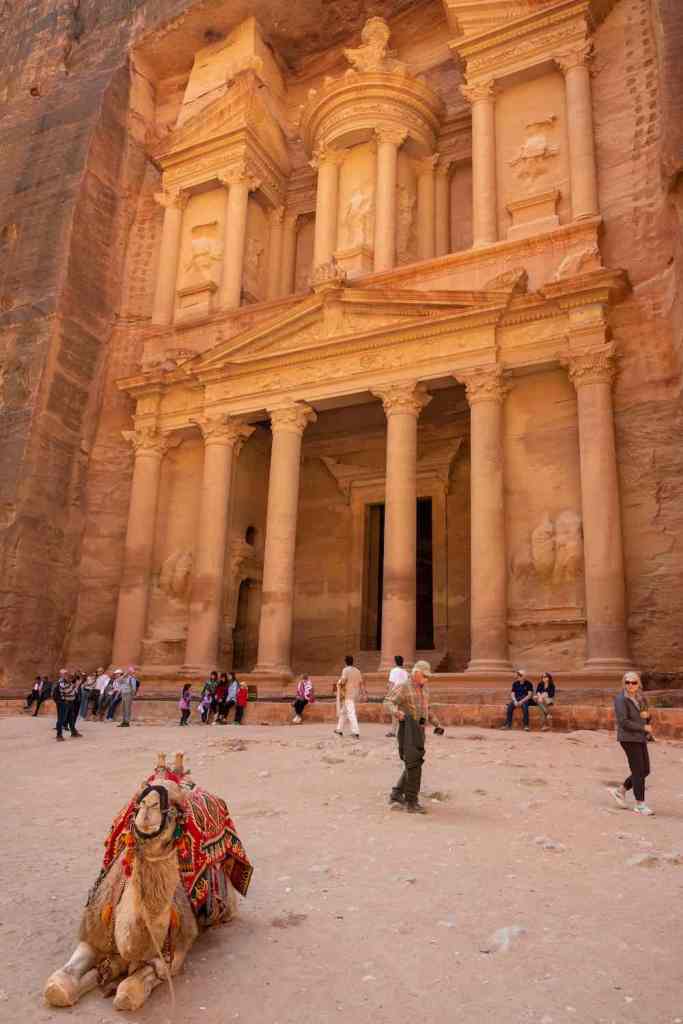
Petra was the first stop on our itinerary and a highlight of the entire trip. It is a testament to the ancient Nabataeans, who constructed it around the 2nd century BC to control local trade routes. The city later came under Roman rule, but changes in trade routes and a major earthquake led to its abandonment.
While the Treasury building is the most famous and commonly depicted structure in Petra, the entire city is much larger and offers numerous other worthwhile sites. I recommend walking to the Monastery and exploring other interesting buildings on the way back. The path to the Monastery involves an uphill climb with stone stairs (please take shoes with good soles!), and the round trip takes around 2.5 to 3 hours. However, it is definitely worth the visit.
It is important to be cautious of scammers in Petra. Avoid using donkeys and be wary of people luring you to “nice spots.” Many incidents of robbery have occurred, but you can easily avoid such situations by sticking to the main track and refraining from interacting with locals.
Wadi Rum
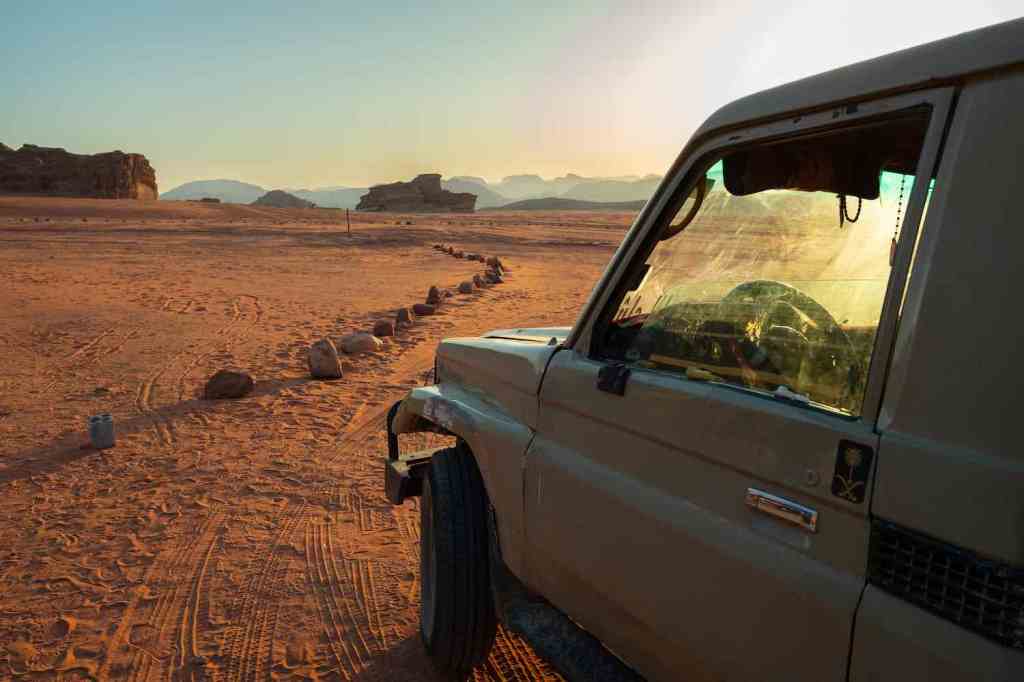
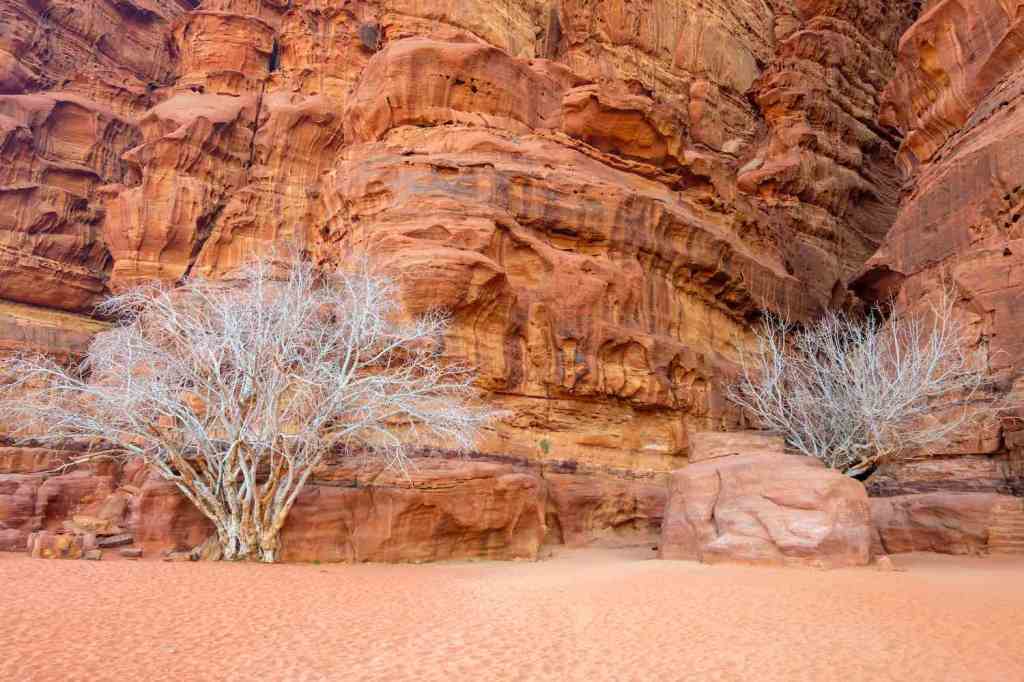
Wadi Rum is a desert and national park unlike any other. It features flat landscapes with minimal sand dunes, intense orange-red sand, and majestic mountains in the backdrop. Upon arrival, we hopped on jeeps and visited several fascinating locations before reaching the campsite for the night. The sunset in Wadi Rum is truly unique, and the conditions for stargazing are perfect. I highly recommend visiting this gem of Jordan.
Red sea
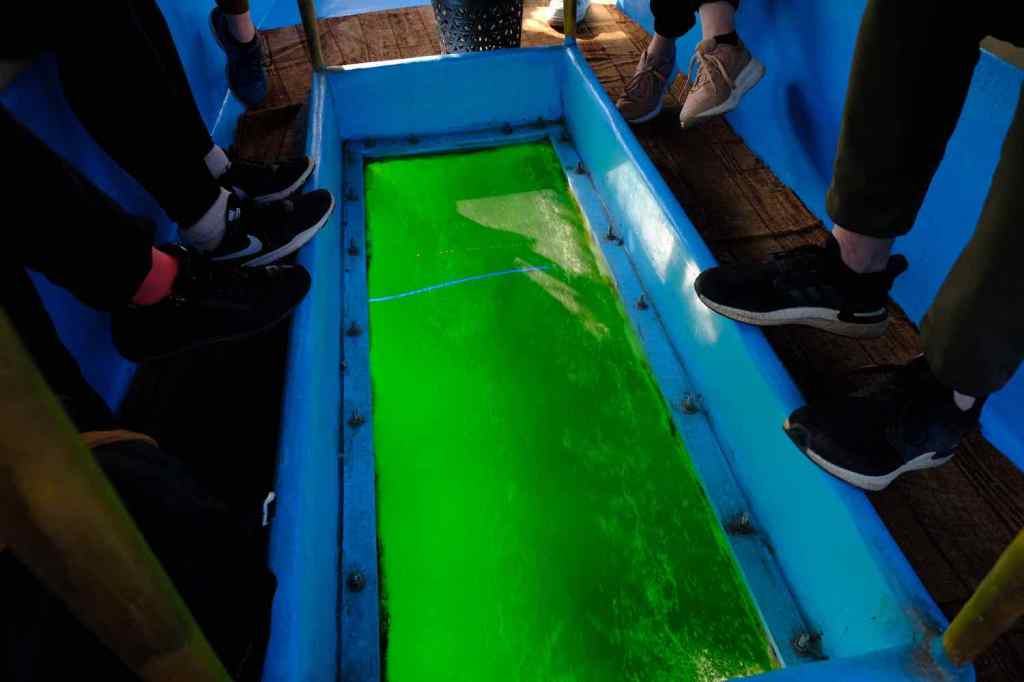
Our guide added a visit to the Red Sea to the program, which we approved. We went to a location where four countries share a bay, allowing us to view all these lands from a single spot. Additionally, we took a “glass boat” tour, which was a relaxing and enjoyable two-hour experience.
Dead sea
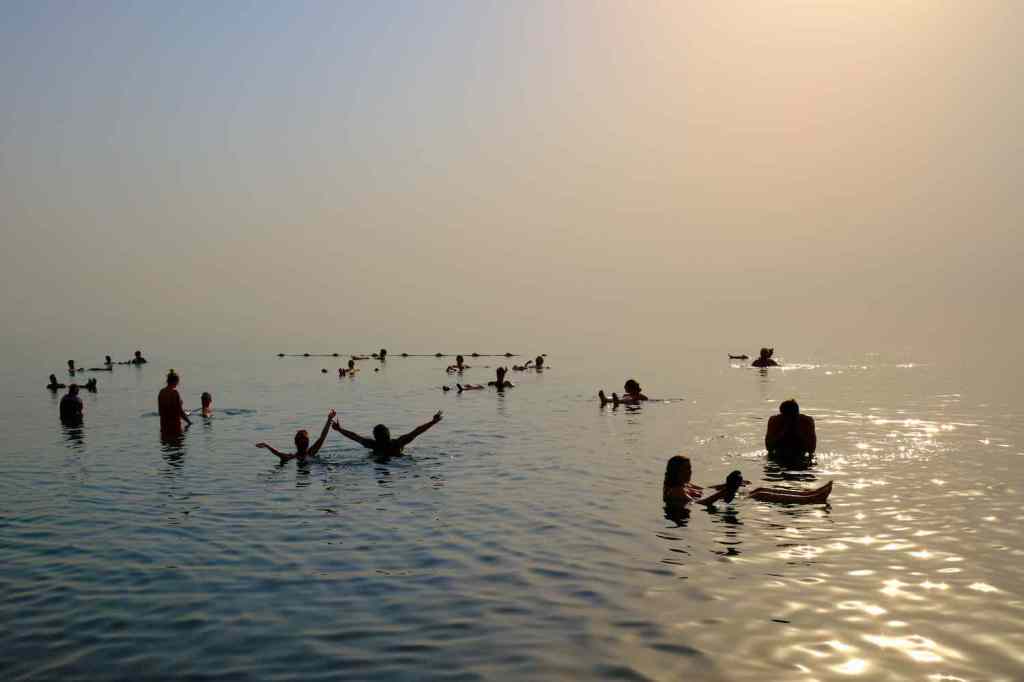
On our final stop before returning to Amman, we visited the Dead Sea. Located in the Jordan Rift Valley, the region is a major hub for agriculture and water resources in the country. The Dead Sea itself is quite stunning, with its extremely high salt content causing everyone to effortlessly float on its surface. Be cautious of the saltwater entering your eyes, and it’s advisable to wear swimming shoes due to the rocky ground.
Day 3 & 4: Amman & Jerash
I spent the next two days exploring Amman and taking a private half-day tour to Jerash (together with my newly met Scottish crew!). Amman is an interesting city with bustling streets, numerous restaurants, and small shops. It has a unique atmosphere that differs from Western cities, making it worthwhile to wander around and soak in the vibe. However, there aren’t many must-visit spots in the city, so you can easily cover it in less than a day. That’s why we decided to book a half-day trip to Jerash and Ajloun Castle to add some variety. If I were to plan again, I would likely aim to see everything in just one day (or potentially skip it completely if I would be under time pressure).
Rainbow street
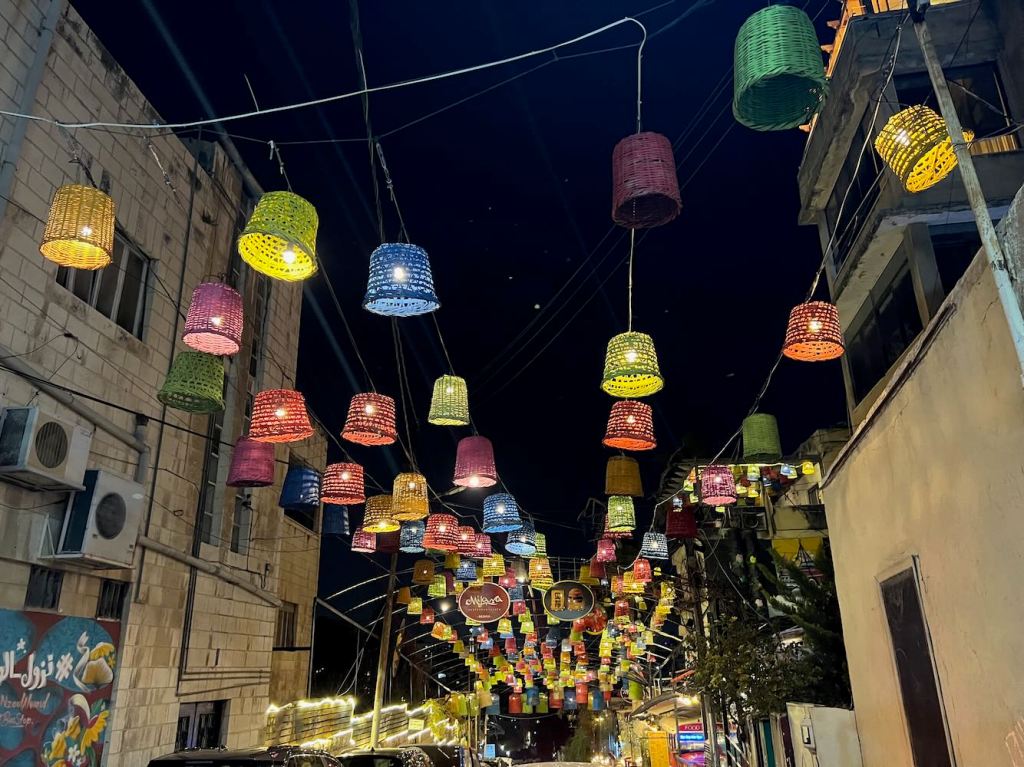
Rainbow Street is one of the more touristy areas in Amman, featuring shops selling souvenirs, as well as restaurants and bars. You can find the iconic rainbow stairs and umbrellas hanging over the street here. While it’s worth a visit, it doesn’t offer anything extraordinary, and you can explore the area within 30 minutes.
Amman citadel and Roman theater
The Amman Citadel is an ancient Roman fortress located in a scenic part of the city atop a hill, providing an impressive view of the surroundings. It’s worth visiting, even if just for the view and a pleasant walk. The best time to go is in the evening, shortly before closing, as the sunset enhances the experience.

Restaurants in the city centre
There are a few restaurants in the city center that I can recommend:
- Shawerma 3a saj – A fast-food joint offering delicious local food, particularly shawarma. It’s a great option for a quick and tasty meal.
- AlQuds Falafel – This famous falafel spot is located on Rainbow Street. Prices are affordable, and the food is flavorful.
- Hashem Restaurant Down Town – This establishment combines several restaurants. It has a long-standing tradition, with many famous people having dined there.
- Habiba kunafeh down town – A renowned dessert shop serving traditional sweets (although they can be quite sweet for some). Be prepared for a potentially long wait.
- Bekdash ice cream downtown – Located close to Habiba Kunafeh, this ice cream parlor offers traditional flavors that differ from European ones. You might even be entertained by a drum concert performed by the ice cream vendors as they prepare new portions.

Jerash
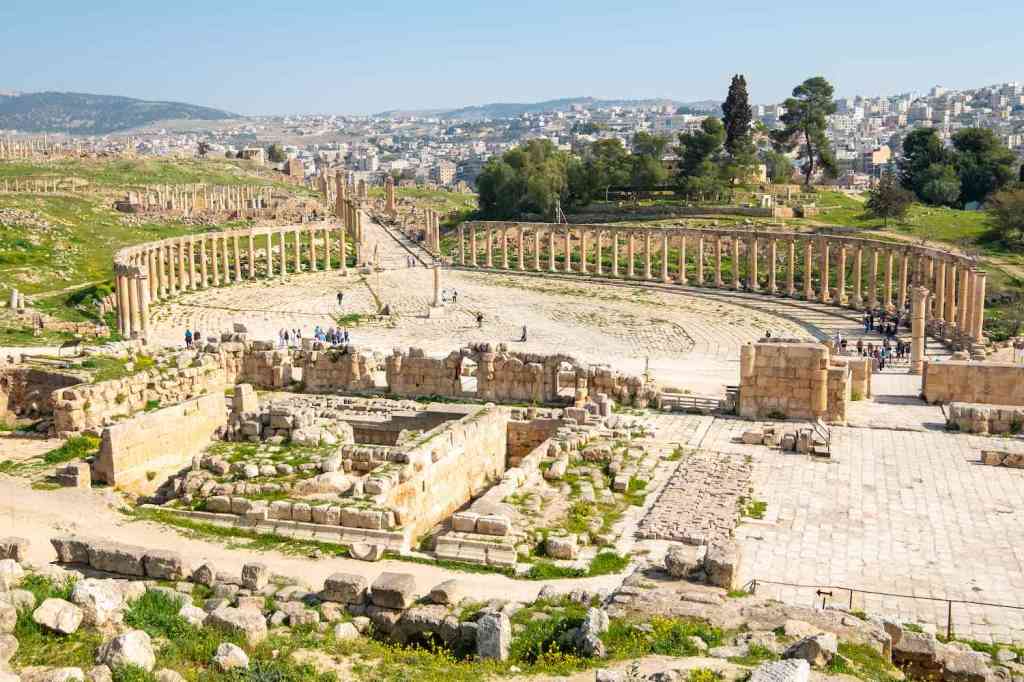
Jerash is a fascinating blend of a historic Roman city and present-day settlements. The ruins are extensive and exceptionally well-preserved. Visiting Jerash provides a glimpse into the vastness and advancements of the Roman Empire during its era. It’s definitely worth a visit to appreciate the rich history of the region.
Day 5: Flight to Dubai and Dubai’s mall
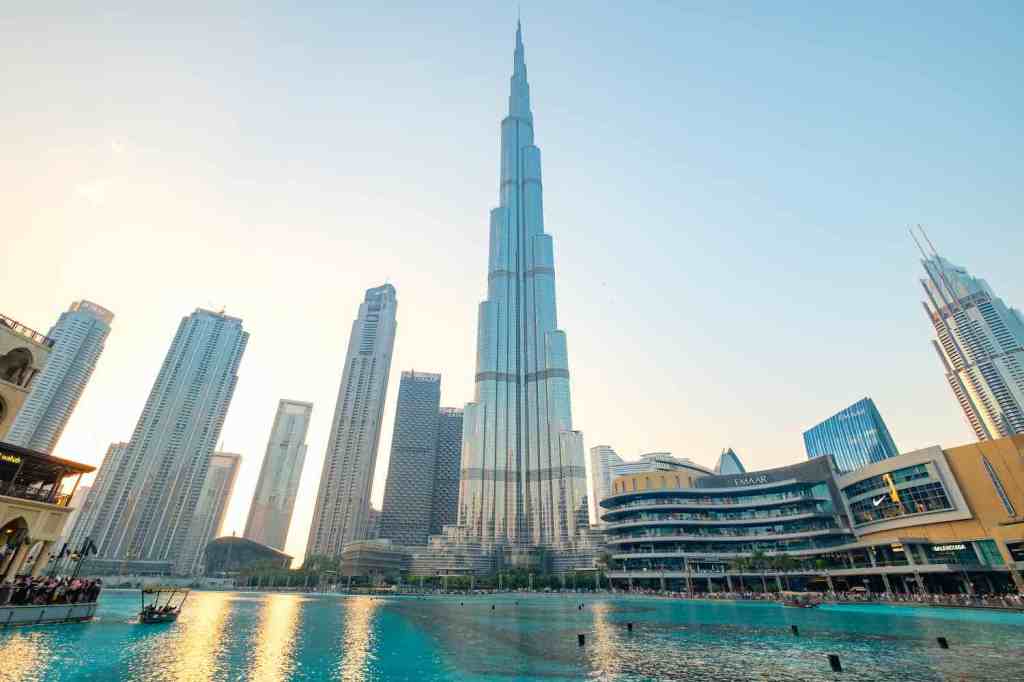
On day 5, I arrived in Dubai, checked into my hotel, and headed to Dubai Mall to capture some beautiful pictures of the Burj Khalifa, as the mall and the iconic tower are connected. Dubai Mall is incredibly large and offers a wide array of attractions alongside an extensive selection of shops. The main highlight is undoubtedly the fountain, which showcases water shows every half an hour, providing a stunning view of the legendary Burj Khalifa. Additionally, you can take a tour of the aquarium, which initially didn’t pique my interest, but I was pleasantly surprised by its impressive scale. The aquarium is a fully-fledged attraction that is definitely worth a visit! I was particularly fascinated by the size of the saltwater crocodile – it was absolutely enormous!
Day 6: Culture tour, Golden frame, Burj Khalifa
On day 6, I began my morning with the Heritage Tour & Al Farooq Mosque with Sheikh Mohammed Centre for Cultural Understanding. Although it may not be the most popular tourist spot, it is definitely worth visiting as I gained a deeper understanding of the traditional culture in the region, the history of Dubai, and local customs. One of the most fascinating aspects of the tour was the opportunity to ask any question and receive genuine answers. For instance, I learned that all women in Dubai are now allowed to work in any occupation of their choice, and there is active encouragement for women to pursue education and careers.
During the tour, we explored the Al Fahidi neighborhood, which was originally inhabited by wealthy merchants who migrated from Iran several generations ago. These merchants, along with fishermen and Bedouins, are considered the original inhabitants of Dubai.
Al Seef
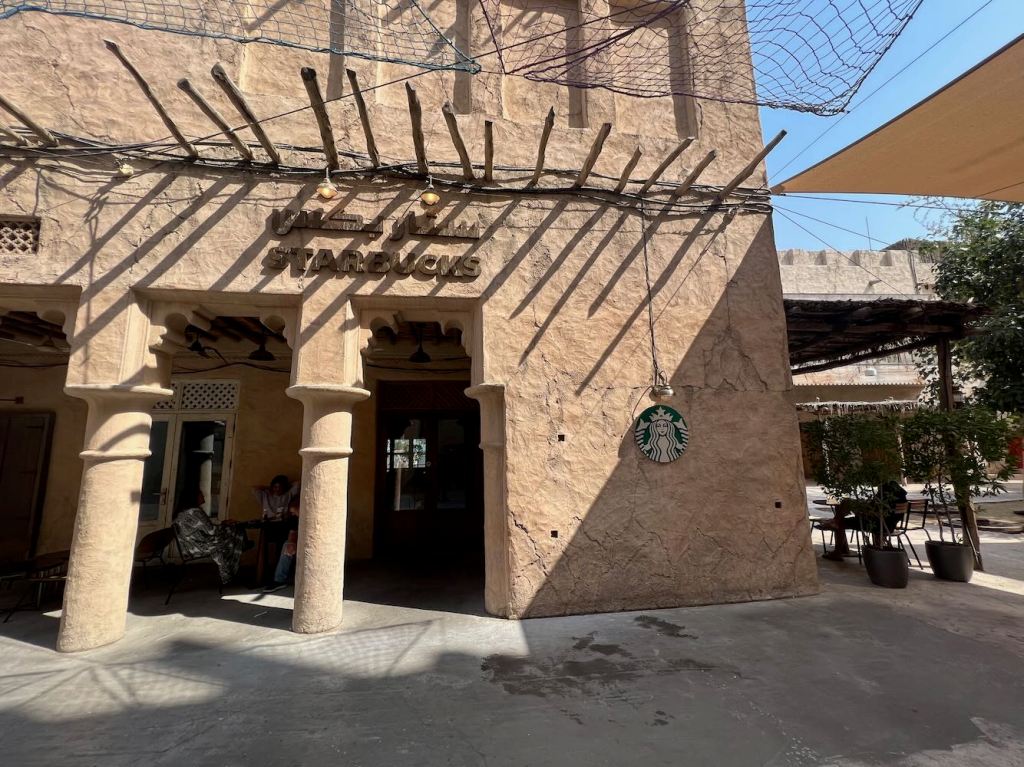
After the tour, I took a leisurely stroll along the waterside in the Al Seef neighborhood and made a stop at the most iconic Starbucks in Dubai!
Dubai frame
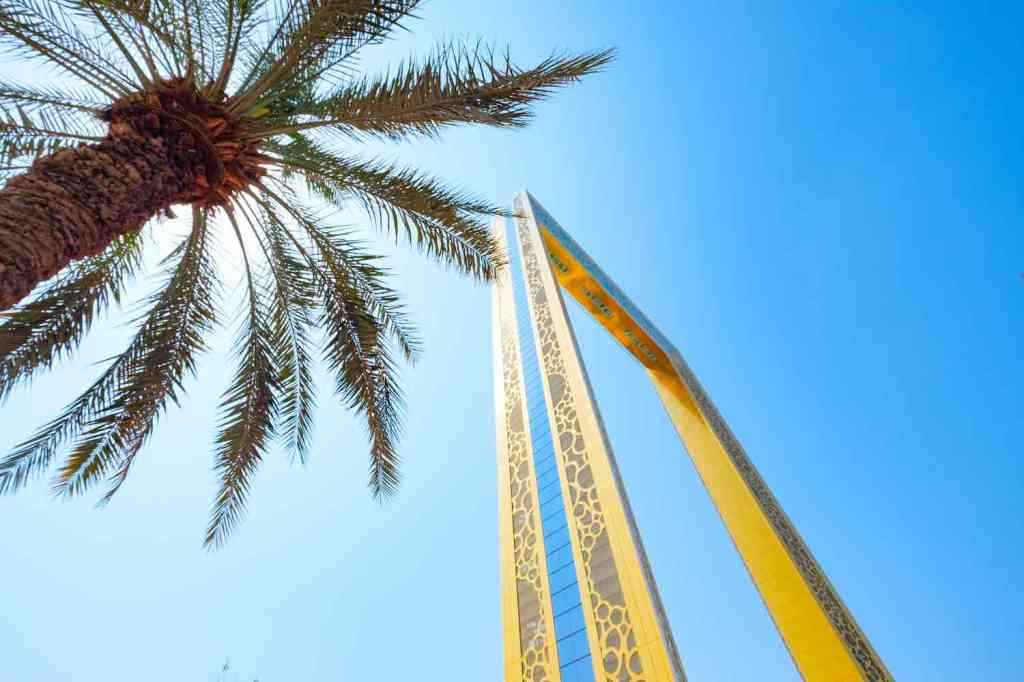
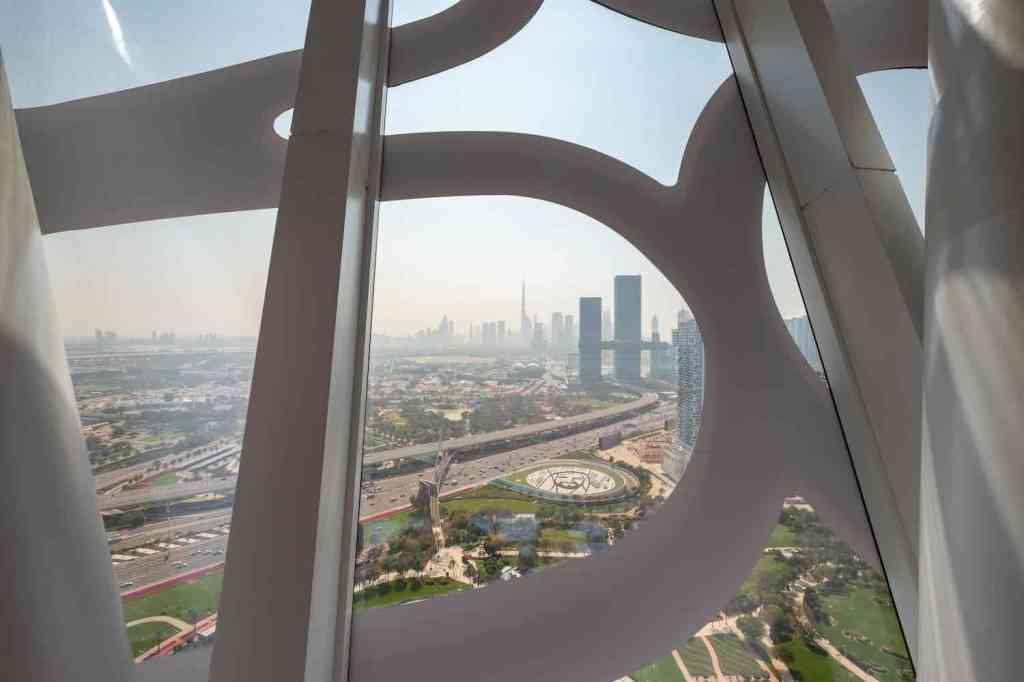
Next, I made a visit to the Dubai Frame on my way to the Burj Khalifa. The Dubai Frame is a building / art installations and an observatory deck at the top. I thoroughly enjoyed the view and the unique design of the frame. However, be prepared for long queues, especially during peak hours. It’s advisable to carry water with you if you visit in the middle of the day.
Burj Khalifa
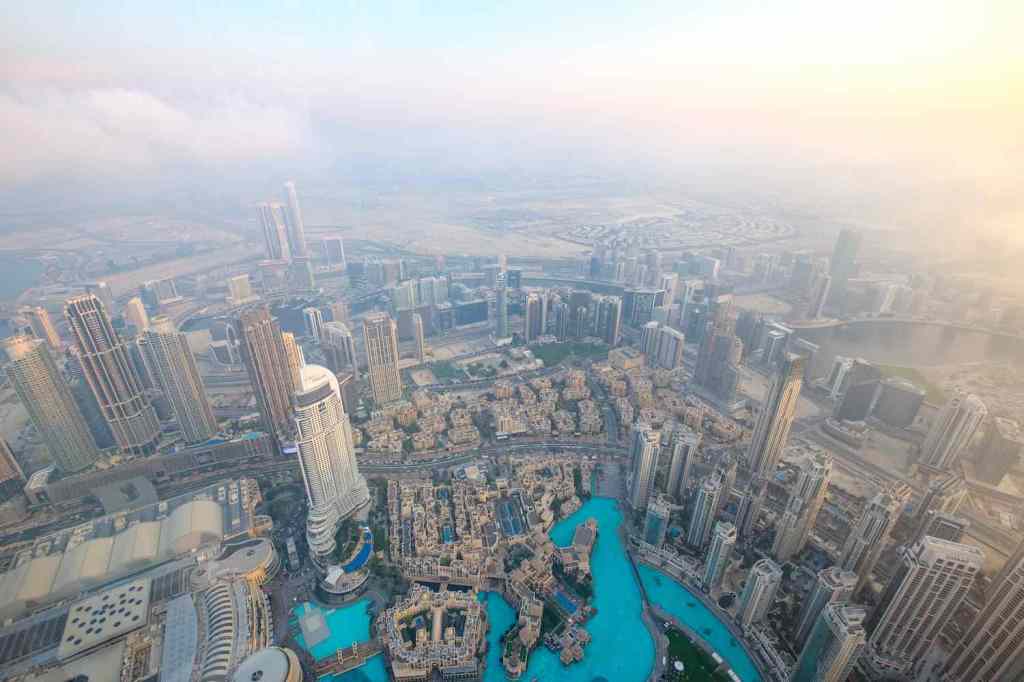
Finally, I reached the Burj Khalifa, the most iconic landmark in Dubai. The view from the top was truly breathtaking. Remember to book your tickets in advance! Here are two tips: Firstly, consider booking SKY tickets, as they saved me 2-3 hours of waiting time and provided access to a higher floor with a better view. It offers a good balance between basic tickets and the more expensive VIP ones. Secondly, try to book your tickets for sunrise or sunset (I personally recommend the latter for a better view). If you opt for SKY tickets, you can stay in the lounge for as long as you want, allowing you to book your tickets slightly before sunset and enjoy the view from the top.
Day 7: Burj Al-arab, The View at the Palm, Dubai’s Marina, Museum of the future
The next day, I ventured to the other side of the city to explore the attractions around The Palm Jumeirah, which is considered one of the greatest water engineering feats in the world. The most convenient way to move around is to take public transportation to the neighborhood and then use taxis to navigate between different spots.
The View at the Palm
To truly appreciate The Palm, the best spot is the viewpoint located in the tallest building at the entrance of the entire site. It’s definitely worth purchasing a ticket to reach the higher top and enjoy the panoramic views. There’s no need to venture further into The Palm itself; simply witnessing it from the viewpoint should suffice.

Burj Al-arab
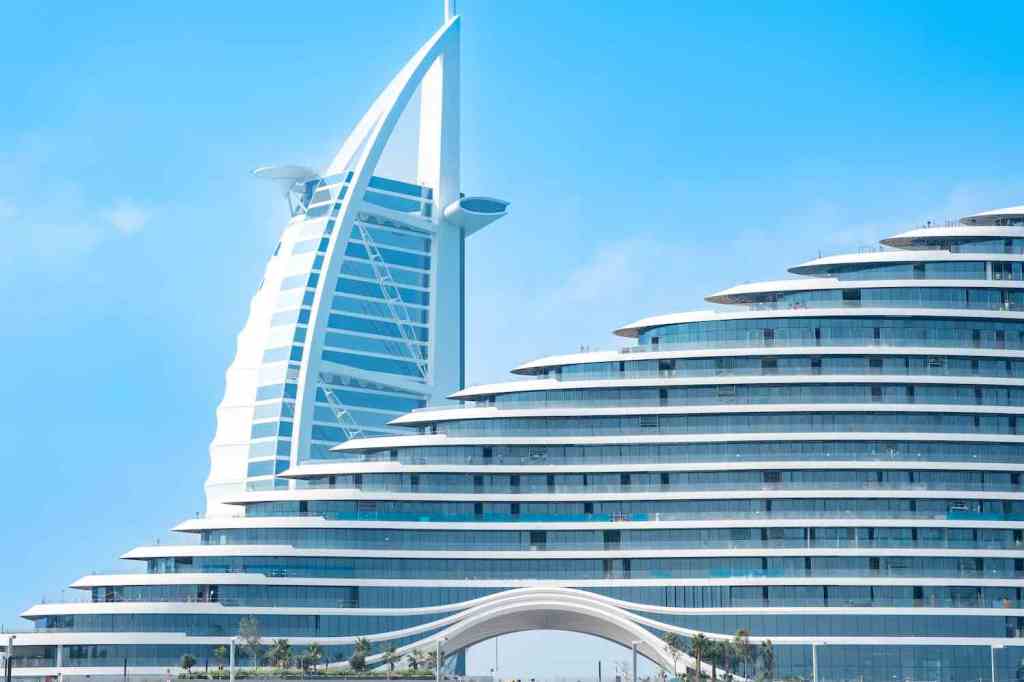
Prior to the Burj Khalifa, the Burj Al-Arab hotel was one of the iconic symbols of Dubai and continues to be a popular landmark. While it’s possible to visit the interior, it is required to order something at one of the hotel’s restaurants. I chose to admire the building from the nearby Jumeira Public Beach instead.
Dubai’s Marina
Dubai Marina offers a pleasant walking path where you can stroll around and admire the luxurious boats while experiencing one of Dubai’s residential areas. A leisurely 1-2 hour walk should be sufficient to explore the area.

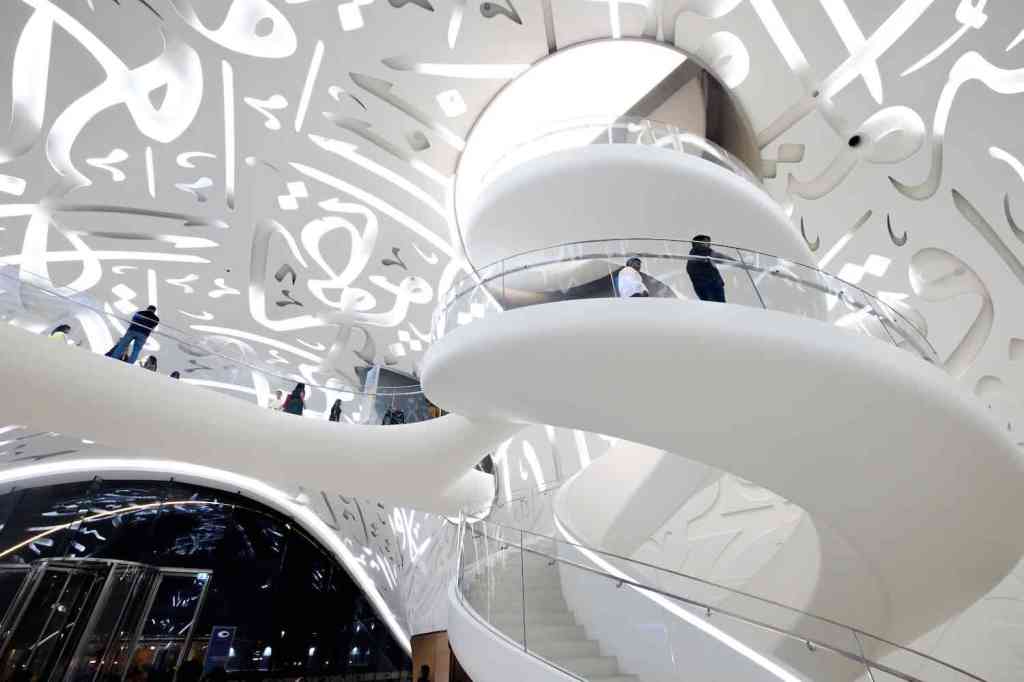
Museum of the future
The Museum of the Future leaves a greater impression from the outside than its actual exhibitions. To be honest, the exhibition itself may not be that captivating. However, I can imagine that if you’re traveling with children, they would be delighted by the museum. Don’t forget to book your tickets well in advance!
Day 8: Flight to Muscat (Oman) and Mutrah Corniche & Souq, Opera
On day 8, Lukasz (who joined me the day before in Dubai) and I took a flight to Muscat, Oman, from Dubai. After picking up our rental car and checking into our hotel, we set out to explore the capital city in the afternoon. Unfortunately, we missed visiting the most famous spot, Sultan Qaboos Grand Mosque, as it was already closed..
Mutrah Corniche & Souq
Our first stop was the iconic Mutrah Corniche, a road that runs alongside the coast. This location is often used to capture the essence of Oman in photographs. Although the walk was pleasant, we were somewhat underwhelmed by the spot. Similarly, the renowned Mutrah Souq didn’t live up to our expectations. It resembled the shopping markets I had seen in Morocco but was less impressive.
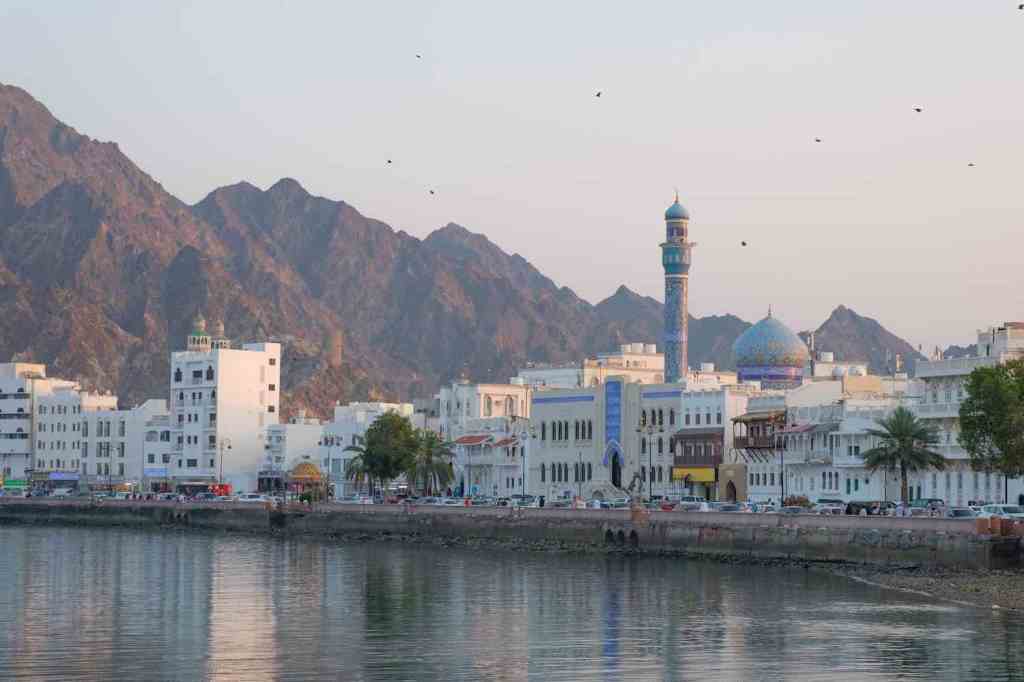
The highlight in the neighborhood was the Mutrah Fort. Additionally, if we had driven further down the road, we would have reached the Al Alam Palace, but we ran out of time.
Muscat Opera
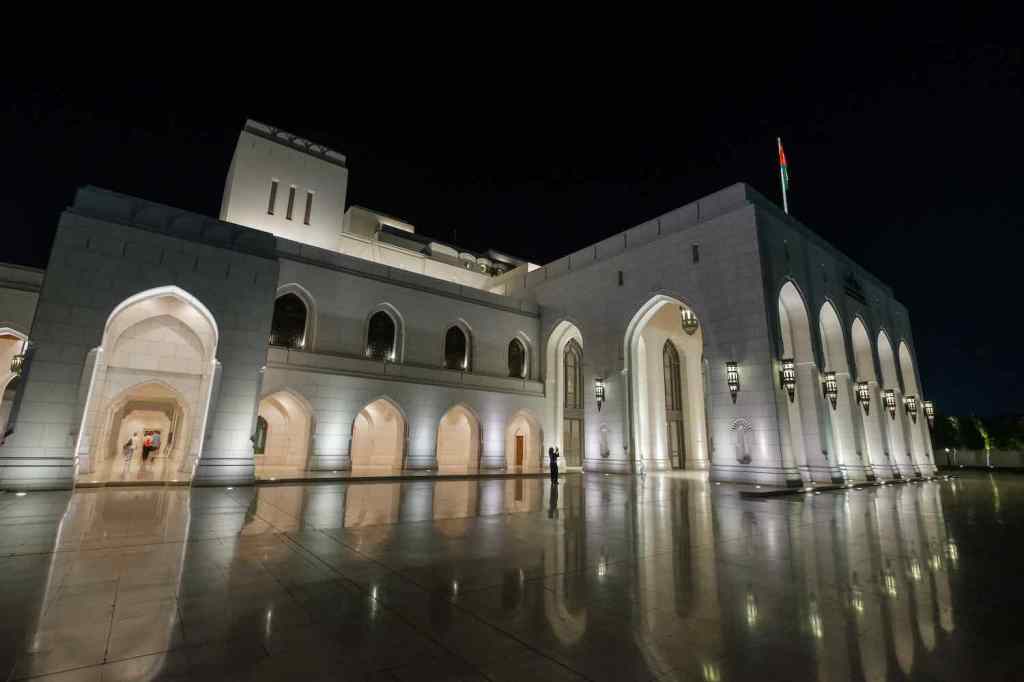
The Muscat Opera is a beautiful building that leaves a special impression, particularly after dark. While the area around the Opera is open to the public, we unfortunately couldn’t enter the building.
Photography spot
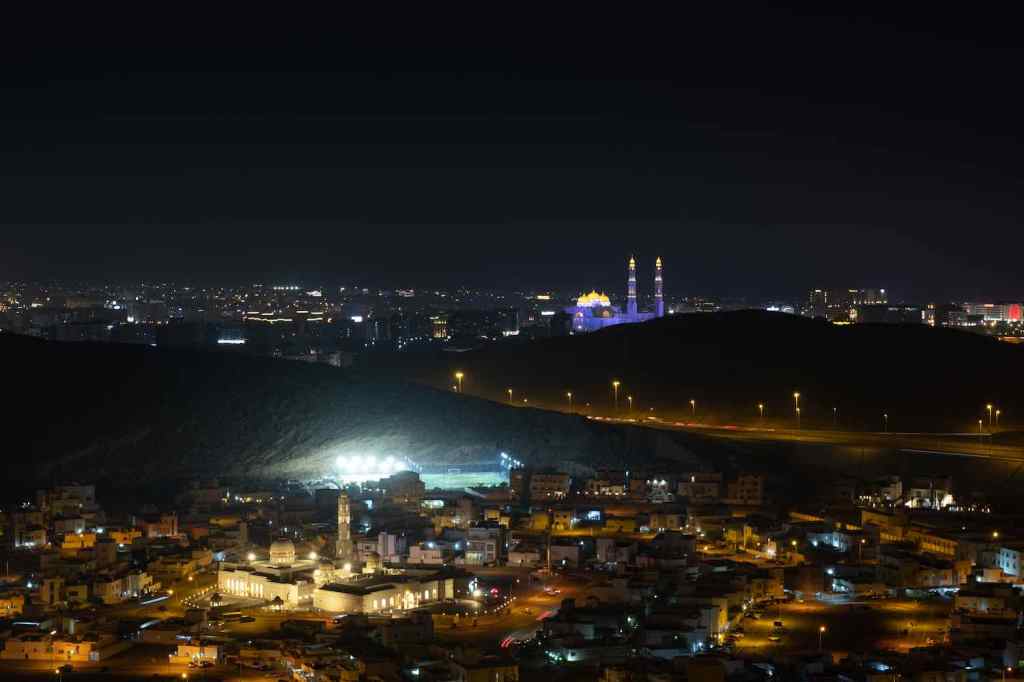
There is a really cool photography spot in the area (you can find it here), but reaching it requires considerable effort. You need to drive along a mountainous road, make a turn, and then stop on the correct side of the road on the way back. It’s approximately a 45-minute drive, and it’s easy to miss the spot, so be cautious and attentive!
Day 9: Driving South of Oman: Quiryat village, Bimmah Sinkhole, Wadi Shab, Ras Al Jinz Turtles reserve
On day 9, we started our day very early as we had a long drive ahead of us. We drove south from Muscat and made several stops along the way. The first stop was Quiryat village, but to our disappointment, there was nothing of interest there. However, the subsequent stops more than made up for it!
Bimmah Sinkhole
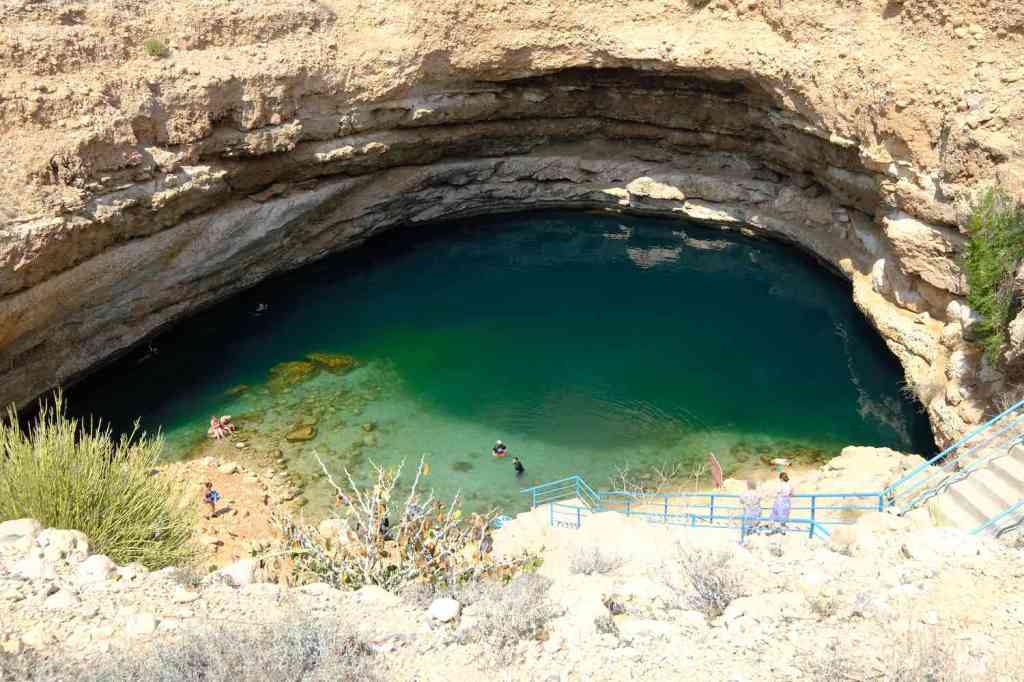
Located approximately 1.5 hours’ drive from Muscat, the Bimmah Sinkhole is a surreal sight amidst the otherwise deserted landscape. You can swim in the small pool, and what’s amusing is that there are tiny fish in the sinkhole that will nibble on your dead skin if you pause for a moment in the water, similar to the fish in a foot massage!
Wadi Shab
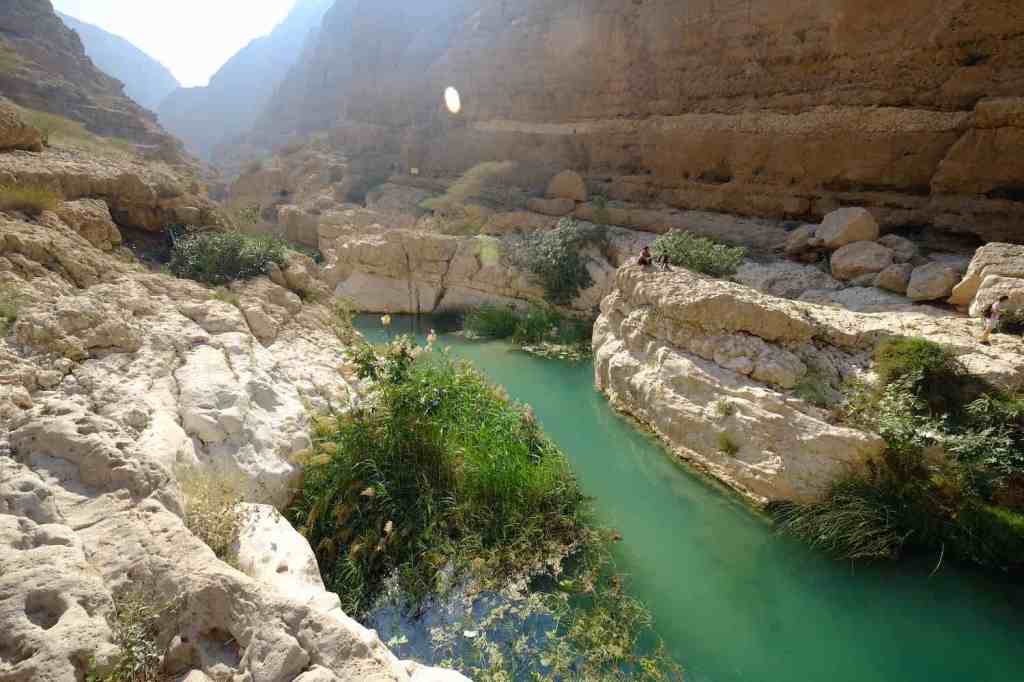
The next stop was Wadi Shab. We parked our car and took a small boat across the river (make sure to have cash for this). We then hiked through the valley with river, reaching pools along the way. You can even go further, but we didn’t have proper water shoes or a dry bag to keep our belongings safe. Nevertheless, we still explored a little bit further through route that required a mix of swimming and walking in the water, although we were disappointed that we couldn’t explore till the end of the route. So make sure to come better prepared than we were!
Ras Al Jinz
At the end of the day, we visited one of the best places in all of Oman—the Turtle Reserve in Ras Al Jinz. They organize night tours to observe Green Sea Turtles laying eggs on the beach and witness the hatching of baby turtles. It’s a truly unique experience and a must-see in Oman!
It’s possible to stay overnight in the reserve itself, but there are also some hotels nearby, although the quality may not be the best. We stayed in Al Hadd, which was a 20-minute drive away from Ras Al Jinz.

Day 10: Wadi Bani Khalid and Wahiba Sands
On day 10 we settled on the way to the Wahiba Sands desert around Bidiyah city. On the way there we stopped for short moment at Wadi Bani Khalid, however we mistaken the length of the drive and couldn’t stay too long at that spot.
Wadi Bani Khalid
Similar to Wadi the day before, this was a valley with river and pools where we could swim. Drive itself was very interesting as you need to cross the mountains and you will have a chance to see different type of Omani landscape.
Wahiba Sands
In comparison to Wadi Rum in Jordan, desert around Bidiyah looks much closer to average imagination of the desert with golden sand and dunes. It’s really cool to visit and we really enjoyed the whole experience, including the Dune bashing in cars around the sunset and nice dinner with other travellers.
There are several camps you can stay, but it really makes sense to find one that is further away from the city. We settled for Oman Desert Private Camp and we were really happy with the choice, so highly recommend! You can drive there yourself (following the guide) if you have 4×4 car or you can arrange pickup from the point closer to the city.

Day 11: Nizwa fort and coming back to Muscat
On day 11, we had a relaxed pace. After returning from the desert, we drove to Nizwa. We visited the Nizwa fort and explored the Souq (marketplace). Later, we made our way back to Muscat, where we enjoyed a delightful dinner at the seaside restaurant Laguna. While we were in the vicinity of Nizwa, we discussed the possibility of visiting the mountains and experiencing the grand canyon of Jebel Shams. However, due to our packed schedule, we couldn’t find the time to include it.
Nizwa fort
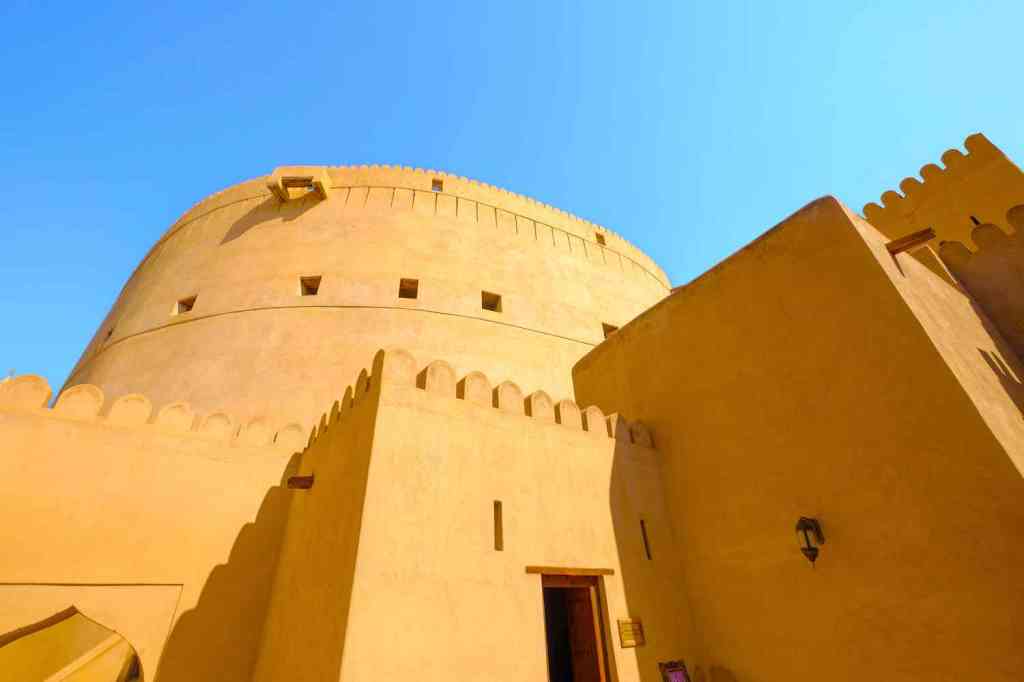
Nizwa Fort holds great significance for the Omani people. It is renowned for its historical resistance against the invading forces of Portugal. The fort is quite different from European castles, and it’s worth a visit. However, I must admit that the importance of this place lies more in its historical context than in the architectural features of the fort itself.
Day 12: Snorkeling at Daymeyan island and flight to Salalah
On day 12, after returning to Muscat, we experienced one of the highlights of our entire trip – snorkeling at Daymeyan Island. It was an incredible experience. Once we returned to the hotel, we spent some time exploring the city. In the evening, we returned the car and took a flight to Salalah, which is located on the opposite side of Oman.
Snorkeling at Daymeyan island
Snorkeling around Daymeyan Island is a hidden gem in Muscat, and we were thrilled to have discovered it. We booked a half-day trip to the island here and it comes highly recommended. During our snorkeling excursion, we had the amazing opportunity to observe an entire family of Green Sea Turtles swimming around us. It was truly a remarkable experience! Afterwards we stayed some time and the beach and could even notice tiny sharks swimming in the bay on the other side of the island!

Day 13: Visiting Salalah region and flying back to Dubai in the evening
On day 13, we had a whirlwind experience in Salalah. Despite spending less than 24 hours in the region, we managed to make the most of our time. We arrived in Salalah at night and embarked on a pre-booked guided tour the next morning. Our guide showed us several incredible places in the region before dropping us off at the airport for our flight back to Dubai.
During the tour, we were truly amazed by the beauty of Salalah. It’s a tropical region with the access to the sea and white sand beaches. The highlight was undoubtedly Wadi Darbat, known for its famous “camels in the water.” We had seen captivating photos of this spot on Google Maps, which is the thing that inspired us to book a one-day trip to Salalah. However, upon arrival, we discovered that Salalah is even more breathtaking during the summer due to the monsoon rains, which transform the desert into a lush green paradise, so for sure one day we will be back to see that season!
Here are some of the memorable highlights from our guided tour:
Baobab & desert trees
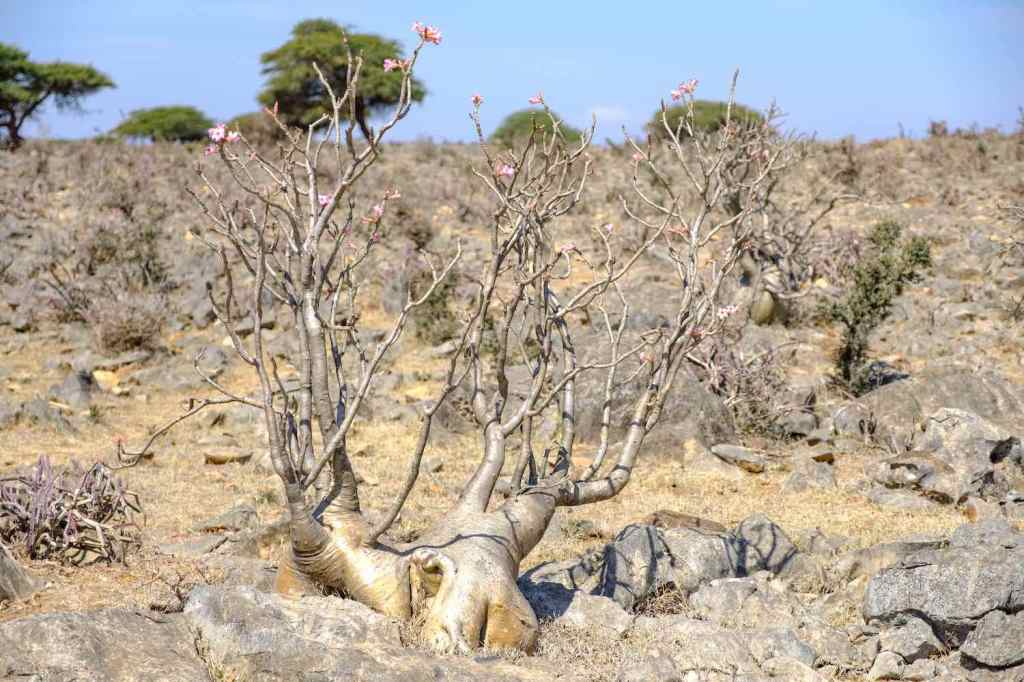
Despite the predominantly desert landscape, there are several areas in the region where you can find baobab trees and other desert vegetation. These unique trees give the place an otherworldly appearance.
Jabal Samhan
Jabal Samhan is the highest peak in the region, offering a mesmerizing view of the plains below. It feels as though you’re taking a picture from an airplane window.

Wadi Darbat
Wadi Darbat is the main attraction of the region, known for the “camels in the water.” However, it is not just the camels that make this place special. The wadi itself is a beautiful oasis with turquoise waters and lush green plants, creating a stark contrast to the surrounding desert landscape.

Day 14: Abu Dhabi day trip from Dubai
On our last day, we took a day trip from Dubai to Abu Dhabi. Fortunately, we had a friend who had recently moved to Abu Dhabi from Amsterdam, and he graciously showed us around and drove us between the different attractions. Thanks to him, we were able to see all the important spots in a reasonable amount of time.
There is a convenient bus connection between Dubai and Abu Dhabi, with buses departing every half an hour. We simply went to the bus station and used our regular transportation card to board the bus.
Abu Dhabi Louvre
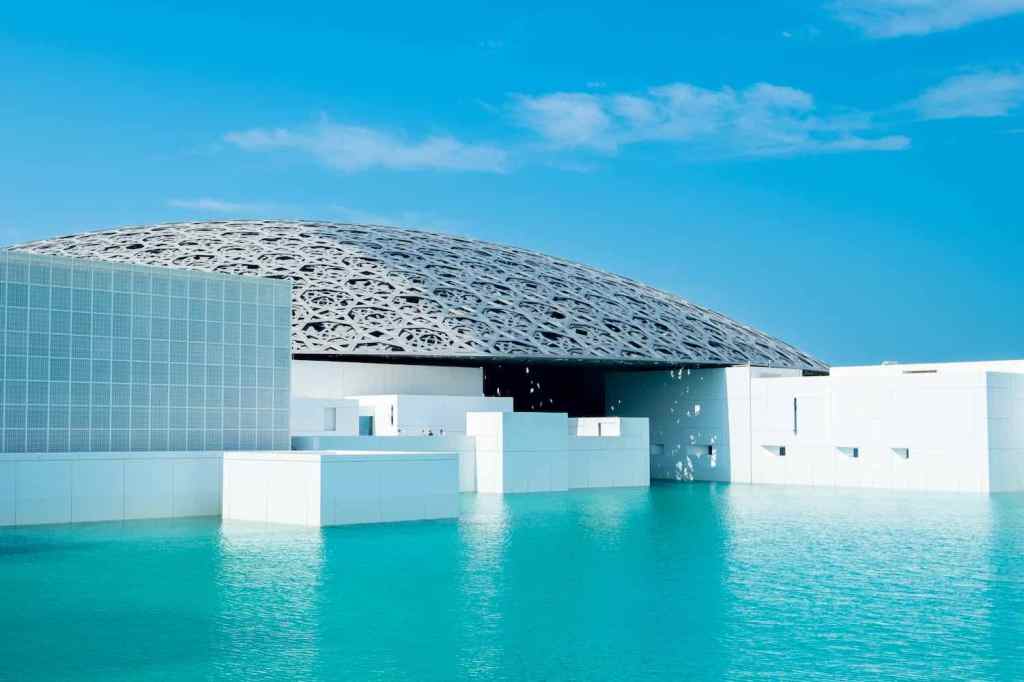
Initially, we had reservations about the Abu Dhabi version of the Louvre, thinking it might be a replica of the original. However, we were pleasantly surprised. The building itself is a masterpiece of architecture, one of the best-designed structures we have ever seen. The exhibition, while not featuring the most famous artworks, is thoughtfully curated around the theme of civilizations. As you walk through the rooms, you unravel the story of civilizations in a coherent and engaging manner, which is a big plus in comparison to typical museums.
Observation Deck at 300
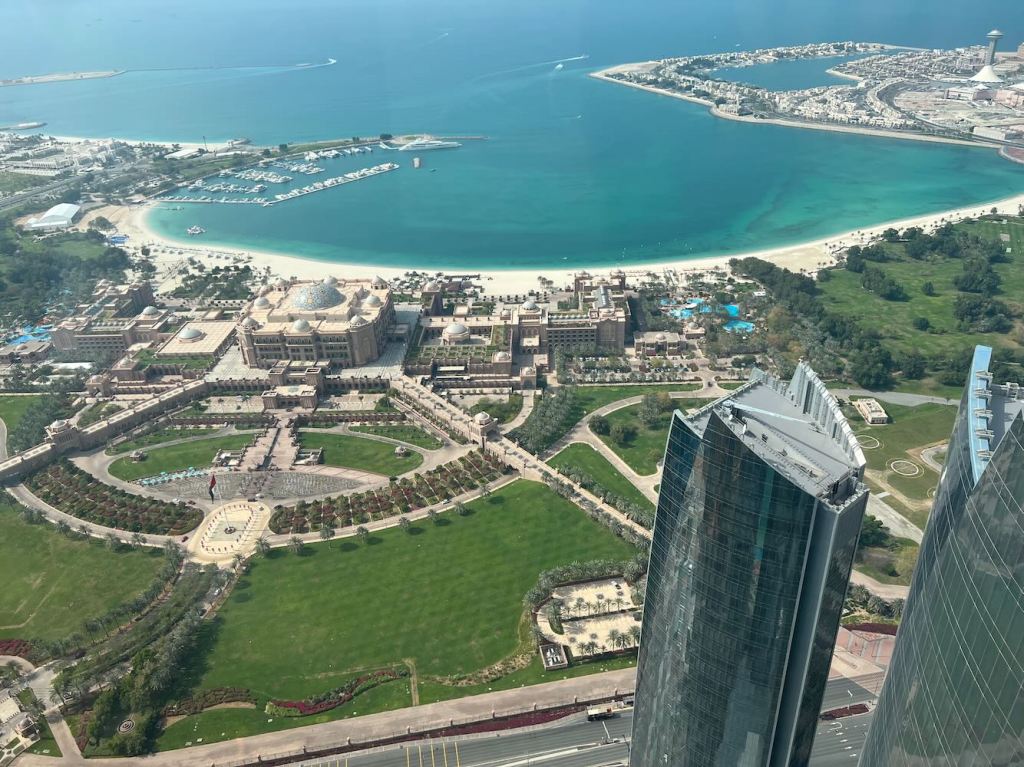
For the best panoramic view of Abu Dhabi, we visited the Observation Deck at 300. Upon entry, you have the option of purchasing a ticket only or ordering above a certain amount in the restaurant located at the top. We found that the latter option offered a more reasonable choice.
Emirates Palace
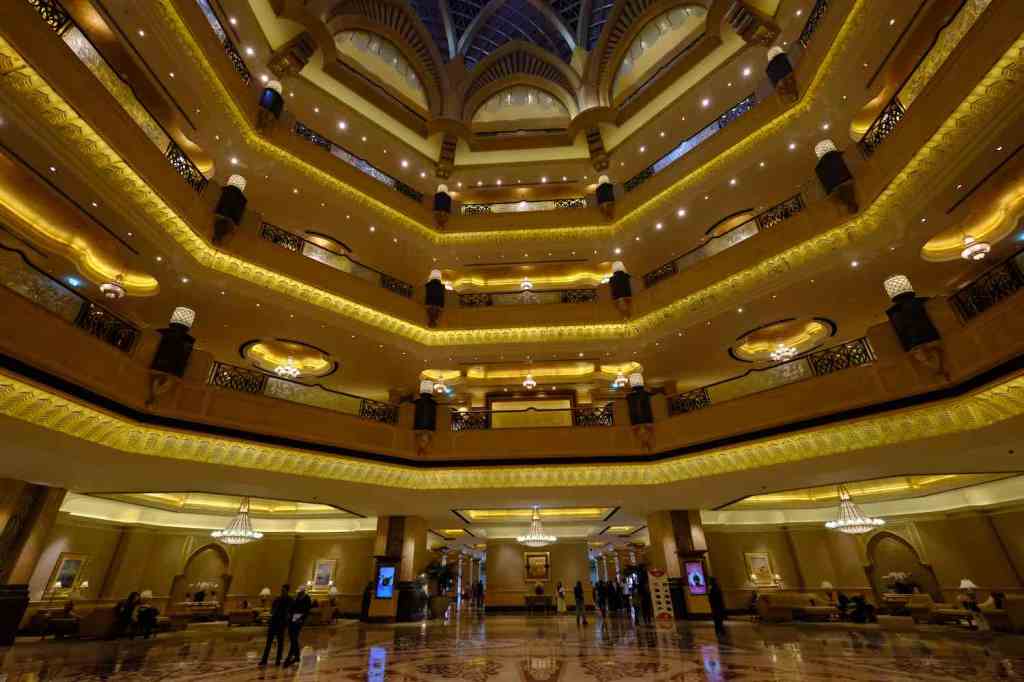
The Emirates Palace is an iconic hotel in Abu Dhabi and an architectural landmark similar to the Burj Khalifa. While it may not be as tall, its horizontal design is impressive. Visitors are welcome to enter the hotel and explore both the interior and exterior at no cost.
Corniche Beach
For a stunning view of the Abu Dhabi skyline and an opportunity to capture that iconic photo, we headed to Corniche Beach. The beach offers a fantastic vantage point to admire the skyscrapers and enjoy the beautiful surroundings.

Sheikh Zayed Grand Mosque
The Sheikh Zayed Grand Mosque is an architectural marvel. Its grandeur and the extensive use of white marble showcase the wealth and power of Abu Dhabi. It is an awe-inspiring place and an absolute must-visit attraction in Abu Dhabi.
Day 15: Flight back to Europe
These two weeks had been incredibly intense, filled with moving between amazing sights and experiences. While I was glad to return to Amsterdam and have some time to relax, I couldn’t help but be impressed by everything I had seen in the Middle East.
The contrast between the modern and affluent Dubai, the rich history of Jordan, and the stunning natural landscapes of Oman left a lasting impression on me. These destinations still seem relatively undiscovered by European tourists, making them even more special. Particularly in the case of Oman, I have a feeling that it will become increasingly popular in the near future. So, I would highly recommend visiting these destinations before they become overcrowded with tourists!
 Ultimate Traveler