As the next destination we have chosen country that was so different from everything we knew that it could be easily treated as a different planet. I think I have never asked myself “why?” so many times during one trip as during our travel throughout Japan.
Below you can find list of the best destinations in Japan and itinerary that shows how to visit them in the ultimate manner! If you need more details on when to go, how to move around or what are the prices – visit this page: How to travel around Japan
Why you should go to Japan?
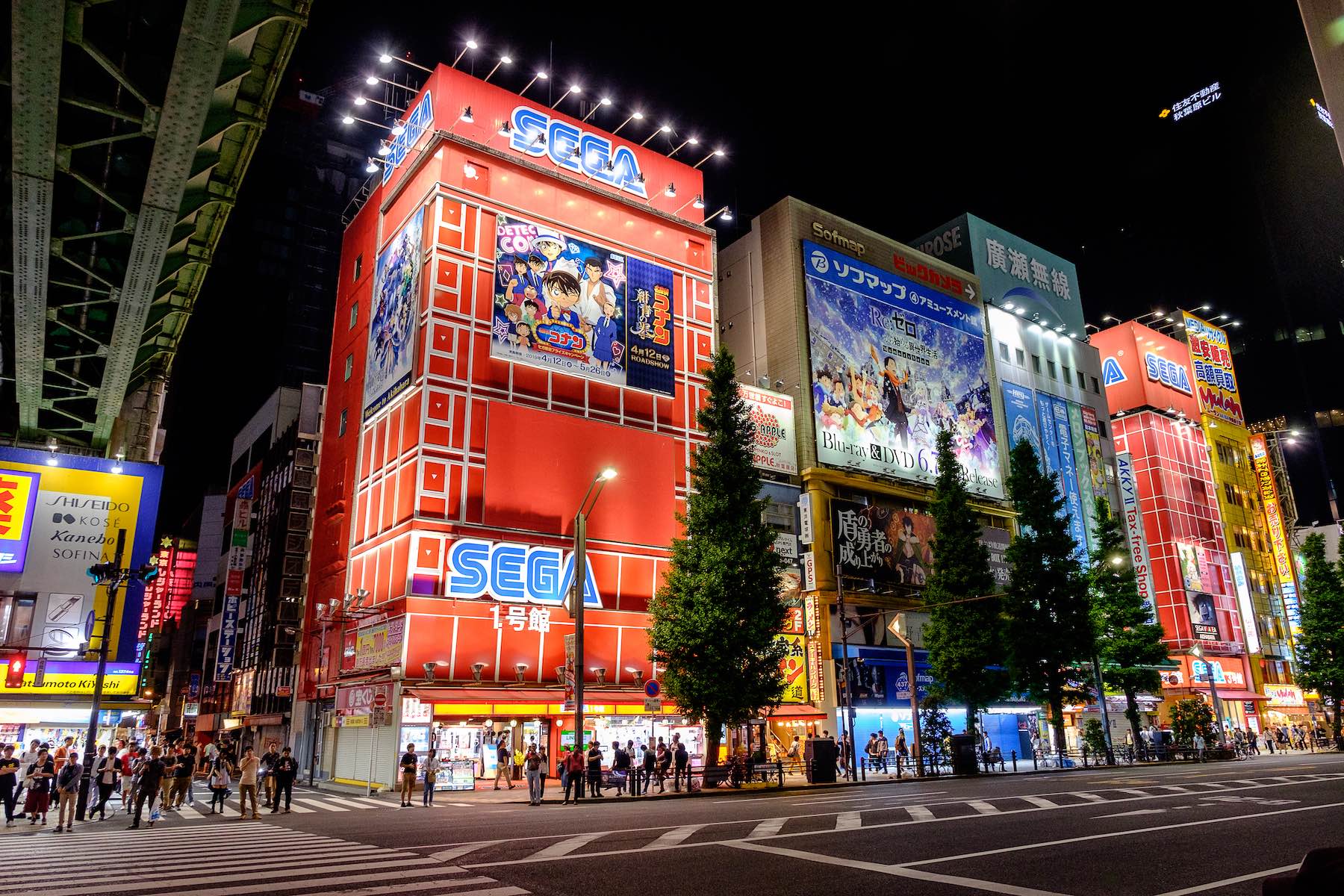
As I mentioned above – Japan is completely different than any country you have visited before. If you have ever dreamt about visiting different planet, here is your chance. Pillows with imaginary girlfriends, incredible sushi, districts full of SEGA gaming centres, mind-blowing punctuality, culture of cuteness blended with aggressive past are things we all heard about. But hearing and experiencing are two different stories.
Additional thing that makes Japan worth visiting is the discrepancy between expectations and reality. When we were going there, we were thinking that we will see a lot of advanced technology (we even hoped for flying cars in Tokyo) and ultra modern buildings. But except of some areas in Tokyo, we saw country that had the highest economic growth in 80’s and since that time not so much changed. It felt really stuck in that decade. Buildings are well maintained, but they have this typical 80’s architecture that nowadays is absolutely not modern. You can’t easily pay with the credit card. Cars on the streets have 80’s aesthetics. Etc, etc. This discrepancy between expectations and reality was one of the most interesting learnings during the trip.
Even tough trip was really nice, I must admit that one thing really bothered me during the travel. Due to language barrier and culture difference people will not interact with you too often. You may feel like seeing this country from behind the glass – you can observe, but you can’t really “touch” it. Because of this I find Japan nice desstiation, but if I would have to choose, it would not be my best trip – if the above things are important for you, then there are better destinations. For example USA, where everyone wants to chat with you.
On the side note – Japan is very easy for travelling. It’s very safe, super clean, people are nice and try to help you. So if you are afraid to go to more “risky” destinations or you have small children – Japan will be the perfect place for you.
Top things in Japan
- Akihabara in Tokyo. The first time we have seen this district, it didn’t make impression. But it turned out that this was because we went there on Sunday night, when most of the people went home already. During second visit at the end of the trip we got much more impressed. This district is full of neons, shops with electronics and people spending time in the video games centres. For us especially interesting were two spots – owl cafe where you could drink coffee while sitting next to real owls and maid cafe, which was probably the weirdest place I have ever been to. It’s part of Kawaii culture (cuteness). More details on both spots below!
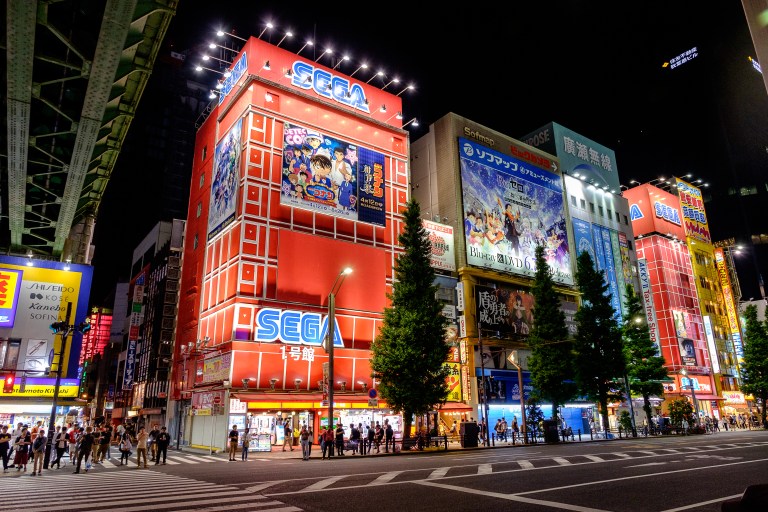
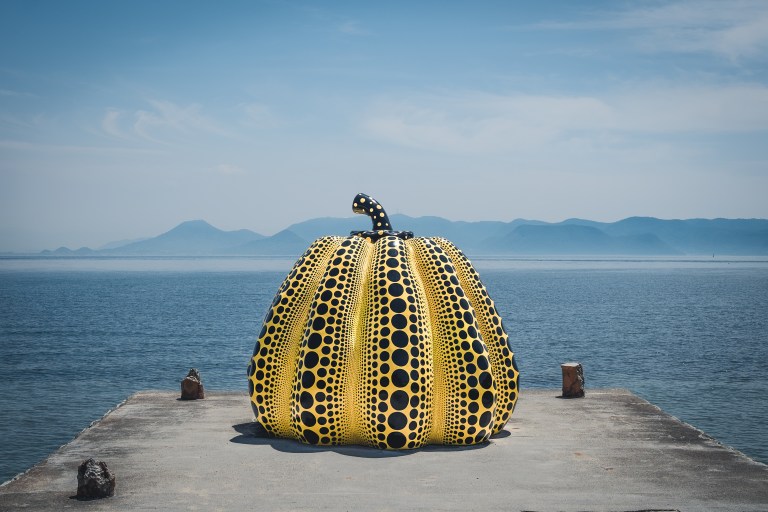
- Naoshima. One of the small islands that had been getting depopulated quickly in the past. Until the moment CEO of Benese Corporation (company oriented towards Education) decided around 1985 to transform the whole island into one big art project. Nowadays you can take bikes and go around the island and enjoy modern art at your own pace. There are single installations, houses changed into art experience up and also big modern art museums. I guess the most famous installation is the Yellow Pumpkin created by Yayoi Kusama.
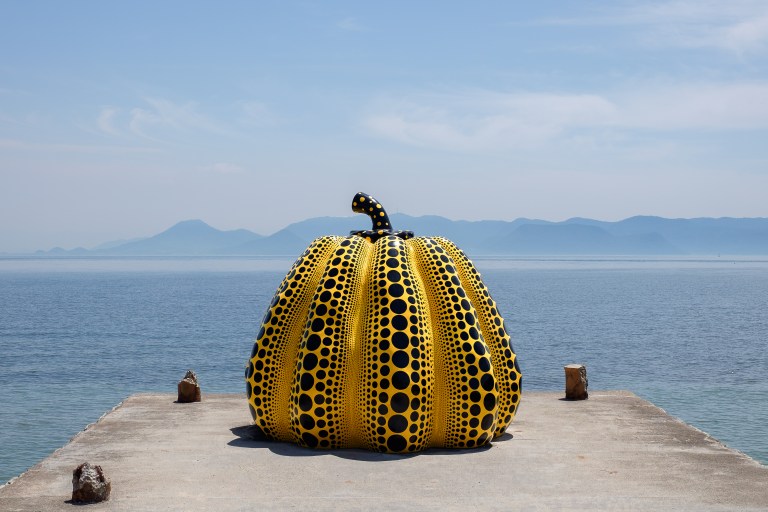
- Hiroshima. Tragic history that needs to be remembered. I think we all know about what happened in Hiroshima. But the museum about Atomic Bomb shows this history from perspective of everyday people. It’s much more impactful than what we learn during history classes at school. Especially when you realise how many people died not in the direct bombing, but because they rushed to the city to help others, but the city was still full of radiation… It’s must see experience when you are in Japan.
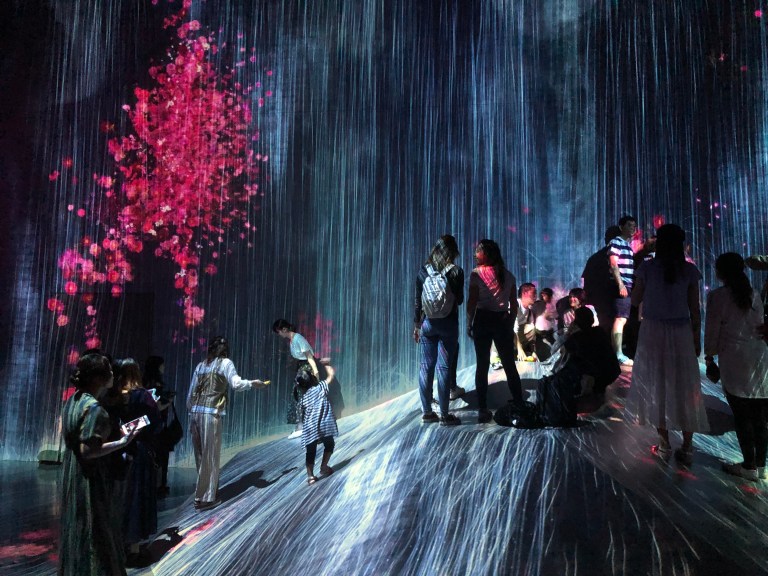
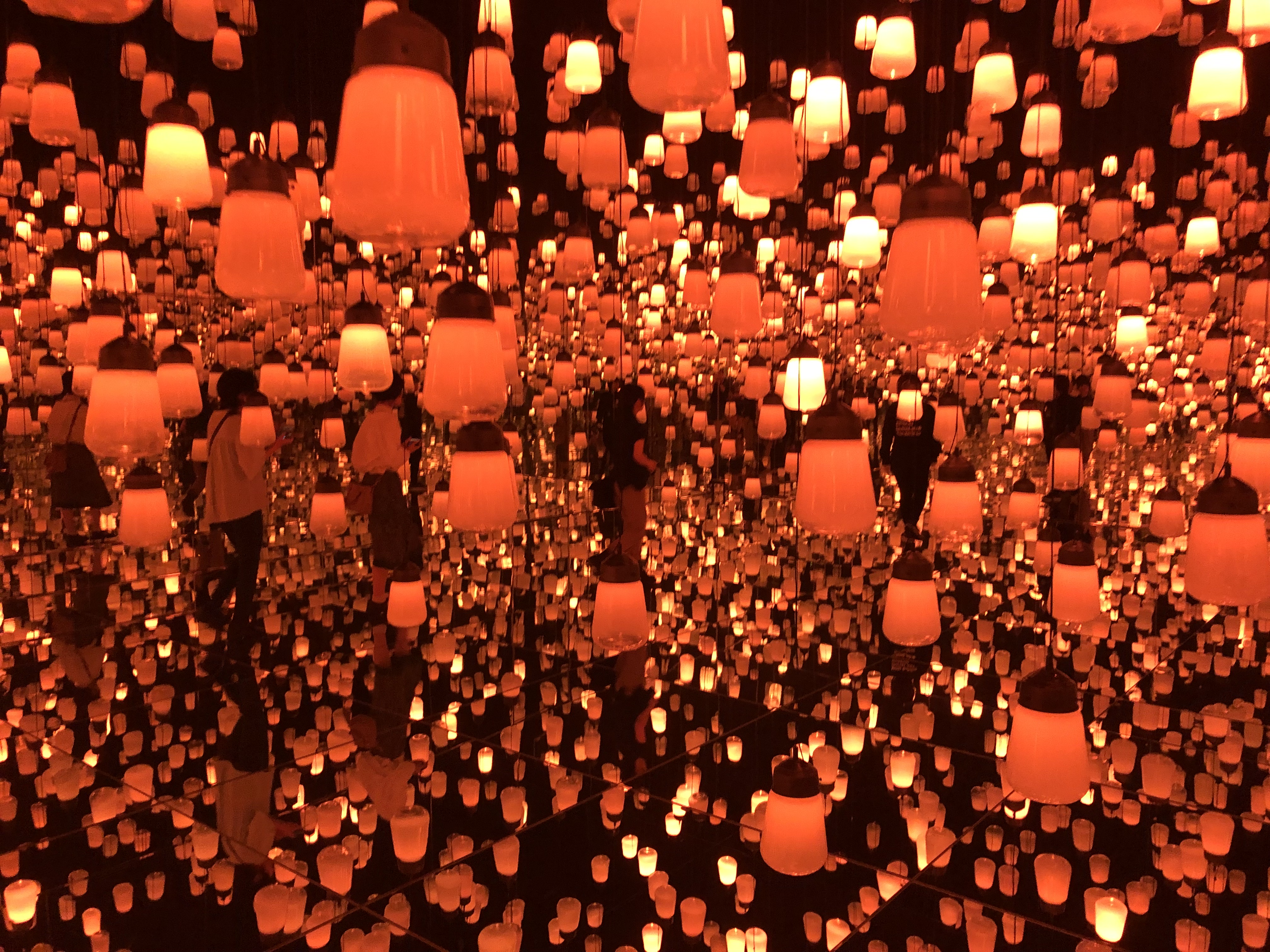
- Museum of digital arts in Tokyo. It’s hard to describe this with words, but it was one of the things that I never heard of before, but made really magical impressions. For around 3 hours we were walking between rooms where music, light and projections on the wall were creating absolutely amazing experience. It’s impossible to show on the photos or videos, but it is something that must be visited! I enjoyed a lot music that was played there and if after visiting the spot you would like to listen to it, you can check it out here. You can also check official promotional video of this place to get the taste of what it is: LINK.
Best things to eat
We all know that Japan is absolutely famous for their food. But you need to know what is the best!
- Sushi. I am not going to write too much about it – it’s the obvious one. However, be aware that sushi in Japan is something different than sushi in Europe! Especially fishes can be very different… But still very tasty (with some exceptions).

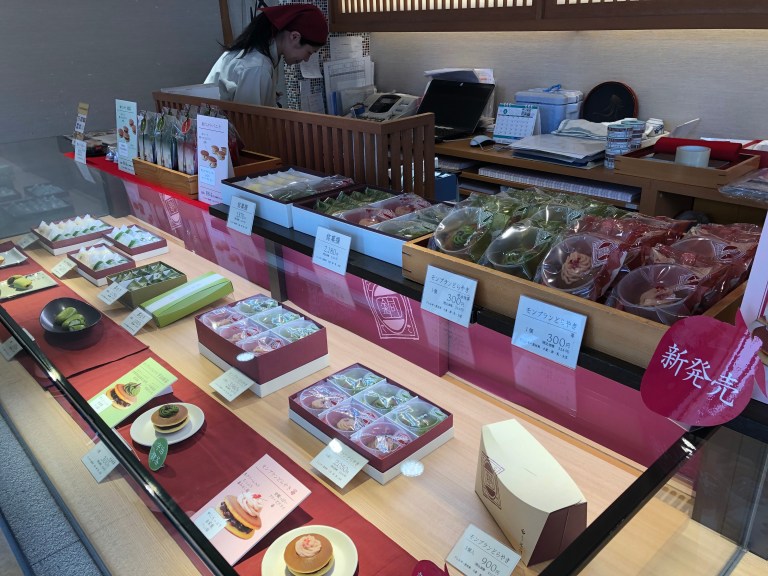
- Sweets. I didn’t know about this before, but Japanese sweets are of the highest regard in other Asian countries. Every spot with sweets look like an art gallery! And often in the touristic spots you will find no souvenirs, but crazy amount of local sweets to bring home. I brought full bag of sweets back to Europe! The most amazing ones are Tokyo bananas (biscuit with banana cream), Pokies (sticks with chocolate of various tastes at the top), Kitkat with exotic flavours (matcha and banana are the best!) and 白い恋人 (blue mountain box) – my absolute favourite white choclate with biscuit! You can easily buy all of these at the airport on the way back!
- Japanese curry. Very tasty, very filling (especially with rice). Worth trying at least one during the trip!
- Kobe beef. Very expensive (around 150 EUR for steak with limited amount of steaks in the restaurant per day) beef made out of cows that are taken care in an incredible way. They are being massaged, they listen to classical music, etc. But to be honest – it was very tasty dish, but not worth the difference of price from normal Wagyu beef, which is also very good and much cheaper. Remember to check in the restaurant if they have proper stickers with certifications that the meat you ate was real Kobe beef!
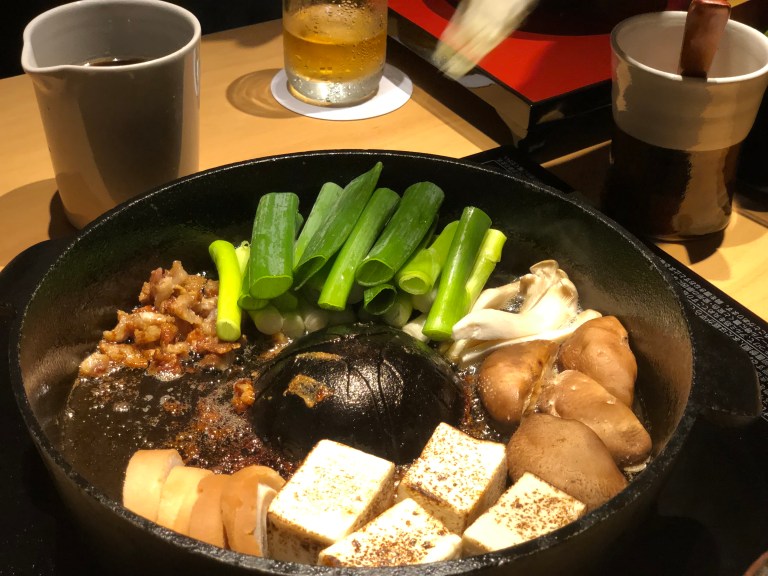
- Tsukijaki (hot-pot). You put pot in the middle of the table with boiling water and special set of spices in liquid form. You can order different types of food separately and then you put it on your own inside the pot to boil. Really nice to dine with your friends and if you go for Tsukijaki type – really tasty!
- Food from 7-eleven. It’s one of the biggest convenience shops chain in Japan. In any other countries you would expect that in such place food will be awful. But food from 7-eleven is absolutely amazing. It’s at the class that you could claim that some restaurants in Europe serve worse food. Especially tuna mayo onigiri is life-changing experience!
- Ramen. You can eat quite a good ramen in Europe. But in Japan almost every Ramen is amazing. Especially if you are in Tokyo, then you may find a lot of the small restaurants that serve only ramen and have only person in stuff. To optimise time you have to order food in the ticket machine. Not easy if you don’t speak Japanese, but worth effort!
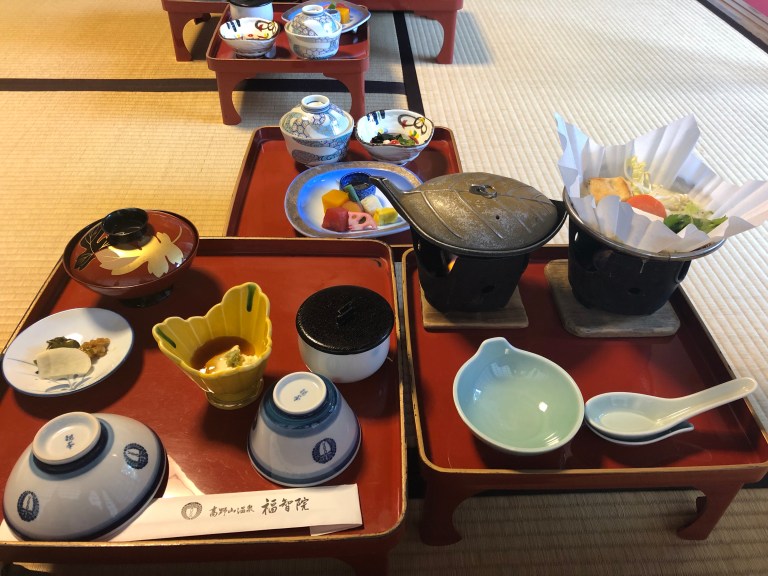
- Ryokan cuisine. Ryokans are traditional Japanese places where you stay for a night in a typical room with tatami. But you can also order a dinner. And it’s absolutely fabulous one! I can’t even name food that was in our dinner. I just know it was very tasty and full of different weird ingredients!
Weird things you will spot in Japan
Japan is a different planet. That means you will discover a lot of weird things there. Below there is a list of my top ones, so that you are at least partially ready for this experience.
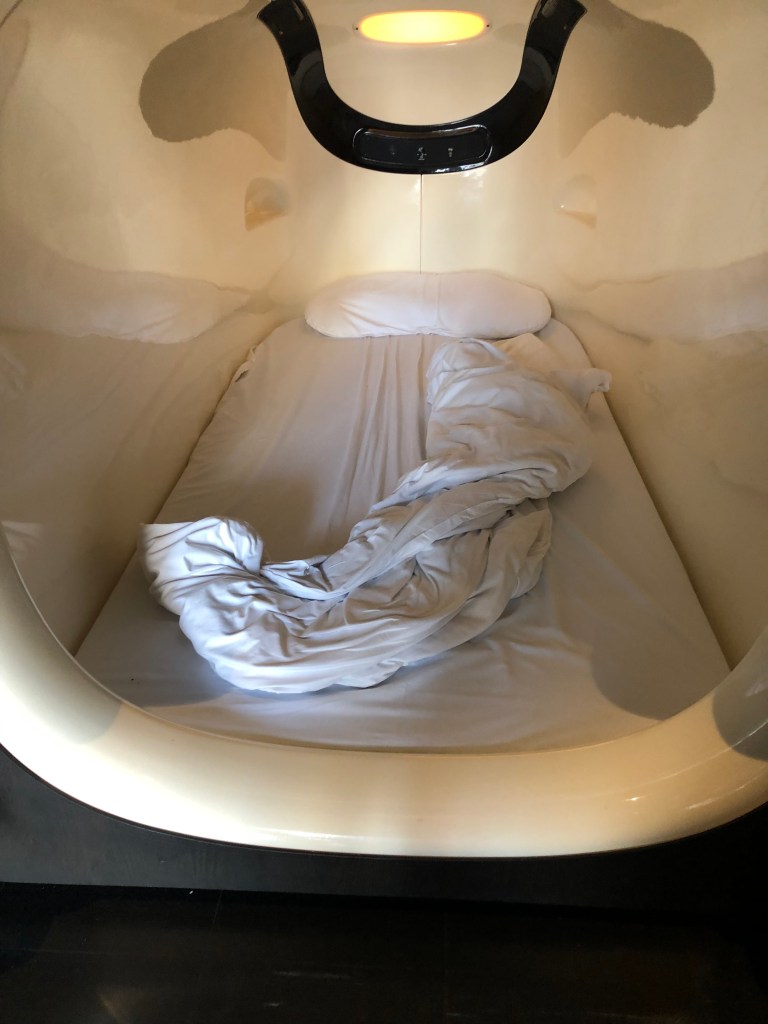
- Capsule hotels. It sounds crazy at the beginning, but in reality it’s quite a nice idea. I was sure there is not a lot of space in the capsule, but surprisingly it was quite comfortable – I could easily sit in them, there was air conditioning and even TV. Bearing in mind the cheap cost, in my opinion it’s really nice alternative for European dormitories in hostel – you will not meet in people, but you will have much more privacy and comfort…
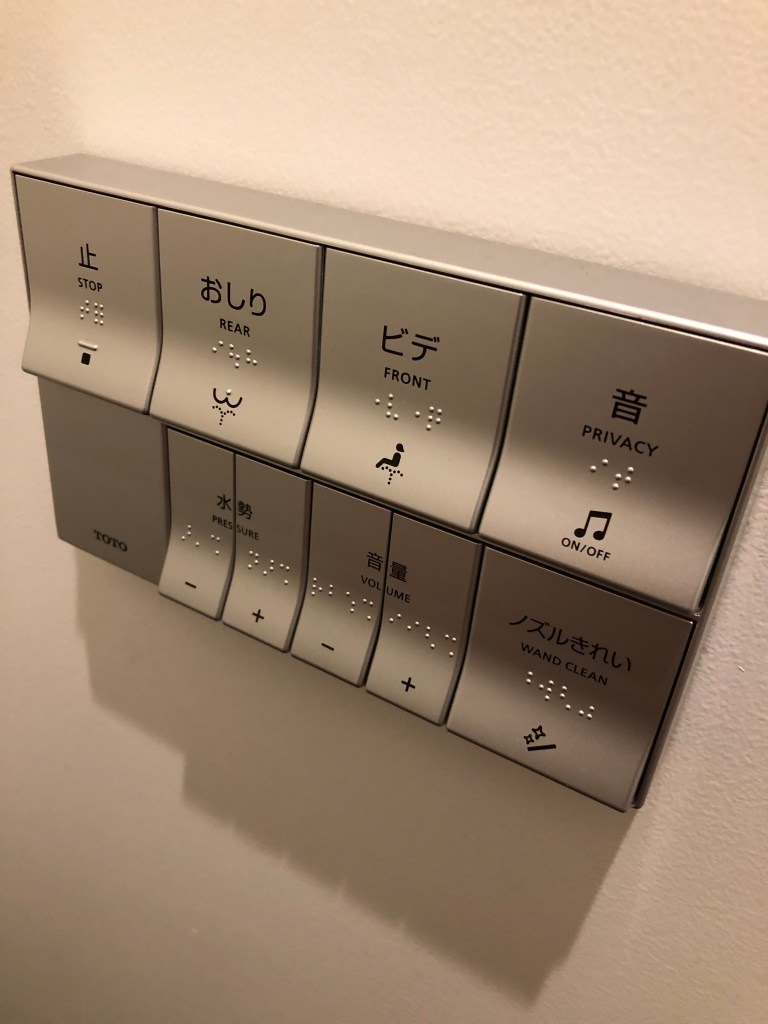
- Toilets. Just check out the photo with control panel of one of the toilets…
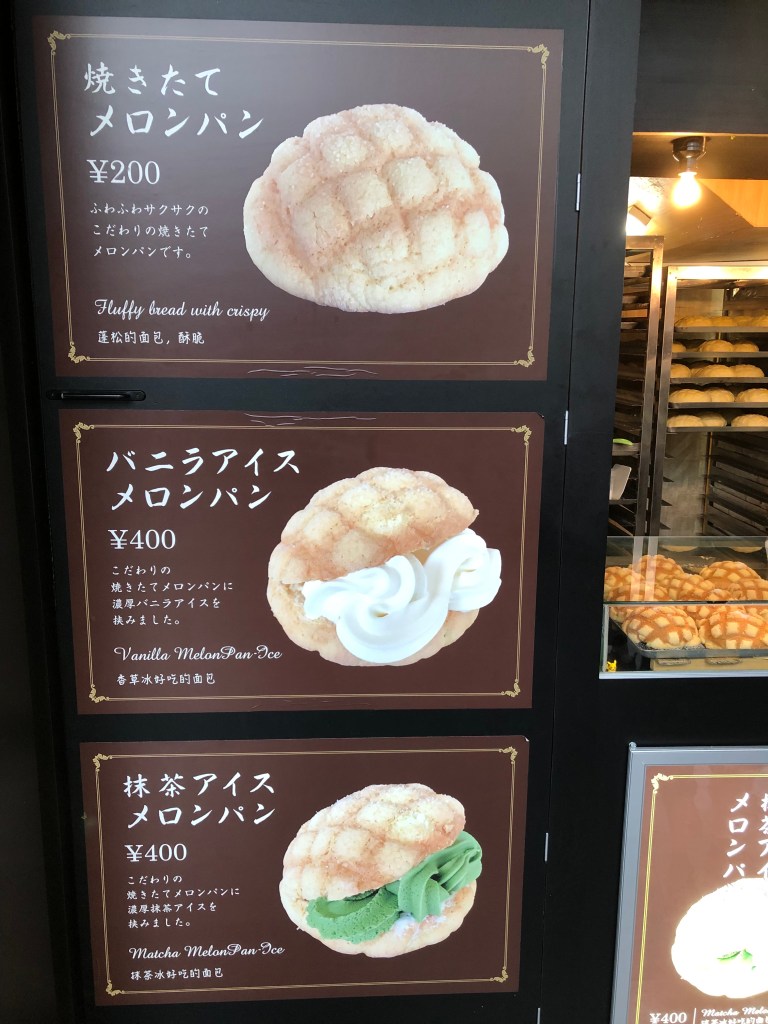
- Bread with ice cream. Surprisingly, quite tasty.
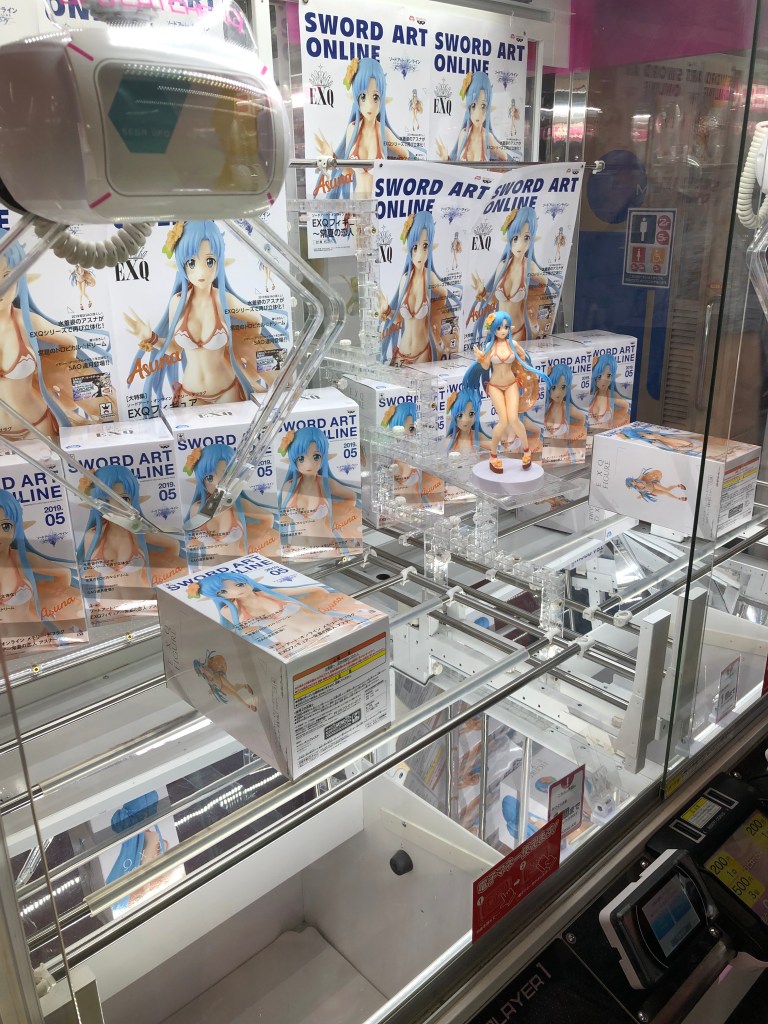
- Kawaii culture and Maid cafes. You would think that grownup guys should not like Pokemons, they would prefer real girls over plastic figures and hello kitty would be no go for them. If you agree with this, just go to Japan to change your mind…
- Perfect organisation and punctuality. Trains are leaving exactatly at the time they should. Not really surprising. Unless you realise that this is a case for almost every train and it’s sharp to the level of seconds. Other thing that shows level of organisation – if you go to the metro you will see that everyone stands in a line. We try to do it in Europe, but somehow doesn’t work as perfectly as in Japan 🙂

- Animal cafes. It started with cats, but now you have much more – owls, hedgehogs, dragons. The main concept is that you can go to the cafe and interact with the animals there. I can somehow understand cat ones (even tough I don’t think it’s good for cats). But other ones are just too much in my opinion…

- Green peas. In Europe when you hear Green Peas building you think about climate changes and animal protection. Well, that’s not the case in Japan as you can see on the picture below.
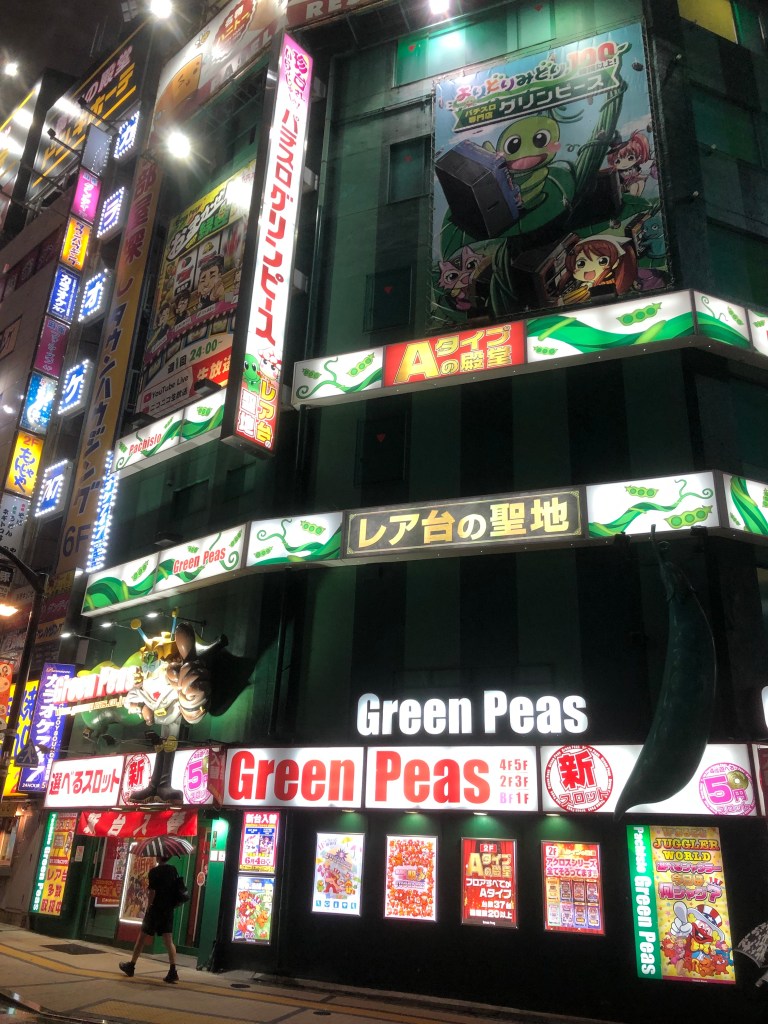
- Lack of trash bins and no trash on the streets. You will notice it yourself once you will be there – in Japan there are hardly any trash bins on the streets. So you have to walk with your trash sometimes for kilometres. In the other countries it would lead to people dropping trash everywhere. But not in Japan – there the streets are completely clean. I still have not idea how it’s happening… I guess it’s connected with the fact Japanese people obey the rules completely.
Few interesting information about Japan
Of course you could read the whole book about history of Japan, but just to give you some background, I’m making a short summary below. In the old days Japan had very feudal society and throughout the history there were many conflicts between different feudal lords. This stopped during Edo era, when very strict control on the society was imposed – if you think about it, these are the roots of today obedience and organisation of Japanese people. From this time there are coming Shoguns (military leaders governing country instead of emperor), Daimyos (regional leaders who overtook power from Shoguns) and Samurais (upper class of warriors with very strict conduct code). At the same time Japan closed for the world and the only nation that was really trading with them were Dutches. In XIX century, USA was trying to increase their trading network and forced (through war) Japan to open for the trade. It was alarm bell which woke up rulers of Japan. They imposed series of very strong reforms, which led to complete modernisation of Japan and opening to the world. Thanks to this changes Japan not only avoided colonisation, but was also able to participate in the world politics on the almost equal terms with the Western powers. During this period they conquered big part of Asia and were perceived as a very aggressive empire – crimes committed by Japanese in Manchuria (Chinese region) are up until today something that cast very dark shadow on relations between Japan and China.
Japan entered Second World War as an ally of Germany and started the battle for Pacific by attacking US at Pearl Harbor. It was really bad move as US turned out to have much more resources and stronger economy, so over time managed to win battle between fleets (with famous battle of Midway – the biggest battle with use of aircraft carriers) and soon after started invasion to the land of Japan. As the progress was going slowly and Japanese soldiers were fighting craizly devoted to the cause, US president decided to force Japan to surrender by throwing Atomic bombs on Hiroshima and Nagasaki. After surrender Japan became close ally of US (or almost satellite state) and both countries stay close up until today.
Japan is well developed country, however last decades are not showing any economic progress – everything seems to be stagnated and no one seems to know what to do with it. And nowadays new threat appears – China. Both countries have very painful history of relations, but nowadays they are very important economic partners. So in the conflict between US and China, Japan has to choose side – traditional ally or country that is the source of money and has army much closer Japan than US…
Itinerary
Going around Japan is relatively easy as trains are reaching almost every part of the country. It’s easy to navigate with Google Maps, but remember to buy JR pass to avoid costs!
- Day 0: Flight to Japan
- Day 1: Tokyo (Tokyo tower)
- Day 2: Kyoto (Arashiyama’s Bamboo Grove, Kiyomizu-dera, Gion district)
- Day 3: Kyoto (FushimiInari-Taisha, Golden pavillon – Kinkaku-ji)
- Day 4: Nara (Todai-ji Temple & Great Buddha – Daibutsu, Deer Feeding) & Kyoto (tea ceremony)
- Day 5: Koya-san (Okunoin cemetery, Torodo Hall, Daimon Gate, sleeping in the temple)
- Day 6: Himeji (castle), Naoshima
- Day 7: Naoshima (pumpkins, Chichu art museum, outdoor installations, art houses), Hiroshima
- Day 8: Hiroshima (floating tori at Miyajima, Daisho-in, Peace Memorial Park)
- Day 9: Kanazawa (Kenroku-en garden, Higashi Chaya district, Omicho market)
- Day 10: Kanazawa (21st Century Museum of Contemporary Art), Ogimachi
- Day 11: Ogimachi, Shin Hotaka Ropeway, Kamikochi, Matsumoto
- Day 12: Matsumoto (castle), Kawaguchio
- Day 13: Climbing Fuji mountain
- Day 14: Kawaguchio (5 lakes district – bike ride), Tokyo
- Day 15, 16: Tokyo (Shibuya crossing, Ahikibara, Shinjuku, Digital arts museum), Flight back
Day 1 – Tokyo
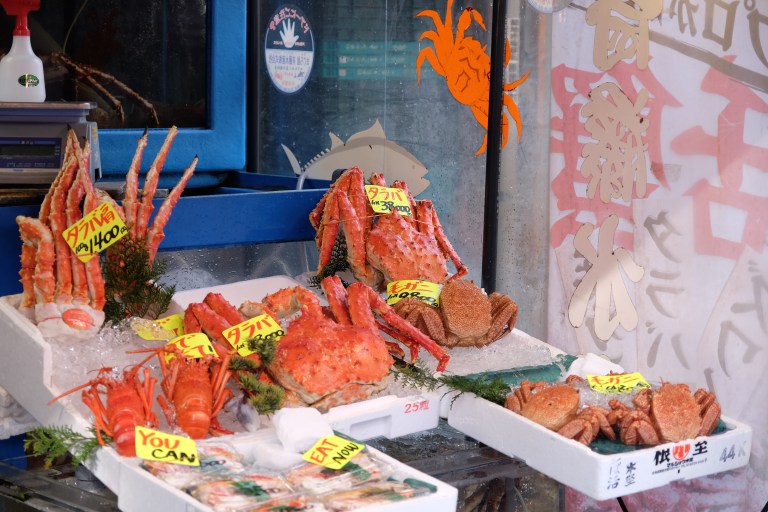
Tsukiji fish market
Super famous fish market. There are 2 parts of the market – retail one and the wholesale one. The first one is in the place as it always used to be, the second one was moved to a new place – now it’s much more organised, but apparently lost it soul. If you have time I guess it’s still worth going there for the famous tuna auctions in the morning. We checked only the retail market, but it was mostly closed on Sunday afternoon.
Water Bus
Water bus is a nice way of transportation that allows you to see Tokyo from the water, so it’s pretty cool for sightseeing. You can find more details on how to organise it here. It doesn’t seem like a very popular way of transportation for local people, but still stops are present throughout the city.

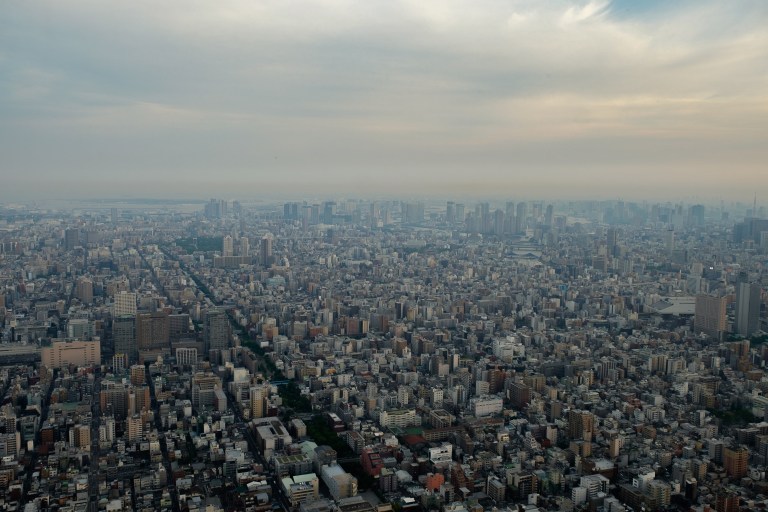
Tokyo Skytree
After the boat we have decided to go to the top floor of the Tokyo Skytree. There are 2 super tall buildings in Tokyo – Tokyo Tower and Skytree. In general there is not much difference between them and I heard that there is no point in going to both of them. So just choose one that is more convenient. You don’t need to buy tickets upfront and at the spot check the length of the line – most probably you don’t need priority ticket so it’s pointless to spend money on it.
Akihabara
Famous district where all the Kawaii culture has its home. Unfortunately Sunday evening is not the best moment to visit as there is barely anyone there. We came back during second stay in Tokyo and it was completely different experience!
Day 2 – Kyoto
In the morning we took train to move to Kyoto. It was a fast and easy ride and after arrival and finding our hostel we started exploring one of the most famous cities of Japan (and the old capital). It had completely different vibe than Tokyo – smaller, less modern, more traditional. There are a lot of interesting spots around and you can easily spend few days here.
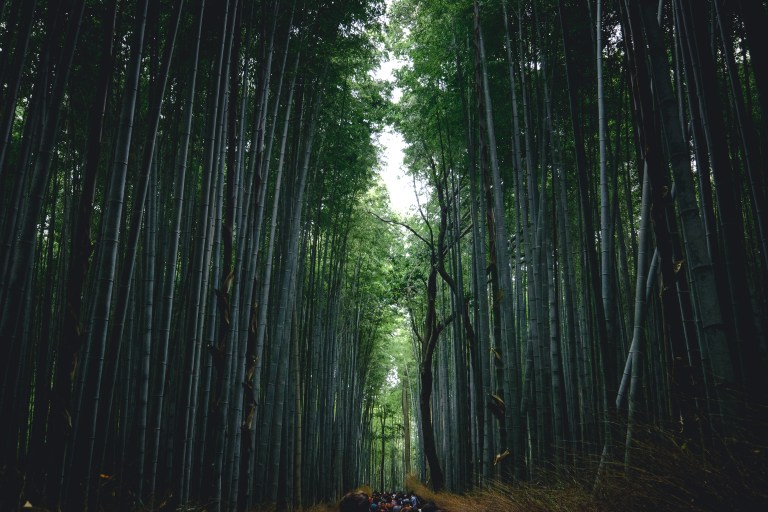
Arashiyama’s Bamboo Grove
Famous bamboo grove – bamboos grow really high so it seems like you are in the forest. It’s quite impressive, but disappointing at the same time – it’s really hard to find this spot and you can only walk on the dedicated path – you can’t really go in between bamboos. The next day we saw smaller bamboo grove, but much nicer – without people so we could easily take photos of it.
Gion district
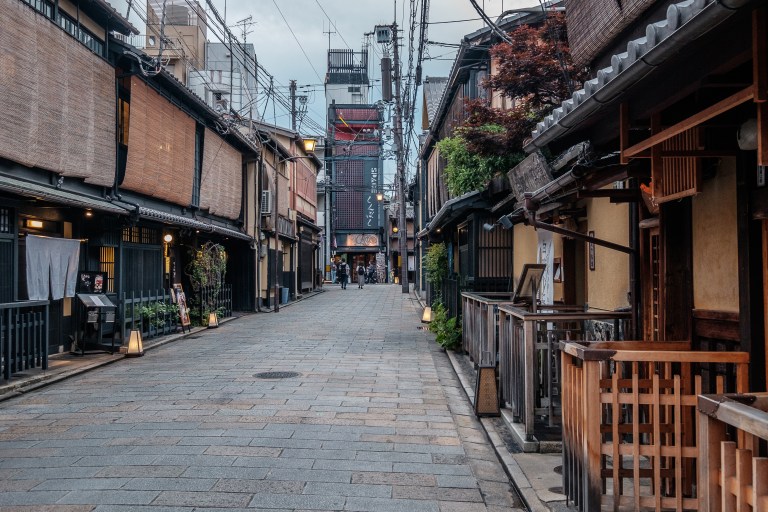
Geisha district that is the heart of Kyoto and must-see spot! Beautifully maintained wooden buildings make you feel like you travelled in time. We took walking tour there – it wasn’t the best one I had, but still it was interesting to learn something about that place. The main point is that Geishas are not prostitute – they are highly educated women with a lot of talents in arts who are paid to entertain and make company for higher class Japanese man. And before you even think about seeing their performance live – not being referred member of the gentleman club you cannot enter to tea house to see Geisha.
Day 3 – Kyoto
Fushimi Inari-Taisha
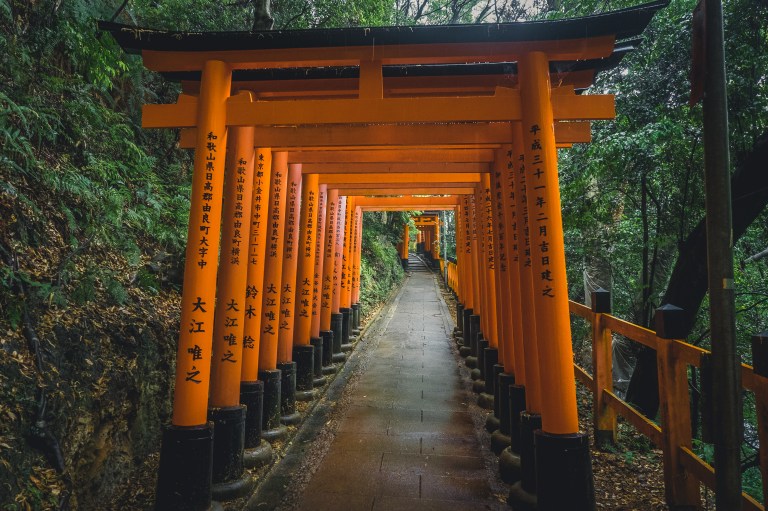
Shinto temple (shrine) famous for thousands of orange Torii gates. It’s one of the most iconic spots in the whole Japan. A lot of people and companies fund Torii gate in order to bring prosperity for themselves. On the way to the top of the hill you can find stone foxes, miniature tori gates, water sources and many other stone sculptures. We booked trip there through AirBnb experience and that was a good choice – guys who run it know how to walk the most interesting route and how to avoid crowds. Highly recommended! (even tough they left Japan already, there are other similar experiences that you can book through AirBnb).
Golden pavillon (Kinkaku-ji)
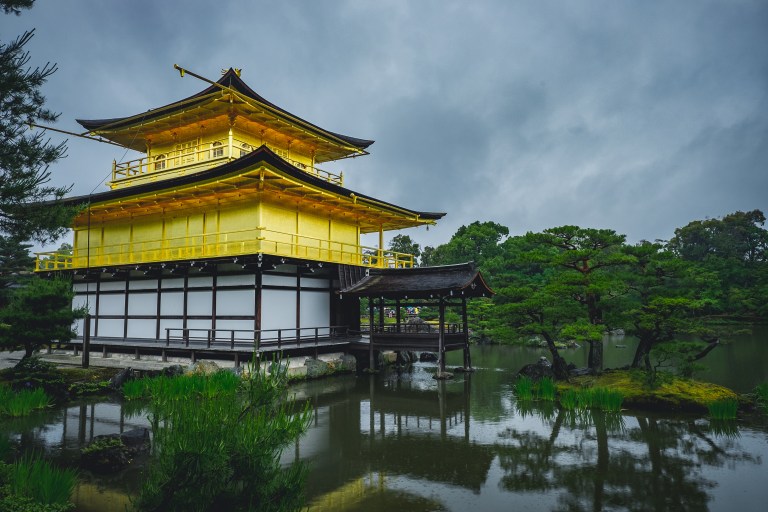
Zen temple that used to be a vila of the Shogun. You cannot go inside, but even from outside it looks really nice with its golden walls beautifully composing with surrounding garden.
Kiyomizu-dera
Temple with the view over the city. Unfortunately we couldn’t really enjoy the place as we were just few minutes before closing and had to rush through it.

Day 4 – Nara & Kyoto
In the morning we went to Nara. It’s famous city due to the deers which you can feed in the park. It’s a nice city, but there is not enough to do there for more than half-day so in afternoon we came back to Kyoto.
Feed deers at the Nara-koen Park
You probably have seen already somewhere on Instagram. Hundreds of deers which you can feed. And indeed you can do it. Deers are sacred there so it means they can roam freely and you can feed them. What they don’t tell you is that these deers become quite aggressive in getting the food. If they will smell that you have crackers to feed them, they will surround you and try to get food by bitting, checking your pockets, attacking your backpack. So don’t give the cracker to children for holding!


Todai-ji Temple & Great Buddha (Daibutsu)
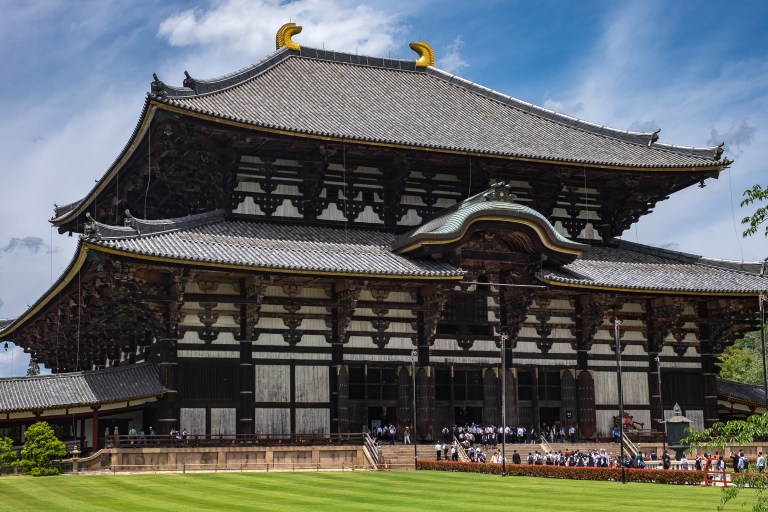
The main attraction in Nara is the Buddha sculpture made in Bronze (15m) which is the biggest of this type in Japan. It’s located in the building, which is considered to be the biggest wooden building in the world.
Kyoto – tea ceremony
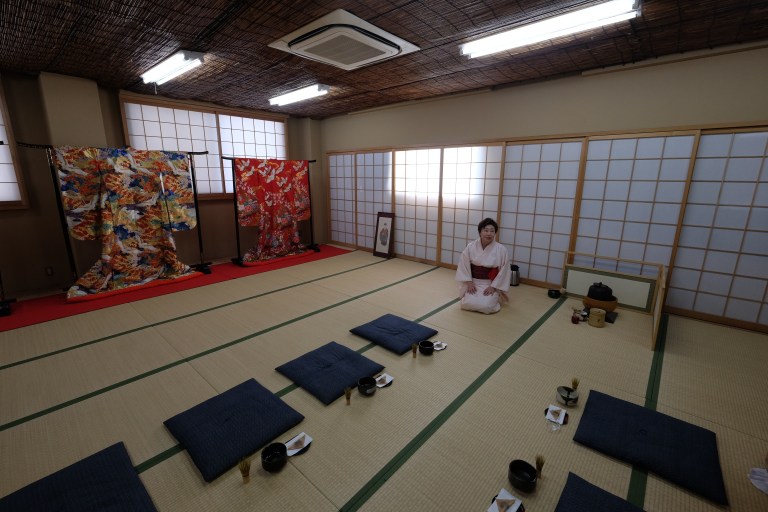
After coming back to Kyoto we took part in the tea ceremony. Tea ceremony is one of the most typical customs in Japan, so it’s interesting to see how it looks like. Be ready that it will be touristy experience, but at least will understand a little bit more about Japanese obsession with rituals as they will explain every step of the experience.
Day 5 – Koyasan
Next day we started our journey to Koyasan. It’s a small city where the oldest buddhist cementary in Japan is located. It takes a lot of time to get there and many different transportation systems – the coolest one is the funicular!
Okunoin cemetery & Torodo Hall
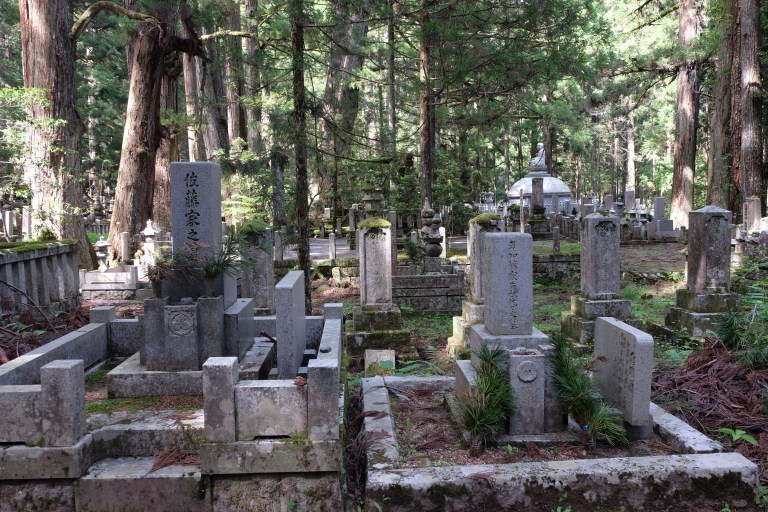
The oldest buddhist cemetery in Japan and place where mausoleum of Kobo Daishi is located. He was the founder of Japanese buddhism and one of the most important people in development of Japanese written language. Cemetery is very quiet during the day and it takes around 45 minutes to reach the mausoleum. Next to mausoleum there is Torodo Hall, which is also very impressive – it’s a worship room with lamps which are said to be illuminated for over 900 years. However, be ready that they look nicer on the picture than in reality.
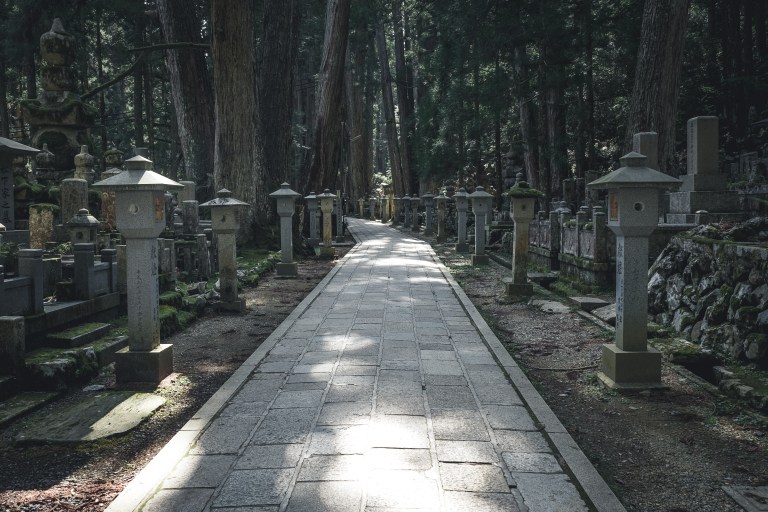
Except of visiting during the day you can also visit cemetery during the night. It creates unique atmosphere, but I would highly advice booking the experience from Okoin temple through this link. They make it really interesting experience as they also explain you more about religion aspect as well. Remember to book the trip with return bus as you will need to be back at your temple before the gate closes. Okoin is cooperating with all the other temples, so don’t stress yourself too much – they will take care of this.
Daimon Gate
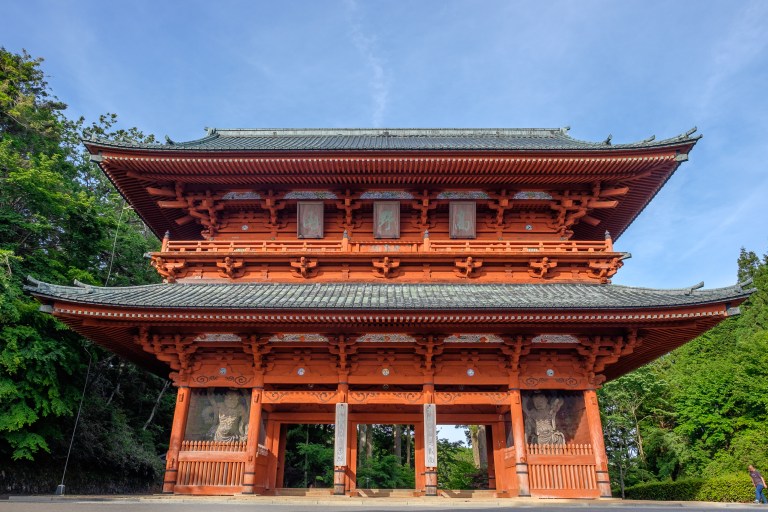
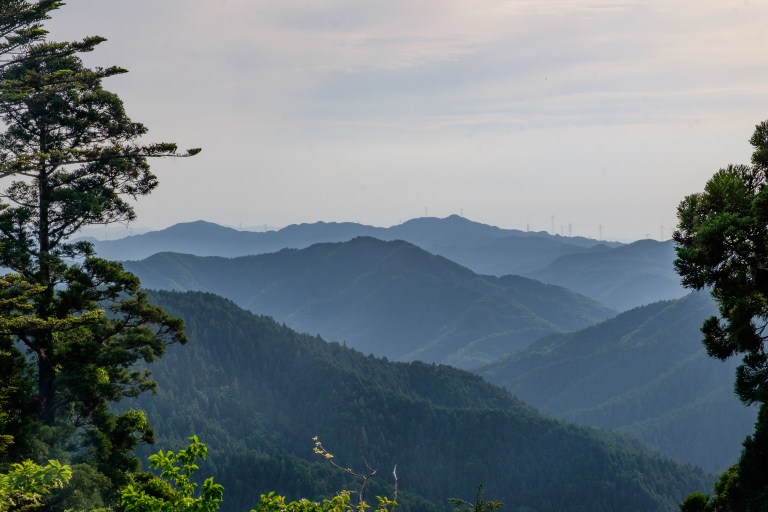
It’s a colourful gate with amazing landscape view next to it. Located on the other side of the Koyasan than the cemetery, it takes around 20 minutes walking, but it is fully worth it!
Sleeping in the temple
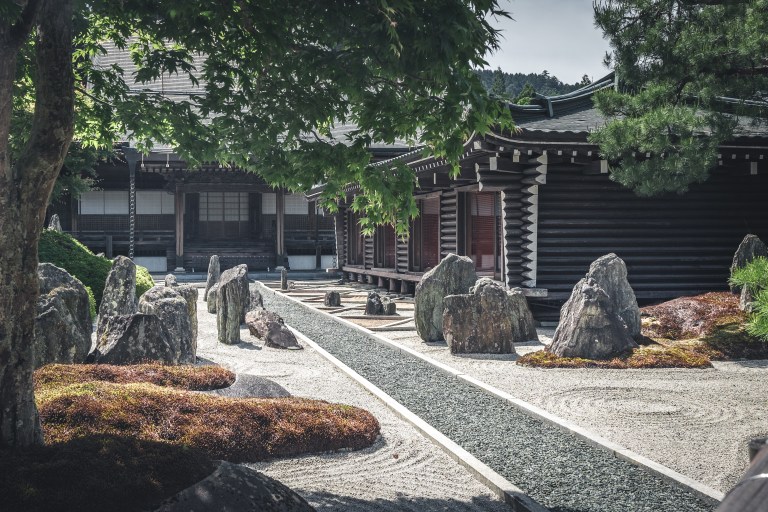
In Koyasan most of the accommodations are Buddhist temples. It’s really unique experience and it was one of the highlights during our trip. You will get Japanese style room with tatami and you can eat dinner prepared by monks – it consisted of many small vegetarian dishes, but I don’t dare to guess what was inside (but it was super tasty!). You can also join morning meditation and admire zen garden in front of the temple. Surprisingly, you can book the temple through booking.com (name of ours was Koyasan Onsen Fukuchiin). It’s quite pricey, but believe me – it’s worth the money! Don’t forget to reserve your dinner upfront and remember to be back at the temple before it closes for the night.

Day 6 – Himeji
Most of the day we spent on travelling between Koyasan and Naoshima. On the way we have visited Himeji where the most famous Japanese castle is located (one of the few that are still original ones).
Himeji castle
Due to quite often earthquakes in Japan, castles there were made out of wood. Which means they have completely different structure than the European ones and different interior. It’s several floors which get narrower and narrower with every floor. I must admit that Himeji castle looks impressive on the outside, but inside not so much – it’s almost completely empty. The only nice thing is the view on the city. But still I would visit it as it’s one of the icons of Japan. Pro tip – when you buy ticket to the castle at the spot you can also buy ticket to the nearby garden and it’s really worth visiting, so take it!


Day 7 – Naoshima
We got to Naoshima island the day before in the evening. It takes quite some time to get there, but it’s absolutely worth doing it. You must get to Uno where the nearest port is located. From there you can take ferry to Miyanoura which is the port on the Naoshima island. Ferries go quite often, it’s around 20 minutes ride.
Travelling around Naoshima
You should take a bike in the morning and go around the island. Island is really small so within 30 minutes you can cross it completely on the bike. This way of travelling will allow you to enjoy the weather and visit all the spots in one day. Nice bike rental spot is located in Miyanoura harbour next to the place that ferry will drop you off.
Noashima art installations
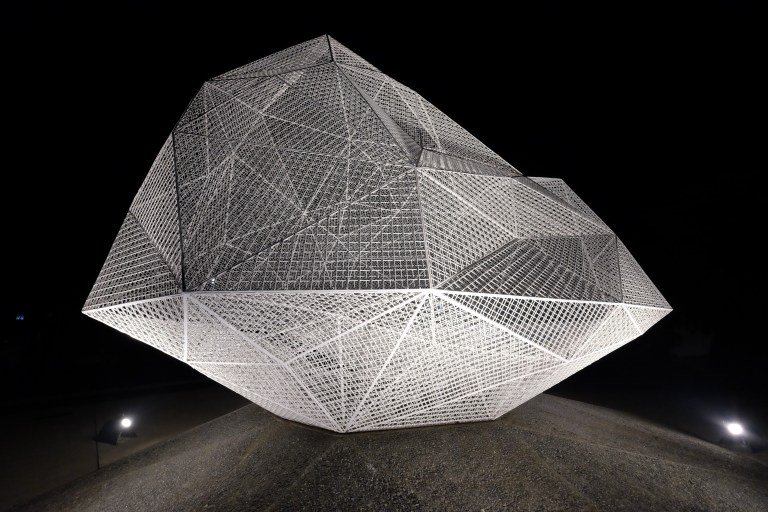
All over the island you will spot the modern art installations. Red pumpkin and 2 others are located at the Miyanoura harbour, but for the rest you have to search a little bit. The most famous spot is the Yellow pumpkin, but this one you can easily locate on Google Maps.
Art house project
Some of the Naoshima’s traiditional houses were changed into art projects. Some of them are not interesting, but some of them are really mind-blowing. The best one is Minamidera, so remember to get there first in the morning, receive ticket with the hour when you can enter and then be back at that hour. Normally one ticket allows you to enter all the houses (you can buy ticket at the Hommura Lounge), but due to many people and limited space for Minamidera, there is additional restriction to make above mentioned booking for certain hour. And if you are too late in the morning, spots may be gone for the whole day. On the side note – all other houses do not require any booking. More information on the project you can find here.
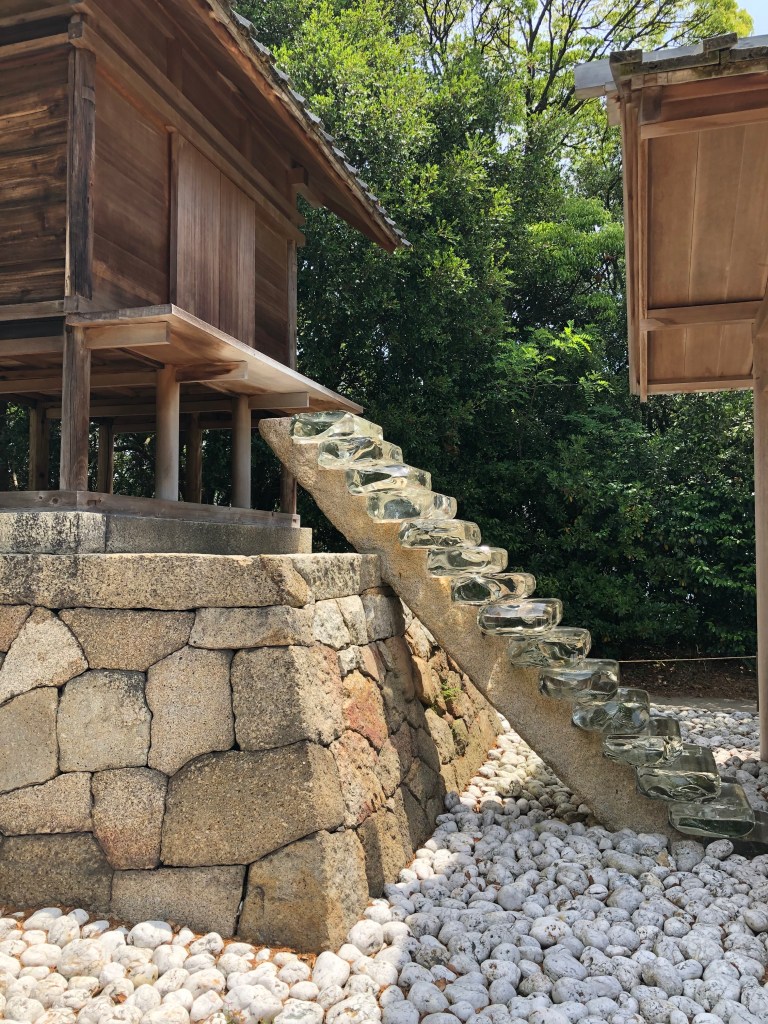
Chichu art museum
I think it was the best modern art museum I have ever been to. Expositions were completely mind blowing and extraordinary. Even building itself was an art. Must-see! Don’t forget to book tickets in advance to make sure you can enter!
Naoshima bath (I Heart Yu)
Unique experience of going to the bath in the place that is changed into modern art spot. So when you are in the hot water, you can look at the elephant in the corner of the room! Important is to know few things about Japanese baths – you need to leave everything in the lockers, you can only take a small towel with you into the main bath section. Before entering the water you need to sit on one of the small chairs with showers and clean yourself. Only then you can enter the bath. When you leave, you should use small towel to make sure you will not bring water to the locker room. And while you are in the bath area, you should be completely naked (baths are separated for man and for women).
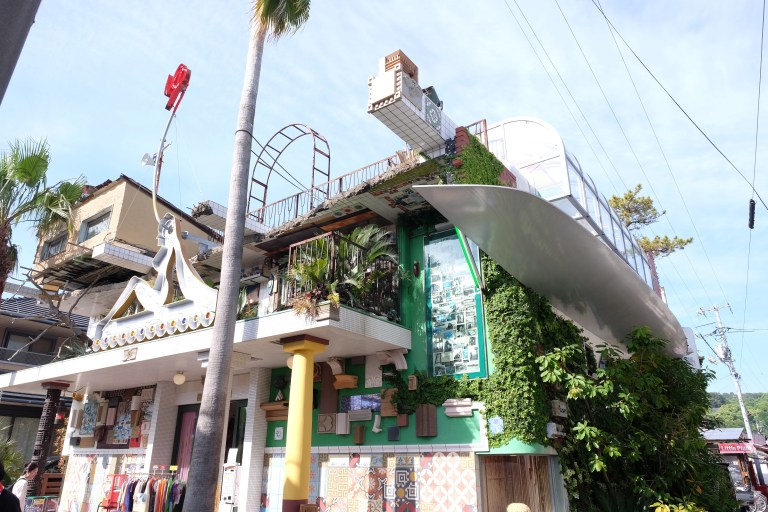
Other museums
There are many other museums and spots in Naoshima, but based on one of them that we have seen – they are not as nice as the above spots. If you would like to visit them, you can always stay second day on the island, but I would rather discourage you from doing so, unless you are really into modern art.
Day 8 – Hiroshima
We arrived to Hiroshima the day before (and ate amazing Okonomiyaki!) and enjoyed the city in the evening – despite it’s tragic history, nowadays Hiroshima is bustling city with a rich nightlife. It’s worth just to wander the streets and enjoy the atmosphere! Next morning we went to see floating Tori gate!

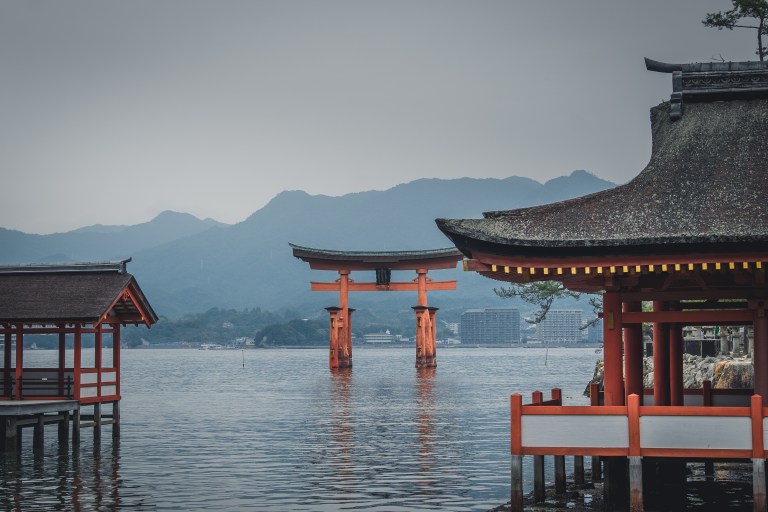
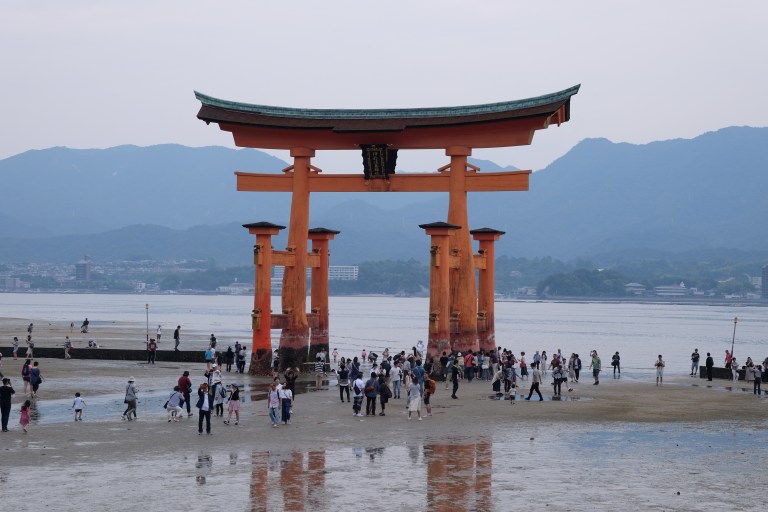
Miyajima – floating Torii gate
Miyajima island is famous for its Torii gate. It’s called floating because it’s located in the water. In the past it was welcoming people entering the temple located on the island. Interesting thing is that during low tide, Torii gate is reachable by foot. It’s one of the most famous spots of the whole Japan, so kind of must-see! Within one visit you may see it both in the water and reachable on foot.
Daisho-in
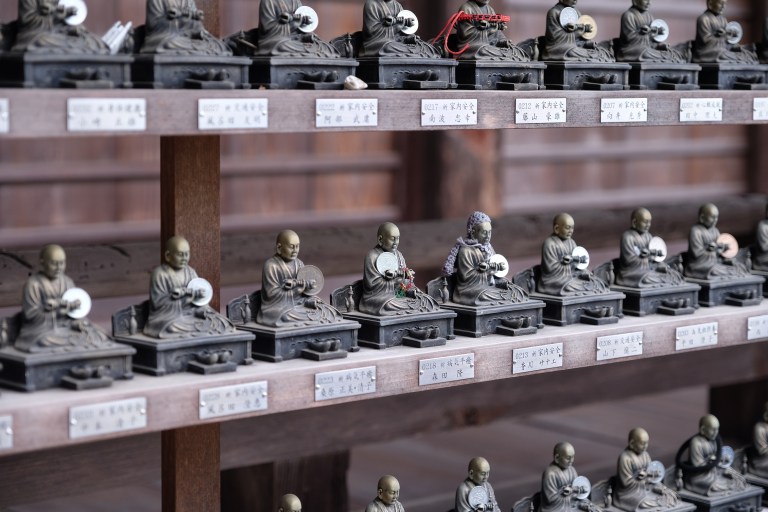
One of the “hidden spots” of Japan that we found during our trip. It’s a buddhist temple full of stone sculptures of Buddhas wearing “rastacaps”. It looks really unusual and it’s worth checking!

Ropeway at Miyajima
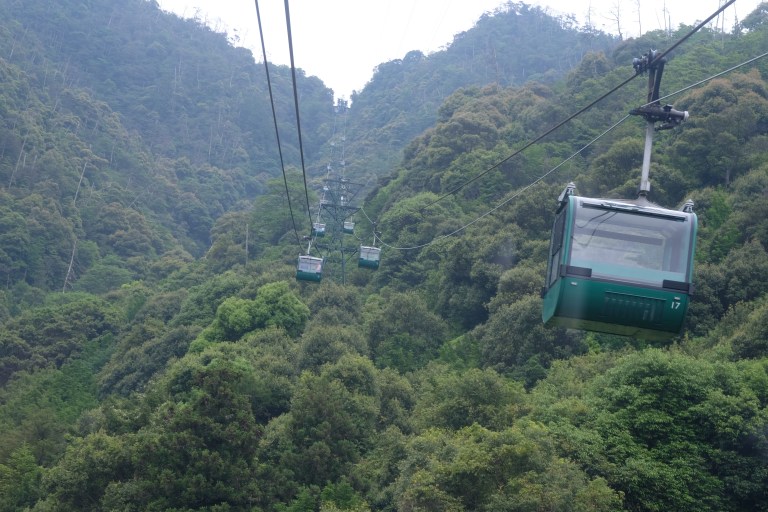
You can get to the top of Miyajima island by taking the ropeway. Then you have to make around 30 minutes hike and it’s worth it – the view is really nice. But be aware of snakes and Japanese hornets at the top – especially hornets are shockingly big and you can easily spot them flying around. I have heard that they have one of the most painful bites in the whole world, but fortunately we didn’t experience it on ourselves.

Hiroshima Peace Memorial Park
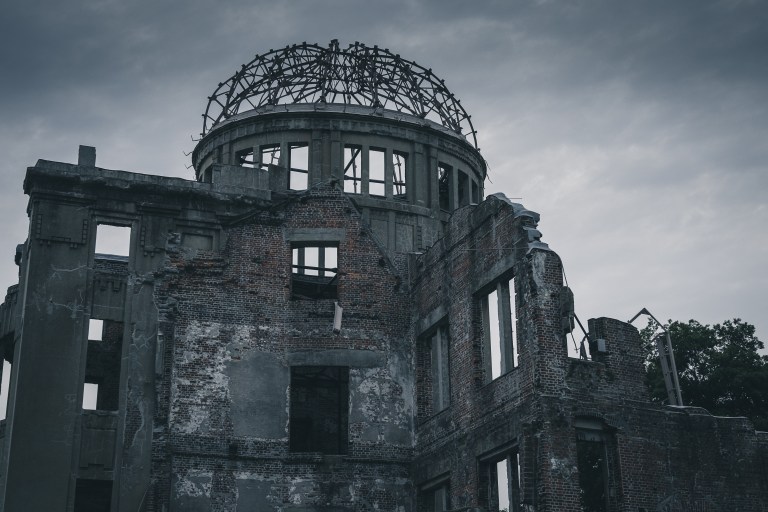
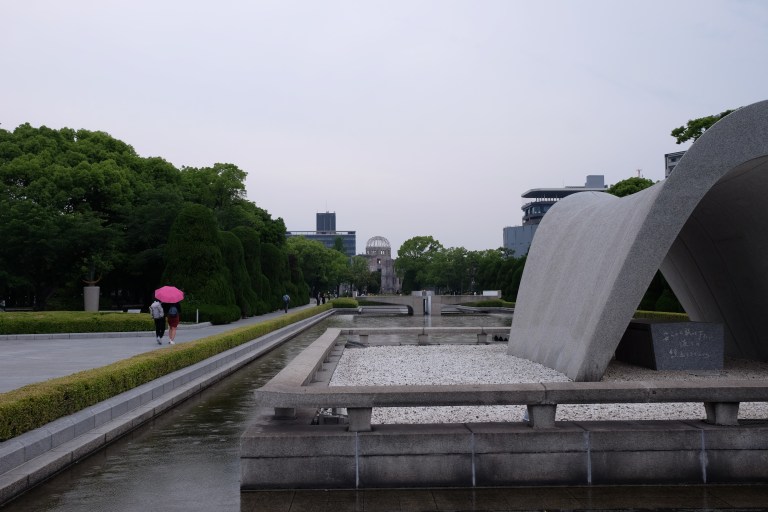
After coming back to Hiroshima we went to Memorial Park commemorating people who died due to use of the atomic bomb in Hiroshima. It’s a park with sculptures and museum. I highly recommend visiting the museum. It’s shocking experience, but in my opinion necessary to fully understand what atomic bomb means for humankind. At the edge of the park there is Atomic Dome – remains of concrete building which was located very close to the centre of explosion and thanks to that was not completely destroyed. It’s one of the most famous buildings in the world, which reminds us how deadly can be atomic bomb.
Okonomiyaki
The day before we went to eat one of the most famous dishes in Hiroshima (next to Oysters) – Okonomiyaki. It’s something between nuddles and panckakes and includes a lot of bacon, cabbage and eggs. With sauce it’s really amazing. The best place to eat it is in building called Okunomi-mur – it’s several floors of small restaurants located next to each other and selling only one dish – Okonomiyaki.

Day 9 – Kanazawa
We spent half of the previous day to get to Kanazawa. It’s one of the oldest cities in Japan and its first capital. It has few interesting spots and a really beautiful old city area, similar one to Gion district in Kyoto.
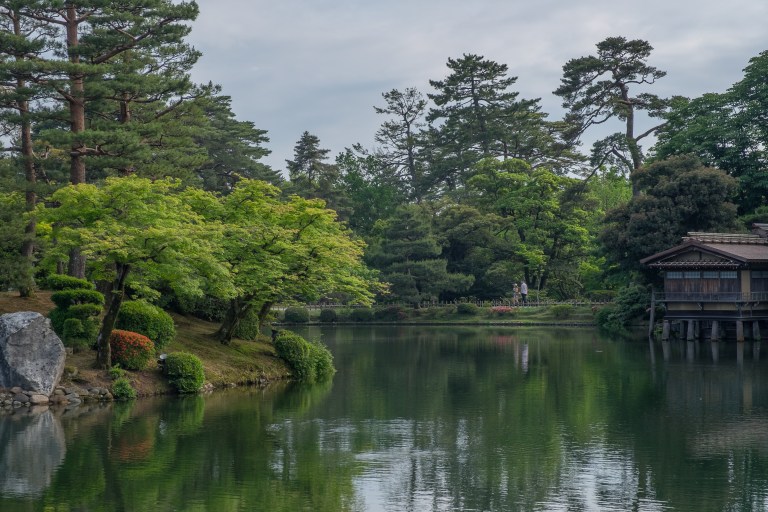
Kenroku-en garden
Famous garden (claimed to be in top 3 gardens of Japan) and you can easily say why – it’s very visible that trees and plants were taken care of for generations in order to make them grow in the exact shape. It’s worth visiting and just walk around.
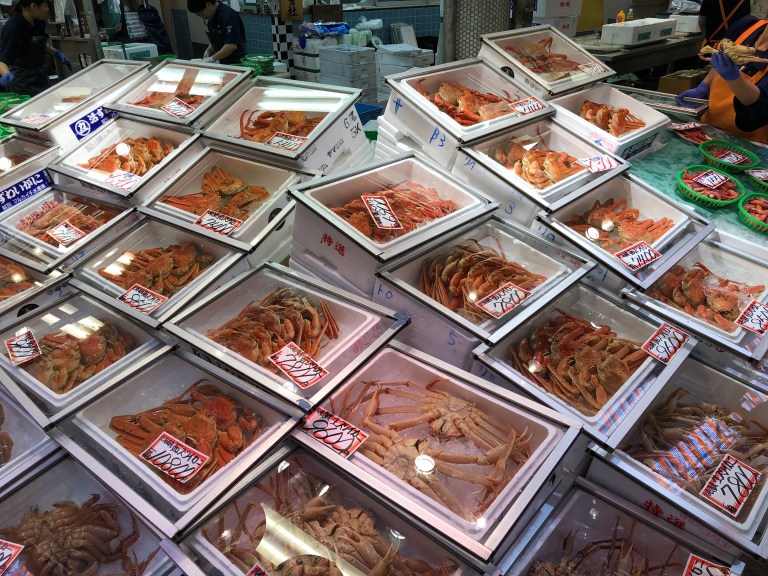
Omicho market
It is operating for 280 years and it’s been called “Kanazawa kitchen”. Unfortunately, it seems more like a place where you buy seafood and bring home to cook rather than eating at the spot. Therefore, this place completely didn’t meet our expectations (even tough you can find really weird seafood there).
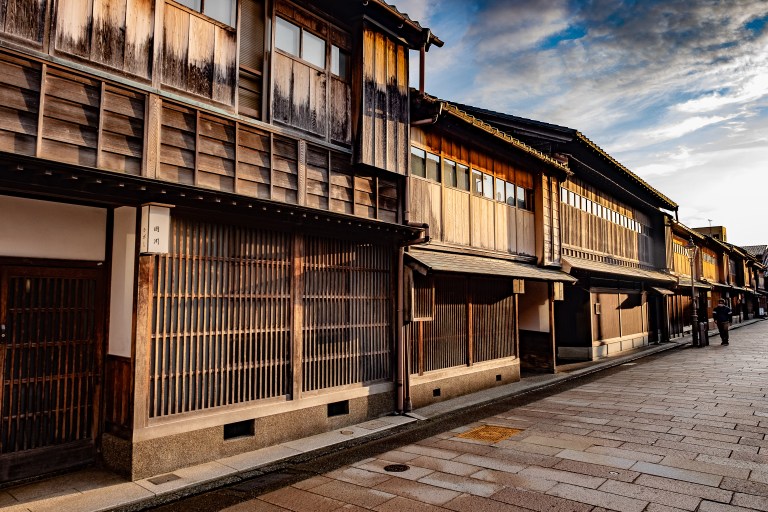
Higashi Chaya district
Central part of Kanazawa is very similar to Gion district in Kyoto. However, it’s a little bit smaller and there are much less people around. But that is something more general about Kanazawa – city is much smaller than Kyoto and Tokyo and for sure not that crowded, which makes it nice to visit.

Day 10 – Kanazawa & Ogimachi (Shirakawa-go)
First part of the day we were still in Kanazawa and only afterwards we went to Japanese Alp – village of Ogimachi in the area called Shirakawa-go.
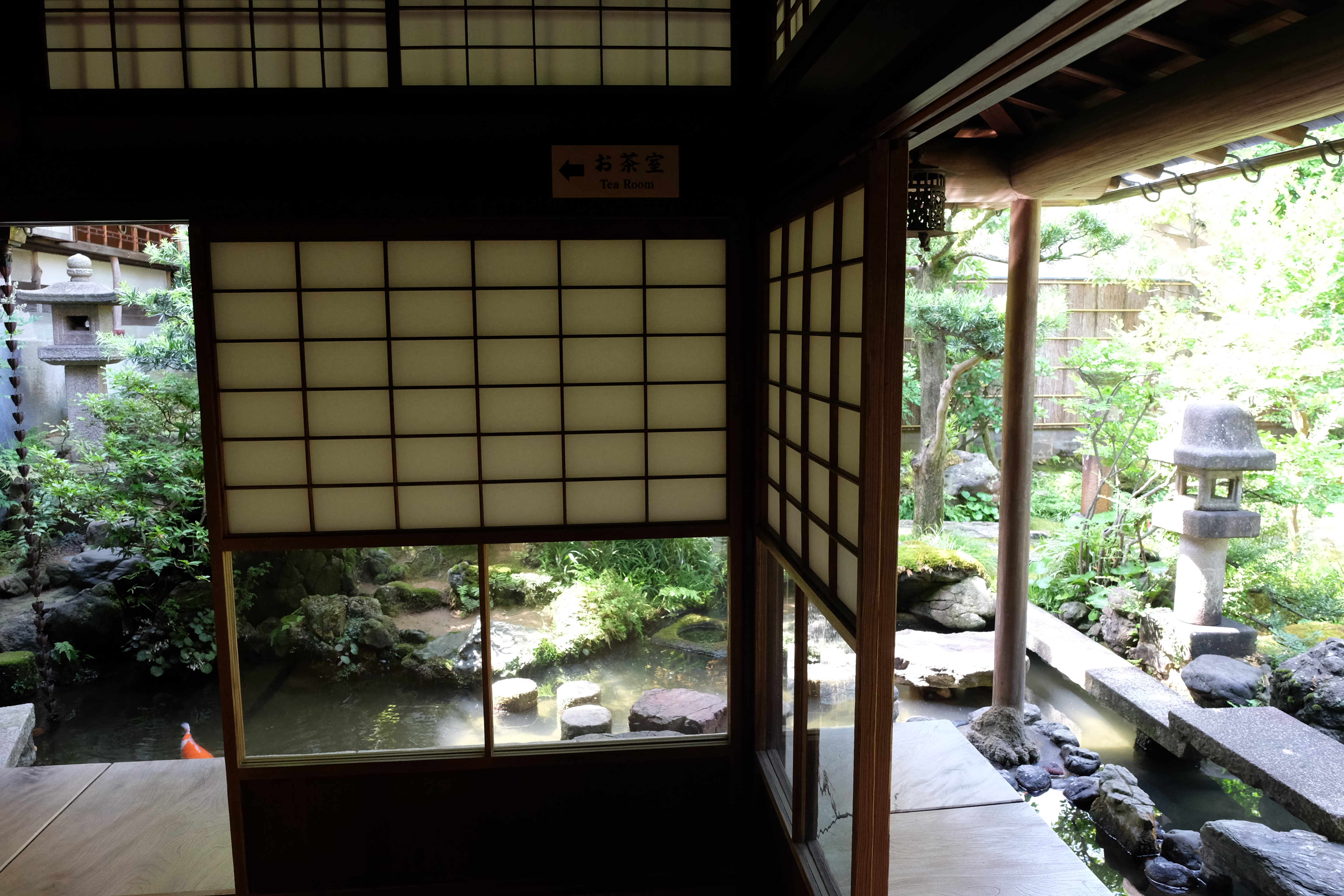
Nomura Samurai House (Kanazawa)
Family house of samurais from Nomura family. It’s pretty small place and the main highlight is the full plate samurai armour displayed there. To be honest the armour is not really something to visit for, but surprisingly there were other things that made it very nice experience – amazing garden and quite some collections of letters and samurai related collectibles. We also joined short tea ceremony there so we could enjoy the garden!
21st Century Museum of Contemporary Art (Kanazawa)
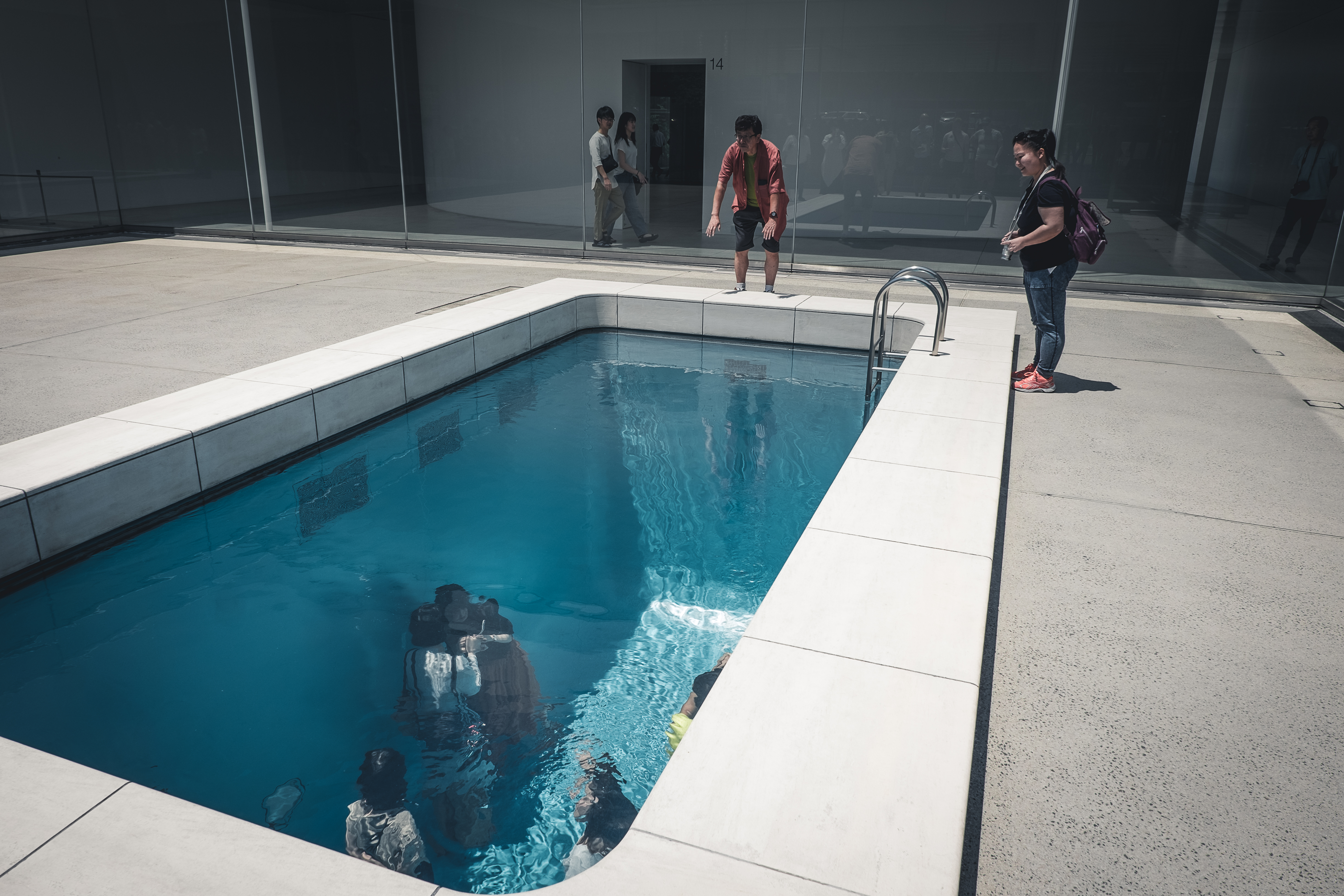
This museum is very famous due to swimming pool that looks like having other visitors in the water, but in reality it has colourful glass over the room located on the lower floor. There were also quite interesting other temporary exhibitions, so it totally worth going there! In contrary to the museum in Naoshima, this one doesn’t need ticket purchase upfront.
Ogimachi (Shirakawa-go)
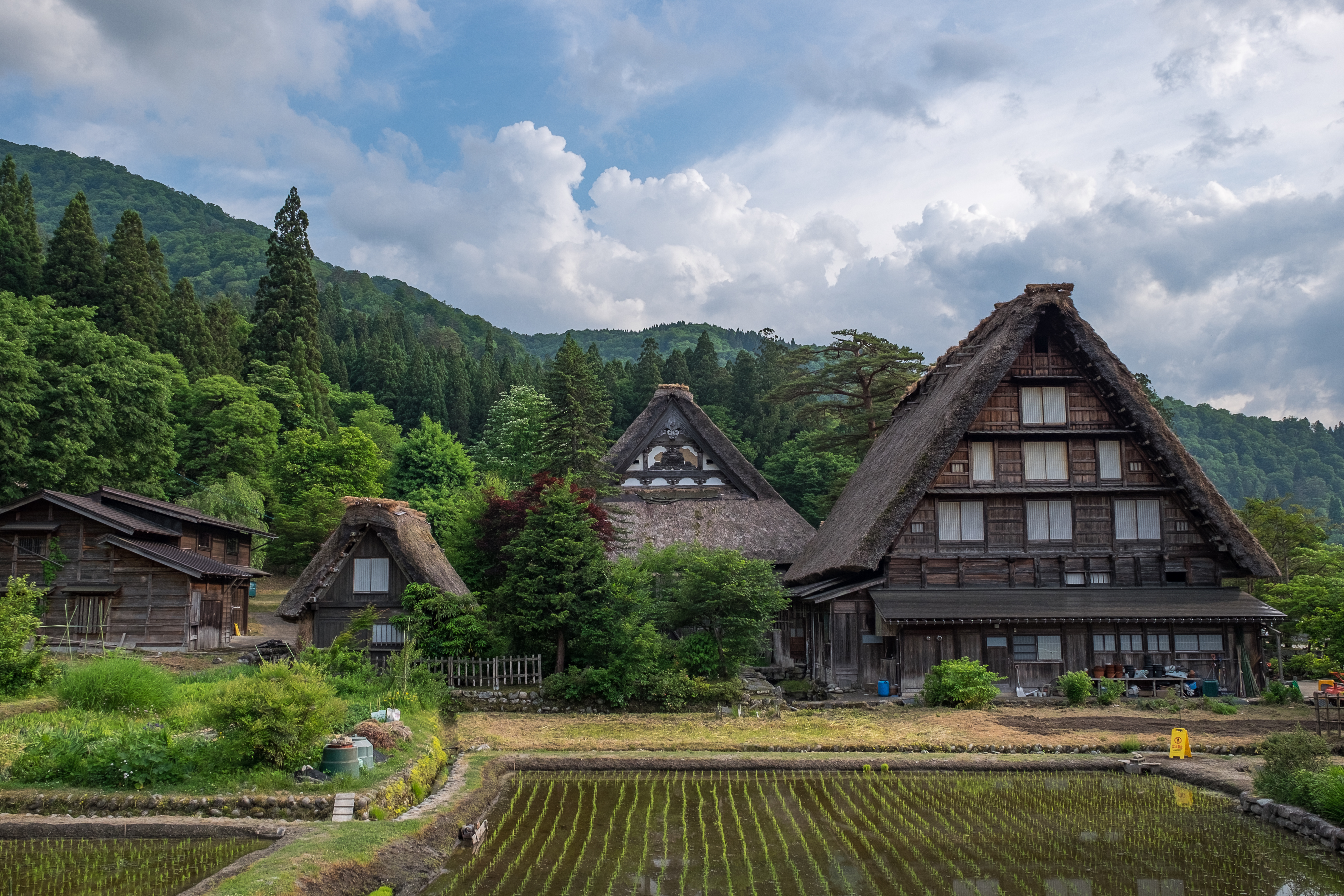
Village located in Japanese Alps. I didn’t know before that Japan has so many mountains and villages similar to the ones located in Switzerland. Ogimachi is really a stunning place – a lot of lush green grass, mountains, traditional architecture – I highly recommend spending at least one night there during your trip. At the spot we went for a short walk so we could see the whole valley from the nearby hill and later on we visited the local onsen (hot springs)! Big part of the experience was sleeping at ryokan (traditional Japanese inn with tatami room). Booking such Ryokan is not as easy as just going to booking.com – you need to use special page for booking local Japanese guesthouses: LINK
Regarding transportation from Kanazawa to Ogimachi, I highly advise using Nouhibus here: LINK (it’s a direct connection). It’s worth booking ticket upfront, but in our case there were not a lot of people on the bus.

Day 11 – Japanese Alps (Shin Hotaka Ropeway, Kamikochi, Matsumoto)
During that day we did one day tour between different parts of Japanese alps. We travelled by bus, but now I think it would be much easier to have a car there. For all the connections we bought tickets on the spot and we always had enough seats. As a retrospective I think also that we made this day too full – either we should take out something from planning or divide it over more days.
Shin Hotaka Ropeway
To get there we had to go through Takayama. It’s a ropeway that also has onsen at the middle station. We didn’t use the onsen and instead we did short walk at the top. Suprisingly, even tough it was June there was still quite some snow there! All in all, it’s a nice place, with pretty landscapes, but nothing spectacular that would make me come back there. So if I would plan again that day, I would probably delete this spot. On the side note – there were lockers available for our luggage at the base station of ropeway.

Kamikochi
It was really beautiful spot – river and lakes with walking paths around. With crystal water and amazing landscape, it is really worth spending there more time. We did only a short hike, but we couldn’t really enjoy it for long as we could keep our luggages at the locker room only until 17:00. So we were forced to rush back. As I have mentioned above, if I would plan it again, I would rather spend more time at Kamikochi and cut ropeway from the planning.

Matsumoto
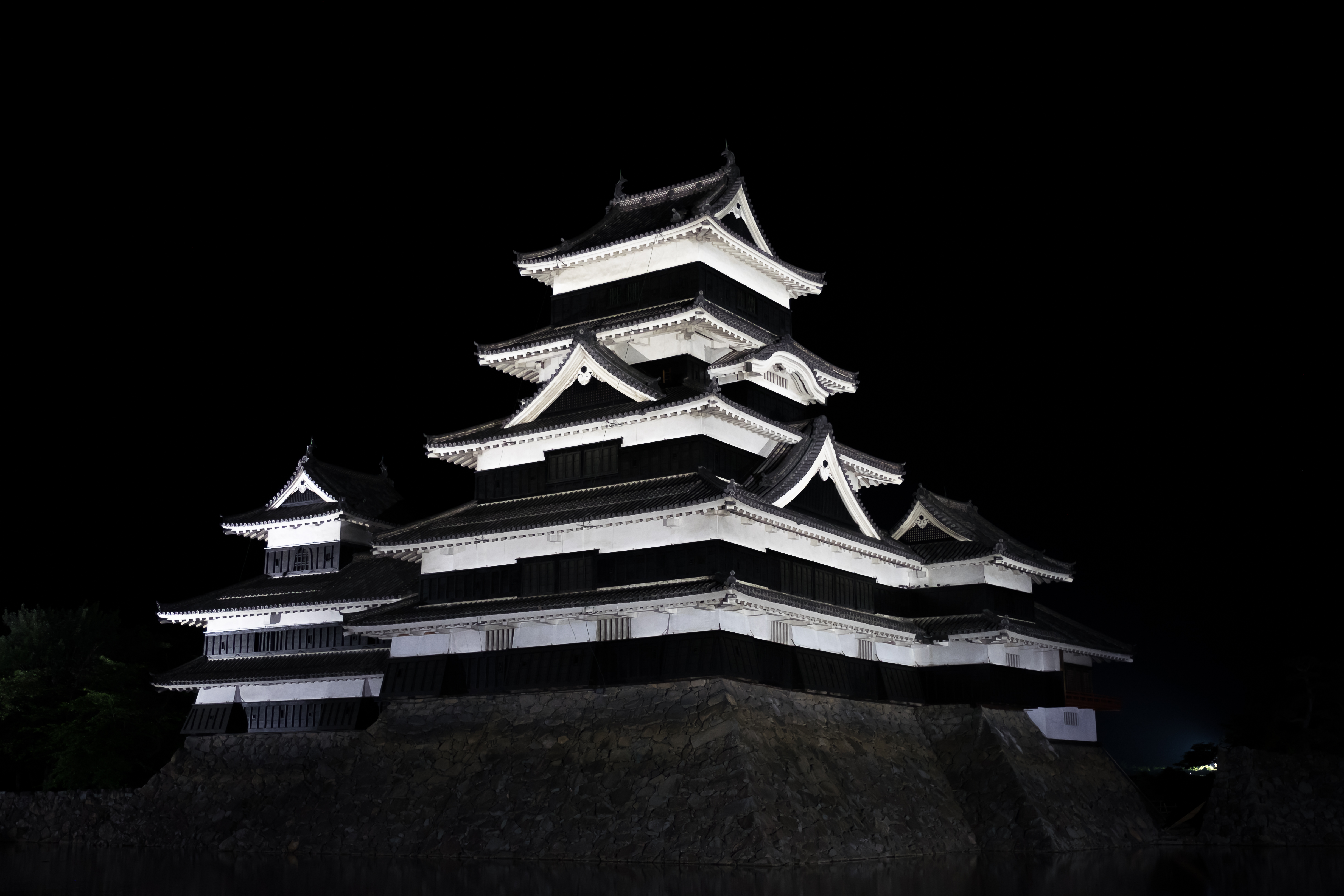
Bigger city located close to the Alps. It’s quite a nice place and we did enjoy evening and morning spent there. The main attraction of the city is so-called “black castle”. In contrary to Himeji this one is unfortunately not original – it was rebuilt. But still it was quite nice spot, especially in the evening when it’s illuminated. The next morning we also visited it inside, but unfortunately it was again rather empty.
Day 12, 13, 14 – Kawaguchio and Fuji mountain
Kawaguchio
Day 12 we spent on the transportation from Matsumoto to Kawaguchio. To get there you have to first take a train to Kofu and from there you can take a bus to Kawaguchio. It’s a small city that has quite a lot of tourists coming there to see mount Fuji. Many people prefers Hakone – it has view on Fuji as well, but with much more onsens (hot springs). We chose Kawaguchio as we were climbing the mountain, but also because it’s located in the amazing area of 5 lakes district.
Climbing Fuji
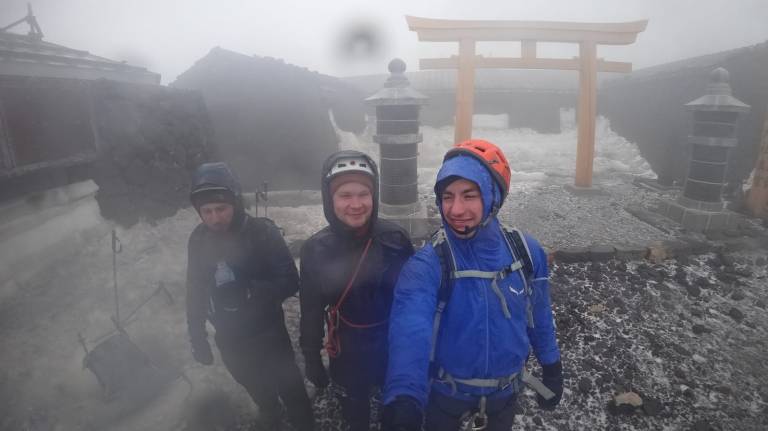
On day 13 we climbed Fuji. It’s around 3700m of altitude, but you can still reach quite high with the car. It’s an old volcano, so there is no need to have any climbing experience to reach the top, it’s more like a hike. During summer season (starting end of June) it’s probably very easy hike, but for us it was pretty heavy – there was very strong wind (a little bit below 100km/h), snow on the road and rain with moments of blizzard. After that I can easily understand why track is closed outside of the summer season. So if you want to go to the top anyway outside of the summer season then I would highly recommend hiring guide. We contacted our guide here: LINK and I can fully recommend her!
Unfortunately, when we reached the top it was foggy and rainy, so we didn’t really see any landscape or surrounding. And we got completely wet on the way down… Based on experience I can advise you to take with you some dry clothes to change once you are back at the car, water proof case for your phone and really good quality water proof clothes. On the sideo note – if you miss equipment you can always rent it at Kawaguchio. We did it with shoes and it worked really okey – your guide will arrange everything for you if you ask her.
5 lakes district – bike ride
Day after climbing Fuji we decided to make short bike trip in the morning – we rented bikes from the hotel and took a ride around. Kawaguchio is located in a very nice area called “5 lakes district” – it has (surprisingly) 5 lakes next to each other and mountains surrounding them. It creates really beautiful landscape and if the weather is nice you can spot Fuji. Unfortunately for us, there was a lot of clouds, so we saw Fuji mountain from a distance only for a short moment during our stay.

Day 15,16 – Tokyo
Last 2 days we spent in Tokyo. We were quite disappointed with that city during our first visit at the beginning of the trip, but the second visit completely changed our impression. I think that one day I will come to Japan just to check Tokyo alone. I think if you spend longer time you may discover a lot more of interesting places!
Digital arts museum
As I wrote above, it was absolutely stunning experience. You can spend easily few hours there enjoying different installations, which combine light effects, animations, music and sometimes even physical objects. Seeing displayed animation of sunflower elephant walking between rooms or the room with animation of the ocean waves and soothing music were really something extraordinary. I think I have never experienced anything like this in any other place!
Akihabara
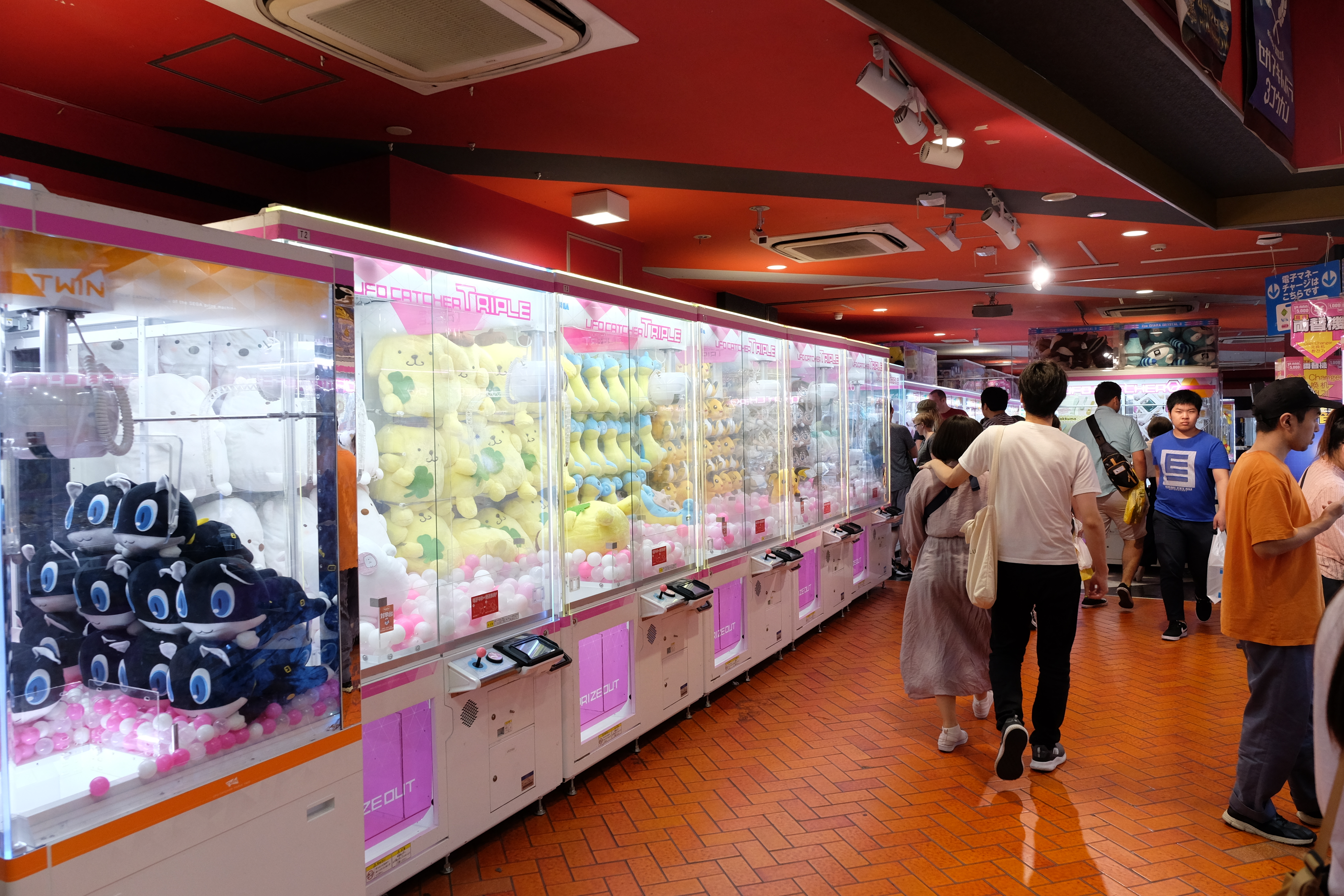
It’s the most “geeky” district of Tokyo and exact representation of how people expect capital of Japan to look like. A lot of neons, lights, full of people walking around in the evening and also many shops with comics or cute things. But the most prominent are gaming centres of SEGA – few floors of gaming machines which were very popular in western world in late 80s and early 90s, but died out completely nowadays. However, in Japan they are still super popular and each of many SEGA buildings is full of people. It’s worth going there to play some of the games! For example we had a lot of fun racing!
Owl cafe
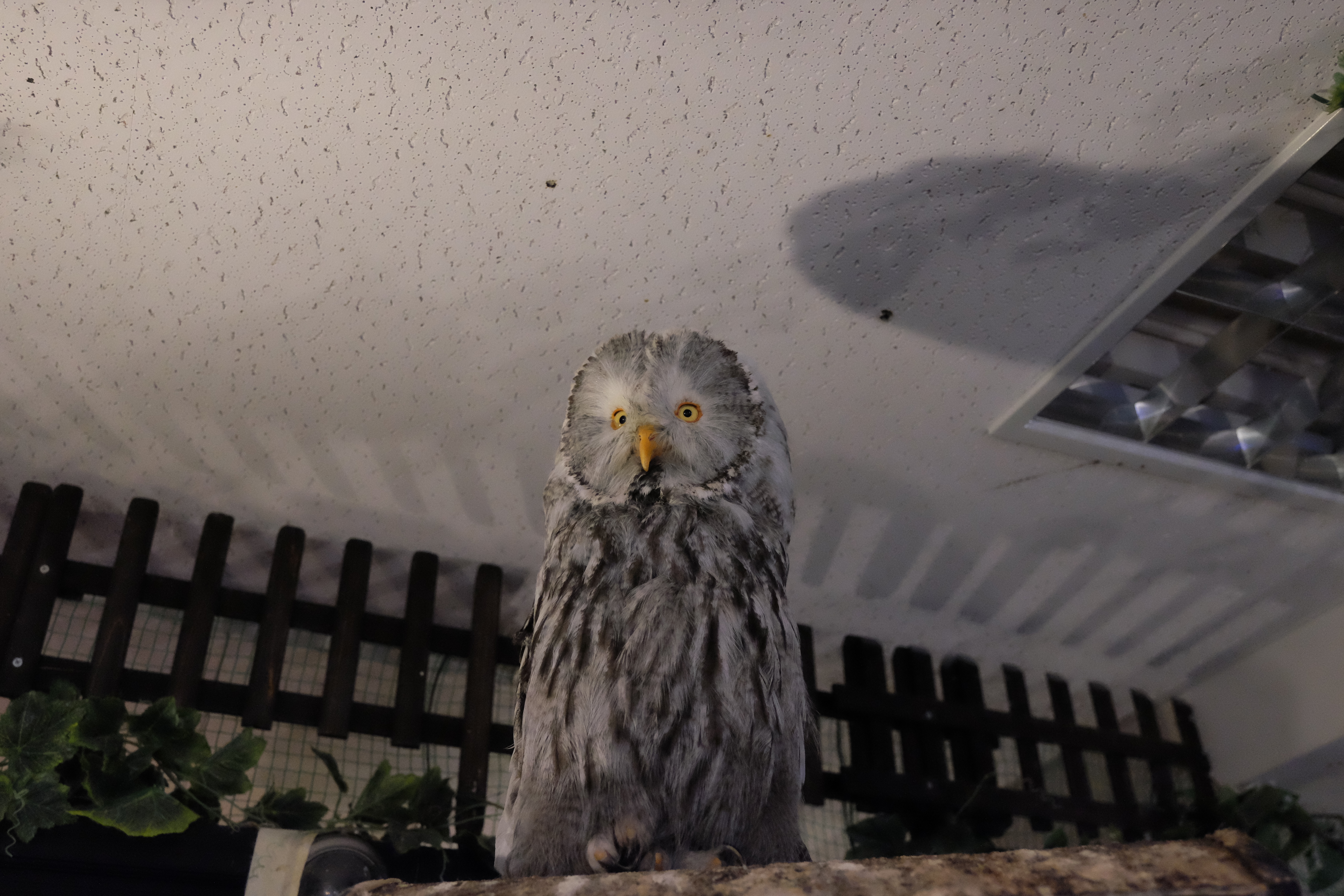
As I mentioned above we have decided to visit Owl Cafe. However, that was barely a cafe – they had coffee, but sole purpose of being there was to walk around and observe owls. Cafe was located in an old office building and after visiting it, I would never do it again – I think it is not the best place for owls – they are nocturnal predator birds, which are closed on the small area where they cannot fly, cannot hunt and have people walking around and disturbing their sleep whole day long. If you really want to visit animal cafe, I would rather advise to go to the hedgehog cafe than owl one. Especially, because everyone thinks that owls are cute. So, to make things straight – they are not. They are rather scary when you are around them – they are pretty big birds with long claws. When it flies just above your head you may get really nervous.
Maid cafe
This was one of the weirdest place I have ever visited. However, to fully experience Tokyo and it’s unique Kawaii (cuteness) culture, we decided to go there. In a nutshell, Maid cafe is cafe decorated in very cute way (pink colour, unicorns, big eyes, hello kitty, etc.), where waitresses are young looking girls dressed as cute maids. What is really disgusting is that waitresses are chosen to look really young. That in combination with general young look of Japanese girls is just too much…
Maid cafes are mainly located in Akihabara. It’s better to choose one of the chains – it will help you to avoid shady places where things may not be only about having coffee or food. Chain called “Maidreamin” should be save choice. Just don’t go to the spots that are advertised by maid dressed girls on the streets of Akihabara.
Once you enter maid cafe, you will be charged per hour of sitting there + price of whatever you will order – they serve coffee, ice creams and some smaller dishes. Waitress will behave super cute by signing songs, talking to you with high pitch voice and getting your order only if you make sound of “meow, meow”. It’s really silly and creepy, but suprisingly you will see a lot of adults in there. There are a lot of western tourists, families with childrens, but also single creepy guys or groups of Japanese adult guys having some kind of parties (I think we saw something like birthday party there and guys enjoying it a lot). You can take picture of your group, but not of the waitresses (unless you pay separately) and every half an hour there is dancing and singing show.
In general, I would say it’s interesting to visit this place, but maximum for one hour and with accepting upfront that you will feel some kind of creepiness of the place while being there.
Shibuya crossing
It’s one of the most iconic spots in Tokyo – big crossing in one of the most densely populated districts creates endless flow of people whenever green light turns on. It’s like a short living river. It’s really cool to observe it from above – in either Starbucks that is nearby or shopping mall in a little bit distance. It’s also worth going around the district as it look very close to what people imagine of Tokyo.

Shinjuku
District similar to Akihabara but a little bit less geeky and more adult. It is worth visiting, walking around a little bit, but you won’t spend too much time there – just 1-2 hours.

Miraikan – National Museum of Emerging Science and Innovation
This museum on its own is not that interesting, but it has super famous robot – Asimo. It was created by engineers from Honda and is able to perform pretty advanced tasks while walking on two legs in a very human way. It’s pretty impressive to see how he runs or kicks the ball. They have presentations of Asimo every 30 minutes and you can just visit for this one purpose. Rest of the exhibition is really boring in my opinion.

Summary
So all in all, Japan was an interesting destination. We have seen a lot things that were completely different than in any other country, so sometimes we felt like being on a different planet. At the same time we were expecting flying cars, but we got country stucked in 80’s instead.
I enjoyed the trip a lot, but unfortunately, I would not call it being one of my best trips. But at the same time I’m pretty sure I will come back one day. Even if just for eating amazing food again and experiencing more of Tokyo!
 Ultimate Traveler