Looking for a place to meet with my father I was searching for city in Europe that has good flight connections with different parts of Europe (Poland and Netherlands in this case). After a lot of searching it turned out that one of the best connected place in Europe is Dublin. When I think about this again I realise that I could expect that home of Ryanair airlines will have cheap flights to almost every major city in Europe.
Why you should go to Dublin?
If you want to meet with some friends or family and you are all coming from different parts of Europe then Dublin will probably be the most convenient choice. Other reason to come is if you want to taste Guinness or whiskey at its origin. Or if you just want to see one of the most green place in the world (it’s not a metaphor, nature is really lush green there).
Top destinations in Dublin and around
-
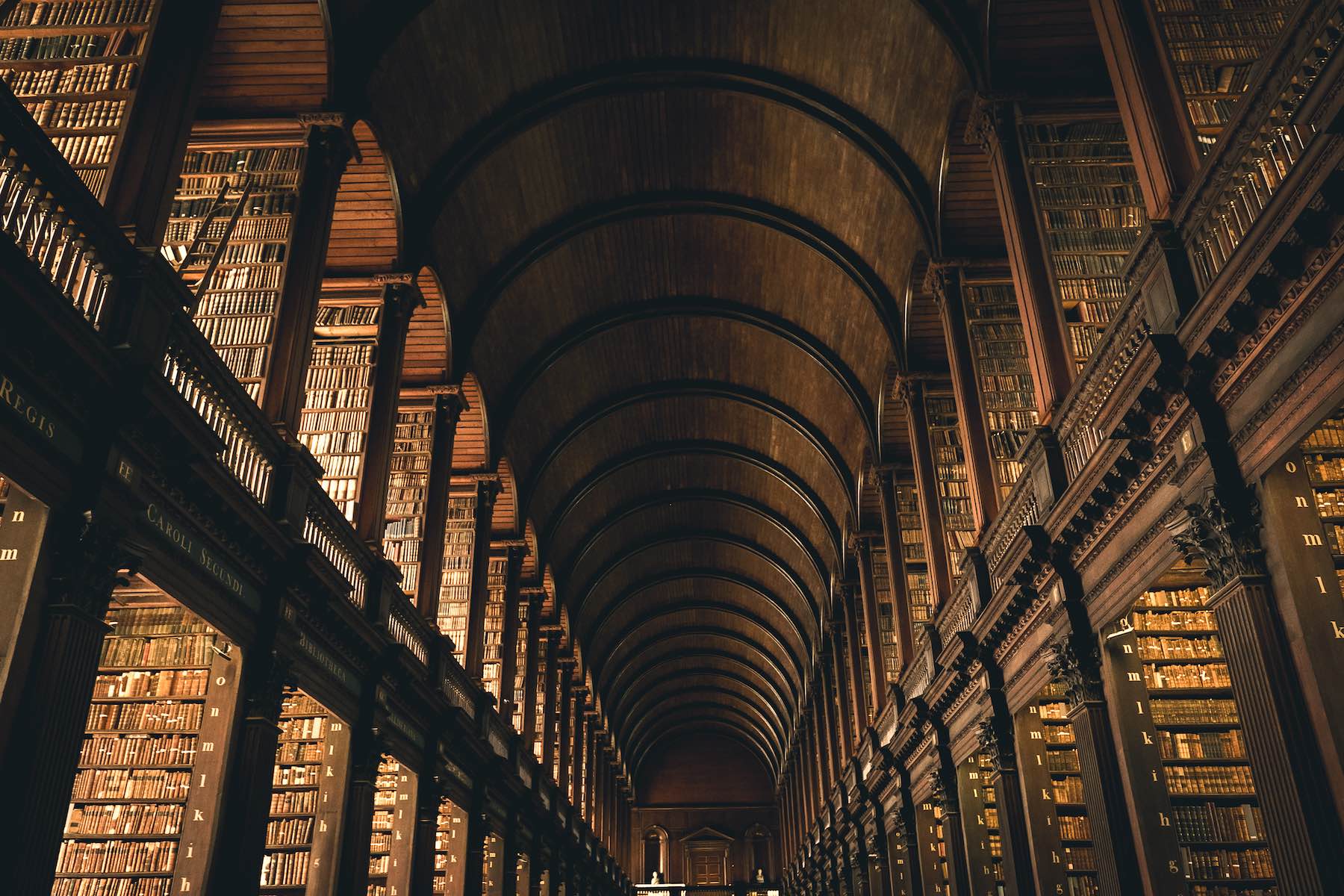
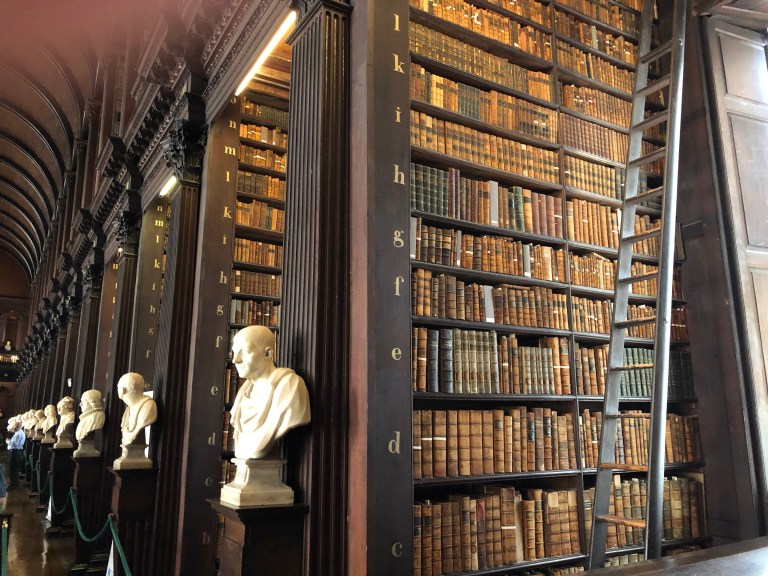
Trinity collage and Book of Kells – Book of Kells is one of the best examples of religious medieval art. It’s beautifully handcrafted and in a very good state for such an old artifact. However, it’s not the best tourist attraction – you will see it for up to 5 minutes, just one page and surrounded by a lot of people waiting for you to finish. What’s really impressive is the library where the book is located. It’s worth visiting just for it!

- Guinness and Irish Whiskey – there may not be many attractions in Dublin, but you can always easily find a spot to get a perfect Guinness. Or you may visit the source – Guinness brewery which has been converted into a tourist attraction. It shows not only how this specific alcohol has been made, but also gives some insights on how marketing in general changed over the years – Guinness is pretty famous from many marketing campaigns. If you prefer stronger alcohols then you should go to a whiskey experience. The most famous one is Jameson distillery, but there are also other spots if you want to avoid the crowds.

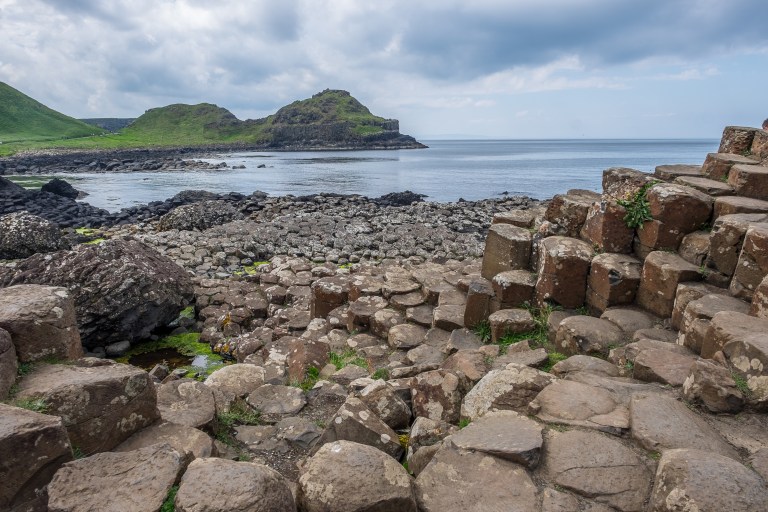
- Giant Causeway or similar day trip from Dublin – Ireland is really beautiful if you go outside the cities to enjoy nature. Out of many different options for daily trips (Bru na bonnie, cliffs of Moher, etc.) we chose the one to Giant Causeway. On the way there we also visited the Titanic museum in Belfast. Both we found super interesting and if we would stay longer in Dublin I would for sure book few more day trips.
Best things to eat and drink
Generally don’t expect amazing food in Dublin. What you can expect is a really nice alcohol. Different types of whiskey and the most famous Irish beer – Guinness. It’s really worth trying! From whiskey I can recommend Jameson (mainly because we visited their distillery as I mentioned above). And if you really try to find some local food try scones – I’m not sure if it’s really Irish as I had seen them already in Edinburgh, but at least they were quite okey in taste. It’s something between pastry and bread.
Few interesting information about Dublin and Ireland
Ireland has long and very painful history. It’s one of the oldest states in Europe and in the medieval period it was one of the spots in Europe with the highest amount of scholars (at the time mainly monks). Thanks to that a lot of knowledge about Greek, Latin and philosophy was preserved in Ireland in contrary to the other parts of Western Europe which were undergoing the period of “dark ages” after the fall of Western Roman Empire.
Most of the history of Ireland is about the struggle to get rid of British rule – since XII century up until 1920’s when Ireland finally managed to get independence. In the meantime Ireland experienced a lot of oppression and violence which had its culmination in the week only Easter Rising in 1916 after which British government executed 14 leaders of the rising. This led to uptake of Sinn Fein (Irish independence party) as a significant political movement and increased support for independence cause. As a result, in 1919 Irish War of Independence started and after 3 years both sides signed Anglo-Irish treaty which finished British rule over most of Ireland, but at the same time created Northern Ireland, which have stayed within United Kingdom up until today.
Due to above mentioned Anglo-Irish treaty Ireland is divided into two states – Irish Republic which is independent and Northern Ireland which is part of United Kingdom. This division has its roots in religious division of Irish society – part of it is Catholic and part of it is Protestant. Irish Republic has mostly catholic citizens and Northern Ireland is mostly protestant and therefore they prefer to stay within United Kingdom, which is also protestant. However, in Northern Ireland there is still quite some amount of catholics and this was leading to many problems throughout XX century. Both parts of society used to live very divided and catholics often were discriminated – for example in January 1972 during peaceful protest British army opened fire and killed 14 people. This day is known as Bloody Sunday as it was commemorated in the song of U2 with the same title. On the other side, Irish Republican Army (IRA) committed many bombing attacks in Northern Ireland in order to fight with British rule. All of this bloodshed was finished thanks to Good Friday agreement in 1998. Since that time situation in Ireland is stable, but this was also thanks to the fact that both Ireland and Northern Ireland (as a part of UK) were part of European Union, which in reality makes border between both states not existing. The big question is how Brexit will influence this situation.
Talking about Ireland history we cannot also forget about constant famine problems. The most painful one was the Great Famine of 1845 which led to decrease population of Ireland by about 1/3. This also led to the mass emigration to United States, which explains why big portion of US society have Irish roots. In general, throughout history Ireland was not a rich region and their main source of wealth was agriculture. Nowadays it changed dramatically – thanks to the very low taxes many international companies moved their headquarters (or at least European headquarters) to Ireland. This created many jobs opportunities and pushed Ireland to the league of the most wealthy states. But it’s still questionable for me how this fakely inflated GDP (a lot of business activities of companies registered in Ireland are happening outside of the country) impacts standard of everyday living.
Practical information
- When to visit. Try to aim at the summer. Irish weather is not the most welcoming, so I would really go there when it is at its best.
- How many days. Dublin itself can be done in 1 day if you rush a little bit or 2 days if you prefer to do it in more relaxed way. However, as I stated above – if you have more time, there is plenty of things to see during one day trips outside Dublin.
- Currency. Euro, payments with a card are widely accepted.
- Getting around. Dublin is a really small city. The easiest way is to just walk around. You can try to take a bus, but seriously – walking is probably an easier option. Outside Dublin you either can book trip that will organise transportation for you or you can rent a car. We went for the first option and I think it was better choice as we had less stress with organising things and could just relax in the bus.
Itinerary
- Day 1:
- Merrion Square
- Chester Beatty Library & Dublin castle
- Trinity College & Book of Kells
- Saint Patrick Cathedral
- Guinness Storehouse
- Kilmainham Gaol
- Temple bar and riverbanks area
- Day 2:
- day trip to Giant Causeway & Titanic Experience in Belfast
- Day 3:
- Jameson distillery
- Glasnevin Cemetery Museum
Day 1
Square that maintained Gothic character of the buildings around and has really nice park in the middle. Nice to visit, but not something that will blow your mind.
Chester Beatty Library & Dublin castle
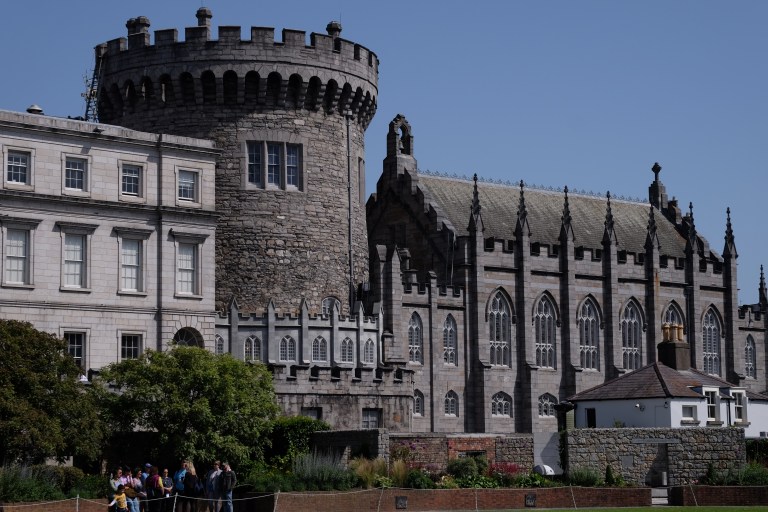
Dublin castle looked really nice from outside, but inside it looks more like a palace. It was rebuilt many times throughout history, so nowadays it doesn’t look like medieval castle (with the exception of one of the towers, which makes it look like a “proper castle”). To be honest Chester Beatty Library (located next to the castle) made much better impression on me – several floors of old books and manuscripts are super interesting!
Trinity College & Book of Kells
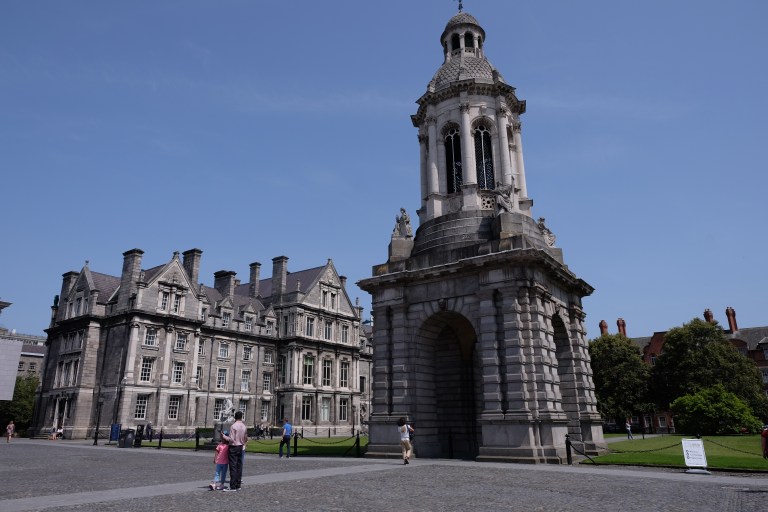
As I mentioned above Book of Kells is one of the best examples of religious medieval art. It’s really worth to see it, but also the whole campus of Trinity College is interesting with its old buildings and many students walking around. Remember to book tickets for Book of Kells upfront, so you can avoid lines at the entrance. Book of Kells is located in an old library, which is absolutely stunning. For me this library was way nicer than seeing Book of Kells itself.
Saint Patrick Cathedral
It’s the hearth of Irish Church and for 800 years it was in the middle of history of both Dublin and Ireland. It looks beautifully outside, but it’s also worth going inside! I really like the area with old flags.


Guinness Storehouse
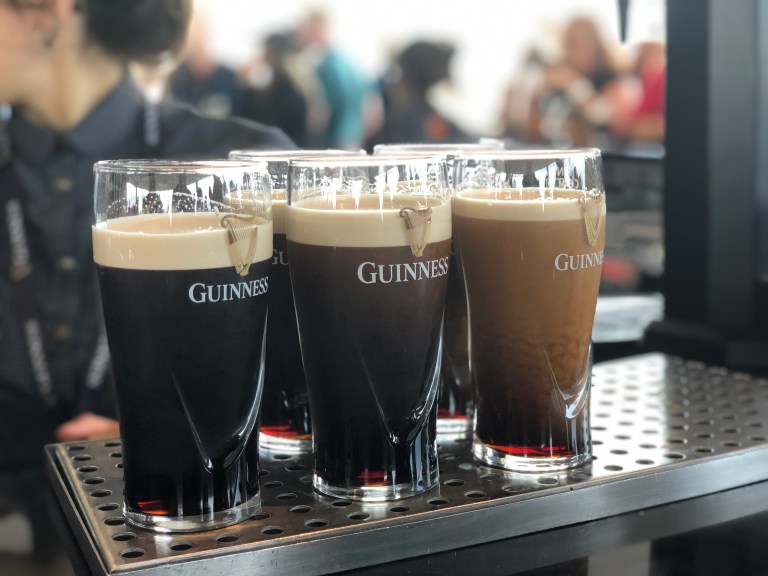
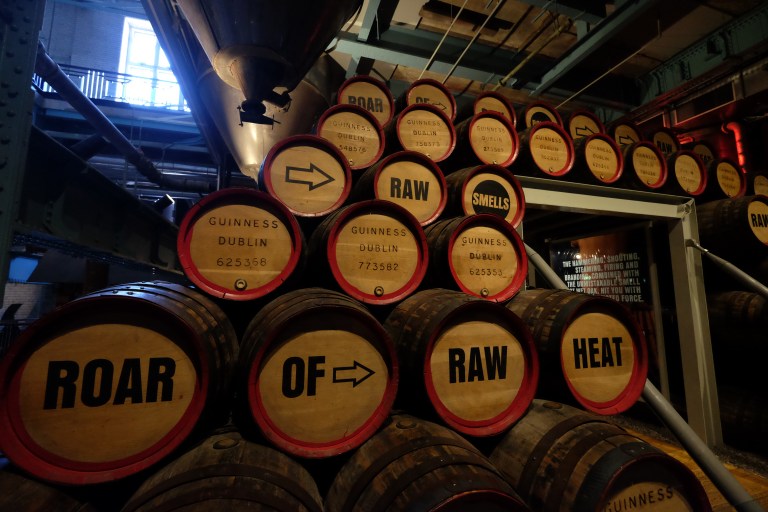
Guinness is the most famous Irish drink with its caramel colour and thick white foam at the top. You can buy it all over the world, but it has special place in Irish hearths. You can easily see it in any of Irish pub – most of people drink Guinness there. Storehouse used to be a place where this beer was brewed, but nowadays it is just a tourist attraction and the brewery itself is located outside Dublin. Whole Guinness Storehouse was changed into the visitor centre and I must admit it had been done really skilfully – it was interesting tour with degustation and one beer included in the skybar at the top of the storehouse. We didn’t book tickets upfront and there was no problem with getting inside. I would fully recommend visiting this spot!
Kilmainham Gaol
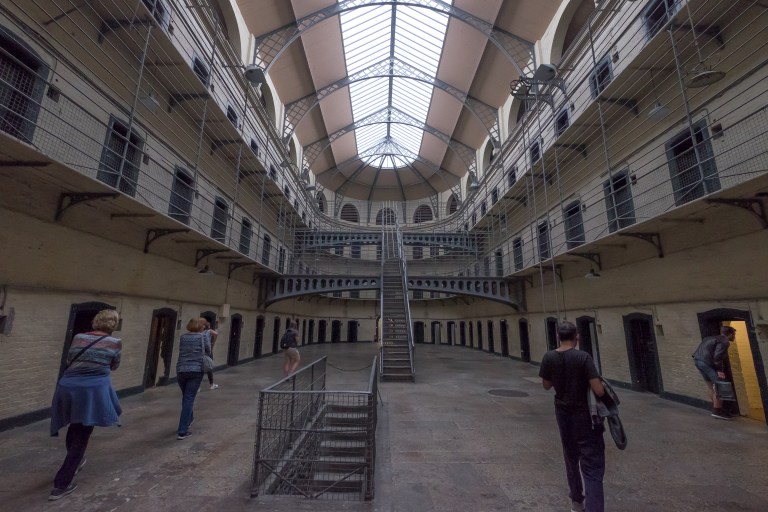
Out of all places we have visited in Dublin, this old prison was the most interesting one. It has very rich and painful history and it was witnessing many important moments of Irish history with culmination during execution of the leaders of Easter Rising. There are many stories of people who have been in this prison that your guide will tell you and most of them are very moving, so be ready that after visiting this place you will be really sad.
I think it’s the place you cannot miss once being in Dublin, even if it’s located a little bit in the suburbs of the city and it takes almost an hour to walk there from the centre. We didn’t buy tickets upfront and there were no problems with getting inside.
Temple bar and riverside area
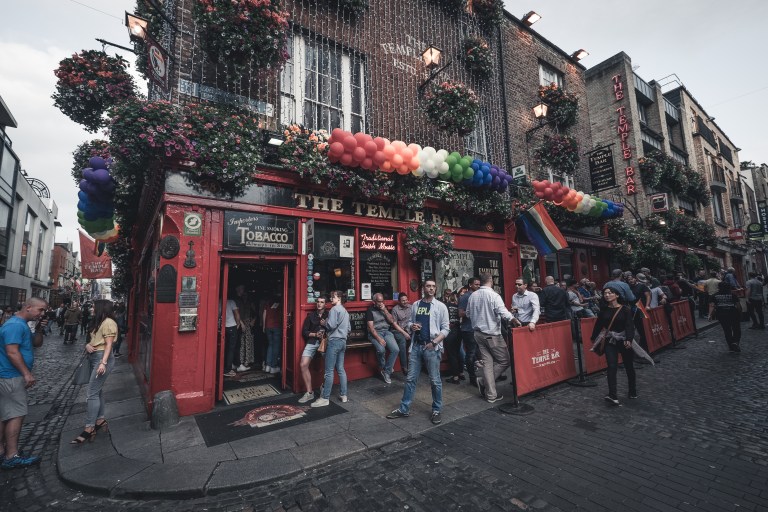
Dublin is famous from its pub culture and the most famous pub is Temple bar. However, nowadays it’s very touristic place, so it doesn’t have anymore this local atmosphere. Due to this we only walked around it (it’s a party area of Dublin with nice vibe) and then went to the bar closer to our hotel.
Next to the Temple area there is a river. It’s worth to walk for a moment on one the riverbanks. Most probably you will do it anyway while walking between other spots as it is real centre of the city and you will cross many times.
Day 2 – day trip outside Dublin
During second day we booked a trip to Titanic Experience in Belfast and Giant Causeway. Usually there are 3 popular day trips that people make from Dublin: the above mentioned Giant Causeway, Cliffs of Moher or Bru na Bonnie. We choose the first one, but I guess all of them are pretty amazing. We booked our trip via Viator the day before and it was operated by Wild Rover Tours – I can absolutely recommend this one as everything was organised properly and our guide was really good in telling stories about Dublin and Ireland.
Titanic Experience in Belfast
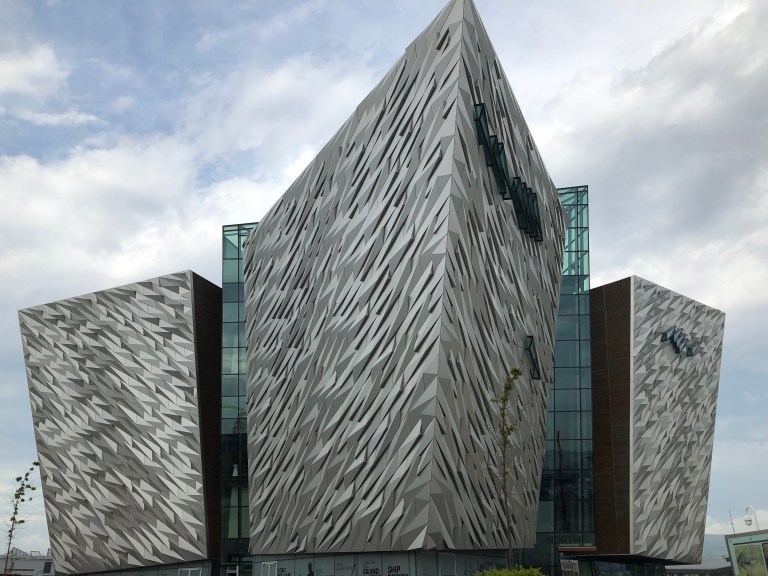
First stop during this day was Titanic Experience in Belfast. It’s a museum that has been built in the spot where shipyard in which Titanic was build is located. During the visit you will get explanation on the whole timeline of the catastrophe – from the first ideas of building the “unsinkable” ship up until the impact of the catastrophe on the nowadays culture. It is pretty long exhibition, but very interactive and quite interesting. I think it’s really worth visiting, even if only to understand what really happened on the day that Titanic sinked.
Giant Causeway
Located on the north side of the Ireland, it’s one of the most amazing natural wonders on the island. Created in the volcanic eruption, basalt columns look like road made by some giants. Existence of this place is based on the way that basalt breaks – it creates hexagon structures that look like separate columns. Of course at the spot you will learn also fairytale version on how this spot was created, but this one I will leave to your guide to tell you 🙂 Nice addition is that on the less cloudy days you may see Scotland in the distance! And be aware that you will need to walk downhill and uphill, so it’s good to take some second t-shirt to change afterwards!


Carrick-A-Rede Rope Bridge
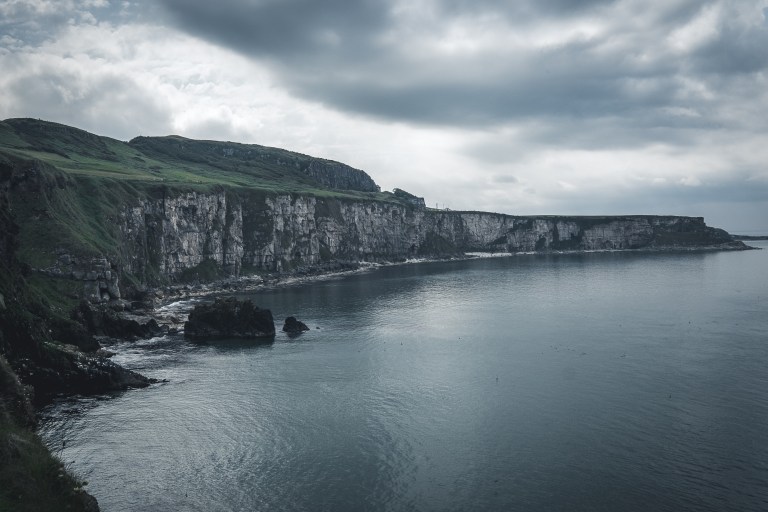
Within the tour you will also visit rope bridge. It’s pretty nice spot and the rope bridge is not really as scary as your guide will tell you. I really like the view from this place on the cliffs around.
Day 3 – back to Dublin
On the day 3 we had some problems in finding what to visit in Dublin and we couldn’t go outside as all one-day trips were finishing after the hour when I had to go to the airport. So we have decided to come back to the Dublin roots and visit whiskey (not whisky!) distillery and the oldest Dublin cemetery.
Jameson distillery
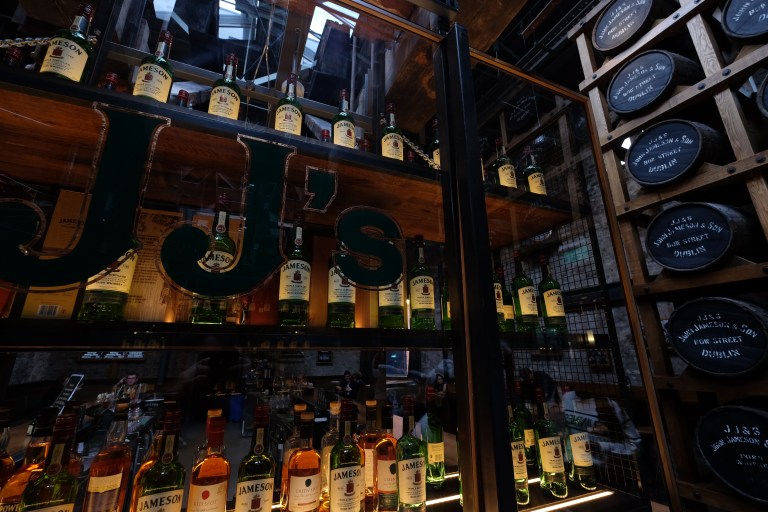
Not anymore used as a distillery it has been transformed into tourist attractions. You can take a tour to understand how whiskey is produced, learn about Jameson history which is bounded tightly with Irish history and take part in tasting to compare Jameson whiskey with different types of whiskey and bourbons. I really enjoyed the tour and I think it’s really nice spot to visit while being in Dublin.
Glasnevin Cemetery
It’s the oldest cemetery in Dublin with many stone carved tombstones. It’s a little bit further away from the centre, but on the way you may see how the city looks like outside of touristic area. It was a nice walk, but to be honest the cemetery and museum nearby was not really something mind blowing. We kind of went there only because we finished all other interesting spots in Dublin. The only interesting thing that we learnt thanks to this spot is the fact that all Irish people are buried facing east and that there is an Irish tradition to say goodbye to people who died by visiting their house for few days after their death.

Summary
I really enjoyed visiting Dublin, but mainly thanks to the visit at the Giant Causeway. In my opinion 1 – 1,5 days is more than enough to see everything there, but if you have more time – really try to go outside. This one day trips are really nice and you can see many natural wonders of Ireland which are quite impressive and unique!
 Ultimate Traveler