Last week I went to Rome for a long weekend (due to national holiday in the Netherlands). I flew on Thursday evening and come back on Sunday afternoon. 2,5 days of stay was quite short, but I have managed to see most of the important things. And of course eat a lot of delicious food! One thing I’m completely sure – I don’t have enough of Rome after such a short time and I will come back there in the future!
Below you can find list of the best destinations in Rome and itinerary that shows how to visit them in ultimate manner! If you need more details on when to go, how to move around or what are the prices – visit this page: FAQ – Rome travel
Why you should go to Rome?
Full of history that made foundation of nowadays Europe, saturated with museums that even Louvre have problems to match with and all of these in nice weather of southern sun with delicious ice creams in your hand. Rome is one of the places that you must visit at least once in your lifetime!
Top destinations in Rome
There are so many things to do in Rome that probably even a month wouldn’t be enough to fully explore this city. However, there are some highlights you cannot miss:
-
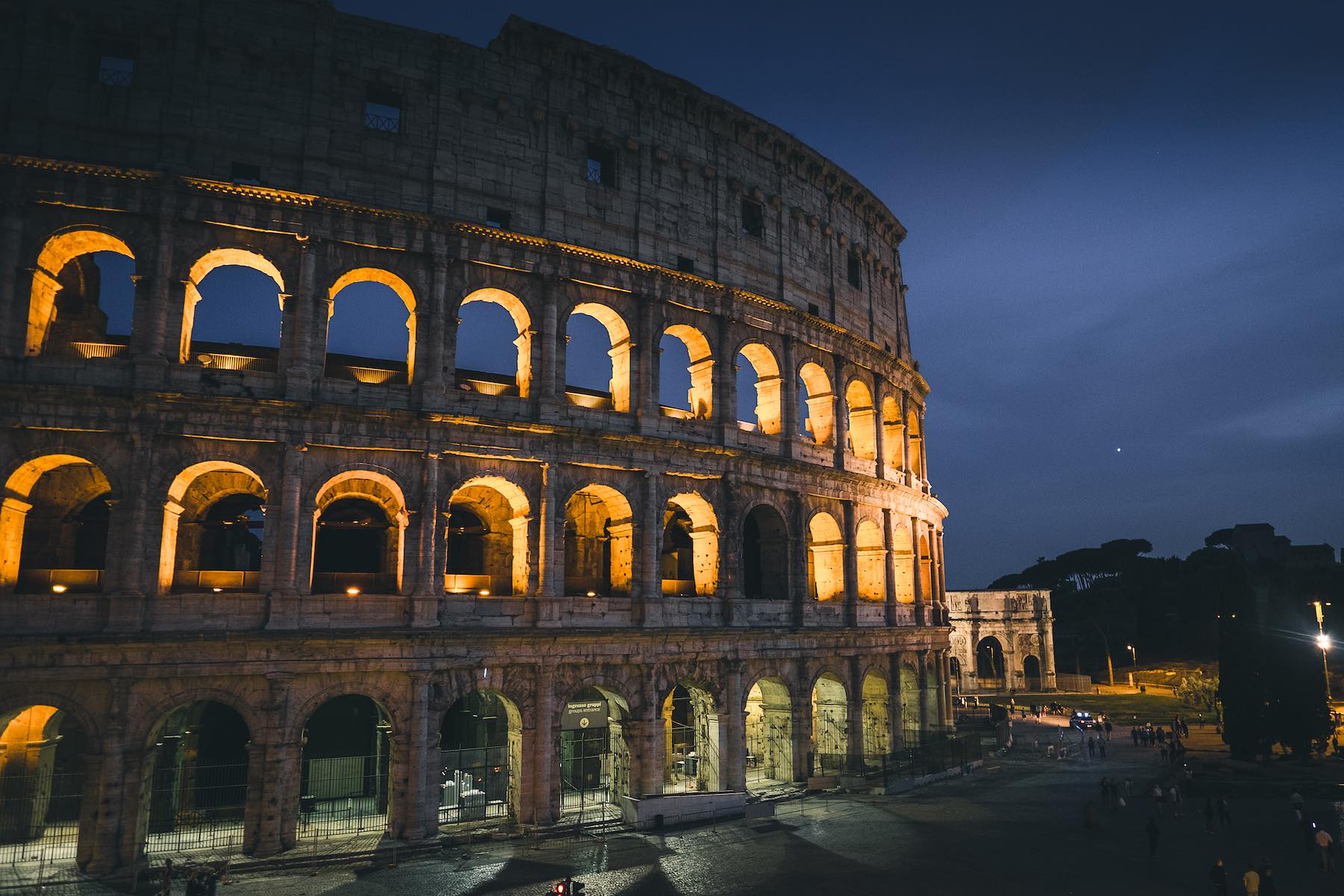
Visit Colosseum and imagine thousands of people cheering for blood during fights on the arena.

-
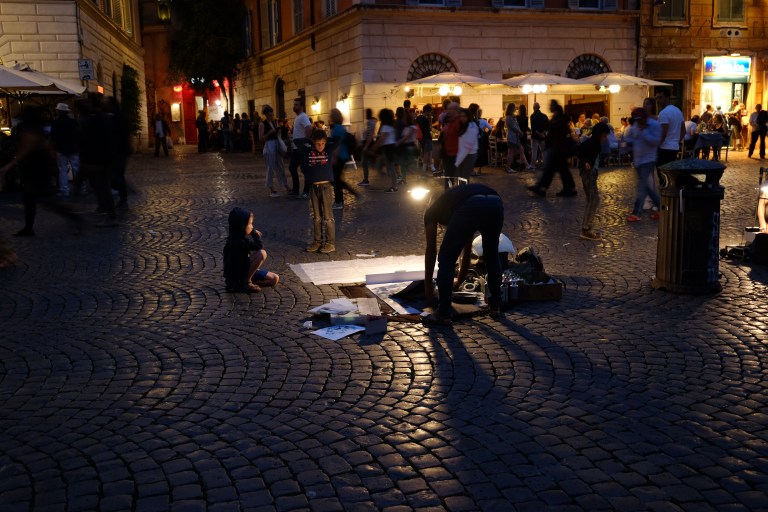
Walk around Trastevere in the night and sit for a drink or couple of them in the vibrant atmosphere of this district.
-
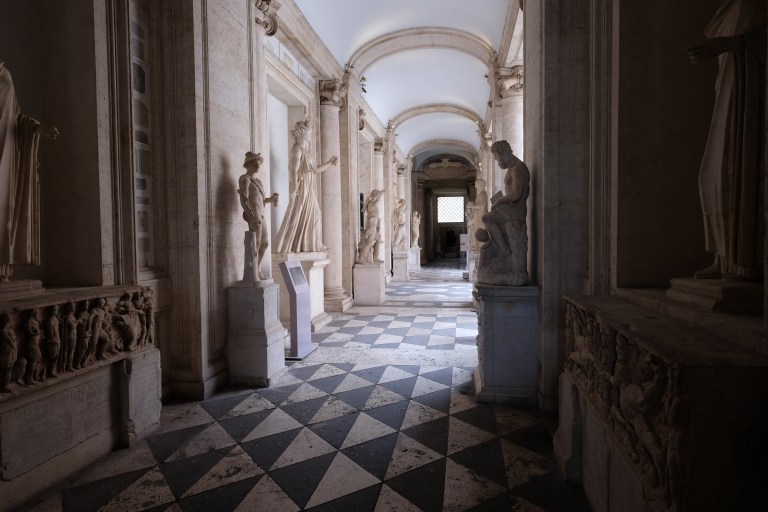
Appreciate amazing art of antic, renaissance and barock in three great museums of Rome: Capitoline museum, Vatican museum and Borghese museum.
-
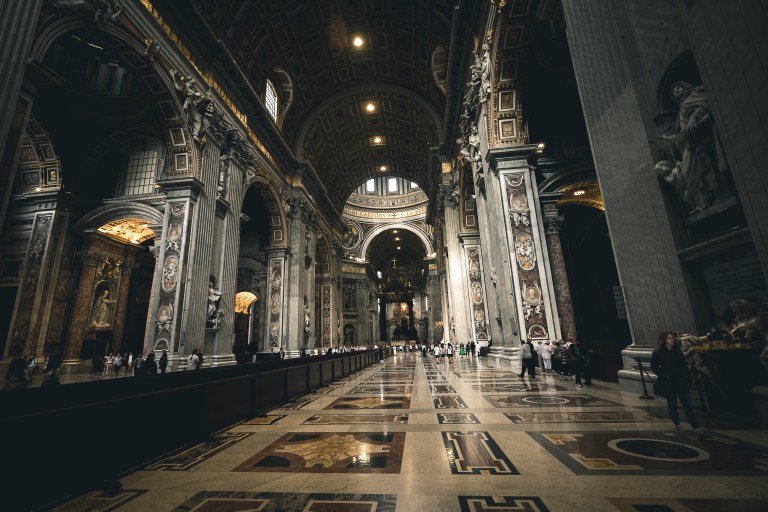
Feel good energy around Saint Peter’s Basilica in Vatican.
-
Enjoy delicious pizza, pasta and gelato!
What to eat?
I think everyone knows what to eat in Italy. But in case you somehow managed not to know this, then there are few things you just have to try:
- Pizza – the best thing you will ever eat. Try to avoid touristic places and go for more local ones. Unfortunately the best pizza is served in Trastevere district, but the lines to eat in the restaurants are crazy there. Probably the best option is to ask at your hotel for local place, they will direct you to the good one. In this way I found awesome restaurant, which is a little bit outside the city centre, but it was close to my hotel – Cucina Romana de Sora Carla (Via Bounarroti 3-5). I highly recommend this one if you will be nearby. During the day of walking you may like to visit some lunch places where they sell pizza in pieces – their quality is not as high as restaurants, but it’s a good idea to eat something tasty in a short time. Try to find one that is used by local people for lunch. For me the best one was Forno da Milvio.
- Coffee – golden rule – you can drink cappuccino, but only until noon. Afterwards only espresso, which is absolutely amazing in Italy – small, full of taste and strong. Drunk in the morning it’s something that will give you energy for the rest of your day.
- Ice creams – world-famous gelato is something you have to try while being in Italy. There are hundreds of places selling them, but only some of them are really famous. Lonely Planet recommends Fatamorgana chain, but I found them rather mediocre in comparison to Gelateria La Romana, which serves ice creams since 1947.
- Pasta – you can choose any pasta you want in Rome. Personally I prefer pizza, but you cannot go wrong with pasta as well!
What is important to know about Rome?
Rome used to be centre of Europe for many centuries during Roman Empire. Ancient Romans were amazing artists, great warriors and even better engineers. Many of the buildings and facilities built at that time are still existing all around the Europe and shows that after the fall of Roman Empire it took many centuries for Europe to come back to the level of development achieved in the antic era. Sculptures from that time are still making great impression and shows how rich the empire was during it’s highest peak.
Second important period in the Rome history was the moment when Christianity appeared. At the beginning Roman empire was fighting with the new religion and many early believers died in a very cruel way from hands of Roman soldiers. Fortunately, at some point Christianity was recognised as the leading religion of the empire and since then Rome is the centre of religious life for catholics and place where popes (starting from Saint Peter) have their seat.
Few centuries after fall of the Roman Empire, Rome and its surroundings became so called “Papal state”, which is currently existing in the form of the smallest state in the world – Vatican. It was a time of history when whole Italy was divided into relatively small republican city-states and Papal state was one the them (but it was not republic of course!). Pope was fighting wars and making politics at that time the same way as other rulers. This state had also some darker moments like Avignon Papacy or Borgias regency, but was able to survive all the way until Italian unification in 1870. Afterwards it was transform into Vatican based on the treaty between pope and Mussolini, facist leader of Italy before WWII.
All the above shows how important Rome was for history of Italy and the whole Europe. Rome was inspiring Europeans over centuries and up until today it is one of the symbols of unified Europe. Thanks to this rich history, you can admire incredible amount of historic sites, museums and landmarks, all in just one city.
Itinerary
Day 0: Arriving to Rome at night
Day 1 (Ancient Rome): Colosseum, Forum Romanum & Palatine hill, Capitoline museum, Il Vittoriano, Trevi fountain, Piazza di Spagna & the Spanish Steps
Day 2 (Vatican city): Piazza Navona, St. Peter’s Basilica, Vatican Museum &Â Sistine Chapel, Castel Sant Angelo, Pantheon, Ginancolo Hill, Trastevere
Day 3 (South of Rome & Borghese museum): Museo e Galleria Borghese, Via Appia Antica & Catacombe Di San Sebastiano, flight back home in the afternoon
Day 1 (Ancient Rome)
Colosseum (#7 on the 500 list of ultimate traveller)
Legendary arena where gladiators were fighting for live and death. It was built in I century AD and it had capacity of around 50.000 people. It’s bigger than many of nowadays stadiums! It survived many centuries of wars, earthquakes and common people stealing stones to build their own houses. For long time Colosseum was almost forgotten, but now it’s one of the most iconic spots of Rome.
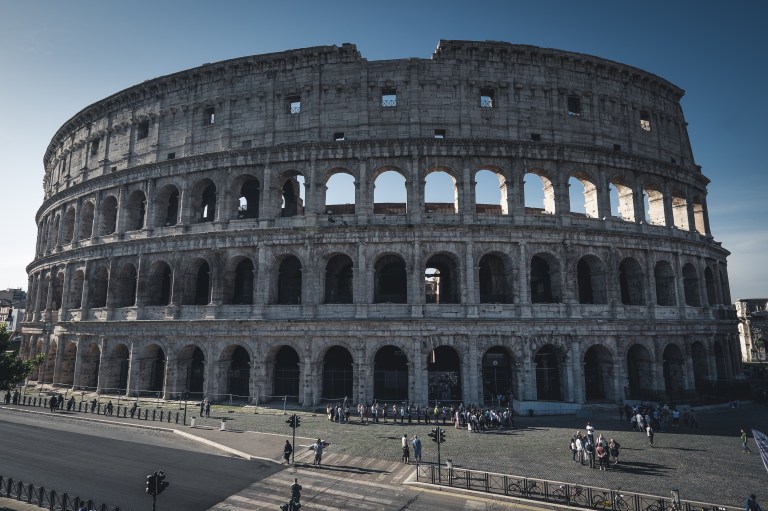
There are few interesting things about this place. First of all, people think that gladiators were killed all the time in the arena. In reality it was rarely a case – killing gladiator meant that person organising games had to pay money to the gladiator’s owner. Second interesting point is that Colosseum was very advanced on the engineering level with it’s system of underground tunnels used to make scenography during games (sometimes even sea wars!). Thirdly, many wild animals were killed at arena and some of the species came even on the verge of extinction due to appearing in the games so often.
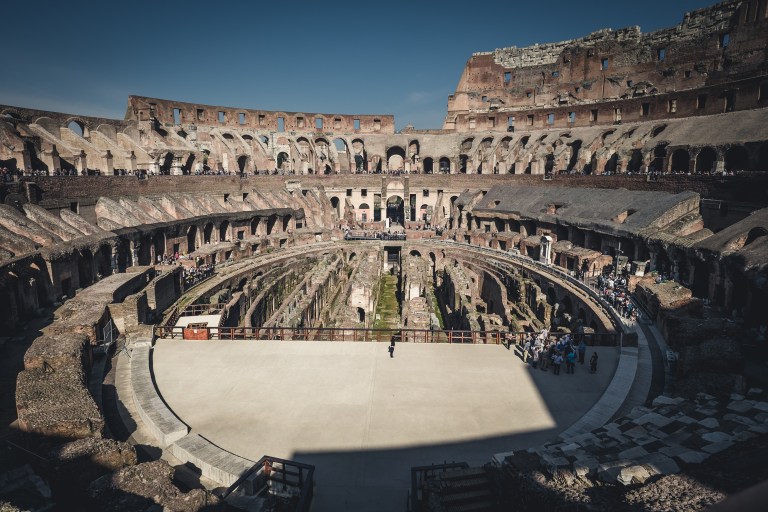
As it is one of the symbols of the Rome, there is quite a long line of people going there. The best option to visit Colosseum is to book ticket online and be there just after the opening (they open it at 08:30). You can buy ticket with direct entrance or the one that you have to pick up at the ticket counter, which is located inside the building. There is no difference in price, so the first one sounds like a better deal, but for me somehow system magically changed it to the second type. It’s not the big deal – you have to print email you receive, show it on the entrance line, go through security check and then collect proper ticket inside. Important – the ticket is not for certain date and it’s valid also for Forum Romanum and Palantine hill, so don’t throw it away after your visit at Colosseum.
Once you are there, it’s good to get audioguide. I bought small book instead and it was mistake – I think I missed quite a lot of interesting information as reading the book and sightsee the object is a little bit hard, so I skipped big part of the book. There are also options to buy tickets to visit the highest level and the underground, but I didn’t buy them upfront. I think it may be worth going there, so if you have a chance – try to get them.
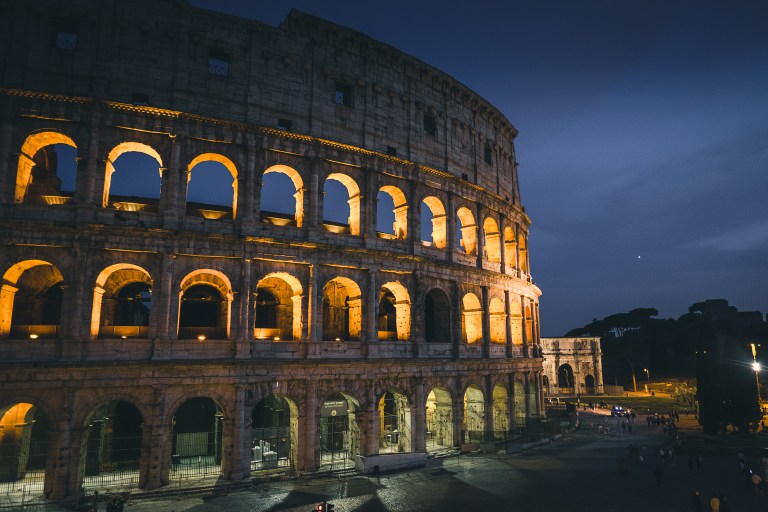
I really liked Colosseum. It’s showing off the engineering skills of Romans and makes great impression by its scale and ability to survive for centuries. I strongly recommend to check Colosseum from outside during evening as it may be equally impressive as during the day. On the opposite side of the route there is nice view point, you just have to go several steps up.
Forum Romanum & Palatine hill
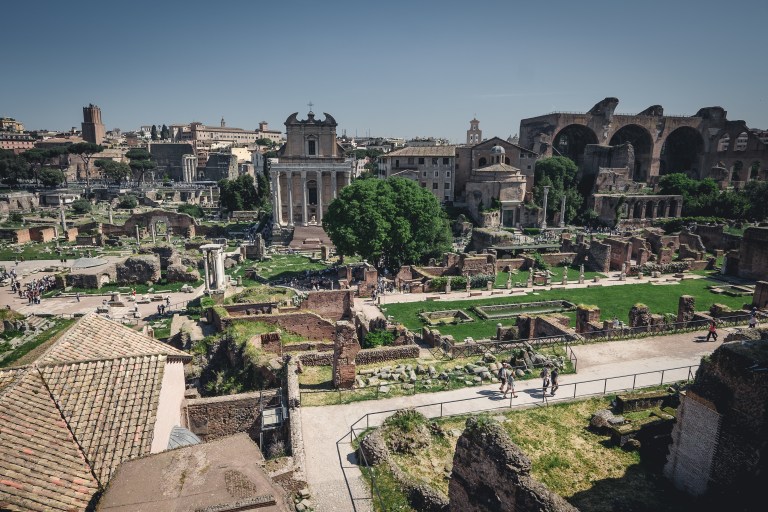
Forum Romanum was heart of the ancient Rome empire. Unfortunately nowadays there are only ruins there so you have to use your imagination to feel like walking on the streets of ancient Rome. Palatine hill on the other hand was considered as the place where Romulus and Remus, creators of the Rome, were born and raised by the she-wolf. It’s also the location of emperor Augustus house , who wanted to connect himself to first creators of the Rome. Later on the place emptied and nowadays there is barely anything there.
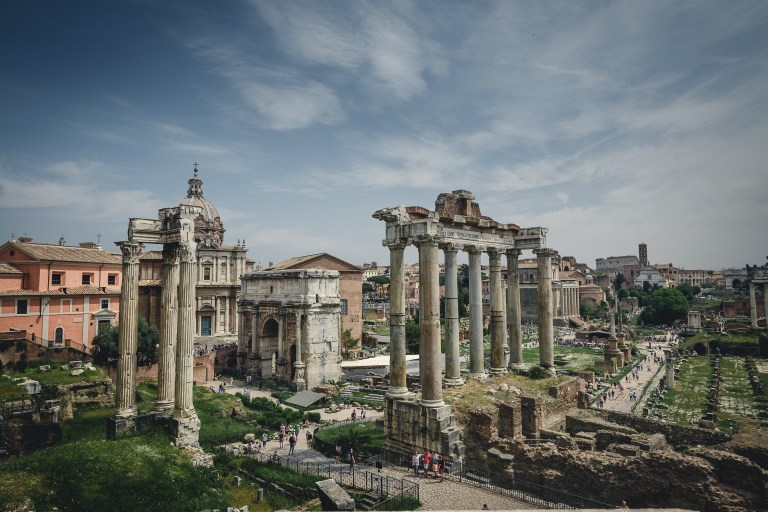
Both Forum Romanum and Palatine hill are accessible on the same ticket as Colosseum. You enter both spots at the same time and until you decide to leave the fenced area, you can freely walk between them. It takes around 1,5 – 2 hours to see everything, but to be honest it’s one of the places that made the least impression on me during stay in Rome.
 Capitoline museum
Relatively small museum that consists mainly of antic sculptures, but it makes great impressions. It is one of my favourite museums I have ever visited. It will take you around 1-1,5 hours to visit it all, but it’s really worth it! Don’t forget that there is also section on the other side of the square and that you can walk easily between both buildings using underground tunnel.
You don’t have to book tickets upfront and there are no lines to entry. After visiting don’t forget to go from the square to the viewpoint where you can look on the Forum Romanum.
Il Vittoriano
Also known as Altar of the Fatherland. It’s monument build in honor of the first king of the Italy after unification – Victor Emmanuel. It’s located on the capitoline hill so very close to the Capitoline museum. It’s one of the symbols of Italy and it’s worth to visit even just to see the view on Rome from the gallery of this building. Il Vittoriano hosts also two museums and tomb of unknown soldier with eternal flame, but personally I only went to the terrace.

Trevi fountain
The most famous fountain in Rome. People believe that if you will throw coin to the fountain then you will come back to the city again. Fountain indeed is beautiful. but the amount of people makes it hard to admire that beauty. I even tried to come back there next day at 7:00 in the morning, but still there was quite a lot people at the spot. Anyway – you have to go there and see the fountain even if only for 5 minutes.

Piazza di Spagna & the Spanish Steps
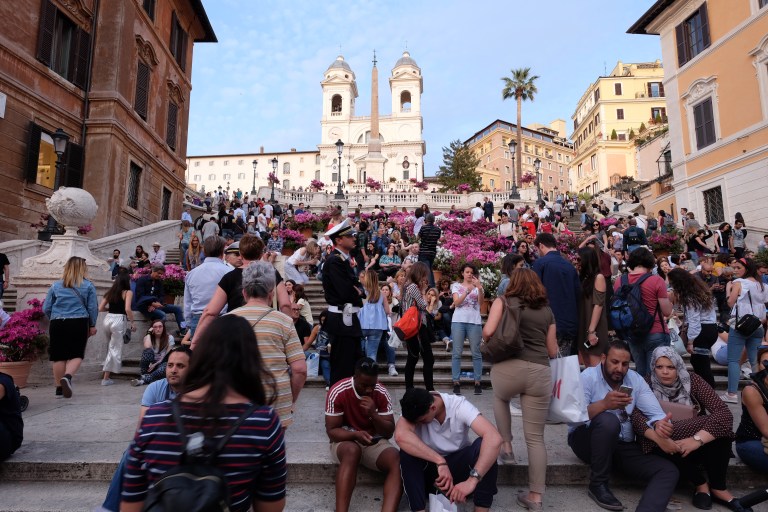
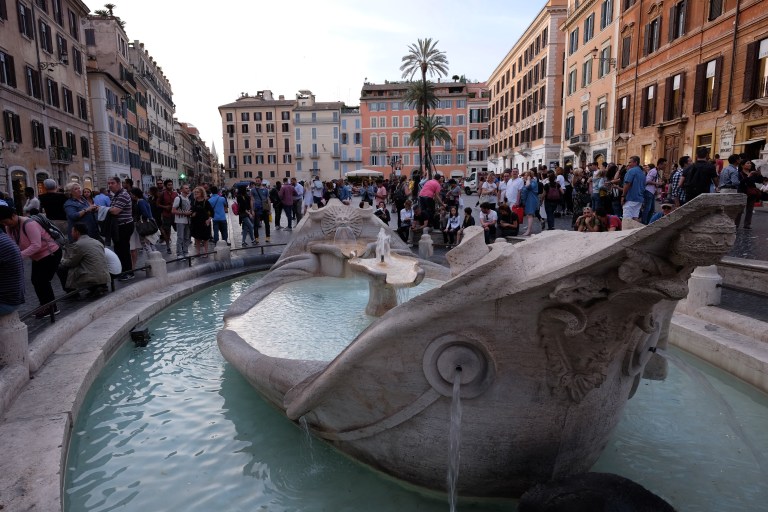
Very famous place in Rome, but somehow I think it’s overrated. These are just long steps with nice church at the top. There are hundreds of people sitting on them and on the bottom there is Piazza di Spagna with beautiful fountain created by Pietro Bernini – mainly know as being father of very famous son (I will talk more about him in the section about Borghese museum).
Day 2 (Vatican city)
Piazza Navona
Perfectly located between my hotel and Vatican, I visited in the early morning, so I could enjoy it almost completely empty. According to the Lonely Planet guide it is not necessary to visit any of the buildings inside, but it’s worth going around the square and admire two famous fountains – Neptune fountain and Fountain of Four Rivers, made by Bernini. Especially the latter one is amazing and must-see point of your visit!

St. Peter’s Basilica (#85 on the 500 list of ultimate traveller)
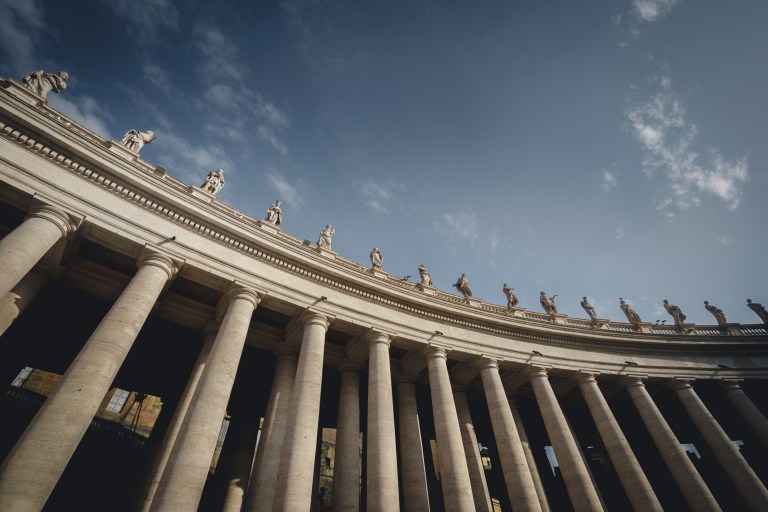
I think it’s my favourite landmark in Rome. Saint Peter’s Basilica is the centre of Vatican city and the whole catholic religion. It’s the seat of Pope and one of the biggest churches in the world. It was built in Renaissance style and its breathtaking beauty shows the richness of Papal state during time of building this church. If you could visit only one place in Rome – I would go for this one (even in front of Colosseum).
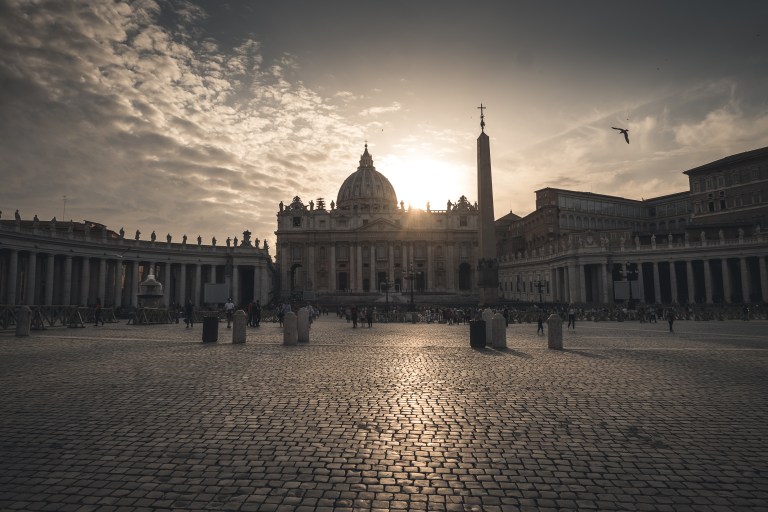
According to legends, Saint Peter’s Basilica was built on the place were Saint Peter, first bishop of Rome and Pope was buried. Latest archeological findings seem to support this legend as in the caves below the basilica bones of someone similar to Saint Peter were found.
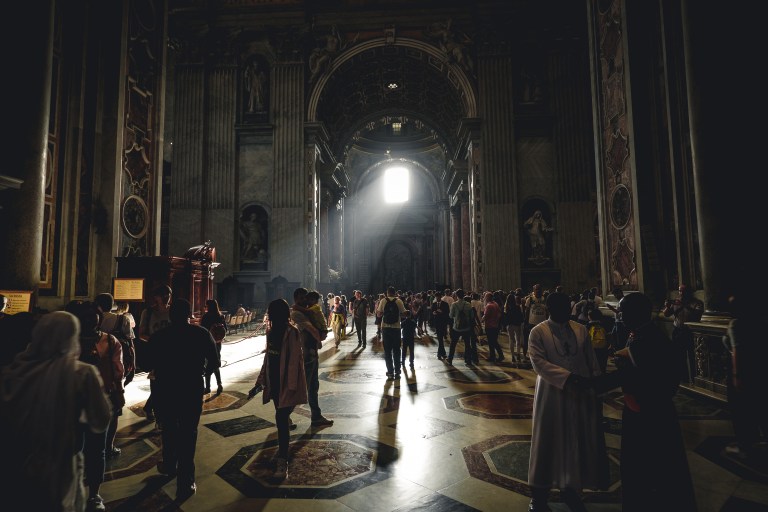
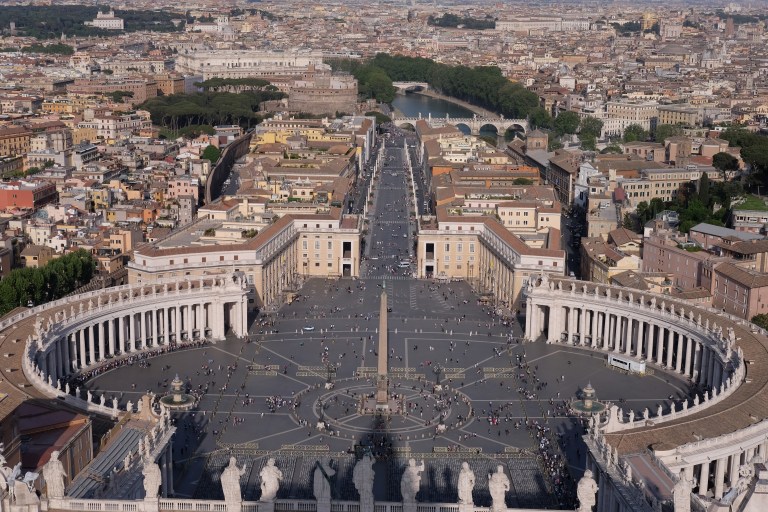
Entrance to the Basilica is located on the right side Saint Peter’s square. You have to go through security check and the line can be quite long, but at the same time it moves quite fast. I went to Basilica twice – in the early morning and in the late afternoon and the first time it was much faster. Entrance is open since 7am and it’s worth going there so early to avoid crowds. You can try do it before Vatican museums as both places are located quite close to each other (around 15 minutes walk).
Inside the Basilica there are many chapels where the messes are conducted, so there is no one moment where the whole Basilica is closed (unless there is really big mess with Pope). You can also try to get to caves below the Basilica, but the opening hours stopped me from going there – they are opened 08:30 in the morning and closed 17:00 in the afternoon. I guess it may be very nice experience, so if you have chance – try to go there. Entrance to caves is a little bit hidden – you have to find the pillar in front of the entrance to sacristy.
There is also option to visit the Dome at the top of the Basilica. I highly recommend doing so – the dome is beautiful and you will be also able to see a view on the whole Rome from the above. Entrance costs 8 EUR or 10 EUR, depending whether you want to use elevator or not. It’s way smarter to use elevator as staircase is long and rather boring. Anyway, only some part of the stairs can be omitted by the elevator. You will still have to climb quite a lot of stairs, so if you have some health problems, you may decide to skip this tour. Remember that you have to pay in cash for ticket – credit or debit cards are not accepted. On the site note – entrance to Basilica on its own is for free.
Vatican Museum & Sistine Chapel (#115 on the 500 list of ultimate traveller)
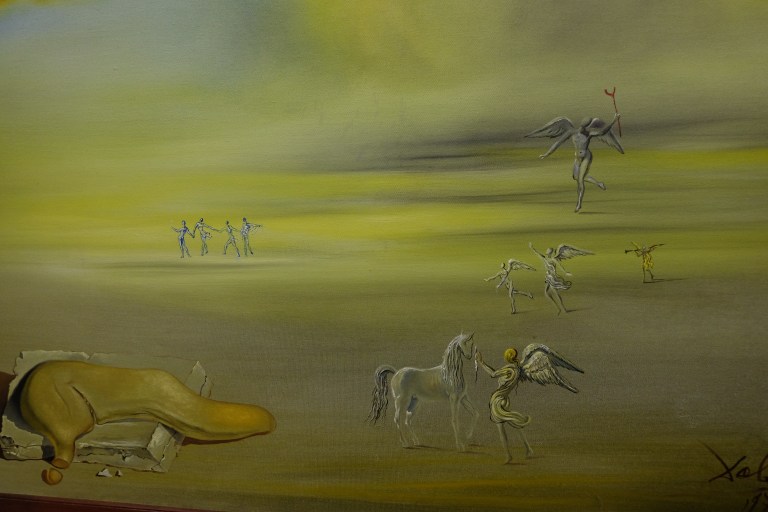
It’s one of the most famous museums of the world, full of antic, renaissance and baroque work being gathered in one place over the centuries. You can find there works of Raphael, Michelangelo or even Dali. Again, it’s must see place in Rome. Don’t forget about contemporary art exhibition at the end of the museum – a lot of people rushes through it, but there are many amazing pieces of art there that are worth seeing (for me it was mainly Dali)!
Remember to buy tickets in advance. It’s possible to buy it on the spot, but the line of people is crazy and you will waste a lot of time waiting there. Don’t forget as well that the museum is closed on Sundays. While buying the ticket, I would rather go for the earliest possible hour (museum opens at 09:00) or at least one of the earliest hours if you want to use time before to visit Saint Peter’s Basilica. Ticket is valid for certain hour, but I was few minutes after this hour and everything was fine. The line to enter with reserved ticket is in front of the entrance, so don’t stand in the long queue around the building! Once you are inside, go to the ticket machine to convert your reservation to real ticket as printed email is not enough to entrance the museum itself.

Visiting route of the museum is super easy – everywhere there are road signs and you get brochure that advise on the best route. I highly recommend renting the audio-guide on the entrance for 7 EUR. It’s concise and not too overloaded with historic information, yet it gives necessary background to understand things you are going to see. They don’t give headphones in the set, so it will be good to have your own, but it is possible to use the device without them.
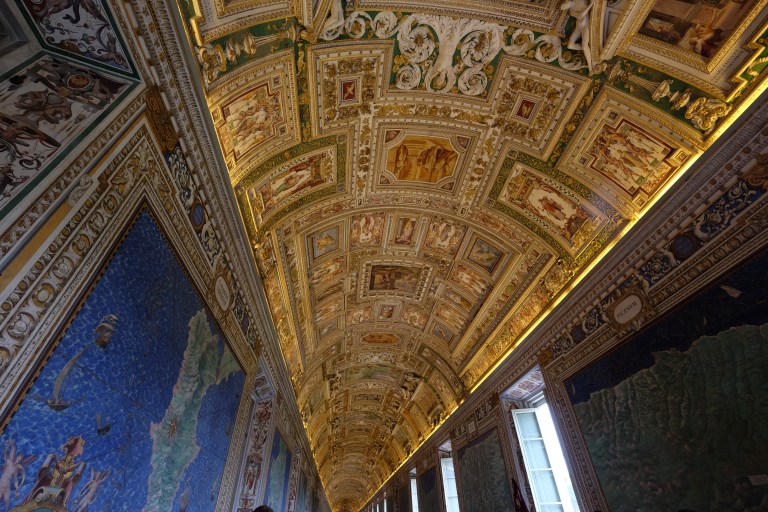
The main highlight of the whole museum is Sistine Chapel. It’s breathtaking and consider one of the finest examples of the European art. There is crazy amount of people inside and if you want to really admire the chapel, then you need to move to stand in the centre of the room – sides are used for walking. Some people confuse Sistine Chapel and Saint Peter’s Basilica entrances. As I wrote above – Sistine Chapel is part of the Vatican Museums, however there is connection between Sistine Chapel and Saint Peter’s Basilica. It is used by the organised groups to move from the Vatican Museum directly to Saint Peter’s Basilica (but there is no possibility to go the other way around). If you are sneaky, you can use this entrance, but it means you will skip last part of the museum and I’m not sure if there is any place to leave your audio guide there. This entrance is located on the right side of the Sistine Chapel.
At the end of the Vatican Museums there is famous staircase, used in many movies and photographs.

Castel Sant Angelo
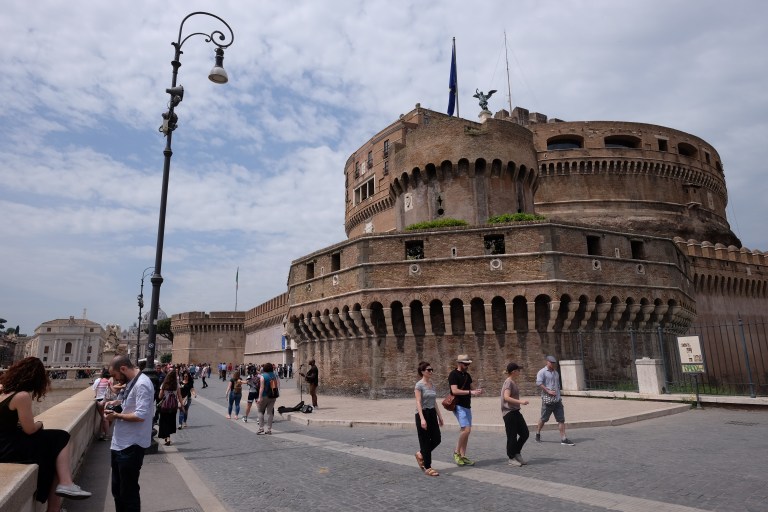
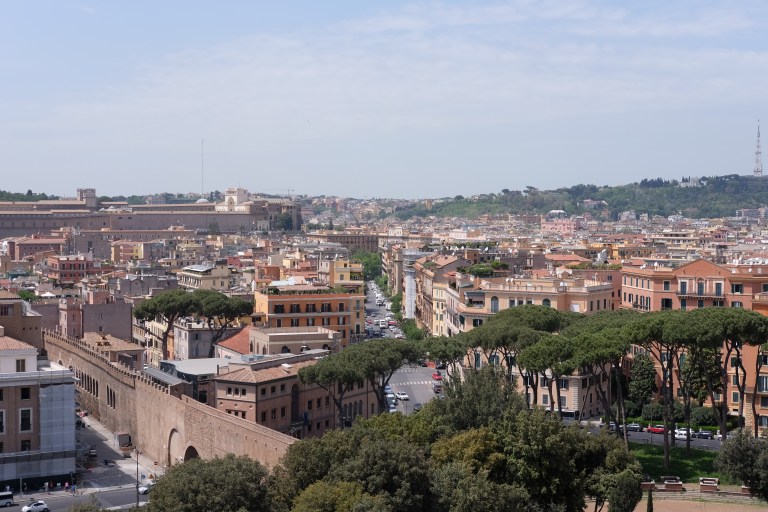
It’s located close to the Vatican. It was used as a shelter for the pope during sieges and wars. It has quite nice panorama view on the Rome, but bearing in mind quite expensive entrance, I leave it for you whether you want to visit this place. I think you can use your time better in Rome, but many people are very positive about this place, so I guess it’s just the matter of taste.
Pantheon (#52 on the 500 list of ultimate traveller)
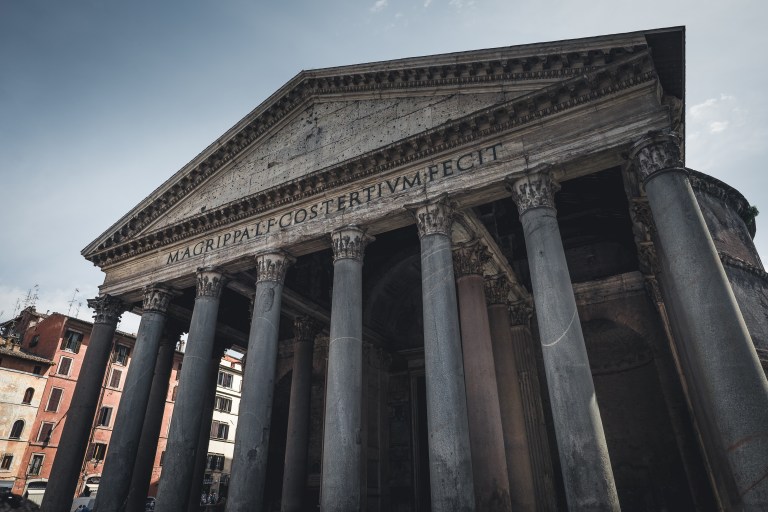
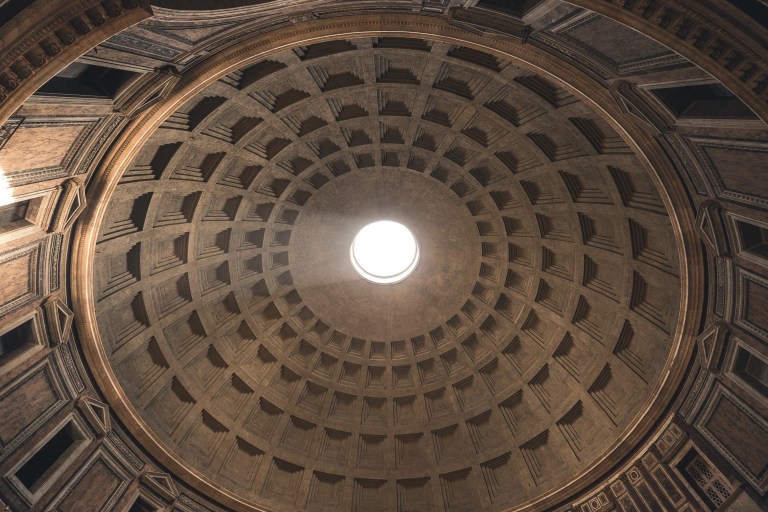
It’s always quite surprising for people to walk around narrow streets and all of a sudden bump into the huge Pantheon construction. It used to be temple dedicated to ancient gods (all main gods of Rome), but after it was given to Popes, it was transferred into christian church. It is one of the main reason why it survived so long without being destroyed during sieges or wars and nowadays it’s one of the best preserved examples of ancient architecture. The dome has famous opening at the top and a lot of people ask what is happening during rain (answer is – nothing, water it taken out by the canals in the floor). Again, Pantheon is one of the highlights of the visit in Rome. Entrance is for free, but check upfront for messes which are held there – at the end it’s a normal catholic church.
Ginancolo Hill
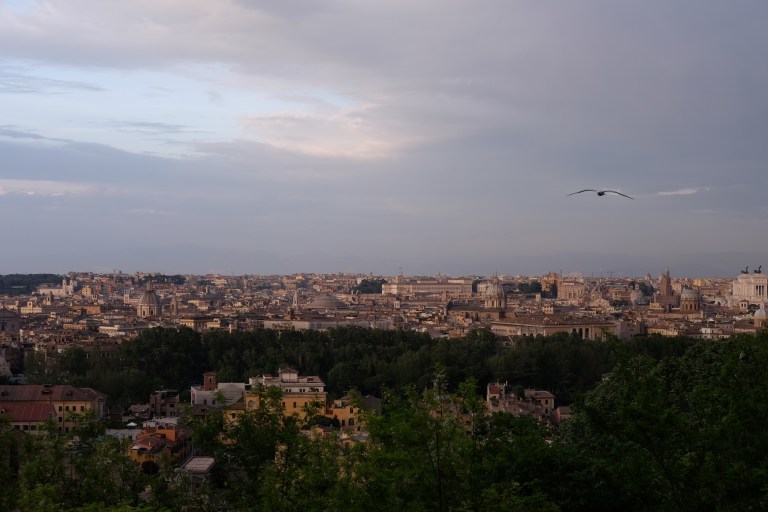
The best panorama of Rome can be seen in Ginancolo Hill. It’s quite a walk to get there, but it’s fully worth doing it, especially if you will manage to be there around sunset or late afternoon. Unfortunately, there are many trees in front of the view, so some longer lens would help a lot here.
Trastevere
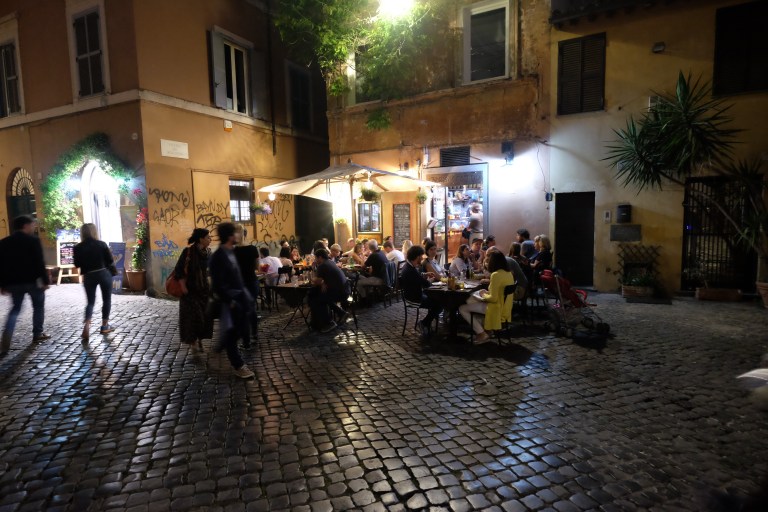
On the other side of Ginancolo Hill there is my favourite area of Rome – Trastevere. It’s a place where most of the bars and restaurants are located. This district is coming to life in the evening and stays full of people until late night hours. It’s the best place to eat something or grab a drink while listening to many street buskers. Warm air, great food and amazing music makes this place absolutely magical. The only downside is that it’s very hard to find any spot to sit – apparently everyone wants to get a place there, not only me.
Day 3 (South of Rome & Borghese museum)
Museo e Galleria Borghese
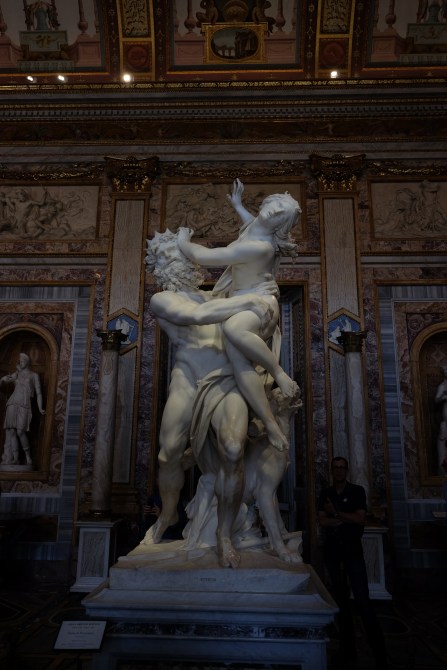
From outside it seems like a small place, but don’t let it fool you – it’s full of incredible pieces of art and you absolutely must to go there while being in Rome! This museum is located in the villa owned by Borghese family and the whole collection was started by the Scipione Borghese who was a “prime minister” of Papal State during reign of his uncle, pope Paul V. Scipione gathered very impressive collection of art, often using blackmail or force to get what he wanted (it’s easier to do if your uncle is a pope). Collection was partially taken over by Napoleon when he was creating Louvre, but still there are many impressive pieces of art in the villa – mostly sculptures of the Bernini and paintings of Caravaggio. Especially sculptures are amazing and I have never seen any sculpture so realistic as “The Rape of Proserpina”.
Museum is quite small and you cannot enter without guided tour. It takes around 2 hours and it’s fully worth taking part – guide will explain you everything in detail there. To limit amount of people, you will have to leave museum directly after the tour is finished. It’s almost impossible to get tickets on the spot, so remember to book it few weeks earlier!

Via Appia Antica & Catacombe Di San Sebastiano
It’s famous road built in the ancient time that exists until today. It has quite tragic history as first Christians were crucified along this route. Nowadays, it’s full of cars, so I recommend to walk on the parralel route on which there is normal pavement.
It’s nice to walk in Italian warm sun, but the road itself has very little to offer except of just nice walk. However, there are two spots on the way that are worth visiting – Catacombe di San Sebastiano and Catacombe di San Callisto. These are the places where first Christians were having their masses during the time when Christianity was forbidden in the Roman empire. Unfortunately, I can’t write more about this places as Catacombe di San Sebastiano were closed on Sunday and Catacombe di San Callisto had lunch break between 12:00 and 14:00 and I had to come back to the city to catch my plane.
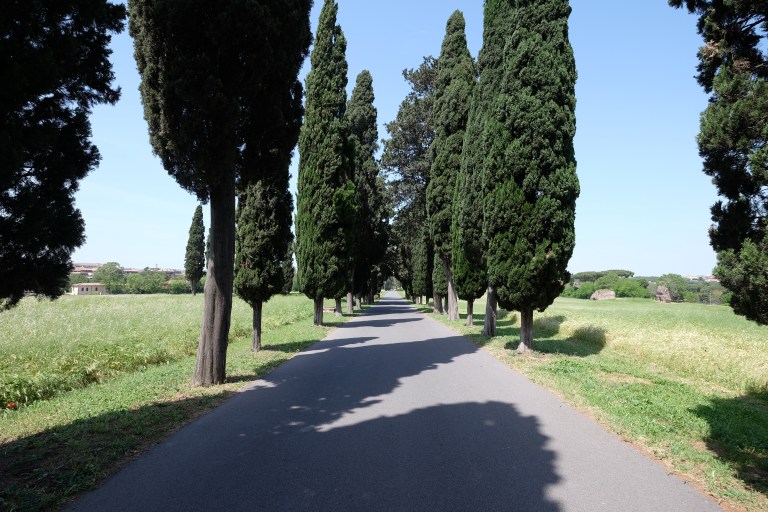
The easiest way to get there is by bus – you can choose any station on the way to hop off, but it seems most reasonable to leave at Catacombe di San Sebastiano stop and then slowly walk back to the beginning of the Via Appia Antica and catch bus there to come back to the city.
Summing up
All in all, Rome turned out to be amazing city with all the food, historic sites, museums and nice weather. To be honest I can’t wait to be back there!
On the very last note – it was very easy to get to the airport, but be careful at the Termini station – a lot of people try to scam you there. You don’t have to be paranoid, but basic safety measures are advisable.
 Ultimate Traveler